
Nestled in the heart of the Caribbean, Puerto Rico captivates with its vibrant culture, stunning landscapes, and rich history. From the cobblestone streets of Old San Juan to the lush rainforests of El Yunque National Forest, it offers an unforgettable escape for every traveler. Yet, beneath its postcard-perfect surface lies a complex political reality: Puerto Rico is not a US State. It operates as an unincorporated territory of the United States, a status that shapes everything from its governance and economy to the daily lives of its residents and, notably, the experience of its visitors.
For those planning travel to this enchanting island, understanding this unique relationship is key to appreciating its distinct identity. While Puerto Ricans are US citizens and the US Dollar is the official currency, the island lacks full representation in the US Congress and cannot vote in presidential elections. This article delves into the historical, political, and cultural factors that define Puerto Rico’s current status, exploring how this affects tourism, accommodation options, and the overall lifestyle of this compelling destination.
Historical Roots of a Unique Relationship
The story of Puerto Rico’s relationship with the United States is long and intricate, marked by centuries of colonial rule that profoundly shaped its identity. To understand why it isn’t a state today, one must look back to pivotal moments in history that set it on its current path.
From Spanish Colony to US Territory
For over 400 years, Puerto Rico was a colony of Spain. This period left an indelible mark on its culture, language, and architecture, visible in the vibrant streets of Old San Juan and the imposing fortresses like El Morro. The island’s strategic location in the Caribbean Sea made it a prized possession, a gateway to the Americas and a crucial military outpost.
The turning point came in 1898 with the Spanish-American War. As a result of Spain’s defeat, Puerto Rico, along with Cuba, Guam, and the Philippines, was ceded to the United States under the Treaty of Paris. This marked the end of Spanish colonial rule and the beginning of Puerto Rico’s new, albeit complex, relationship with the US.

Initially, Puerto Rico was administered by the US military. Over the next few decades, Congress passed several acts to establish civilian government. The Foraker Act of 1900 established a civilian government with a US-appointed governor and legislature. Crucially, it designated Puerto Rico as an “unincorporated territory,” meaning it belonged to the United States but was not considered an integral part of it, and thus, the full provisions of the US Constitution did not automatically apply.
The Insular Cases and Constitutional Implications
The legal framework defining Puerto Rico’s status was largely shaped by a series of Supreme Court decisions known as the Insular Cases, decided between 1901 and 1922. These rulings established the controversial doctrine of “territorial incorporation,” distinguishing between “incorporated” territories (destined for statehood) and “unincorporated” territories (not necessarily destined for statehood). The Supreme Court determined that only “fundamental” constitutional rights applied to Puerto Rico, while other rights could be withheld.
This legal precedent set Puerto Rico on a path distinct from previous US territories like Hawaii or Alaska, which were always seen as future states. In 1917, the Jones-Shafroth Act granted US citizenship to Puerto Ricans, a momentous change that allowed them to move freely to the US mainland and serve in the US military. However, this citizenship did not come with full political equality; they still could not vote for president and had only a non-voting resident commissioner in Congress.
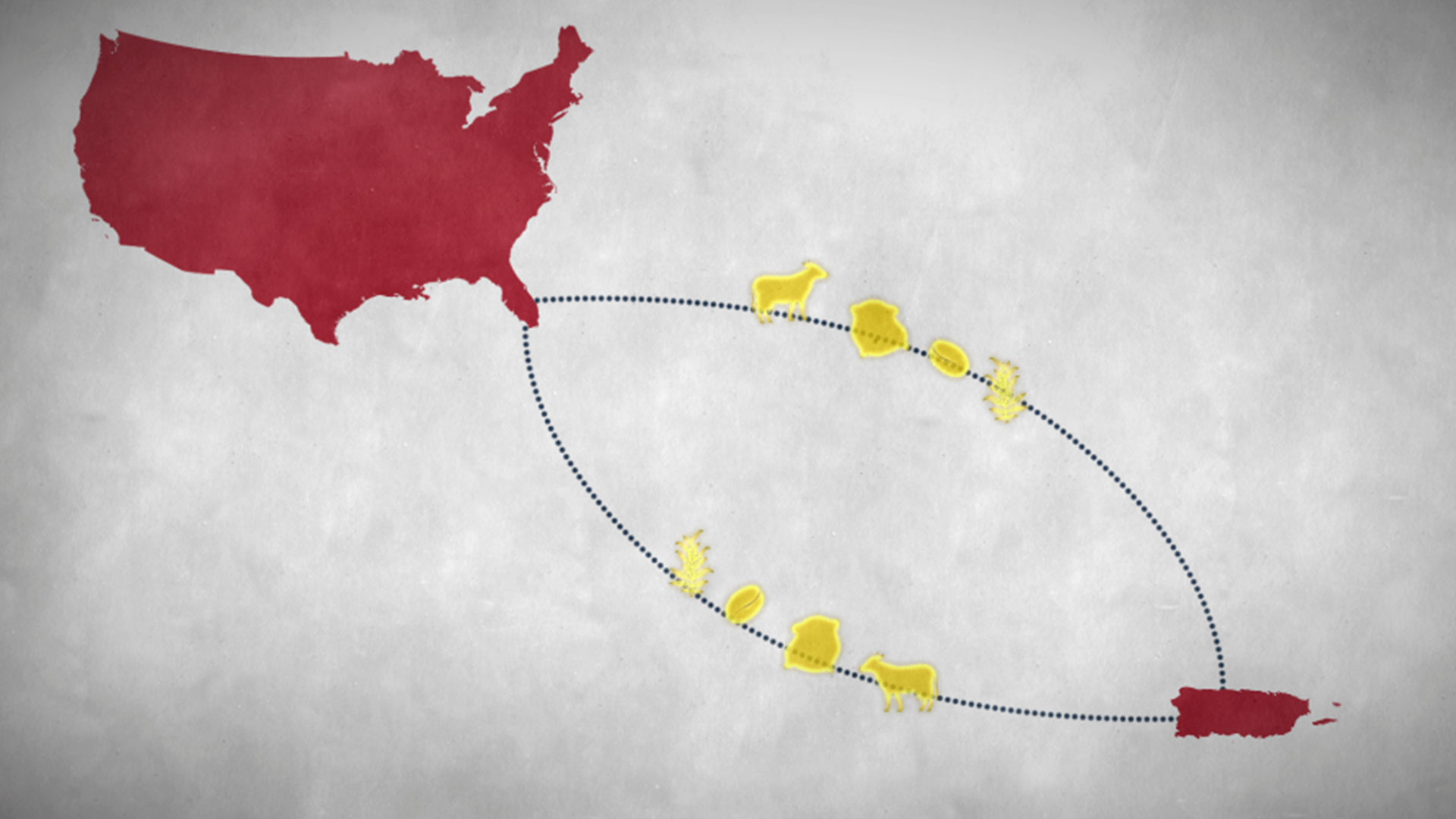
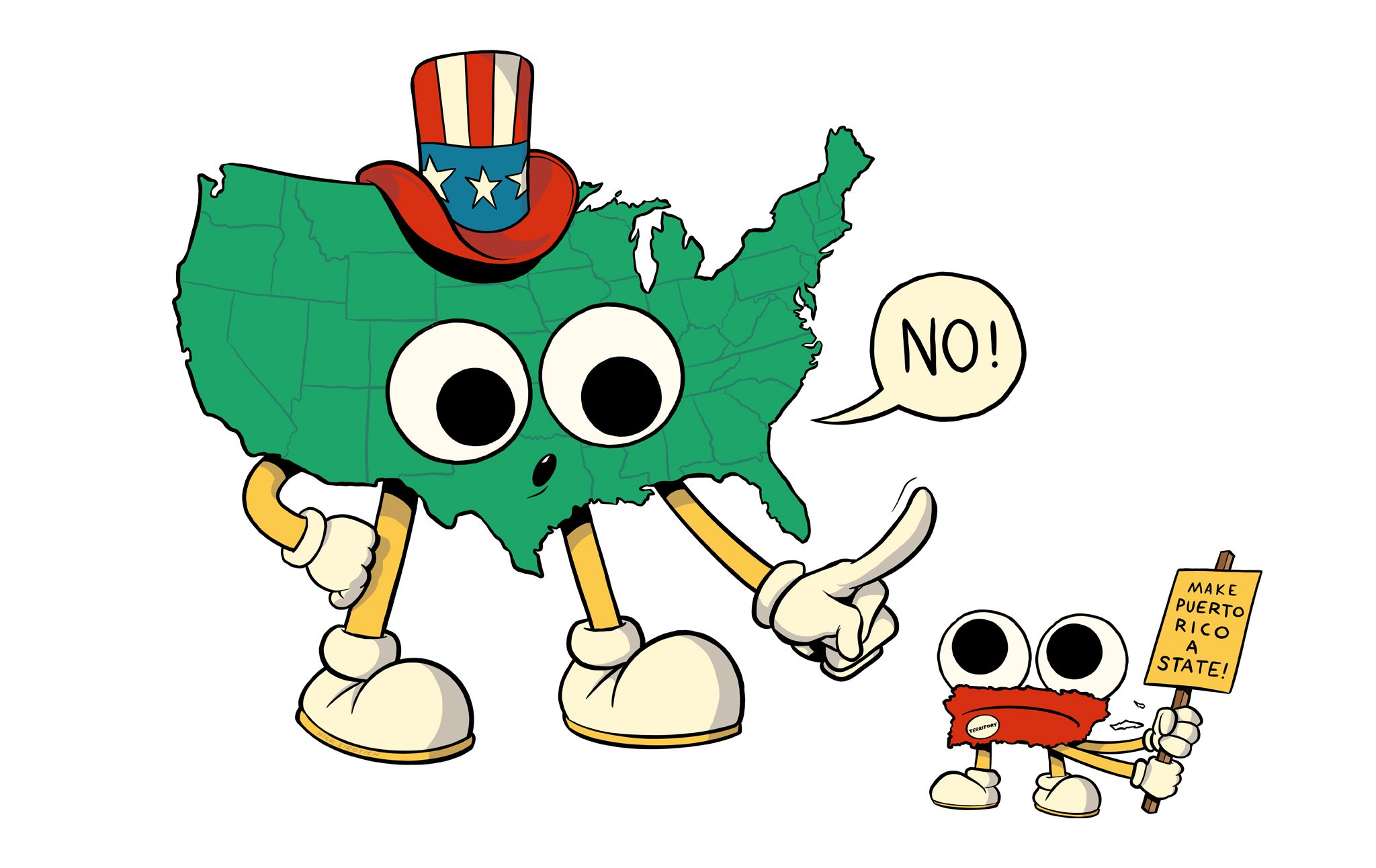
In 1952, Puerto Rico adopted its own constitution, establishing the Commonwealth of Puerto Rico, or Estado Libre Asociado (Associated Free State). This gave the island greater autonomy over its internal affairs, allowing it to elect its own governor and legislative assembly. While this was a step towards self-governance, it did not alter its fundamental status as an unincorporated territory subject to the plenary powers of the US Congress. This intricate history explains the “why not” – a combination of legal doctrines, political decisions, and evolving relationships that never fully integrated Puerto Rico as a state.
The Practicalities and Pleasures of Traveling to Puerto Rico
For travelers, Puerto Rico’s unique status translates into a distinctive and often seamless travel experience, blending the familiarity of US systems with the exotic allure of the Caribbean.
Seamless Travel and US Dollar Convenience
One of the most significant advantages for US citizens traveling to Puerto Rico is the incredible ease of entry. No passport is required, making it feel like a domestic trip. All you need is a valid government-issued ID, just as you would for flying between US states. This removes a significant barrier for many, simplifying travel logistics and often reducing costs associated with international trips. Direct flights are plentiful from major US cities to San Juan’s Luis Muñoz Marín International Airport, offering convenient access to this tropical paradise.
Upon arrival, the familiarity continues with the official currency: the US Dollar. This eliminates the need for currency exchange, making transactions straightforward and stress-free. Credit cards are widely accepted, and ATMs are readily available, mirroring the financial convenience found across the US mainland. English is also widely spoken, especially in tourist areas and major cities, though a basic understanding of Spanish is always appreciated by locals and can enrich your experience, allowing for deeper immersion into the local culture.
Regarding accommodation, Puerto Rico offers a diverse range to suit every lifestyle and budget. From luxury hotels and five-star resorts in areas like Isla Verde and Dorado that boast world-class amenities and pristine beaches, to charming boutique hotels in historic Old San Juan, and budget-friendly guesthouses and vacation rentals available through various booking platforms. The established US connection ensures a level of infrastructure and service standards that make booking and staying relatively reliable and comfortable.
A Blend of Cultures: The Heart of Puerto Rican Identity
Puerto Rico’s political status has fostered a unique cultural identity, a vibrant fusion of Spanish, African, and Taíno indigenous influences, all interwoven with distinct American elements. This blend is evident in every facet of life on the island, from its language and cuisine to its music and art.
The dominant language is Spanish, spoken with a distinct Puerto Rican accent and rich with local idioms. However, English is an official language and is taught in schools, reflecting the island’s ties to the United States. This bilingualism makes communication relatively easy for visitors and allows for a fascinating interplay of cultural expressions.
Puerto Rican cuisine is a highlight, a delicious testament to its diverse heritage. Staples like mofongo, arroz con gandules, and roasted lechon are deeply rooted in Spanish and African traditions, while the influence of American fast food and culinary trends also subtly plays a role in modern dining. Food tourism here is an experience in itself, with countless opportunities to explore local flavors, from bustling food trucks to upscale restaurants.
Music and dance are integral to the Puerto Rican lifestyle. The sounds of salsa, merengue, and the increasingly popular reggaeton fill the air, inviting both locals and visitors to join in the festive spirit. Festivals and celebrations, such as the San Sebastian Street Festival in Old San Juan, showcase this vibrant cultural synthesis, offering immersive experiences that highlight the island’s unique identity.
Beyond the cultural vibrancy, Puerto Rico is a land of incredible natural attractions. El Yunque National Forest, the only tropical rainforest in the US National Forest System, offers breathtaking hiking trails and waterfalls. The magical Bioluminescent Bays of Vieques and La Parguera are natural wonders, providing an otherworldly glow. And of course, the beaches – from the iconic white sands of Flamenco Beach on Culebra to the surfing spots on the west coast – are world-class. These landmarks are protected and maintained under a combination of US federal and local Puerto Rican regulations, ensuring their preservation for generations of visitors.
Economic Landscape and Tourism Development
Puerto Rico’s economic landscape is heavily influenced by its territorial status. While it benefits from some federal funding and programs, it also faces significant economic challenges, including a substantial public debt and high poverty rates. The infamous Hurricane Maria in 2017 exacerbated these issues, severely impacting infrastructure and tourism for a period.
Despite these challenges, tourism remains a crucial pillar of the Puerto Rican economy. The island has made remarkable strides in rebuilding and revitalizing its tourist industry. Investment in hotels and resorts, the restoration of historic sites, and the development of eco-tourism initiatives are all part of a concerted effort to attract visitors. The US connection provides a degree of stability and regulatory framework that can reassure investors and tourists alike.
However, the economic relationship is not without its complexities. Puerto Rico is subject to US federal laws, including minimum wage and environmental regulations, which can sometimes impact its competitiveness. The oversight imposed by the Puerto Rico Oversight, Management, and Economic Stability Act (PROMESA), established by the US Congress to address the island’s financial crisis, also plays a significant role in its economic decisions. For the savvy traveler interested in budget travel, understanding the local economy can offer insights into where to find value, from local eateries to independent guesthouses, supporting local businesses directly. Conversely, for those seeking luxury travel, the presence of high-end brands and amenities reflects a robust sector catering to diverse travel lifestyles.
The Ongoing Debate: Statehood, Independence, or Commonwealth?
The question of Puerto Rico’s political future is a constant topic of debate, both on the island and in Washington D.C. Residents grapple with three main options: maintaining the current commonwealth status, becoming a US state, or achieving full independence. Each path carries profound implications for the island’s lifestyle, economy, and cultural identity.
The Voice of the People: Referendums and Public Opinion
Over the past decades, Puerto Ricans have participated in several referendums to express their preference regarding their political status. While these votes have often yielded varied or inconclusive results, they consistently highlight the deep divisions and complexities of the issue. Some referendums have shown a preference for statehood, while others have underscored support for enhanced commonwealth status or independence. The turnout and specific wording of the ballots have often been subjects of contention, making it difficult to ascertain a definitive consensus.
Proponents of statehood argue that it would grant Puerto Ricans full voting rights and representation in Congress, address economic disparities, and provide access to more federal funding and programs. They believe that statehood would bring political equality and greater stability.
Those who favor continued commonwealth status often emphasize preserving Puerto Rico’s unique cultural identity and autonomy, valuing the existing benefits of US citizenship and access to the US market without becoming “just another state.” They seek to refine and strengthen the current association.
Advocates for independence believe that only full sovereignty can allow Puerto Rico to truly flourish, free from external control and able to forge its own path on the global stage. They envision a future where Puerto Rico can fully control its economy, trade policies, and international relations.
Future Implications for Visitors and Residents
Should Puerto Rico’s status change, the implications for both residents and visitors would be significant.
If Puerto Rico were to become a US state, travelers would likely notice little immediate change in terms of entry requirements or currency, as these aspects already align with US domestic travel. However, statehood could potentially lead to greater economic stability, improved infrastructure, and increased federal investment in tourism and conservation efforts. This might translate into even more sophisticated resorts, enhanced attractions, and a potentially higher cost of living that could affect budget travel options. From a lifestyle perspective, it might see a further integration of American cultural norms, although the strong Puerto Rican identity would undoubtedly persist.
In the event of independence, the changes would be more profound. US citizens might require passports to enter, and a new currency could be introduced. While this would mark a significant shift, an independent Puerto Rico would likely continue to prioritize tourism as a vital economic driver. It could also lean into its unique Caribbean and Latin American identity even more strongly, potentially developing new types of tourism experiences that further highlight its distinct heritage.
For now, Puerto Rico remains a fascinating “bridge” between the United States and the Caribbean, offering travelers the best of both worlds. Its status, while politically contentious, has contributed to a unique blend of cultures, conveniences, and complexities that make it an unparalleled destination. Whether you’re exploring the historic San Juan Capitol, lounging on Flamenco Beach, or dancing to salsa in a vibrant plaza, Puerto Rico’s distinctive charm is undeniable, inviting visitors to discover its many layers beyond the question of statehood.
LifeOutOfTheBox is a participant in the Amazon Services LLC Associates Program, an affiliate advertising program designed to provide a means for sites to earn advertising fees by advertising and linking to Amazon.com. Amazon, the Amazon logo, AmazonSupply, and the AmazonSupply logo are trademarks of Amazon.com, Inc. or its affiliates. As an Amazon Associate we earn affiliate commissions from qualifying purchases.