
The question of whether Puerto Rico will ever achieve statehood within the United States is one that has lingered for decades, a complex tapestry woven with threads of history, economics, politics, and culture. For travelers drawn to the island’s vibrant energy, stunning natural beauty, and unique Caribbean charm, Puerto Rico’s political status adds another layer of intrigue to an already captivating destination. While the debate rages on amongst its residents and in the halls of U.S. Congress, the island continues to beckon with its allure, offering an unforgettable blend of experiences, from historic landmarks to luxurious resorts. Understanding its unique position is key to appreciating this dynamic island.
A Rich History and Unique Political Status
To truly grasp the statehood debate, one must first delve into the historical journey that has shaped Puerto Rico into the entity it is today. Its past is a compelling narrative of colonial transitions and evolving identities, directly impacting the lives of its inhabitants and the perception of the island globally.
A Commonwealth’s Journey
Puerto Rico’s story begins with its indigenous Taíno inhabitants, followed by the arrival of Spanish colonizers in the late 15th century. For over 400 years, the island remained a prized jewel of the Spanish Empire, developing a distinct cultural heritage that persists to this day, heavily influenced by Spanish language, traditions, and architecture. However, the tides of history turned dramatically at the close of the 19th century. In 1898, following the Spanish-American War, Puerto Rico was ceded by Spain to the United States under the Treaty of Paris. This marked the beginning of its complex relationship with the mainland.
Since 1917, Puerto Ricans have been U.S. citizens, enjoying freedom of movement between the island and any of the 50 states. However, the island’s political classification as an unincorporated territory and subsequently a Commonwealth means its residents do not have the same federal rights and representation as those living in a state. While they pay federal taxes like Social Security and Medicare, they do not pay federal income tax on island-sourced income, and most importantly, they cannot vote in presidential elections, nor do they have voting representation in Congress. This unique status grants Puerto Rico a degree of self-governance, but also leaves it in a somewhat liminal space, subject to federal laws without full political parity. The economic challenges, exacerbated by events like Hurricane Maria in 2017, frequently underscore the arguments both for and against changing this status, as debates around federal aid and economic stability become central to the statehood discussion.
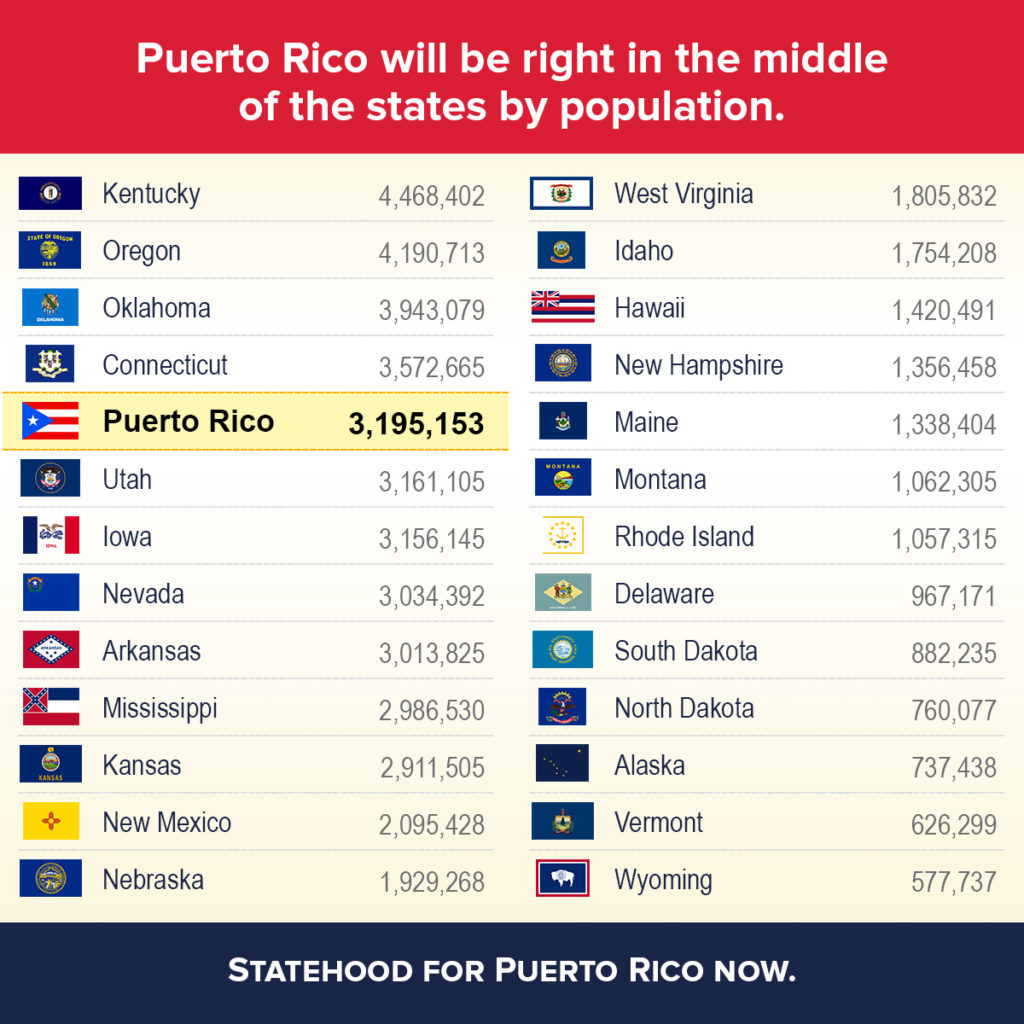
The Statehood Debate: Perspectives and Plebiscites
The question of statehood is not a new one; it has been a recurring theme in Puerto Rican political discourse for generations. It is a deeply divisive issue, with passionate advocates on all sides, reflecting the diverse aspirations and concerns of the island’s population.
Voices For and Against Statehood
Proponents of statehood argue that it would grant Puerto Ricans full political rights and responsibilities, finally providing them with voting representation in Congress and the ability to vote for the U.S. President. They believe that statehood would foster greater economic stability through increased federal funding, access to federal programs, and a clearer investment climate, potentially leading to stronger infrastructure and job creation. The pro-statehood New Progressive Party (PNP) consistently campaigns on this platform, emphasizing equality and an end to the “colonial” status.
Conversely, those who oppose statehood, including supporters of the current Commonwealth status or full independence, raise significant concerns. A primary worry is the potential loss of Puerto Rico’s unique cultural identity, fearing that statehood would force an assimilation that could dilute its vibrant Spanish-speaking heritage. There are also economic anxieties, such as the potential impact of federal income taxes on the local economy and residents, and whether the island’s unique tax incentives would be abolished. The Popular Democratic Party (PPD) generally supports an enhanced Commonwealth status, while the Puerto Rican Independence Party (PIP) advocates for complete sovereignty. The debate often involves discussions about language, with some fearing English could supplant Spanish as the primary language.

A History of Referendums
Over the decades, Puerto Rico has held numerous plebiscites or referendums to determine its future status. The results have historically been inconclusive, often complicated by boycotts from opposition parties or narrow margins. For instance, in 2012, a majority voted against the current Commonwealth status and for statehood in a two-part ballot, though the methodology was disputed. More recently, in 2020, a non-binding referendum showed 52.3% of voters in favor of statehood, but with low turnout and continued controversy surrounding the process. These votes, while indicative of public sentiment at the time, have yet to garner the decisive consensus and federal legislative action required to fundamentally alter Puerto Rico’s political standing. The ongoing nature of these referendums underscores the deep divisions and the persistent desire among many Puerto Ricans to resolve their island’s future definitively.
Puerto Rico Beyond Politics: A Traveler’s Paradise
While the political debate is undeniably important, it often recedes into the background for visitors, who are quickly captivated by Puerto Rico’s immense beauty, rich culture, and welcoming atmosphere. For anyone interested in travel, tourism, and lifestyle experiences, Puerto Rico is a destination that consistently delivers.
Enchanting Destinations and Cultural Treasures
Puerto Rico offers an incredibly diverse range of experiences, making it a dream destination for all types of travelers. The capital city of San Juan is a must-visit, especially the historic district of Old San Juan. Its cobblestone streets, vibrant pastel-colored buildings, and colonial architecture are a feast for the eyes. Here, visitors can explore iconic landmarks like El Morro (Castillo San Felipe del Morro) and Castillo de San Cristóbal, magnificent Spanish fortifications that tell tales of centuries past. These UNESCO World Heritage Sites offer breathtaking views of the Atlantic Ocean and are perfect for history buffs and photographers alike.
Beyond the urban charm, Puerto Rico boasts incredible natural wonders. El Yunque National Forest, the only tropical rainforest in the U.S. National Forest System, invites adventurers to hike its lush trails, swim in refreshing waterfalls, and marvel at its unique biodiversity. For beach lovers, the options are endless. Flamenco Beach on the island of Culebra is consistently ranked among the world’s best, renowned for its soft white sands and crystal-clear turquoise waters. On the main island, Luquillo Beach offers calm waters and local food kiosks, perfect for families. Another unparalleled experience is visiting one of Puerto Rico’s bioluminescent bays, such as Mosquito Bay in Vieques, where microorganisms light up the water at night, creating a magical, glowing spectacle. Other notable towns like Ponce, with its unique architecture and art museum, or Rincón, a popular surfing destination on the west coast, add to the island’s diverse appeal.

Accommodation and Lifestyle Choices
Puerto Rico’s hospitality sector is as varied as its landscapes, offering accommodation options to suit every taste and budget. For those seeking the epitome of luxury, resorts like Dorado Beach, a Ritz-Carlton Reserve and the St. Regis Bahia Beach Resort provide unparalleled amenities, private beaches, and world-class dining, catering to a sophisticated lifestyle. Boutique hotels, such as the elegant Hotel El Convento in Old San Juan, offer a blend of history and personalized service. Beyond traditional hotels, a thriving market for vacation rentals provides travelers with options for apartments, villas, and even long-term stays, ideal for those looking to immerse themselves more deeply in local life or for business travelers needing extended accommodation.
The island also caters to a wide array of lifestyles. Budget-conscious travelers can find charming guesthouses and local eateries, while families will appreciate kid-friendly resorts and numerous attractions. The culinary scene is a major draw, with traditional Puerto Rican dishes like savory mofongo, succulent lechón, and fresh seafood delighting palates. The vibrant local culture is expressed through lively music, dance, and festivals, providing an authentic and enriching experience for all visitors. The potential for statehood often comes up in discussions about the future of real estate and long-term residency, with some speculating that it could streamline relocation processes, though the direct impact remains a subject of debate.
The Economic Impact of Tourism
Tourism is a cornerstone of Puerto Rico’s economy, providing significant employment and revenue. The ease of travel for U.S. citizens—no passport required—makes it an attractive and accessible destination. The industry encompasses everything from hotels and resorts to local tour operators, restaurants, and craft vendors. The island’s stunning natural attractions, historical sites, and cultural events draw millions of visitors annually, whose spending supports countless local businesses. Political stability and a clear future status could either boost this sector by increasing investor confidence and infrastructure development or potentially introduce new complexities, depending on the specifics of any status change. Currently, the tourism board, Discover Puerto Rico, actively promotes the island’s diverse offerings, highlighting its resilience and readiness to welcome the world.
The Road Ahead: What Statehood Could Mean
The journey towards statehood is fraught with political hurdles and deeply embedded sentiments. Should Puerto Rico ever become the 51st state, the implications would be profound, touching every aspect of life on the island, from its economy to its cultural identity.
Potential Economic and Social Shifts
Economically, statehood could usher in significant changes. Full parity in federal funding for programs like Medicaid and welfare could dramatically improve social services and healthcare infrastructure. It could also lead to greater access to federal grants for education and infrastructure projects, potentially modernizing the island’s roads, ports, and power grid. Increased federal oversight might also bring more stability and transparency to governance. However, these benefits would likely come with the obligation of paying federal income taxes, which could impact the cost of living and business operations for residents and companies currently benefiting from certain tax exemptions. The preservation of Puerto Rican culture and the Spanish language would undoubtedly remain a key concern, with proponents of statehood often asserting that cultural identity can thrive within the larger American mosaic, much like other states with strong regional identities.
A Future Undecided
Ultimately, the decision of whether Puerto Rico becomes a state rests primarily with two entities: the people of Puerto Rico themselves, through a decisive and unequivocal vote, and the U.S. Congress, which holds the constitutional authority to admit new states. The path is not straightforward, requiring a clear mandate from the island’s residents and the political will in Washington D.C. to act upon it. The complexity of the issue, with its intertwining economic, social, and cultural threads, ensures that the debate will continue to be a defining feature of Puerto Rican life for the foreseeable future.
Regardless of its political destiny, Puerto Rico remains an extraordinary destination. Its unique blend of cultures, breathtaking landscapes, historical depth, and the enduring warmth of its people make it a truly special place to visit and explore. Whether as a Commonwealth or a state, the island’s vibrant spirit and unparalleled beauty will continue to captivate travelers from around the globe, offering a rich tapestry of experiences that transcend political discussions. So, while the question of statehood lingers, the invitation to discover Puerto Rico’s magic is unequivocally extended.
LifeOutOfTheBox is a participant in the Amazon Services LLC Associates Program, an affiliate advertising program designed to provide a means for sites to earn advertising fees by advertising and linking to Amazon.com. Amazon, the Amazon logo, AmazonSupply, and the AmazonSupply logo are trademarks of Amazon.com, Inc. or its affiliates. As an Amazon Associate we earn affiliate commissions from qualifying purchases.