
Embarking on a journey across California from the vibrant north to the sunny south promises an unforgettable adventure filled with diverse landscapes, iconic landmarks, and unique cultural experiences. One of the most common questions for travelers planning such a trip is: “How far is San Francisco from San Diego?” While the simple answer pertains to miles, the true distance is measured in the wealth of discoveries you’ll make along the way. This comprehensive guide will not only detail the mileage and travel times but also delve into the various modes of transport, recommended stops, and the unparalleled attractions awaiting you in both San Francisco and San Diego.
The Distance and Primary Routes
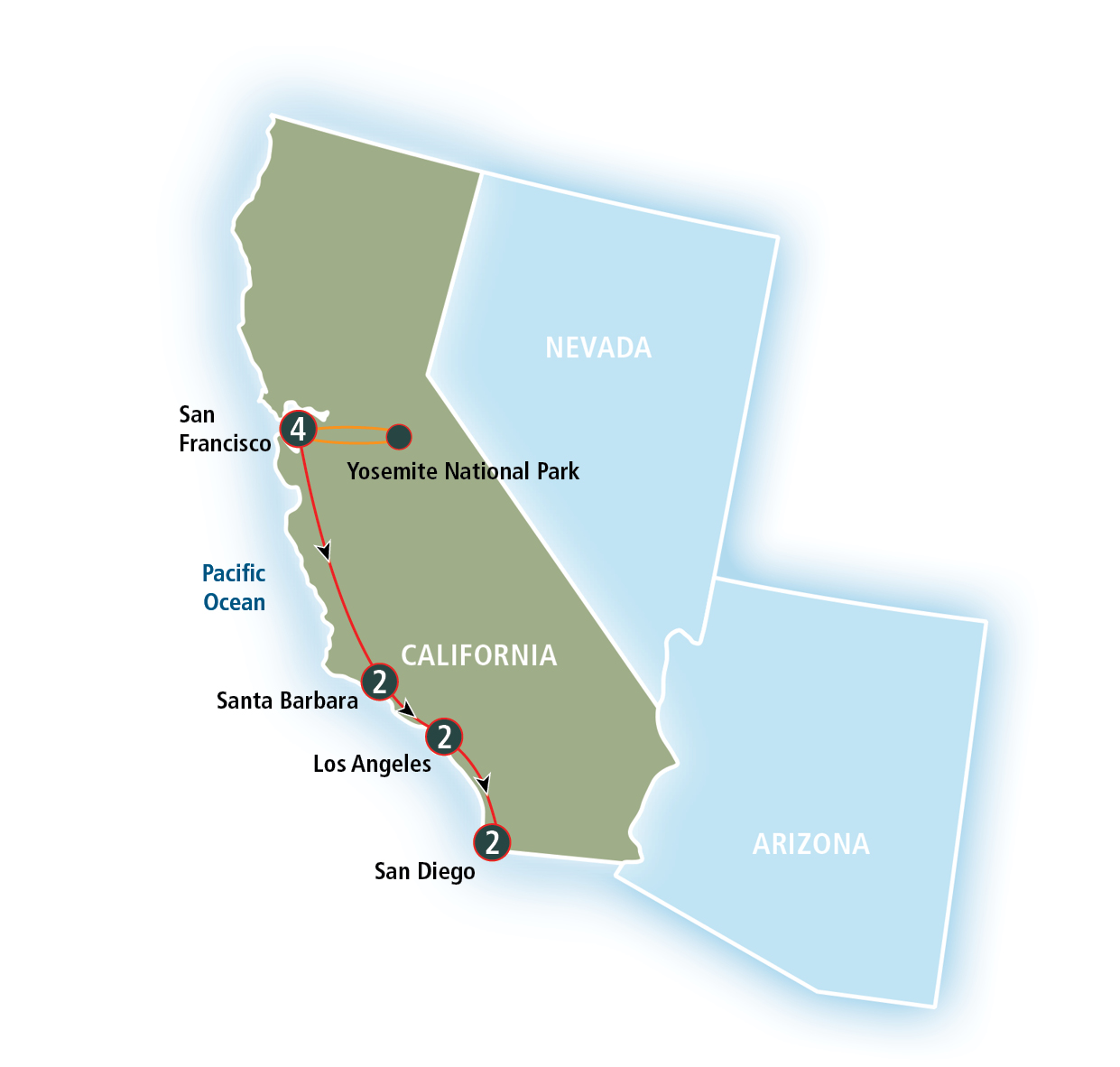
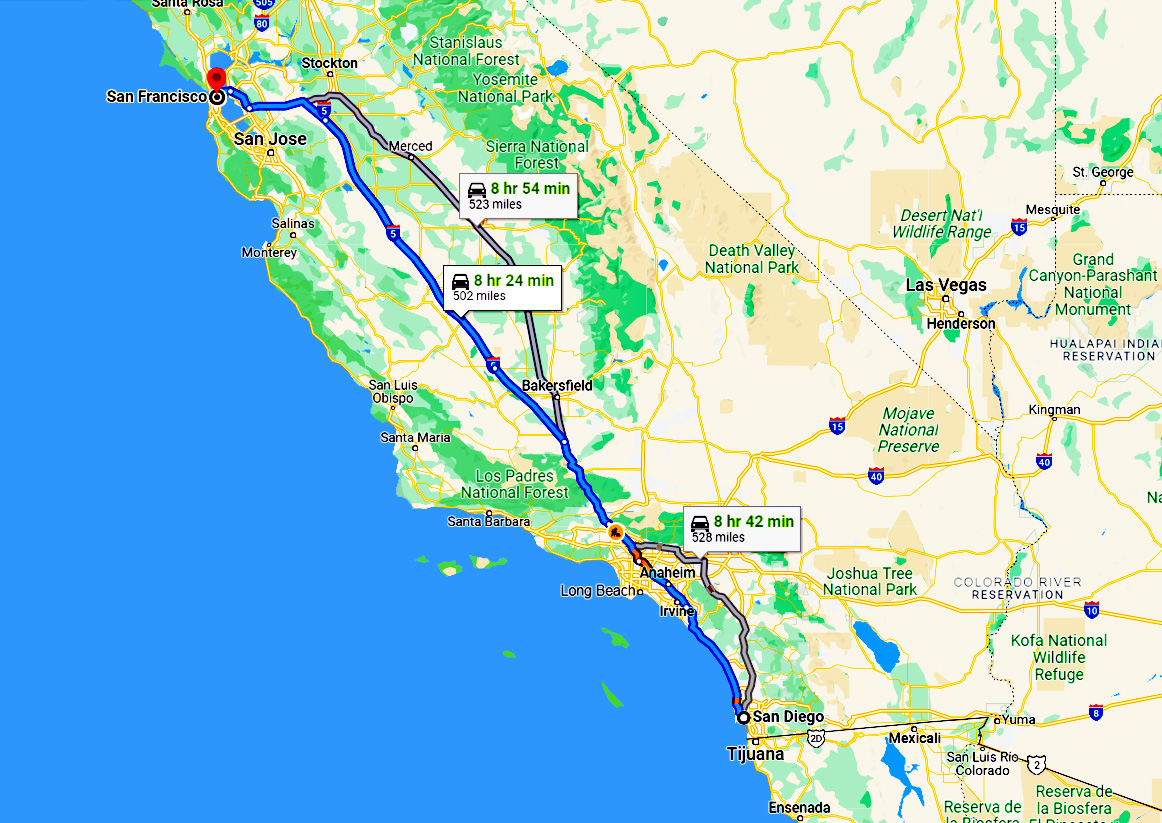
The direct distance between San Francisco and San Diego varies slightly depending on the exact starting and ending points within each sprawling city, but generally, it spans approximately 500 to 520 miles (805 to 837 kilometers). This significant stretch across the Golden State offers travelers a choice between two distinct driving experiences, each with its own charm and benefits.
Driving the Scenic Pacific Coast Highway (Highway 1)
For those who believe the journey is just as important as the destination, the Pacific Coast Highway (Highway 1) is an absolute must. This iconic route, renowned globally for its breathtaking ocean views, dramatic cliffs, and picturesque coastal towns, offers an unparalleled California road trip experience. While undeniably more scenic, it is also significantly slower.
Driving the entire Highway 1 from San Francisco to [San Diego](https://lifeoutofthebox.com/san- Diego) would typically take at least 10-12 hours of pure driving time. However, to truly appreciate its beauty and make worthwhile stops, planning for 2 to 5 days is highly recommended. You’ll want to pull over frequently at scenic overlooks, explore charming towns like Carmel-by-the-Sea and Santa Barbara, and perhaps even spend a night or two in places like Monterey or the awe-inspiring region of Big Sur. This route is less about speed and more about immersion in nature and coastal culture. Be aware that sections of Highway 1 can occasionally be closed due to landslides, especially during rainy seasons, so it’s wise to check road conditions before departing.
The Fastest Route via Interstate 5
If efficiency is your priority, then Interstate 5 (I-5) is the expressway between the two cities. This inland route largely bypasses the coast, making it the most direct and fastest option for covering the distance. Driving non-stop on I-5 will take approximately 7 to 8 hours, depending on traffic, especially when navigating through the sprawling Los Angeles metropolitan area.
While less scenic than Highway 1, I-5 is a straightforward, multi-lane highway designed for speed and convenience. It primarily passes through agricultural regions and smaller towns, offering a glimpse into California’s vast Central Valley. For those on a tight schedule or simply needing to get from point A to point B quickly, I-5 is the practical choice. It’s important to account for potential traffic delays, particularly during peak commuting hours around major cities like Los Angeles and Orange County.
Travel Options Between the Cities
Beyond driving your own vehicle or a rental car, several other modes of transport connect San Francisco and San Diego, each catering to different preferences for speed, cost, and comfort.
Driving: The Ultimate California Road Trip
As discussed, driving offers the most flexibility. Renting a car provides the freedom to explore at your own pace, make spontaneous stops, and carry luggage conveniently. Car rental costs can vary widely based on the vehicle type, rental duration, and season, ranging from $40-$100+ per day. Fuel costs will be significant given the distance, and factoring in potential tolls (especially around the San Francisco Bay Area and Los Angeles) and parking fees in cities is crucial for budgeting.
A road trip allows for diverse experiences, from exploring the rugged coastline of Big Sur and the charming towns of Santa Barbara to the bustling urban centers of Los Angeles and Orange County. This is ideal for family trips or those seeking an immersive travel experience, allowing for detours to attractions like Hearst Castle or even Disneyland in Anaheim.
Flying: The Quickest Way
For sheer speed, flying is unmatched. Non-stop flights between San Francisco International Airport (SFO) or Oakland International Airport (OAK) and San Diego International Airport (SAN) typically take around 1 hour and 30 minutes to 1 hour and 45 minutes. When you factor in travel to and from airports, security checks, and boarding, the total travel time usually comes out to about 4-5 hours.
Ticket prices can fluctuate significantly, from as low as $50-$70 for budget airlines and off-peak travel to $200+ for full-service carriers or last-minute bookings. While flying is fast, it sacrifices the scenic journey and flexibility of a road trip. It’s often the preferred method for business travelers or those with very limited time, especially since it avoids the potential traffic congestion of the major interstates.
Train Travel: A Scenic and Relaxing Journey
Train travel between San Francisco and San Diego offers a unique blend of comfort, scenic views, and relaxation. While there’s no direct train, you can combine two Amtrak routes: the Coast Starlight from the San Francisco Bay Area (Emeryville station) to Los Angeles and then the Pacific Surfliner from Los Angeles to San Diego.
The total journey, including the transfer in Los Angeles (Union Station), can take approximately 10-12 hours. While slower than driving I-5 and flying, train travel offers several advantages:
- Scenic Views: Especially the coastal stretch of the Pacific Surfliner, which runs right along the ocean.
- Comfort: More legroom than flying or driving, with dining cars and observation lounges.
- Relaxation: No driving stress, allowing passengers to work, read, or simply enjoy the landscape.
Ticket prices generally range from $60-$120+, depending on how far in advance you book and the class of service. This option is excellent for those who enjoy slow travel, panoramic views, and want to avoid the hassles of airports or heavy traffic.
Bus Travel: An Economical Choice
Bus services like Greyhound and FlixBus provide the most budget-friendly option for traveling between San Francisco and San Diego. The bus journey typically takes around 9-12 hours, with variations based on the number of stops and traffic conditions.
While generally less comfortable than train travel, modern buses often come equipped with Wi-Fi, power outlets, and reclining seats. Ticket prices are the most affordable, often starting from $30-$60. This is an ideal choice for backpackers, students, or anyone looking to minimize travel costs, although the long duration might be a trade-off for some.
What to See and Do Along the Way
No matter which mode of transport you choose, especially if you opt for driving or the train, the journey between San Francisco and San Diego is ripe for exploration.
Must-Stop California Destinations
- Monterey & Carmel-by-the-Sea: Just south of San Francisco, these charming coastal towns offer the famous Monterey Bay Aquarium, Cannery Row, and the picturesque 17-Mile Drive.
- Big Sur: A truly iconic stretch of Highway 1 with dramatic cliffs, redwood forests, and unparalleled ocean vistas. Don’t miss McWay Falls or hiking in Pfeiffer Big Sur State Park.
- Hearst Castle: A majestic estate offering a glimpse into early 20th-century luxury, perched atop a hill overlooking the Pacific Ocean.
- Santa Barbara: Known as the “American Riviera,” with its Spanish colonial architecture, stunning beaches, and a vibrant wine scene. The Stearns Wharf is a delightful spot for dining and ocean views.
- Los Angeles: A world city offering everything from the glitz of Hollywood and the luxury of Beverly Hills to the artistic vibes of Santa Monica and the surfing culture of Malibu beaches. Consider a stop at Universal Studios Hollywood or the Getty Center.
- Orange County: Home to world-class theme parks like Disneyland Resort in Anaheim, and beautiful beach cities such as Laguna Beach and Newport Beach.
Coastal Gems and Inland Wonders
The journey can be tailored to your interests. If you’re a nature lover, explore state parks and beaches. Foodies will delight in the diverse culinary scenes of various towns. History buffs can visit missions and historical sites along the route. For those who choose I-5, while less scenic, you can still plan detours to attractions in Los Angeles or Orange County, such as Disneyland, before reaching San Diego.
Exploring San Francisco: The Golden City
Before or after your journey south, immerse yourself in the unique charm of San Francisco. This iconic city, known for its fog, hills, and vibrant culture, offers an array of attractions that cater to every taste.
Iconic Landmarks and Vibrant Neighborhoods
- Golden Gate Bridge: No visit to San Francisco is complete without seeing and perhaps walking or biking across this engineering marvel.
- Alcatraz Island: Take a ferry to explore the infamous former federal prison, offering fascinating history and stunning Bay views.
- Fisherman’s Wharf & Pier 39: Bustling tourist hubs where you can enjoy fresh seafood, watch the sea lions, and browse unique shops.
- Lombard Street: The “most crooked street in the world” is a fun stop for photos.
- Chinatown: The oldest Chinatown in North America offers a rich cultural experience with its vibrant markets, temples, and authentic cuisine.
- Cable Cars: Hop on one of the historic cable cars for an authentic San Francisco experience and fantastic city views.
- Golden Gate Park: A massive urban oasis housing museums, gardens, and recreational spaces.
Culinary Delights and Accommodation
San Francisco is a foodie paradise, from Michelin-starred restaurants to casual eateries. Don’t miss trying clam chowder in a sourdough bread bowl, a Mission-style burrito, or exploring the diverse culinary scenes in neighborhoods like the Mission District, North Beach, or Hayes Valley.
Accommodation options range from luxurious hotels in Union Square and Nob Hill to charming boutique hotels in Pacific Heights and more budget-friendly guesthouses. For a unique stay, consider apartments or villas available for longer visits, catering to both luxury travel and budget-conscious adventurers.
Discovering San Diego: America’s Finest City
At the southern end of your journey lies San Diego, known for its pleasant weather, stunning beaches, and laid-back atmosphere. It’s a city that seamlessly blends natural beauty with vibrant urban life.
Beaches, Balboa Park, and Beyond
- Balboa Park: A cultural gem, this sprawling urban park is home to numerous museums, performing arts venues, gardens, and the world-famous San Diego Zoo.
- Beaches: San Diego boasts some of California’s most beautiful beaches. Coronado Beach is consistently ranked among the best, while [La Jolla Shores](https://lifeoutofthebox.com/la-jolla- Shores) and Pacific Beach offer great surfing and sunbathing. Don’t forget to visit the seals and sea lions at La Jolla Cove.
- Gaslamp Quarter: The historic heart of downtown San Diego, famous for its Victorian architecture, lively nightlife, diverse restaurants, and entertainment.
- Old Town San Diego State Historic Park: Step back in time to the birthplace of California, exploring historic buildings, museums, and Mexican marketplaces.
- USS Midway Museum: A floating museum on a real aircraft carrier, offering an incredible historical experience.
Family Fun and Luxurious Stays
San Diego is incredibly family-friendly, with attractions like LEGOLAND California (just north in Carlsbad), SeaWorld San Diego, and the San Diego Zoo Safari Park. The city’s culinary scene is vibrant, especially known for its Mexican food (taco shops abound!), fresh seafood, and craft beer breweries. Explore Little Italy for fantastic Italian fare or Del Mar for upscale dining with ocean views.
Accommodation in San Diego caters to all budgets and lifestyles. You can find luxurious beachfront resorts in Coronado or La Jolla, modern downtown hotels near the Gaslamp Quarter, or family-friendly suites close to major attractions. Many hotels offer amenities like pools, spas, and stunning views, perfect for a relaxing getaway or an action-packed family vacation.
Planning Your Journey: Tips for an Unforgettable Trip
Whether you’re planning a quick hop or an extended exploration, a few tips can enhance your journey from San Francisco to San Diego.
Best Time to Travel
California generally enjoys pleasant weather year-round, but the shoulder seasons (spring and fall) are often considered the best times to travel.
- Spring (April-May): Mild temperatures, blooming wildflowers, and fewer crowds than summer.
- Fall (September-October): Warm, clear days, especially in San Francisco (often its sunniest season), and perfect for coastal drives.
- Summer (June-August): Popular but crowded, with higher prices for flights and accommodation. Expect “June Gloom” in coastal areas of Southern California (overcast mornings that burn off by afternoon).
- Winter (November-March): Cooler temperatures and a higher chance of rain, but fewer tourists and often lower prices. Ideal for whale watching in San Diego.
Budgeting and Accommodation Choices
- Book in Advance: Especially during peak season or holidays, securing flights, train tickets, rental cars, and accommodation well in advance can save you money and ensure availability.
- Consider Your Lifestyle: If you’re on a budget, look into bus travel, staying in hostels or budget hotels, and cooking some of your meals. For luxury travel, explore premium suites, resorts with extensive amenities, and fine dining experiences. Family trips might benefit from apartments or hotels with kitchenettes.
- Flexibility is Key: If your schedule allows, being flexible with your travel dates can lead to significant savings on transport and lodging.
- Navigation and Connectivity: Download offline maps for areas with spotty cell service, especially along parts of Highway 1 or in remote natural parks. Consider a portable Wi-Fi hotspot if constant connectivity is crucial for your lifestyle or business stays.
The journey from San Francisco to San Diego offers a microcosm of California’s diverse beauty and culture. While the distance is substantial, the options for covering it are plentiful, each promising a unique experience. Whether you choose the speed of a flight, the relaxation of a train, the economy of a bus, or the unparalleled adventure of a road trip, you’re set for an incredible exploration of the Golden State’s finest cities and the treasures that lie between them.
LifeOutOfTheBox is a participant in the Amazon Services LLC Associates Program, an affiliate advertising program designed to provide a means for sites to earn advertising fees by advertising and linking to Amazon.com. Amazon, the Amazon logo, AmazonSupply, and the AmazonSupply logo are trademarks of Amazon.com, Inc. or its affiliates. As an Amazon Associate we earn affiliate commissions from qualifying purchases.