
Planning a trip to the vibrant city of San Francisco is an exciting prospect, filled with visions of iconic landmarks, diverse culinary experiences, and breathtaking scenery. However, like any journey, a smooth visit often hinges on understanding the practicalities, and one of the most fundamental for any traveler is the local time zone. Knowing “What Time Zone Is San Francisco?” isn’t just about setting your watch; it’s crucial for everything from booking flights and tours to managing jet lag and coordinating with loved ones back home. This comprehensive guide will illuminate San Francisco’s time zone, explore its implications for travelers, and offer invaluable tips to ensure your visit to this magnificent California metropolis is as enjoyable and stress-free as possible. From conquering jet lag to optimizing your itinerary, we’ll delve into how time zones intersect with travel, accommodation, tourism, and the unique lifestyle experiences that await you in the Golden Gate City.
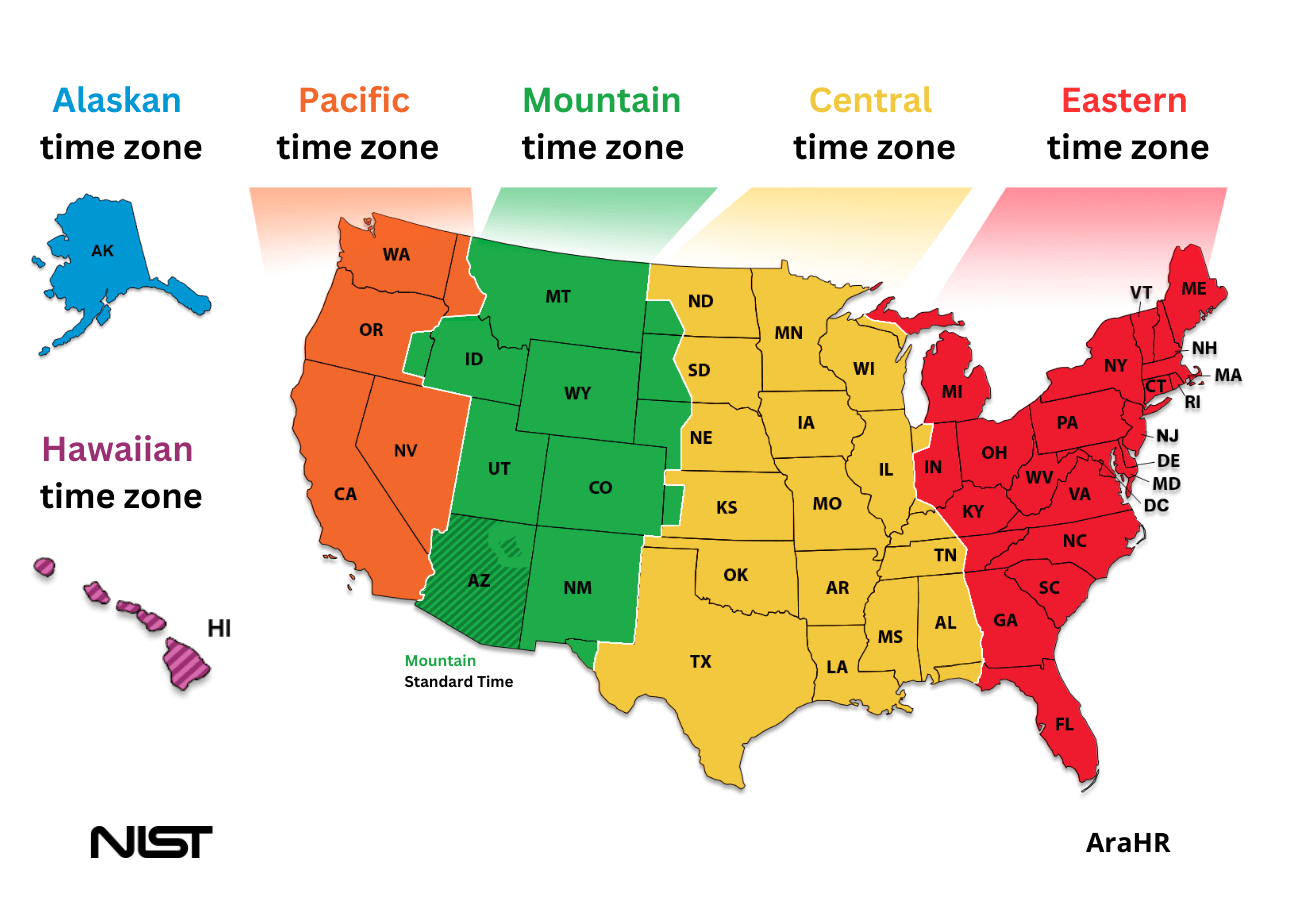
Decoding San Francisco’s Time Zone: PST and PDT Explained
At its core, understanding San Francisco’s time zone is straightforward: it observes Pacific Time. However, like much of the United States, this comes with a seasonal distinction due to Daylight Saving Time.
The Basics: Pacific Standard Time (PST)
For a significant portion of the year, from early November to mid-March, San Francisco operates on Pacific Standard Time (PST). This time zone is UTC-8, meaning it is eight hours behind Coordinated Universal Time. During this period, when the days are shorter and evenings grow longer, the clock is adjusted to maximize daylight during the working hours, a convention observed across many parts of North America. For travelers arriving from other continents, particularly those east of the Atlantic, this eight-hour difference can be substantial, necessitating careful planning to minimize the effects of jet lag. Flights arriving into San Francisco International Airport (SFO) during PST will adhere to this timing for all their operations, from landing schedules to ground transportation.
Embracing Daylight Saving: Pacific Daylight Time (PDT)
As spring arrives, typically in the second Sunday of March, San Francisco springs forward an hour, transitioning to Pacific Daylight Time (PDT). This adjustment shifts the time zone to UTC-7, making it seven hours behind Coordinated Universal Time. PDT remains in effect until the first Sunday in November, encompassing the entirety of spring, summer, and early autumn – arguably the most popular times to visit the city. The purpose of Daylight Saving Time is to extend daylight into the evening, providing more hours for outdoor activities, tourism, and leisure pursuits. For tourists, this means more daylight to explore attractions like the Golden Gate Bridge, Alcatraz Island, and the vibrant neighborhoods without feeling rushed by an early sunset. The extra hour of daylight can significantly enhance the travel experience, allowing for longer sightseeing days and more relaxed evenings.
Navigating Time Across the Golden Gate: Practical Tips for Travelers
Understanding PST and PDT is the first step; the next is applying this knowledge to optimize your travel experience. From managing your body clock to scheduling your adventures, time zone awareness is a cornerstone of smart travel planning.
Conquering Jet Lag: Strategies for a Smooth Transition
Jet lag can significantly impact the initial days of your trip, turning excitement into exhaustion. When traveling to San Francisco from a significantly different time zone, particularly eastward, proactive measures are key.
- Pre-adjustment: A few days before your trip, gradually adjust your sleep schedule by going to bed and waking up earlier or later, depending on your direction of travel.
- Hydration and Nutrition: Stay well-hydrated before, during, and after your flight. Avoid excessive alcohol and caffeine, which can disrupt sleep patterns. Eating light, healthy meals can also aid your body’s adjustment.
- Embrace Natural Light: Upon arrival, expose yourself to natural sunlight, especially in the morning. This helps reset your circadian rhythm. Head straight out to explore Golden Gate Park or take a stroll along Fisherman’s Wharf.
- Strategic Sleep: Try to resist napping for too long on your first day. If you must nap, keep it short (20-30 minutes) to avoid deepening the effects of jet lag. Aim to go to bed at a reasonable local time.
- Comfortable Accommodation: Choosing the right hotel or accommodation can also aid in fighting jet lag. Look for rooms with blackout curtains, comfortable bedding, and quiet environments. Many premium hotels in San Francisco, such as The Ritz-Carlton, San Francisco or Hotel Vitale, are designed with guest comfort in mind, offering amenities that can help you unwind and rest effectively.
Planning Your Itinerary: Time-Sensitive Activities and Bookings
Many of San Francisco’s most sought-after experiences are time-sensitive and often require advance booking. Miscalculating the local time can lead to missed opportunities.
- Alcatraz Island Tours: This immensely popular attraction often sells out weeks, if not months, in advance. Ensure you book your ferry departure time and factor in travel to Pier 33 well in advance.
- Restaurant Reservations: San Francisco is a foodie paradise. From Michelin-starred establishments to popular local eateries in the Mission District or North Beach, desirable dining times often require reservations, especially on weekends. Double-check opening and closing times.
- Museums and Attractions: While many museums like the California Academy of Sciences or the San Francisco Museum of Modern Art (SFMOMA) have standard operating hours, specific exhibits or guided tours might have timed entry. Always check their official websites.
- Public Transportation: While the Muni system, including its iconic Cable Cars, operates extensively, understanding peak hours and schedules can save you time. Early morning and late evening typically see reduced frequency.
- Business Meetings and Conferences: For business travelers, punctuality is paramount. Always confirm meeting times in PST/PDT to avoid any miscommunication with local colleagues or clients in Silicon Valley or downtown San Francisco.
Staying Connected: Communication Across Time Zones
Whether you’re traveling for leisure or business, staying in touch with family, friends, or colleagues back home requires careful consideration of time differences.
- Family and Friends: Inform your loved ones about San Francisco’s time zone relative to theirs. Schedule calls or video chats during mutually convenient hours to avoid disturbing anyone’s sleep.
- Business Communications: If you need to communicate with teams in different time zones, establish clear windows for interaction. Tools like world clock apps are invaluable for quickly calculating time differences.
- International Calls: Be mindful of the large time difference with countries in Europe, Asia, or Australia. A morning call in San Francisco could be late evening or even the next day in another part of the world.
Exploring San Francisco: A Timeless City of Wonders
Beyond the clock, San Francisco offers an array of experiences that cater to every taste, whether you have a few hours or several days to explore. Understanding the best times to visit specific attractions can enhance your overall experience.
Iconic Landmarks and Must-See Attractions
San Francisco is brimming with world-renowned landmarks, many of which are best experienced at certain times of day.
- The Golden Gate Bridge: Early mornings often offer clearer views before the famous fog rolls in. Sunset provides a magical backdrop, but be prepared for crowds. Consider renting a bike and cycling across to Sausalito for stunning views.
- Pier 39 and Fisherman’s Wharf: Lively throughout the day, these areas are best enjoyed in the late morning or early afternoon. Catch the sea lions basking in the sun at Pier 39, or grab a sourdough bread bowl with clam chowder.
- Lombard Street (The Crookedest Street): While you can visit any time, midday usually sees the most traffic. For a quieter experience and better photo opportunities, aim for early mornings.
- Coit Tower: Offers panoramic views of the city. Arrive early to avoid long lines for the elevator, especially during peak tourist season.
- Union Square: The heart of shopping and entertainment. Spend an afternoon browsing luxury boutiques and department stores, or enjoy a performance at a nearby theater in the evening.
- Golden Gate Park: A sprawling urban oasis. Dedicate at least half a day to explore its gardens, museums (de Young Museum, California Academy of Sciences), and lakes. Some attractions within the park have specific opening hours.
- The Presidio National Park: Offering hiking trails, historic sites, and incredible views of the Golden Gate Bridge. It’s a great spot for an afternoon picnic or a leisurely walk.
Culinary Delights and Vibrant Neighborhoods
San Francisco’s culinary scene is as diverse as its population, with distinct flavors found in its many neighborhoods.
- Chinatown: The oldest Chinatown in North America comes alive in the late morning and afternoon. Explore bustling markets, authentic dim sum restaurants, and ornate temples.
- Mission District: Renowned for its vibrant murals, excellent Mexican food (especially burritos!), and trendy cafes. Evenings here are lively, with many bars and restaurants open late.
- North Beach: San Francisco’s Little Italy offers fantastic Italian cuisine, lively bars, and historical beatnik literary spots. It’s a perfect neighborhood for a relaxed evening meal.
- Ghirardelli Square: A historic landmark transformed into a vibrant marketplace, famous for its Ghirardelli chocolate. Great for a sweet treat or souvenir shopping in the afternoon.
- Ferry Building Marketplace: A hub for gourmet food, local produce, and artisanal goods. Best visited in the morning or early afternoon, especially on farmers’ market days.
Accommodation Choices for Every Traveler
Selecting the right accommodation is critical for comfort and convenience. San Francisco boasts an impressive range of options, from luxurious resorts to cozy boutique hotels and practical apartments, catering to diverse budgets and preferences.
- Luxury Travel: For those seeking indulgence, hotels like The St. Regis San Francisco, Mandarin Oriental San Francisco, or The Palace Hotel offer unparalleled service, exquisite dining, and prime locations, often near Union Square or the Financial District. Amenities such as spas, fine dining, and concierge services cater to a high-end lifestyle.
- Boutique Charm: Properties like Hotel Vitale along the Embarcadero or Hotel Zeppelin San Francisco offer unique character and personalized experiences, often reflecting the local culture and artistic flair.
- Budget-Friendly Options: While San Francisco can be an expensive city, budget-conscious travelers can find excellent value in areas slightly outside the main tourist hubs, or by choosing hostels and guesthouses.
- Apartments and Villas: For longer stays, family trips, or those preferring a more independent experience, booking a serviced apartment or vacation rental offers home-like comfort and often includes kitchen facilities, which can be a budget-saver. Websites for accommodation booking and comparison are invaluable here.
Remember to consider check-in and check-out times, which are always set to San Francisco’s local time. If arriving on an early flight after a long journey, inquire about early check-in options or luggage storage to start your exploration without delay.
Beyond the Clock: Embracing San Francisco’s Lifestyle and Experiences
Understanding time zones goes beyond logistics; it allows you to truly immerse yourself in San Francisco’s unique rhythm and lifestyle.
From Business to Leisure: Tailoring Your San Francisco Experience
San Francisco is a city that seamlessly blends high-tech innovation with laid-back California charm, catering to diverse travel motivations.
- Business Stays: For professionals visiting San Francisco or Silicon Valley, time management is paramount. Early morning meetings often mean waking up when your body thinks it’s the middle of the night. Choosing hotels with excellent business facilities, high-speed internet, and convenient access to corporate hubs is key. Many downtown hotels like the Hyatt Regency San Francisco or the Marriott Marquis San Francisco are perfectly suited for business travelers.
- Family Trips: Traveling with children requires meticulous planning around their schedules. Early bedtimes and morning wake-ups are non-negotiable for many families. Luckily, San Francisco offers numerous family-friendly attractions like the Exploratorium and California Academy of Sciences, which are enjoyable for all ages.
- Luxury Travel and Romantic Getaways: For couples seeking a romantic escape or travelers desiring a luxurious experience, San Francisco delivers. Enjoy a sunset cruise on the bay, a gourmet dinner in a Michelin-starred restaurant, or a wine tasting tour to nearby Napa Valley or Sonoma Valley. Time allows for leisurely mornings and sophisticated evenings.
- Budget Travel: Savvy travelers can make the most of their budget by utilizing public transport, exploring free attractions like the Golden Gate Bridge (walking or cycling) and many of San Francisco’s parks, and opting for affordable eats in neighborhoods like the Mission District.
The Best Time to Visit: Seasonal Considerations
While San Francisco is captivating year-round, your preferred activities might align better with specific seasons, which also correlate with PST/PDT.
- Summer (June-August): Surprisingly, San Francisco’s summers are often cool and foggy, especially in the mornings. This is peak tourist season, meaning larger crowds and higher accommodation prices. However, it’s also when PDT is in effect, offering longer daylight hours for exploration. Events like the San Francisco Pride Parade draw massive crowds.
- Autumn (September-November): Often considered the best time to visit. The famous San Francisco fog tends to recede, revealing clearer, warmer days. This period sees the transition from PDT to PST. Less crowded than summer, it’s ideal for outdoor activities and enjoying the city’s natural beauty. Major cultural events like the San Francisco Film Festival take place.
- Winter (December-February): Cooler and wetter, but typically mild compared to other parts of the United States. This is PST. Holiday decorations add a festive charm, and museums and indoor attractions are less crowded. It’s a great time for cozy experiences and enjoying the city’s vibrant food scene.
- Spring (March-May): As the city transitions from PST to PDT, days get longer and temperatures rise. Flowers bloom in Golden Gate Park, and the weather becomes increasingly pleasant. It’s an excellent shoulder season for a visit, balancing good weather with fewer crowds than summer.
In conclusion, understanding San Francisco’s time zone — whether it’s Pacific Standard Time (PST) or Pacific Daylight Time (PDT) — is far more than a technical detail. It’s a foundational element of seamless travel planning that impacts everything from flight schedules and hotel check-ins to managing jet lag and maximizing your exploration of this iconic California destination. By considering the practical implications and leveraging the tips outlined here, you can ensure your trip to San Francisco is not only unforgettable but also perfectly in sync with your dreams. So set your watch, embrace the local rhythm, and prepare to discover the timeless allure of the Golden Gate City.
LifeOutOfTheBox is a participant in the Amazon Services LLC Associates Program, an affiliate advertising program designed to provide a means for sites to earn advertising fees by advertising and linking to Amazon.com. Amazon, the Amazon logo, AmazonSupply, and the AmazonSupply logo are trademarks of Amazon.com, Inc. or its affiliates. As an Amazon Associate we earn affiliate commissions from qualifying purchases.