
Embarking on a journey from the vibrant Emerald City of Seattle, Washington State, to the stunning coastal metropolis of Vancouver, British Columbia, Canada, is a classic North American adventure. Whether you’re planning a quick weekend getaway, a family vacation, or a business trip, understanding the distance, travel times, and various transportation options is key to a seamless and enjoyable experience. This comprehensive guide will not only answer the fundamental question of “how far” but also delve into the nuances of cross-border travel, offering insights into routes, modes of transport, and essential tips to help you make the most of your journey.
The Journey Unveiled: Distance and Driving Time
The direct route between Seattle and Vancouver is a relatively straightforward one, primarily following major highways. However, the actual time it takes can fluctuate significantly based on several factors.
The Direct Route: Miles and Kilometers
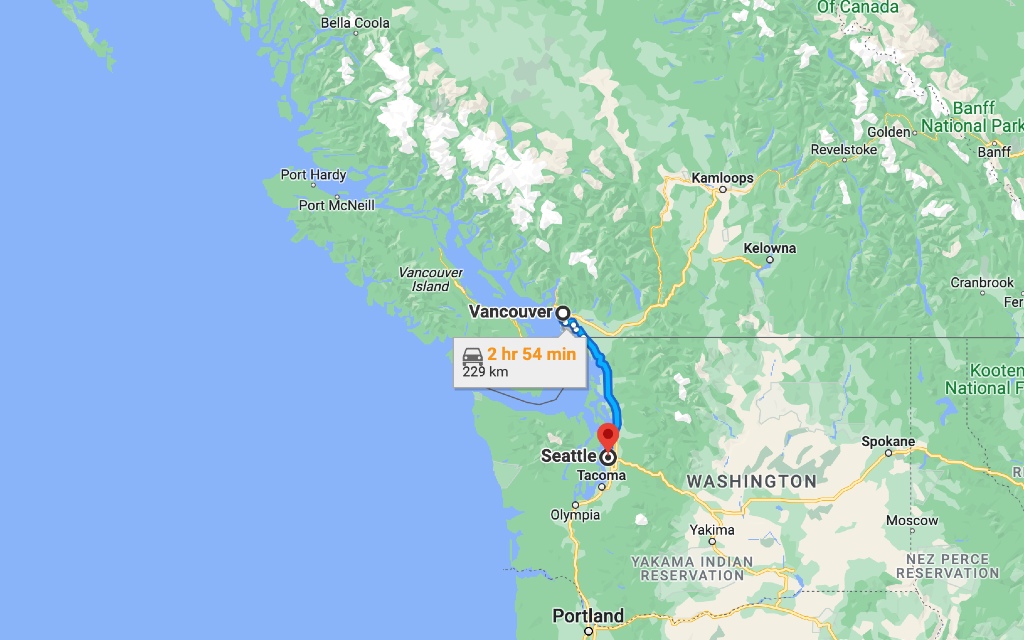
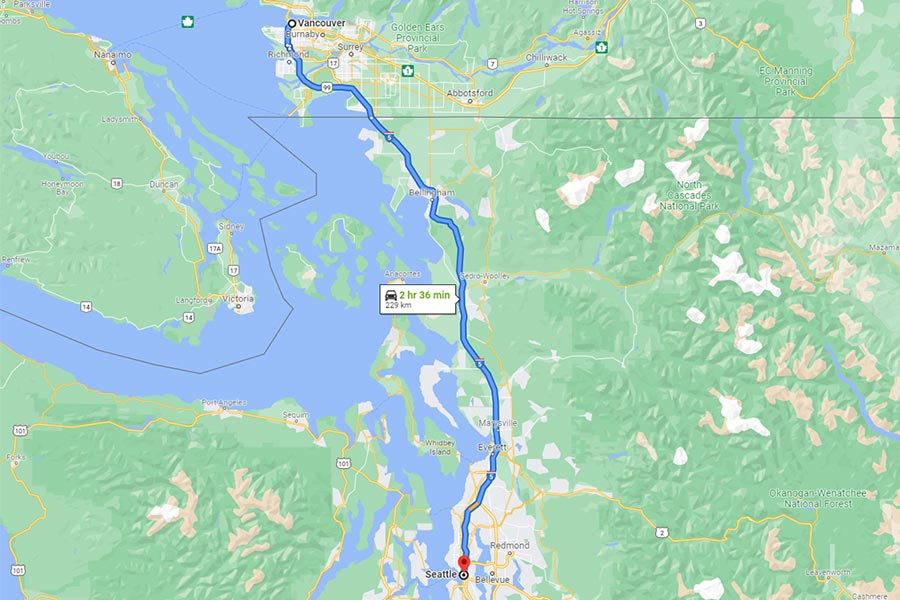
The approximate driving distance from downtown Seattle to downtown Vancouver is around 140 miles (225 kilometers). This is the most common measurement for travelers looking to quickly gauge the extent of their road trip. While seemingly a moderate distance, the specifics of your start and end points within each city can add a few extra miles or kilometers. For instance, if you’re departing from the northern suburbs of Seattle or heading to the southern reaches of Vancouver, the actual distance might be slightly less. Conversely, if you’re navigating from Seattle-Tacoma International Airport (SEA) to Vancouver International Airport (YVR), the route might involve different arterial roads, but the overall distance remains in this general ballpark.
Factors Influencing Your Driving Time
While the mileage is a fixed number, the time spent traversing it is far from static. A typical drive, under ideal conditions, can take approximately 2.5 to 3 hours. However, rarely are conditions “ideal.” Here’s what can influence your actual travel time:
- Traffic: This is arguably the biggest variable. Both Seattle and Vancouver are bustling cities, and their surrounding areas, particularly along the I-5 corridor, are prone to rush-hour congestion. Traveling during peak times (morning and evening commutes on weekdays) can easily add an hour or more to your journey. Weekends can also see increased traffic, especially on Friday afternoons/evenings and Sunday afternoons.
- Border Crossing Wait Times: This is a critical factor for any cross-border trip. Wait times at the various U.S. Customs and Border Protection and Canadian Border Services Agency checkpoints can range from a mere 15-20 minutes during off-peak hours to several hours during holidays, long weekends, or unexpected closures. We’ll delve deeper into border crossing strategies shortly.
- Road Conditions and Weather: The Pacific Northwest is known for its rainy weather, especially outside of summer. Heavy rain, fog, or even occasional snow in the winter months can slow down traffic considerably. Construction zones can also create temporary bottlenecks.
- Stops and Detours: If you’re planning a scenic road trip, factoring in time for stops for gas, food, or simply to enjoy the views will naturally extend your travel time. Popular detours, like a stop in Bellingham or a quick visit to the Canadian side of Peace Arch Park, can enhance the experience but require additional time.
Considering all these variables, it’s prudent to budget at least 4 to 5 hours total travel time when driving from Seattle to Vancouver, especially if your schedule is tight. This buffer will account for most common delays and ensure a more relaxed journey.
Navigating the Border: A Crucial Step
Crossing the international border between the United States and Canada is a fundamental part of this trip, regardless of your chosen mode of transportation. Being prepared is essential for a smooth experience.
Essential Documentation
Every traveler, including children, must have the proper identification to enter Canada from the U.S. and to re-enter the U.S..
- Passport: A valid passport is the most universally accepted and recommended document for international travel. Ensure it’s current and won’t expire during your trip.
- NEXUS Card: For frequent travelers, a NEXUS Card is invaluable. This trusted traveler program significantly speeds up border crossings, often allowing access to dedicated lanes with much shorter wait times. Both U.S. and Canadian citizens and permanent residents can apply.
- Enhanced Driver’s License (EDL) or U.S. Passport Card: For U.S. citizens, an EDL (available in some states like Washington) or a U.S. Passport Card is acceptable for land and sea travel into Canada and back. These are more convenient than a full passport book if you’re not flying.
- Permanent Resident Card: U.S. Green Card holders will need their Permanent Resident Card and a passport from their country of citizenship.
- Visa Requirements: Non-U.S. and non-Canadian citizens may require a visa or an Electronic Travel Authorization (eTA) to enter Canada. It’s crucial to check the latest requirements well in advance of your trip.
- Children: If traveling with minors without both parents, have a consent letter from the absent parent(s) and a copy of their passport or ID.
Streamlining Your Crossing Experience
Minimize delays by following these tips:
- Check Wait Times: Before you leave, check official border wait time websites (e.g., U.S. Customs and Border Protection and Canadian Border Services Agency). This allows you to choose the least congested crossing.
- Border Crossings: The main crossings are:
- Peace Arch Border Crossing: The most popular and direct route, often the busiest.
- Pacific Highway Border Crossing (also known as Douglas): Slightly to the east, often used by commercial traffic, but can be a good alternative to Peace Arch.
- Aldergrove Border Crossing (Lynden/Aldergrove): Further east, generally less busy, good if you’re heading to the Fraser Valley or don’t mind a slight detour.
- Declare Everything: Be honest and declare all goods, including alcohol, tobacco, and any food items. Undeclared items can lead to fines and delays.
- Know Your Purpose: Be prepared to clearly state the purpose of your visit (tourism, business, visiting family) and your expected length of stay.
- Prohibited Items: Be aware of items restricted or prohibited from crossing, such as firearms, certain agricultural products, and cannabis (even if legal in Washington and British Columbia, it’s illegal to transport across international borders).
Choosing Your Path: Modes of Transportation
Beyond driving, several other transportation options connect Seattle and Vancouver, each offering a distinct experience and catering to different travel styles and budgets.
Driving: The Ultimate Road Trip Adventure
Estimated Time: 2.5 – 3 hours (without significant traffic/border waits)
Cost: Gas, car rental (if applicable), potential tolls.
Driving offers unparalleled flexibility, allowing you to stop whenever and wherever you please. It’s ideal for those who love spontaneous detours, are traveling with significant luggage, or are on a family trip.
- The Route: The most direct route involves taking I-5 North from Seattle all the way to the Canadian border. Once you cross into Canada, I-5 becomes Highway 99, which leads directly into downtown Vancouver.
- Car Rentals: If you don’t own a car or prefer not to use yours, numerous rental car agencies are available in Seattle. Be sure to inform them of your intent to drive into Canada, as some agencies require specific documentation or have restrictions on cross-border travel. Confirm that your rental agreement includes unlimited mileage and that insurance coverage extends to Canada.
- Fuel and Currency: Gas prices can differ between the U.S. and Canada, and Canadian gas is sold by the liter. Credit cards are widely accepted on both sides, but it’s wise to have some Canadian cash for smaller purchases or emergencies.
Bus Travel: Economical and Convenient
Estimated Time: 3.5 – 5 hours (including border stop)
Cost: Starting from $25-50 USD one-way.
Bus services provide a cost-effective way to travel between the two cities, perfect for budget travelers or those who prefer to sit back and relax. The bus handles all the navigation and border crossing logistics.
- Major Operators:
- Greyhound: A long-standing operator offering multiple daily departures.
- FlixBus: A newer player in the North American market, often providing competitive pricing and modern coaches.
- Quick Shuttle: Specializes in the Seattle-Vancouver route, offering pick-up/drop-off directly at Seattle-Tacoma International Airport, downtown Seattle hotels, and Vancouver International Airport, in addition to downtown Vancouver locations.
- Border Crossing on Bus: When the bus reaches the border, all passengers must disembark with their luggage and go through customs and immigration inspection. This process can add significantly to the overall travel time, but typically the bus driver provides clear instructions.
- Comfort: Modern coaches usually offer amenities like Wi-Fi, power outlets, and restrooms, making the journey relatively comfortable.
Train Journey: A Scenic Alternative
Estimated Time: Approximately 4 hours (including border stop)
Cost: Starting from $30-60 USD one-way.
The Amtrak Cascades route offers one of the most picturesque ways to travel between Seattle and Vancouver. The train journey hugs the coastline for much of the way, providing stunning views of Puget Sound and the surrounding natural beauty.
- Route and Stations: The train departs from King Street Station in Seattle and arrives at Pacific Central Station in Vancouver. Both stations are conveniently located near their respective downtown cores and public transport hubs.
- Onboard Experience: Amtrak Cascades trains are known for their comfortable seating, large windows, a bistro car offering food and beverages, and often Wi-Fi access. It’s a relaxed way to travel, free from the stresses of driving or navigating airports.
- Border Crossing on Train: Similar to bus travel, customs and immigration procedures are typically conducted either onboard the train or at a designated stop before arrival in Vancouver. Passengers will need to present their documents to border officials.
- Booking: It’s advisable to book Amtrak Cascades tickets in advance, especially during peak seasons, as popular times can sell out.
Flying: The Quickest Link
Estimated Time: Flight time is about 1 hour, but total travel time including airport procedures is 3-5 hours.
Cost: Varies widely, from $100-$300+ USD round-trip depending on booking time and airline.
While the actual flight time is minimal, flying involves airport check-ins, security, and transportation to/from airports, which can add significant time to your journey. It’s generally the most expensive option for this route unless you find a rare deal.
- Airports: You’ll fly from Seattle-Tacoma International Airport (SEA) to Vancouver International Airport (YVR). Both are major international hubs.
- Airlines: Major airlines like Alaska Airlines, Air Canada, and sometimes regional carriers operate this route.
- Pros and Cons: Flying is undoubtedly the fastest way to cover the geographic distance. However, for a relatively short distance like Seattle to Vancouver, the overhead time spent at airports often makes it less efficient than driving or taking the train, especially when considering the downtown-to-downtown experience. It’s usually only recommended if you prioritize speed above all else or are connecting from a longer flight.
- Customs Pre-clearance: Vancouver International Airport (YVR) offers U.S.. Customs and Border Protection pre-clearance, meaning you go through U.S.. customs before boarding your flight to the U.S.. This can save time upon arrival in Seattle but still requires time at YVR.
Beyond the Journey: What Awaits in Vancouver
Once you’ve successfully navigated the distance and border, the captivating city of Vancouver unfolds before you. A truly international city, it offers a harmonious blend of urban sophistication and breathtaking natural beauty, aligning perfectly with the travel, tourism, and lifestyle aspects of your journey.
Exploring Vancouver’s Vibrant Charms
Vancouver is renowned for its diverse neighborhoods, culinary scene, and outdoor activities.
- Stanley Park: An urban oasis larger than New York’s Central Park, offering miles of seawall paths for walking and biking, pristine beaches, and dense forests. It’s a landmark not to be missed.
- Gastown: With its historic Victorian architecture, cobblestone streets, and the iconic Steam Clock, Gastown is perfect for a leisurely stroll, boutique shopping, and dining.
- Granville Island Market: A foodie’s paradise, this public market boasts fresh produce, artisanal foods, and local crafts. It’s a vibrant hub of local culture and delicious treats.
- Capilano Suspension Bridge Park: For adventure seekers, this park offers exhilarating experiences like walking across a suspended bridge high above the Capilano River and exploring the Treetops Adventure.
- Nature and Adventure: Beyond the city, easily accessible day trips include the scenic Sea-to-Sky Highway leading to Whistler Blackcomb for world-class skiing or mountain biking, or a ferry ride to Victoria on Vancouver Island to visit the famous Butchart Gardens. Vancouver is truly a gateway to the spectacular Canadian Rockies, and you can even connect to the iconic Rocky Mountaineer train journey from here.
Accommodations for Every Traveler
Vancouver offers a vast array of accommodation options, catering to every preference, from luxury resorts to budget-friendly stays, aligning with various lifestyle choices.
- Luxury Hotels: Downtown Vancouver and the Coal Harbour area are home to prestigious hotels with stunning waterfront views and top-notch amenities, perfect for luxury travel or business stays.
- Boutique Hotels and Apartments: For a more local experience, consider boutique hotels in neighborhoods like Yaletown or Kitsilano, or check out serviced apartments for a longer-term stay, offering the comforts of home.
- Budget-Friendly Options: Hostels, guesthouses, and hotels further outside the immediate downtown core can provide excellent value without compromising on accessibility to attractions, making Vancouver an appealing destination for budget travelers as well. When planning your trip, be sure to explore our dedicated sections on hotels, resorts, and booking tips to find the perfect fit for your Vancouver adventure.
Essential Tips for a Seamless Cross-Border Trip
To ensure your journey from Seattle to Vancouver is as smooth as possible, consider these additional practical tips:
- Currency Exchange: While credit cards are widely accepted, it’s always wise to have some Canadian currency for small purchases, parking, or emergencies. You can exchange money at banks, airports, or ATMs. Many businesses in Vancouver will accept U.S. dollars, but often at an unfavorable exchange rate.
- Mobile Phone Coverage: Check with your mobile provider about international roaming plans. Many U.S. carriers offer affordable add-ons for Canada. Alternatively, consider purchasing a local SIM card upon arrival if you plan an extended stay.
- Best Time to Visit: Summer (June to September) offers the best weather for exploring Vancouver’s outdoor attractions, but it’s also peak tourist season, meaning higher prices and larger crowds. Spring and fall provide a good balance of pleasant weather and fewer tourists. Winter can be mild but rainy, with opportunities for skiing nearby.
- What to Pack: Layered clothing is always a good idea for the Pacific Northwest, regardless of the season. Don’t forget comfortable walking shoes, a waterproof jacket, and sunglasses.
- Local Transportation in Vancouver: Vancouver boasts an excellent public transportation system (TransLink), including buses, SkyTrain (light rapid transit), and SeaBus (passenger ferry). Consider purchasing a Compass Card for convenient travel. Taxis and ride-sharing services are also readily available.
- Safety: Vancouver is generally a very safe city. However, as with any major urban area, it’s wise to be aware of your surroundings, especially at night, and to safeguard your belongings.
The distance from Seattle to Vancouver is more than just miles; it’s a bridge between two vibrant cultures and stunning landscapes. With careful planning and an understanding of the travel options and border procedures, your journey will be just as rewarding as your destination. Whether you opt for the freedom of a road trip, the scenic beauty of a train ride, the convenience of a bus, or the speed of a flight, a memorable adventure awaits. Start planning your cross-border escape today and discover the wonders that lie just a short distance north.
LifeOutOfTheBox is a participant in the Amazon Services LLC Associates Program, an affiliate advertising program designed to provide a means for sites to earn advertising fees by advertising and linking to Amazon.com. Amazon, the Amazon logo, AmazonSupply, and the AmazonSupply logo are trademarks of Amazon.com, Inc. or its affiliates. As an Amazon Associate we earn affiliate commissions from qualifying purchases.