
For many, the mention of Austin, Texas, conjures images of scorching summer days, vibrant live music venues pulsating with energy, and the refreshing waters of Barton Springs Pool offering a respite from the heat. This dynamic city, nestled in the heart of the Lone Star State, is renowned for its unique blend of Southern charm, Texan spirit, and a distinct “Keep Austin Weird” ethos. Yet, as the calendar pages turn towards winter, a curious question often surfaces, especially among visitors planning a trip or newcomers considering a move: “Does it snow in Austin, Texas?”
The short answer is yes, it can snow in Austin, but it is a relatively rare and often fleeting phenomenon. Unlike cities in the northern United States or mountainous regions, Austin doesn’t experience regular, significant snowfall. When flakes do fall, it’s typically a memorable event that brings the city to a joyful, if sometimes chaotic, halt. This article delves into Austin’s climate, explores its history with snowfall, and offers insights into what to expect and how to enjoy the city during its cooler months, snow or no snow.
The Climate of Central Texas: A General Overview
To understand why snow is such a rare treat in Austin, it’s essential to first grasp the fundamentals of its climate. Austin falls within a humid subtropical climate zone, characterized by long, hot summers and generally mild winters. This climatic classification is influenced by its inland location within Texas, but also by the occasional influx of moisture from the nearby Gulf of Mexico and cold fronts sweeping down from the north.
Understanding Austin’s Subtropical Climate
Austin’s weather patterns are a dance between various air masses. During the warmer months, hot, humid air dominates, leading to temperatures frequently exceeding 90°F (32°C) and often staying above 100°F (38°C) for extended periods. This is the Austin most people envision, filled with lake days on Lady Bird Lake and refreshing swims at popular natural springs.
However, as autumn transitions into winter, the climate shifts. While still mild compared to many parts of the country, cold fronts from the north become more frequent, bringing cooler, drier air. The challenge for snowfall in Austin lies in a specific combination of factors: temperatures at the surface and throughout the atmospheric column must be at or below freezing, and there must be sufficient moisture in the air. More often than not, even when temperatures dip close to freezing, the necessary moisture is either lacking or the atmospheric profile isn’t cold enough for precipitation to fall as snow. Instead, if precipitation occurs during these cold fronts, it’s more likely to manifest as rain, sleet, or freezing rain, the latter of which can still cause significant issues due to ice accumulation.

Typical Winter Weather in Austin
Winter in Austin, generally spanning from December through February, is characterized by mild temperatures. Average daytime highs typically range from the low 60s Fahrenheit (15-18°C), with nighttime lows dipping into the 40s (4-9°C). Freezing temperatures do occur, especially overnight, but they are usually short-lived. Sunny days are still common, providing ample opportunity for outdoor activities without the oppressive summer heat.
Rainfall is still a feature of Austin’s winter, though generally not as heavy or frequent as in spring. The occasional cold snap can bring temperatures well below freezing, and these are the rare instances when the potential for snow emerges. However, for snow to actually accumulate, the perfect confluence of very cold air, deep moisture, and an ideal trajectory of weather systems is required. This specific set of circumstances is what makes a true Austin snow day an infrequent and cherished event. For those considering travel to the region during these months, packing layers is always recommended, ensuring comfort across the varied daily temperatures.
A Glimpse into Austin’s Snowy Past: Notable Occurrences
Despite its subtropical leanings, Austin has a history, albeit a sparse one, of experiencing snowfall. These events are often documented with a sense of wonder and excitement, transforming the familiar cityscape into a temporary winter wonderland. Locals recall these snow days with a unique fondness, underscoring their rarity.
Iconic Snowfalls and Their Impact
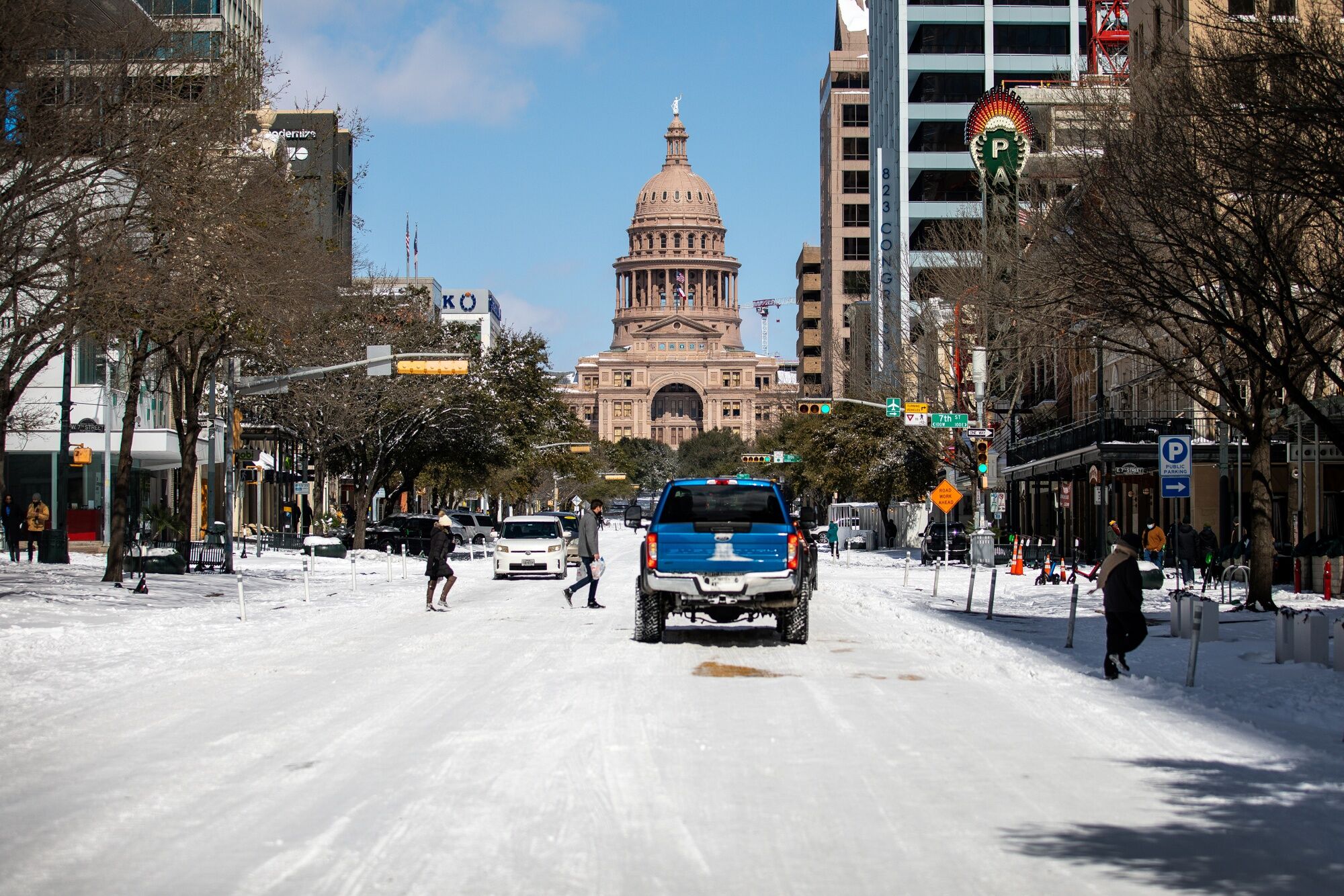
Perhaps the most significant and recent memory of widespread winter precipitation in Austin (and indeed, much of Texas) isn’t solely of snow, but of a catastrophic ice storm. Winter Storm Uri in February 2021 brought unprecedented cold and freezing rain, crippling the state’s infrastructure and causing widespread power outages. While some snow did fall during this event, it was the prolonged sub-freezing temperatures and heavy ice accumulation that truly defined its impact, leaving a lasting impression on residents and prompting a critical reevaluation of infrastructure resilience. This was an extreme example of winter weather that transcended typical snowfall events, highlighting the vulnerabilities when severe cold hits a region unaccustomed and unprepared for it.
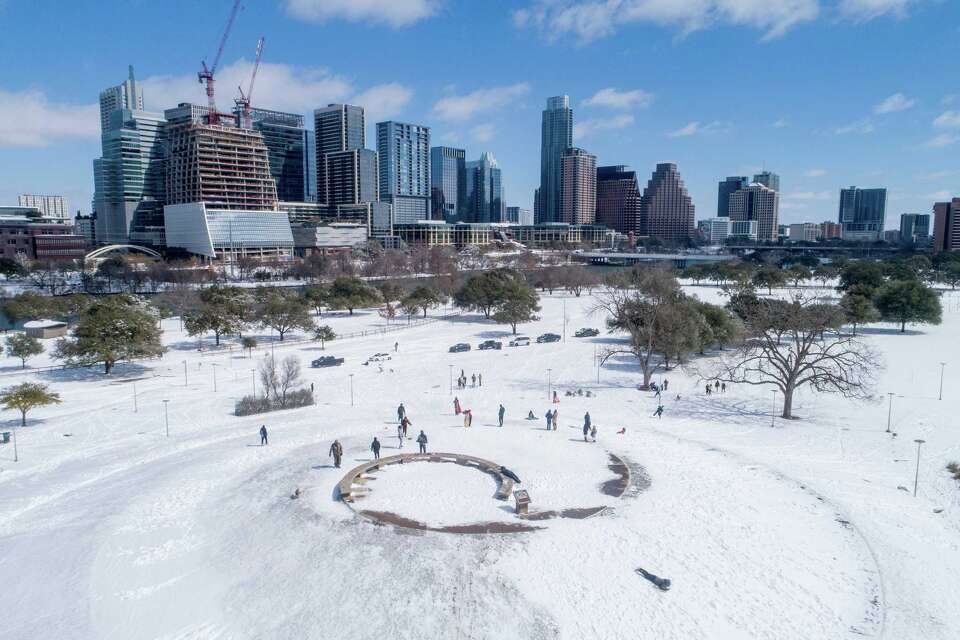
Prior to Uri, notable snowfalls have dotted Austin’s history, though usually resulting in far less dramatic outcomes. For instance, December 2017 saw a rare accumulation of several inches, delighting residents who flocked outside to build snowmen and enjoy the fleeting white landscape. Before that, significant snow events occurred in the early 2000s, 1980s, and 1960s, each leaving its mark on the collective memory of the city. These events are often characterized by light, fluffy snow that blankets the city’s iconic landmarks, like the Texas State Capitol and Zilker Park, for a few magical hours before melting away under the gentle Texas sun. Such moments become instant local attractions, fostering a unique sense of community as people venture out to experience the unusual spectacle.
The Rarity and Charm of Austin’s Winter Wonderland
The infrequency of snow in Austin is precisely what makes it so enchanting when it does occur. Unlike northern cities where snow is a common nuisance requiring constant shoveling and logistical adjustments, snow in Austin is viewed as a special occasion. When flakes begin to fall, schools might close, businesses may operate on a delay, and the city collectively pauses to embrace the moment.
Children, often experiencing snow for the first time, revel in the opportunity to play in the soft white powder. Adults capture countless photos, sharing the rare beauty of their city under a blanket of white across social media. The accumulation is usually light, often just an inch or two, and rarely lasts more than a day or two due to the relatively warm ground temperatures and the quick return of sunshine. This fleeting nature only adds to its charm, making each snowfall a precious memory rather than a prolonged challenge. It’s a reminder that even in a city known for its heat, nature can still deliver a delightful surprise.
Preparing for the Unexpected: What Happens When Snow Falls in Austin?
Given the rarity of significant snowfall, Austin is not equipped to handle winter weather like cities further north. This often leads to unique reactions and challenges when snow or, more commonly, ice descends upon the city.
Local Reactions and Community Spirit
When snow is in the forecast, a buzz spreads across Austin. Local news channels provide round-the-clock coverage, and grocery stores see a rush of residents stocking up on essentials, anticipating potential road closures or simply preparing for a cozy day at home. The anticipation itself becomes an activity.
Once snow begins to fall, the mood is often one of collective excitement and curiosity. People bundle up and head outside, often to popular spots like Zilker Park or along the Colorado River, to experience the transformation of their familiar surroundings. Impromptu snowball fights erupt, and amateur snowmen (or snow-armadillos) appear on lawns. There’s a strong sense of community as neighbors check on each other, especially the elderly, ensuring everyone is warm and safe.
However, this excitement is tempered by practical realities. With limited snowplows or salt trucks, roads quickly become hazardous. The city’s hilly terrain, especially in areas like Westlake or around Mount Bonnell, can become particularly treacherous. Schools are almost always quick to close, recognizing the safety risks for students and staff. While enchanting, an Austin snow day also highlights the city’s unique relationship with winter, where joy and minor disruption go hand-in-hand.
Practical Tips for Visitors and Residents During Cold Snaps
For travelers planning an Austin getaway during the winter months, or for new residents, it’s wise to be prepared for the possibility of cold weather, even if snow isn’t likely. Here are some practical tips:
- Monitor Forecasts: Always check the local weather forecast, especially if visiting between December and February. Sudden cold fronts are common.
- Layer Up: Dress in layers. Even on a mild winter day, mornings can be chilly, warming up significantly by afternoon. A warm jacket, hat, and gloves are good to have on hand for evenings or unexpectedly cold days.
- Be Flexible: If snow or ice is predicted, be prepared for potential disruptions. Road conditions can deteriorate rapidly, leading to closures and delays. Public transportation may also be affected. Consider rescheduling outdoor plans if the weather turns severe.
- Driving Precautions: If you must drive, exercise extreme caution. Austin drivers are not accustomed to icy conditions, and many vehicles are not equipped with snow tires or four-wheel drive. Bridges and overpasses freeze first.
- Stay Informed: Follow local news outlets and the City of Austin social media for real-time updates on road conditions, school closures, and emergency services.
- Enjoy the Indoor Scene: Austin boasts a fantastic indoor scene, from live music clubs on Sixth Street to incredible museums like The Blanton Museum of Art and the LBJ Presidential Library. If outdoor plans are thwarted by weather, pivot to enjoying the city’s rich local culture, food, and activities.
Beyond the Flakes: Enjoying Austin in the Cooler Months
Even without a blanket of snow, Austin’s winter offers a distinct charm that makes it an appealing destination for travelers looking to experience the city without the intense summer heat or peak season crowds. The cooler temperatures open up new possibilities for experiences and exploration.
Winter Activities and Attractions
When the weather is crisp and clear, Austin’s numerous outdoor spaces remain incredibly inviting. Hiking and biking trails throughout the Barton Creek Greenbelt are particularly pleasant, offering lush scenery without the summer humidity. Zilker Park transforms into a more serene space, perfect for leisurely strolls or picnics. Even a brisk walk around Lady Bird Lake or kayaking on its calm waters can be invigorating.
Beyond nature, Austin truly shines with its vibrant arts and culture scene, which is particularly enjoyable in the cooler months. You can explore the grandeur of the Texas State Capitol, delve into masterpieces at The Blanton Museum of Art, or wander through the serene Umlauf Sculpture Garden & Museum. The cooler evenings are perfect for experiencing Austin’s legendary live music. From the historic venues on Sixth Street to the eclectic establishments on South Congress Avenue, there’s a sound for every taste. Local culture flourishes, with numerous festivals and events often scheduled outside the searing summer months. Culinary tourism also thrives, as the cooler weather makes enjoying Texas BBQ and warming comfort food even more delightful.
Planning Your Winter Trip to Austin
Choosing to visit Austin in winter offers several advantages. The milder temperatures are ideal for sightseeing and outdoor activities, and the city generally experiences fewer crowds compared to the spring festival season or summer vacations. This often translates into better availability for accommodation and potentially more competitive pricing for hotels, suites, or apartments.
Whether you’re planning a luxury travel escape to a high-end resort with top-tier amenities or a budget travel adventure exploring the city’s eclectic neighborhoods, Austin’s winter climate provides a comfortable backdrop. Many hotels offer heated pools or cozy common areas, perfect for unwinding after a day of exploration. Consider booking centrally located accommodations to minimize travel time between attractions and restaurants. Reviews and comparison tools can help you find the perfect stay, whether it’s a boutique hotel downtown or a charming villa on the outskirts.
In conclusion, while snow in Austin, Texas, is a rare and fleeting spectacle, it adds a unique layer to the city’s diverse climate story. Visitors should not expect a snowy landscape, but rather a mild and pleasant winter offering an abundance of unique experiences that make Austin an incredible destination year-round. So, pack your layers, prepare for a vibrant cultural immersion, and who knows—you might just be lucky enough to witness Austin dusted in white, a truly magical and unforgettable sight.
LifeOutOfTheBox is a participant in the Amazon Services LLC Associates Program, an affiliate advertising program designed to provide a means for sites to earn advertising fees by advertising and linking to Amazon.com. Amazon, the Amazon logo, AmazonSupply, and the AmazonSupply logo are trademarks of Amazon.com, Inc. or its affiliates. As an Amazon Associate we earn affiliate commissions from qualifying purchases.