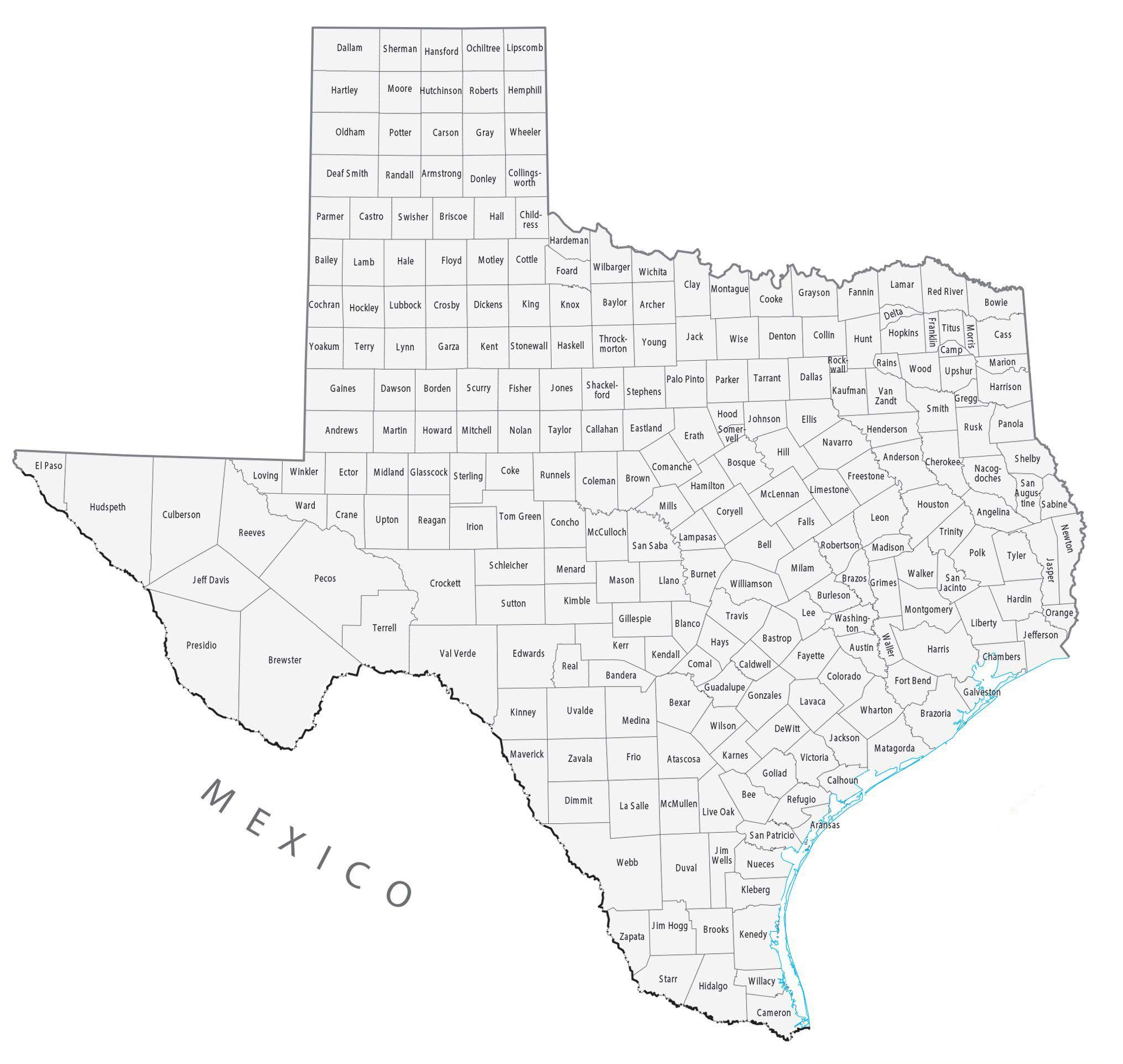
Texas, the Lone Star State, is an immense land of diverse landscapes, rich history, and vibrant culture. From its bustling metropolitan hubs to its sprawling desert vistas and serene coastal stretches, Texas offers a seemingly endless array of experiences for every traveler. Before embarking on an unforgettable journey through this iconic state, many visitors often wonder about its administrative structure, particularly how it is divided. The answer to “How many counties are in the state of Texas?” is a significant number that speaks volumes about its vastness and intricate local governance: Texas is comprised of 254 counties. This makes it the state with the most counties in the United States, a testament to its unique historical development and commitment to local representation.
These 254 counties are not just arbitrary lines on a map; they are the fundamental building blocks of Texas, each with its own distinct character, history, and attractions that contribute to the state’s unparalleled appeal as a travel destination. Understanding this county structure can profoundly enhance a traveler’s itinerary, guiding them through distinct regions and revealing hidden gems that might otherwise be overlooked.
The Historical Tapestry: Why So Many Counties in Texas?
The sheer number of counties in Texas is a fascinating aspect of its administrative history, deeply rooted in the state’s journey from a Spanish colony, to a Mexican territory, an independent republic, and finally, a U.S. state. The process of county formation largely began during the Republic of Texas era (1836-1845) and continued vigorously after annexation into the United States.
Initially, counties were formed to provide local governance to sparsely populated areas, ensuring that residents had reasonable access to a county seat for legal, political, and commercial purposes. In an era before modern transportation, the size of a county was often dictated by how far a person could reasonably travel by horse and buggy to conduct business. As the population grew and new settlements emerged, more counties were carved out of existing ones, particularly in the western and northern parts of the state. This expansive division reflected a commitment to democratic principles, allowing for localized decision-making and representation that was crucial for the diverse and rapidly expanding populace.
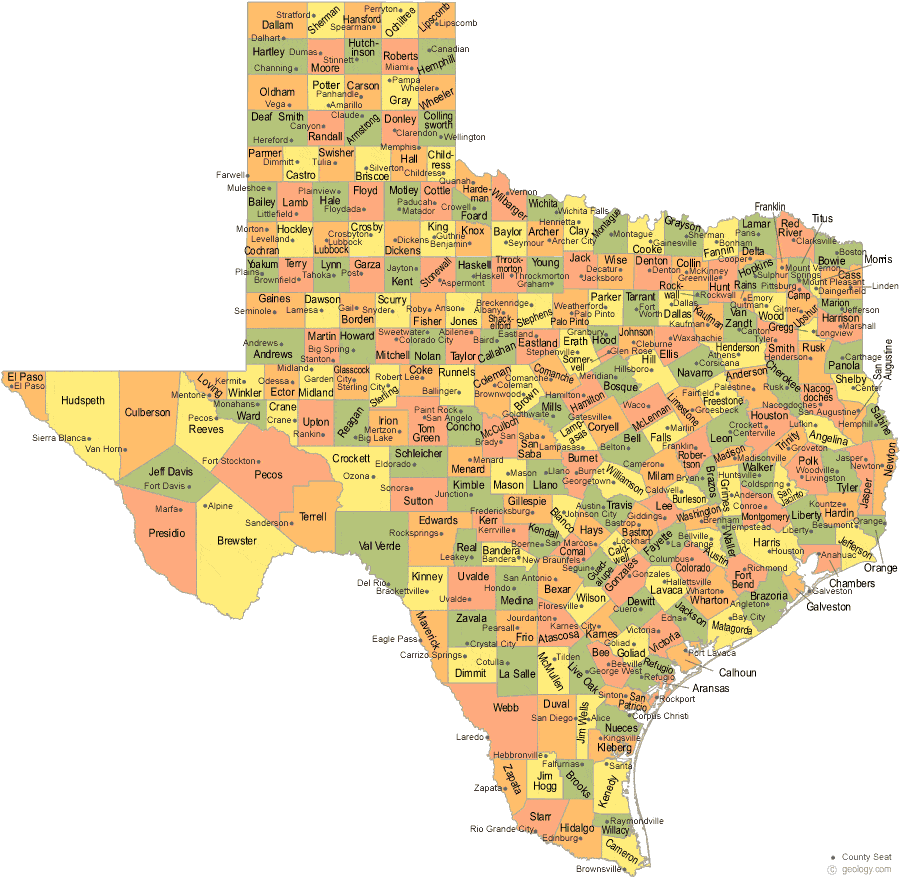
Today, while modern transportation has rendered the “day’s ride” concept obsolete, the 254 counties remain, each serving as a unique administrative and cultural identifier. This intricate network of local governance not only manages local affairs but also contributes to the rich mosaic of Texas’s identity, influencing everything from local festivals and cuisine to regional architectural styles and historical preservation efforts. For those interested in local culture and the granular details of Texas history, exploring the unique character of different counties can be a rewarding adventure, providing insights into the state’s evolution and the varied experiences of its residents over centuries.
Navigating Texas’s Diversity: Travel Through Its Counties
The extensive county system in Texas directly translates into an incredibly diverse landscape for travel and tourism. Each county, or cluster of counties, often presents a distinct geographical, cultural, and recreational experience, making Texas a microcosm of the United States itself. Understanding these regional variations, shaped by the county boundaries, is key to planning an enriching Texas adventure.
Urban Adventures and Cultural Hubs
Many of Texas’s most iconic cities serve as the cultural and economic anchors for their respective counties, offering a vibrant blend of history, arts, entertainment, and culinary delights.
- Harris County: Home to Houston, the largest city in Texas. Houston is a global city renowned for its energy industry, world-class medical center, and incredibly diverse culinary scene. Visitors can explore the Museum District, experience space exploration at Space Center Houston, or catch a game at a professional sports arena. Accommodation options range from luxury hotels like The Post Oak Hotel to more budget-friendly hotels and serviced apartments.
- Dallas County: Encompasses Dallas, a dynamic metropolis known for its upscale shopping, vibrant arts scene, and rich historical significance. The Dallas Arts District is home to architectural marvels and impressive collections, while the Sixth Floor Museum at Dealey Plaza offers a poignant historical perspective. Travelers can find exquisite stays at establishments like The Ritz-Carlton, Dallas or Hyatt Regency Dallas.
- Travis County: Home to Austin, the state capital and “Live Music Capital of the World.” Austin offers an eclectic mix of outdoor activities, live music venues, and a thriving food truck scene. Lady Bird Lake provides opportunities for kayaking and paddleboarding, while the city’s numerous festivals draw crowds year-round. Historic hotels like The Driskill Hotel offer a glimpse into the past, alongside modern options like Four Seasons Hotel Austin.
- Bexar County: Contains San Antonio, a city steeped in colonial history and Tex-Mex culture. The iconic Alamo and the picturesque San Antonio River Walk are must-visit landmarks. The city’s Spanish missions, collectively a UNESCO World Heritage Site, offer deep historical insights. Luxury accommodation can be found at places like Hotel Emma or The Saint Anthony, a Luxury Collection Hotel.
Natural Wonders and Outdoor Escapes
Beyond the metropolitan sprawl, many Texas counties are sanctuaries of natural beauty, perfect for adventurers and nature lovers.
- Brewster County: This vast county in West Texas is home to the majestic Big Bend National Park, a remote wilderness of mountains, desert, and the Rio Grande River. It’s a paradise for hiking, stargazing, and wildlife viewing. Nearby Terlingua Ghost Town offers a quirky historical detour.
- Culberson County: Located in the westernmost part of the state, this county hosts Guadalupe Mountains National Park, featuring the highest peak in Texas, Guadalupe Peak. It’s a hiker’s haven with dramatic canyons, ancient fossil reefs, and diverse ecosystems.
- Randall County: In the Texas Panhandle, this county is famous for Palo Duro Canyon State Park, often called the “Grand Canyon of Texas.” Its stunning geological formations and opportunities for hiking, biking, and horseback riding make it a top outdoor destination.
- Bandera County: Known as the “Cowboy Capital of the World,” this Hill Country county offers authentic ranch experiences, dude ranches, and scenic drives through rolling hills and cypress-lined rivers. It’s an ideal spot for a rustic getaway and experiencing genuine Texan lifestyle.
Coastal Charms and Beach Getaways
For those seeking sun, sand, and sea, Texas’s coastal counties deliver a unique blend of relaxation and recreation.
- Galveston County: Home to Galveston Island, a historic port city with Victorian architecture, sandy beaches, and family-friendly attractions like Moody Gardens and Pleasure Pier. It’s a popular spot for weekend escapes and offers a range of accommodation from charming B&Bs to modern beachfront resorts.
- Cameron County: Situated at the southernmost tip of Texas, this county is renowned for South Padre Island, a barrier island famed for its pristine beaches, vibrant marine life, and excellent opportunities for birdwatching, fishing, and watersports. It’s a year-round destination offering everything from luxury villas to family-friendly hotels.
Planning Your Texas Itinerary: A County-by-County Perspective
Understanding the county structure provides a robust framework for planning a comprehensive and fulfilling Texas travel experience. Instead of just hopping between major cities, travelers can delve deeper, discovering the unique nuances and hidden treasures within individual counties.
Accommodation Across Texas’s Diverse Counties
The vastness of Texas and its 254 counties means that accommodation options are as varied as the landscapes themselves. From luxurious urban hotels to rustic countryside cabins, travelers can find exactly what suits their lifestyle and budget.
- Luxury & Resorts: In counties hosting major cities like Dallas, Houston, Austin, and San Antonio, you’ll find an abundance of high-end hotels offering premium amenities and services. Similarly, popular tourism destinations like Grapevine (Tarrant County) boasts mega-resorts like the Gaylord Texan Resort & Convention Center, perfect for families and business travelers alike. For an exclusive escape, counties like Washington County offer boutique luxury resorts like The Inn at Dos Brisas, providing an intimate, high-end ranch experience.
- Budget & Mid-Range Hotels: Throughout almost every county, especially along major interstate highways and within mid-sized cities, a wide selection of chain hotels provides comfortable and affordable stays. These are ideal for road trippers exploring multiple counties.
- Unique Stays: Many counties offer charming bed and breakfasts, particularly in the Texas Hill Country (e.g., Gillespie County for Fredericksburg), or rustic cabins and glamping options near state parks. For longer stays, especially in university towns like College Station (Brazos County) or major cities, serviced apartments and vacation rentals offer home-like comforts.
Booking in advance, especially during peak seasons or major events, is always advisable. Websites specializing in accommodation reviews and comparison can help travelers find the best fit for their county-specific itineraries.
Experiencing Local Tourism and Unique Activities
The beauty of 254 counties lies in the sheer volume of unique local tourism experiences available. Each county boasts its own set of attractions, festivals, and culinary traditions that highlight the local culture.
- Foodie Tours: From the legendary barbecue joints scattered across central Texas (Lockhart in Caldwell County) to authentic Tex-Mex in the Rio Grande Valley, food is a cornerstone of Texan identity. Exploring different counties allows visitors to savor distinct regional flavors.
- Historical Exploration: Beyond the well-known Alamo, many county courthouses themselves are landmarks of architectural beauty and historical significance. Small-town museums often offer captivating insights into local pioneer life, oil booms, or specific cultural heritage. For example, Waco (McLennan County) has the Magnolia Market at the Silos, drawing visitors interested in home decor and the Fixer Upper phenomenon.
- Festivals and Events: From the Wurstfest in New Braunfels (Comal County) celebrating German heritage, to the annual Bluebonnet Festival in Burnet (Burnet County) which showcases Texas’s state flower, each county often hosts unique events that reflect its local character and traditions.
- Outdoor Recreation: Whether it’s fishing in the numerous lakes (e.g., Lake Conroe in Montgomery County), birdwatching along the Great Texas Coastal Birding Trail (Aransas County), or exploring the vast Big Bend Ranch State Park (Presidio County), the diverse terrain across Texas’s counties provides endless opportunities for outdoor enthusiasts.
In conclusion, the 254 counties of Texas are far more than just administrative divisions; they are the vibrant, intricate threads that weave together the rich tapestry of the state’s identity. From the historical reasons behind their formation to the boundless travel opportunities they present, each county contributes to making Texas an unparalleled destination. Whether you’re seeking the cosmopolitan energy of its major cities, the serene beauty of its natural parks, or the quaint charm of its small towns, exploring Texas through the lens of its counties promises an unforgettable journey filled with discovery, history, and adventure. So, pack your bags and prepare to experience the remarkable diversity that only a state with 254 counties can offer.