
Embarking on a journey through the vast and vibrant landscapes of Texas promises an unforgettable adventure. From the bustling metropolises of Dallas and Houston to the serene beauty of Big Bend National Park and the charming Texas Hill Country, exploring the Lone Star State often means hitting the open road. For residents and long-term visitors alike, ensuring your vehicle is road-ready isn’t just a matter of personal safety; it’s a legal requirement. This article delves into the crucial topic of car inspections in Texas, providing a comprehensive guide to costs, processes, and why this annual check-up is an integral part of your Texas lifestyle and travel planning.

Understanding the intricacies of vehicle inspections is paramount for anyone navigating Texas roads, whether you’re planning a weekend getaway to Galveston, a historical tour of San Antonio, or a business trip to Austin. It’s about more than just compliance; it’s about peace of mind, knowing your vehicle is safe and contributes to the overall well-being of the roads you share with others. This guide aims to demystify the process, helping you understand how much to budget and what to expect, ensuring your Texas travels remain smooth and enjoyable.
Understanding Texas Vehicle Inspections: A Traveler’s Essential Guide
For many, the annual car inspection can feel like a chore, but in Texas, it’s a vital component of road safety and environmental responsibility. The state mandates that all vehicles registered in Texas undergo an annual safety inspection to ensure they meet minimum standards for operation. For those on extended travel or considering a longer stay, understanding this requirement is crucial, especially when planning for vehicle accommodation and maintenance.
Why Texas Demands Inspections: Safety on the Open Road
The primary reason behind mandatory vehicle inspections in Texas is public safety. A well-maintained vehicle reduces the risk of accidents caused by mechanical failures. Imagine driving through the sprawling plains or winding roads of Palo Duro Canyon State Park or along the scenic coastal highway near Corpus Christi; breakdowns or malfunctions can not only ruin your trip but also pose serious dangers. The inspection checks critical components of your vehicle, from brakes and tires to lights and steering, ensuring they are in proper working order. This preventative measure contributes significantly to the safety of all drivers and passengers, making your Texas road trips safer and more reliable. For tourism operators and those in the hospitality sector, it’s a standard everyone expects for a safe customer experience.
What an Inspection Covers: Safety and Emissions
A Texas vehicle inspection is a two-pronged process, typically covering both safety and emissions, depending on the county where the vehicle is registered.
Safety Inspection: This portion of the inspection is conducted statewide and checks a comprehensive list of items designed to ensure your vehicle is safe to operate. Key areas include:
- Brakes: Proper function and wear of service brakes, emergency brakes, and brake fluid.
- Lights: Functionality of headlamps (high and low beam), tail lamps, stop lamps, turn signal lamps, and license plate lamps.
- Tires: Tread depth, condition, and proper inflation.
- Steering and Suspension: Proper operation of the steering mechanism and condition of suspension components.
- Horn: Audible operation.
- Windshield Wipers: Functionality and condition.
- Mirrors: Presence and condition of rearview mirrors.
- Windows: Condition of glass, ensuring no obstructions to vision.
- Seat Belts: Proper function for all seating positions.
- Wheel Assembly: Condition of wheels and lug nuts.
- Exhaust System: Ensuring there are no leaks or excessive noise.
- License Plates: Proper display and illumination.
Emissions Inspection: This part is required for vehicles registered in specific counties that are part of the state’s Clean Air Act program, primarily those with larger populations and higher traffic volumes. These counties typically include Brazoria, Collin, Dallas, Denton, El Paso, Fort Bend, Galveston, Harris, Johnson, Kaufman, Montgomery, Parker, Rockwall, Travis, and Williamson. The emissions test measures the level of pollutants emitted by your vehicle, contributing to cleaner air quality across the state, which is vital for preserving the natural beauty of Texas’s landmarks and making outdoor activities more enjoyable.
Deconstructing the Costs: What to Expect for Your Wallet
One of the most common questions regarding vehicle inspections in Texas revolves around the cost. While the fees are standardized by the state, understanding the breakdown and potential additional expenses can help you budget effectively, whether you’re a long-time resident or just passing through and maintaining your vehicle for continuous travel.
Current Inspection Fees: A Breakdown
The fees for a Texas vehicle inspection are set by the state and are typically consistent across all licensed inspection stations. It’s important to note that these fees are for the inspection itself and do not include any repairs that might be needed for your vehicle to pass.
- Safety Inspection Only: For vehicles registered in counties that do not require an emissions test, the fee is generally lower. As of recent updates, this fee is usually around $7.00. This applies to most rural counties and certain vehicle types.
- Safety and Emissions Inspection: For vehicles registered in the aforementioned 17 counties requiring emissions testing (e.g., Dallas, Houston, Austin, Fort Worth, San Antonio), the combined fee is typically around $25.50. This fee covers both the safety checks and the emissions test.
- Motorcycles: Motorcycle inspections usually have a separate, lower fee, generally around $7.00.
- Trailers: Trailer inspections also have a specific fee, often around $7.00.
It’s crucial to confirm the exact fee with your chosen inspection station, as slight variations or specific circumstances (like particular vehicle classes) might apply. These fees are collected by the inspection station, which then remits a portion to the state. When planning your budget travel within Texas, remembering this small but necessary expense is key.
Potential Additional Costs and How to Avoid Them
While the inspection fees themselves are modest, the real cost can sometimes come from necessary repairs if your vehicle fails the inspection. To minimize the chances of unexpected expenses, consider these tips:
- Pre-Inspection Check: Before heading to the inspection station, perform a quick personal check of your vehicle. Ensure all lights are working, tires are properly inflated and have adequate tread, windshield wipers function, and the horn works. Check your fluid levels and listen for any unusual noises. This proactive approach can catch simple issues before they lead to a failure.
- Regular Maintenance: Adhering to your vehicle’s recommended maintenance schedule is the best way to keep it in top condition. Regular oil changes, tire rotations, and brake checks prevent major issues from developing. This is especially important for extended long-term stays or frequent road trips across Texas.
- Emissions Readiness: For vehicles requiring an emissions test, ensure your “check engine” light is not illuminated. If it is, your vehicle will automatically fail. Driving your car for a few days (including highway driving) before the emissions test can help the car’s computer complete its diagnostic cycles, ensuring it’s “ready” for the test. If you’ve recently disconnected your battery or had repairs, drive for a bit to ensure the monitors reset.
- Research Repair Costs: If your vehicle fails, you’ll be provided with a rejection report. Get estimates for necessary repairs from a trusted mechanic. Remember, you typically have a re-inspection period (usually 15 days) during which you can get your car re-inspected at the same station without paying the full inspection fee again, provided the repairs have been made.
By being prepared, you can often avoid the stress and expense of a failed inspection, allowing you to focus on enjoying the diverse attractions and local culture Texas has to offer, from the historic Alamo to the vibrant Grapevine wine country.
Navigating the Process: Where and How to Get Your Car Inspected in Texas
Getting your car inspected in Texas is a straightforward process once you know what to do and where to go. The state utilizes a network of licensed inspection stations, making it convenient for residents and travelers alike to fulfill this annual requirement. Knowing the procedure streamlines your time, freeing you up to explore Texas’s unique destinations.
Finding Approved Inspection Stations Across Texas
The Texas Department of Public Safety (DPS) licenses official vehicle inspection stations throughout the state. These stations are typically found at:
- Service Stations and Repair Shops: Many gas stations with repair bays and independent automotive repair shops are licensed to perform inspections. Look for signs indicating “Official Vehicle Inspection Station.”
- Dealerships: Car dealerships also often have licensed inspection services, especially for the brands they sell.
- Quick Lube Chains: Some quick lube businesses offer inspection services in addition to oil changes.
To find an official inspection station near you, the easiest method is to use the online search tool provided by the Texas DPS or simply search online maps for “Texas vehicle inspection” in your current city (e.g., “Waco car inspection” or “El Paso safety inspection”). For travelers, this means you can get your inspection done in virtually any part of the state, from Amarillo in the Panhandle to South Padre Island on the coast, without having to return to your registration county. This flexibility is a huge benefit for those planning extensive travel itineraries.
Preparing for a Seamless Inspection Experience
To ensure your inspection goes as smoothly as possible, a little preparation can go a long way:
- Check Your Registration and Insurance: While not always required at every station, it’s a good idea to have your vehicle’s current registration and proof of insurance handy. You’ll definitely need it when it comes time to renew your vehicle’s registration after a successful inspection.
- Clean Your Vehicle (Optional but Recommended): A reasonably clean vehicle, especially the windows and mirrors, helps the inspector easily perform their checks.
- Address Obvious Issues: As mentioned, a quick self-check can reveal easy fixes. Replace burnt-out bulbs, ensure your license plates are visible, and check tire pressure. These minor adjustments can prevent a re-inspection.
- Know Your County’s Requirements: Be aware if your vehicle is registered in a county requiring emissions testing. This will determine the type of inspection and the fee.
- Schedule or Walk-in: While some stations accept walk-ins, especially for inspections, others might require an appointment. Calling ahead can save you wait time, particularly if you’re on a tight schedule during your business stays or family trips.
- Payment Method: Most stations accept various forms of payment, but it’s wise to confirm what they accept beforehand.
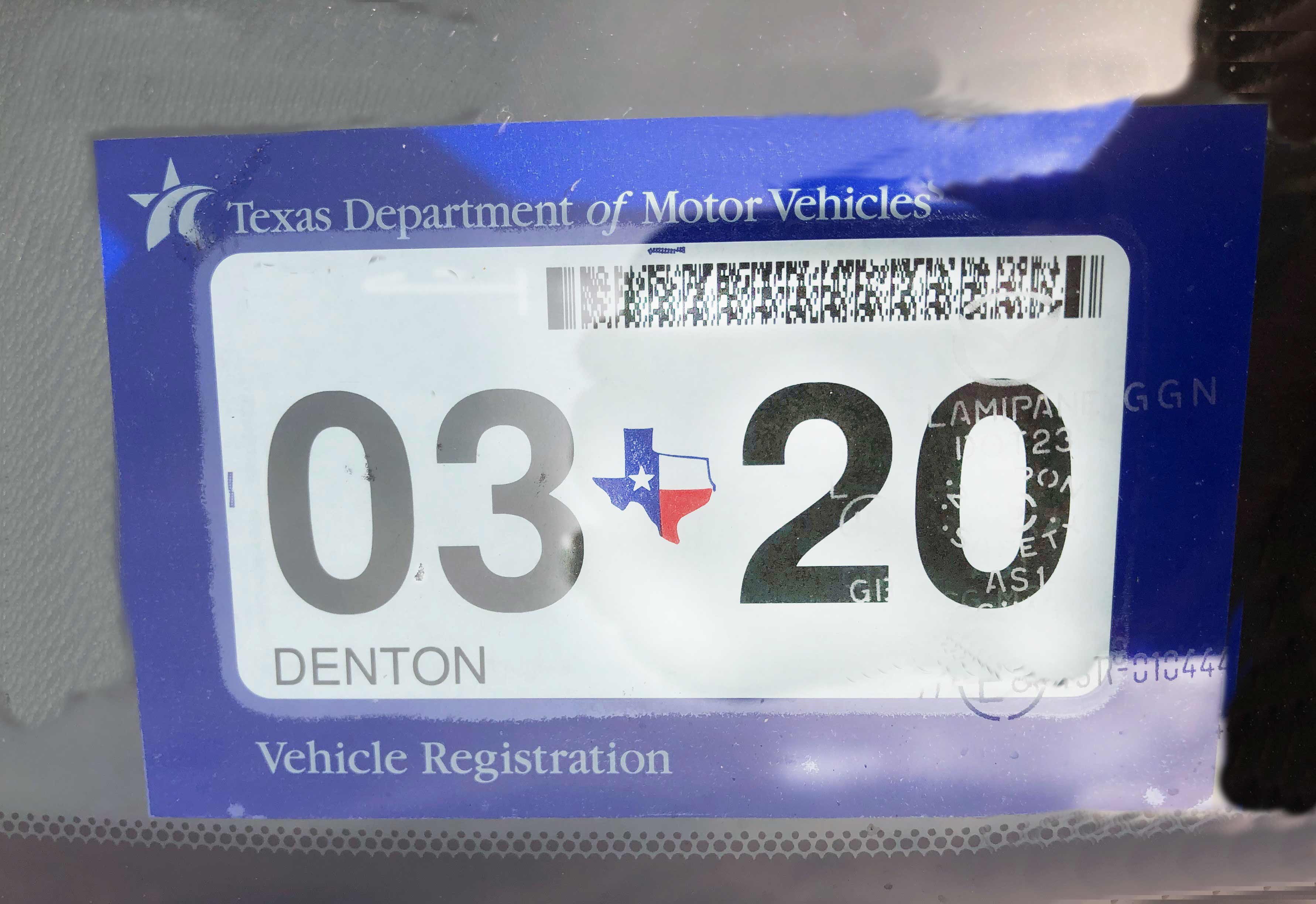
Upon successful completion of the inspection, the station will electronically transmit the results to the Texas Department of Motor Vehicles (DMV). You will no longer receive a physical sticker on your windshield. Instead, the inspection status is linked to your vehicle’s registration. This integrated system means you can then proceed to renew your vehicle registration online, by mail, or in person, without needing a separate inspection sticker. This modern approach simplifies the process, leaving you more time to immerse yourself in Texas’s rich history and vibrant contemporary scene.
Texas Road Trips and Your Inspected Vehicle: Enhancing Your Travel Lifestyle
For a state as geographically diverse and culturally rich as Texas, a reliable vehicle is often the key to unlocking its full potential. From the vast plains of the Panhandle to the pristine beaches of Mustang Island, exploring Texas is synonymous with road trips. Ensuring your car passes its annual inspection is not just a legal formality; it’s a fundamental part of a fulfilling Texas travel lifestyle.
Exploring Iconic Texas Destinations with Peace of Mind
An inspected vehicle offers peace of mind, allowing you to truly relax and enjoy your journeys without the constant worry of breakdowns or legal issues. Imagine driving through the breathtaking canyons of Big Bend National Park or along the enchanting Ennis Bluebonnet Trails during spring, with confidence in your vehicle’s performance. Knowing your brakes, tires, and lights are all in peak condition means you can focus on the scenery, the local culture, and the people you encounter.
Your road-ready vehicle allows you to:
- Discover Historic Sites: Visit the Alamo in San Antonio, explore the Fort Worth Stockyards, or delve into the NASA Space Center Houston.
- Indulge in Nature’s Wonders: Hike through Guadalupe Mountains National Park, relax on Padre Island National Seashore, or explore the depths of Natural Bridge Caverns.
- Experience City Life: From the Dallas Arts District to the Austin live music scene, your car is your ticket to urban exploration, whether you’re staying in luxury travel hotels or cozy apartments.
- Enjoy Family Fun: Take the kids to Six Flags Over Texas in Arlington or Schlitterbahn Waterpark in New Braunfels.
A properly inspected vehicle ensures that your journey across these diverse Texas attractions is not interrupted by preventable vehicle issues, allowing you to maximize your enjoyment of every moment.
Vehicle Maintenance for Long-Term Texas Adventures
Beyond the annual inspection, embracing a proactive approach to vehicle maintenance is key for those who truly live the Texas travel lifestyle or consider Texas their long-term home. Regular maintenance helps your car pass inspections effortlessly and ensures its longevity and reliability, which is crucial for exploring vast distances.
- Routine Checks: Regularly check tire pressure, oil levels, coolant, and brake fluid. These simple checks can prevent major problems down the line.
- Scheduled Servicing: Adhere to your manufacturer’s recommended service intervals for more comprehensive checks and replacements of wear-and-tear parts.
- Address Issues Promptly: Don’t ignore dashboard warning lights or unusual noises. Addressing small issues quickly can prevent them from escalating into costly repairs that might cause an inspection failure.
- Prepare for Climate: Texas weather can be extreme, from scorching summers to occasional freezes. Ensure your AC and heating systems are in good repair, and your battery is in good condition to handle temperature fluctuations.
By integrating annual inspections with consistent preventative maintenance, you not only meet Texas’s legal requirements but also safeguard your investment and enhance your overall travel experience. Whether you’re exploring Fredericksburg’s wineries, the art installations of Marfa, or the Cadillac Ranch in Amarillo, a well-maintained and inspected vehicle is your most reliable companion on the open roads of the Lone Star State. It allows you to transform simple drives into memorable adventures, aligning perfectly with a lifestyle that cherishes exploration and freedom. Ensuring your car is ready for the road means you’re always ready for whatever extraordinary Texas experience awaits.
LifeOutOfTheBox is a participant in the Amazon Services LLC Associates Program, an affiliate advertising program designed to provide a means for sites to earn advertising fees by advertising and linking to Amazon.com. Amazon, the Amazon logo, AmazonSupply, and the AmazonSupply logo are trademarks of Amazon.com, Inc. or its affiliates. As an Amazon Associate we earn affiliate commissions from qualifying purchases.