
Embarking on an adventure to Texas, whether you’re planning a permanent move, an extended stay, or simply exploring its vast landscapes, intricate history, and vibrant culture, requires more than just a sense of wanderlust. A crucial piece of identification often overlooked until it’s critically needed is the Texas ID card. While its primary function is proof of identity and age, for travelers and those seeking to immerse themselves in the local lifestyle, it serves as a gateway to countless experiences. Understanding the cost, process, and implications of acquiring a Texas ID card is essential for seamless navigation of the Lone Star State, from checking into a cozy boutique hotel in Austin to exploring the historic Alamo in San Antonio, or even securing a long-term accommodation in Houston.
The question “How much is an ID card in Texas?” is more complex than a simple price tag. It encompasses not just the fee itself, but also the investment of time, preparation, and understanding the state’s requirements. For visitors and new residents alike, obtaining a Texas ID card can significantly enhance one’s ability to participate in local tourism, manage daily transactions, and ensure a hassle-free lifestyle within this dynamic state. This comprehensive guide delves into everything you need to know about securing your official Texas identification, ensuring your journey through the Lone Star State is as smooth and enjoyable as possible.
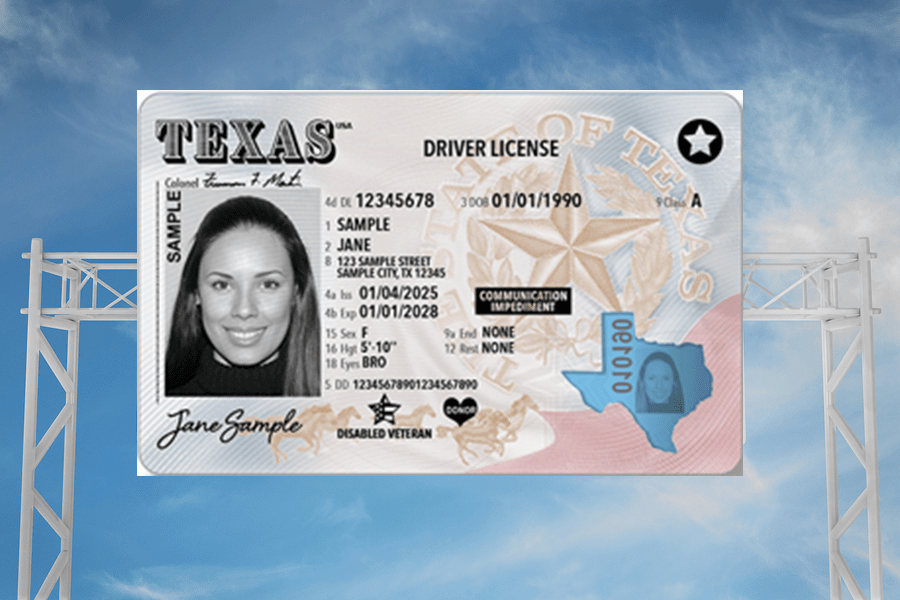
Understanding the Texas ID Card: Your Gateway to the Lone Star Lifestyle
Before delving into the specifics of cost and application, it’s vital to understand what a Texas ID card represents and who needs one. Unlike a driver’s license, which grants driving privileges, a state-issued ID card is solely for identification purposes. It’s an official document recognized statewide and federally, serving as proof of identity, age, and sometimes residency, making it invaluable for both locals and those establishing a new life in Texas.
For anyone residing in Texas who does not possess a driver’s license from any state or country, obtaining a Texas ID card is highly recommended. It simplifies everyday tasks that require official identification, from banking and employment verification to purchasing age-restricted items or even picking up packages. For travelers, especially those planning an extended stay or relying on public transport, it offers a secure and convenient form of identification without the responsibility of carrying a passport everywhere.
Types of Texas ID Cards and Their Utility
The Texas Department of Public Safety (DPS) issues several types of identification cards, though the most common for the general public is the standard Texas Identification Card. There are also specialized cards for specific populations, such as temporary visitors or those with particular needs, but for the average person seeking general identification, the standard ID is the primary focus.
- Standard Texas Identification Card (ID Card): This is the most frequently issued card, valid for up to six years, depending on your age. It’s recognized across the state and accepted as official proof of identity for almost all purposes. For travelers exploring destinations like Big Bend National Park or the Space Center Houston, having this reliable form of ID is crucial for everything from hotel check-ins to accessing certain attractions.
- Federal Real ID Act Compliance: Since May 7, 2025, a standard Texas ID card (and driver’s license) that is REAL ID compliant will be required for federal purposes, such as boarding domestic flights or entering secure federal facilities. While a passport or other REAL ID compliant document can also serve these purposes, having a compliant Texas ID card adds an extra layer of convenience for those frequenting Texas airports like Dallas/Fort Worth International Airport or George Bush Intercontinental Airport.
The utility of a Texas ID extends far beyond mere verification. For individuals embracing the Texas lifestyle, it’s essential for:
- Banking and financial transactions: Opening accounts, cashing checks.
- Employment: Verifying identity and eligibility to work.
- Age verification: Purchasing alcohol, tobacco, or entering age-restricted venues.
- Travel within the U.S.: Boarding domestic flights (if REAL ID compliant) or renting a car for a road trip through the Texas Hill Country.
- Accessing government services: Applying for benefits, voting.
- Hotel and accommodation check-ins: A universally accepted form of ID.
The Application Process and Requirements: Your Roadmap to a Texas ID
Obtaining a Texas ID card is a straightforward process, primarily managed by the Texas Department of Public Safety (DPS). However, it requires careful preparation and an understanding of the necessary documentation. While the cost is minimal, the time and effort invested in gathering the correct paperwork can save significant frustration.
Eligibility Criteria
To be eligible for a Texas ID card, applicants must:
- Be a resident of Texas.
- Not possess a valid driver’s license from Texas or any other state/country (if you have one, you might need to surrender it for the ID card).
- Meet specific age requirements: While there’s no minimum age, typically individuals aged 16 and older apply. Minors generally need a parent or legal guardian to sign the application.
Required Documents: Navigating the DPS Checklist
The most critical aspect of the application process is presenting the correct documents. The DPS follows a strict “two-proof” system, meaning you generally need multiple documents to prove your identity, U.S. citizenship or lawful presence, Texas residency, and Social Security number.
Here’s a breakdown of the categories of documents typically required:
-
Proof of Identity:
- Primary Identity Document: This is usually a U.S. Passport, U.S. Birth Certificate, Permanent Resident Card, or Certificate of Naturalization.
- Secondary Identity Document: Examples include an out-of-state driver’s license/ID card, a valid passport from another country, or a school ID with a photograph.
- Supporting Identity Document: Documents like voter registration cards, health insurance cards, or a professional license. (Often, two primary documents or one primary and one secondary are sufficient).
-
Proof of U.S. Citizenship or Lawful Presence:
- U.S. Birth Certificate, U.S. Passport, U.S. Certificate of Citizenship or Naturalization, or a valid foreign passport with an appropriate visa and I-94 (Arrival/Departure Record). For non-citizens, specific immigration documents will be required to prove lawful presence. This is crucial for long-term visitors or those establishing residency.
-
Proof of Texas Residency: You generally need two documents showing your name and current Texas residential address. These documents must be from different sources and dated within 90 days of the application.
- Examples include a current utility bill (electric, water, gas, cable), a current lease agreement, a mortgage statement, a homeowner’s insurance policy, or a valid Texas voter registration card. For those staying at hotels or temporary accommodations, this can sometimes be tricky, so it’s best to plan ahead, perhaps with an official letter from the hotel or a bank statement showing a Texas address if you’ve opened a local account.
-
Proof of Social Security Number (SSN):
- Your Social Security Card, a W-2 form, a 1099 form, or a pay stub with your SSN. If you do not have an SSN, you may need to provide a letter from the Social Security Administration indicating that you are not eligible for one.
-
Application for an Identification Card: Form DL-14B. You can typically download this from the DPS website or obtain it at a DPS office.
It’s highly recommended to visit the official Texas Department of Public Safety website (www.dps.texas.gov) or call them directly to confirm the most current and specific document requirements for your situation, especially if you are not a U.S. citizen or have unusual circumstances.
The Application Procedure: What to Expect at the DPS Office
Once you have meticulously gathered all your required documents, the next step is to visit a Texas Department of Public Safety (DPS) Driver License Office.
- Schedule an Appointment: While walk-ins are sometimes accepted, scheduling an appointment online via the DPS website is highly recommended to minimize wait times. This is particularly useful in larger metropolitan areas like Dallas or Fort Worth.
- Arrive with Documents: Bring all original documents (photocopies are generally not accepted unless specified) and the completed application form.
- Present Documents and Pay Fee: A DPS representative will review your documents. If everything is in order, you will pay the required fee.
- Fingerprints and Photo: You will have your fingerprints taken and a photograph for your ID card.
- Temporary ID and Mailing: You will be issued a temporary ID, which is valid immediately. Your official, permanent Texas ID card will then be mailed to your address, typically within 2-3 weeks. It’s crucial to verify your mailing address before leaving the office.
Costs and Fees: The Price Tag of a Texas ID Card
Now to the core question: “How much is an ID card in Texas?” The fees for a Texas ID card are generally affordable and set by the state legislature. The specific cost can vary slightly based on your age and the validity period of the card.
Standard Fees for a Texas ID Card
As of the latest information, the standard fees for an original or renewal Texas Identification Card are as follows:
- Applicants under 60 years of age: Approximately $16.00. This fee is for a card valid for six years.
- Applicants 60 years of age or older: No fee (free of charge). This is a significant benefit for senior residents of Texas, acknowledging the importance of accessible identification for this demographic.
These fees are subject to change, so it’s always best to verify the current costs on the official Texas Department of Public Safety (DPS) website or by contacting a DPS office directly before your visit. Payments can typically be made by cash, check, money order, or credit card at the DPS office.
Additional Potential Costs
While the state fee is fixed, there might be other incidental costs to consider:
- Replacement Card: If your Texas ID card is lost, stolen, or damaged, you will need to apply for a replacement. The fee for a replacement card is typically the same as the original issue fee (e.g., $16.00 for those under 60).
- Document Fees: Obtaining certified copies of birth certificates or other vital records, if you don’t already have them, will incur separate fees from the issuing agencies (e.g., county clerk’s office or state vital statistics office).
- Travel Costs: Factor in the cost of transportation to and from the DPS office.
- Photocopying/Printing: While originals are usually required, having copies for your records or in case of specific requests can be helpful.
Compared to the broader costs associated with travel, accommodation, and generally living in Texas, the fee for an ID card is a very minor investment that yields substantial benefits in convenience and legal compliance.
Why a Texas ID is Essential for Travel and Lifestyle in the Lone Star State
Beyond its function as a simple identification document, a Texas ID card plays a pivotal role in enhancing your travel experiences and integrating smoothly into the vibrant lifestyle of the Lone Star State. From navigating landmarks to enjoying local cuisine, having a valid state ID streamlines countless interactions.
Seamless Travel Experiences Within Texas
For both short-term visitors and long-term residents, a Texas ID card makes domestic travel within the state significantly easier.
- Hotel Check-ins: Most hotels, from luxury resorts in South Padre Island to budget hotels in El Paso, require a valid photo ID upon check-in. A state ID is universally accepted and often more convenient than carrying a passport.
- Car Rentals: If you plan to explore Texas by car – perhaps driving the scenic routes of the Hill Country or visiting the historic sites in Galveston – a valid ID is necessary alongside your driver’s license for rental agencies.
- Domestic Flights (REAL ID): As mentioned, a REAL ID compliant Texas ID card will be necessary for boarding domestic flights in the U.S. without a passport. This is crucial for travelers frequently flying between Texas cities or out of state.
- Accessing Attractions and Events: Many tourist attractions, museums, and event venues require ID for entry, especially for age verification (e.g., concerts, bars, and certain exhibitions). Your Texas ID ensures quick and hassle-free access.
- Local Transportation: While not always strictly required, having an ID can be useful for certain forms of public transportation or when dealing with unforeseen circumstances.
Embracing the Texas Lifestyle: Beyond Travel
Living the Texas lifestyle means engaging with local communities, businesses, and services. A Texas ID card is instrumental in these daily interactions.
- Age Verification: Texas has strict laws regarding the sale of alcohol and tobacco. A Texas ID is the most accepted form of proof of age when enjoying Austin’s live music scene or visiting breweries in Dallas.
- Establishing Residency and Services: For newcomers, obtaining a Texas ID is often a key step in fully establishing residency. It can be required for enrolling children in school, accessing local libraries, signing up for local gym memberships, or even getting resident discounts at state parks and attractions.
- Banking and Financial Transactions: Opening a local bank account, applying for a credit card, or cashing a check typically requires a valid state-issued ID. This is vital for managing finances while living or working in Texas.
- Voting: For eligible citizens, a Texas ID is one of the accepted forms of photo identification required to vote in person during elections.
- Emergency Situations: In an unexpected emergency, a state ID provides law enforcement and medical personnel with immediate access to your identity, potentially including emergency contact information if you opt to include it.
In conclusion, while the question “How much is an ID card in Texas?” might seem to have a simple monetary answer, its true value extends far beyond the nominal fee. It’s an investment in convenience, security, and the ability to fully experience and navigate the rich tapestry of life in the Lone Star State. Whether you’re planning a thrilling Texas travel itinerary, seeking a long-term accommodation, or simply establishing your new home, obtaining a Texas ID card is a small step that unlocks a world of possibilities and ensures your journey is both memorable and hassle-free.
LifeOutOfTheBox is a participant in the Amazon Services LLC Associates Program, an affiliate advertising program designed to provide a means for sites to earn advertising fees by advertising and linking to Amazon.com. Amazon, the Amazon logo, AmazonSupply, and the AmazonSupply logo are trademarks of Amazon.com, Inc. or its affiliates. As an Amazon Associate we earn affiliate commissions from qualifying purchases.