
For anyone living in or planning to visit the sprawling landscapes and vibrant cities of Texas, a valid form of identification is an absolute necessity. Whether you’re a long-term resident, a new transplant, or a traveler navigating the Lone Star State, understanding the intricacies of obtaining a Texas State ID is crucial. Beyond its primary function as proof of identity, this vital document serves as a passport to countless experiences, simplifies everyday transactions, and ensures smooth passage through various official channels. From checking into hotels and renting a car to exploring local attractions and engaging with the local culture, your Texas State ID is more than just a card – it’s a key to unlocking the full potential of your Texas journey.
In this comprehensive guide, we’ll delve into all aspects of acquiring a Texas State ID, with a particular focus on the costs involved, the essential documents required, and the step-by-step application process. We’ll also explore its significance in the context of travel, tourism, and overall lifestyle, ensuring you’re well-prepared for any adventure that comes your way in the great state of Texas.
The Indispensable Value of a Texas State ID for Travelers and Residents
In an increasingly complex world, having a universally recognized form of identification is non-negotiable. For residents and frequent visitors to Texas, the Texas State ID fills this critical role. It’s not merely a piece of plastic; it’s an empowering document that facilitates everything from secure air travel to seamless interactions with various government services. Understanding its pervasive utility helps underscore why obtaining one is such a worthwhile endeavor.
More Than Just Identification: Your Gateway to Texas Experiences
A Texas State ID serves as your official proof of age and residency, opening doors to a multitude of experiences across the state. Imagine planning a spontaneous trip to the River Walk in San Antonio or a historical tour of the Alamo. When checking into your chosen accommodation – be it a luxury resort, a cozy apartment, or a charming villa – a valid ID is almost always required. This applies equally to securing a car rental to explore the vast expanse of Big Bend National Park or navigating the bustling streets of Houston and Dallas.
Beyond travel, your Texas State ID is essential for numerous daily activities. It’s what you’ll present when purchasing alcohol or tobacco, registering to vote, opening a bank account, or even signing up for a gym membership. For new Texas Residents, it’s a critical step in establishing roots and integrating into the community, enabling access to local libraries, educational institutions, and various social activities. The convenience and peace of mind that come with having a legitimate state ID cannot be overstated, making every transaction and interaction smoother and more secure.
Why a State ID is Crucial for Travel and Accommodation
In the post-9/11 era, the significance of secure identification for travel, especially air travel, has dramatically increased. The REAL ID Act, passed by Congress in 2005 and implemented by the Department of Homeland Security, mandates that federal agencies, including the TSA, cannot accept state-issued driver’s licenses and ID cards from states that do not meet the Act’s minimum security standards for certain official purposes. Texas is compliant with the REAL ID Act, meaning your Texas State ID is federally recognized for domestic travel on commercial aircraft and for accessing certain federal facilities. This federal recognition makes your Texas ID a cornerstone for seamless travel within the United States.
When planning your next vacation or business stay, your Texas State ID simplifies processes such as hotel booking and check-in. Hotels routinely require a valid ID for verification purposes, ensuring the security of both guests and staff. Similarly, if your travel plans include renting a vehicle to explore Texas’s diverse destinations, a state ID is typically required alongside a driver’s license (if applicable) to confirm your identity and age. Without proper identification, you could face significant inconveniences, delays, or even be denied services, making your Texas State ID an indispensable tool for any traveler.
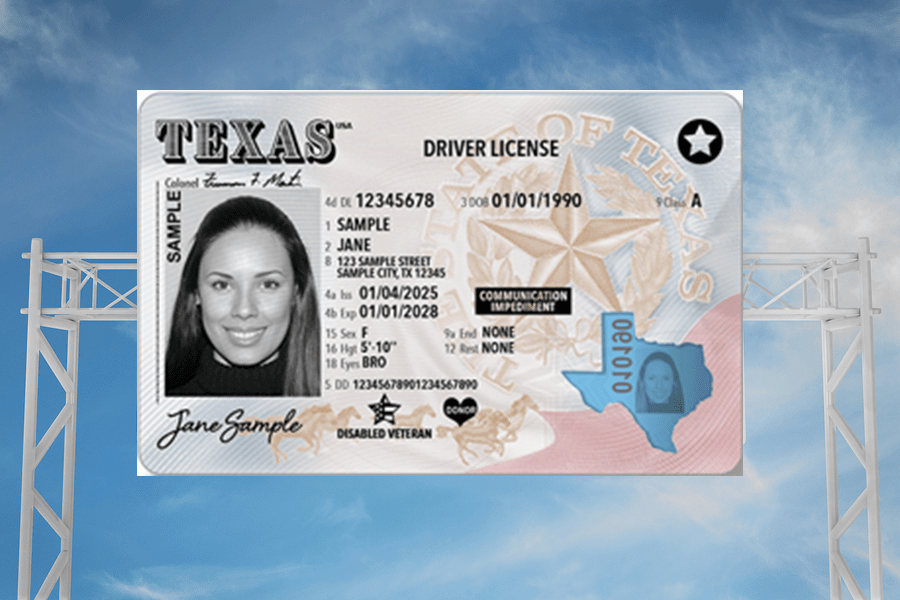
Understanding the Costs: Fees for a Texas State ID
The question “How much is it for a Texas State ID?” is often the first query for many individuals. Fortunately, the cost is relatively straightforward and generally affordable, especially when considering the immense value and convenience it provides. The fees are set by the Texas Department of Public Safety, commonly known as the DPS, and are subject to change, so it’s always wise to confirm the latest figures on their official website before applying.
Standard Fees and Age-Related Considerations
For most applicants, the standard fee for a new Texas State ID is quite reasonable. As of current guidelines, the fee structure is often differentiated by age and the duration of the ID’s validity.
- Applicants aged 18-59: The most common category, this group typically pays a standard fee for their Texas ID. The ID issued for this age group usually has a validity period of six years.
- Applicants aged 60 and over: Recognizing the importance of accessible identification for senior citizens, Texas often provides a reduced fee, or in some cases, a completely free ID card for this demographic. These ID cards are typically valid for eight years. This consideration aligns with a broader effort to support seniors, making it easier for them to manage their lifestyle and access necessary government services.
- Disabled Veterans: In a gesture of gratitude and support, eligible disabled veterans in Texas may also be entitled to a free ID card, provided they meet specific criteria and present the necessary documentation confirming their veteran status and disability.
It’s important to remember that these fees are for the initial issuance of a Texas State ID. Fees for renewal or replacement of a lost, stolen, or damaged ID card might differ slightly but generally remain within a similar affordable range.
Potential Additional Costs and Payment Methods
While the core fee for a Texas State ID is straightforward, applicants should be aware of potential ancillary costs. These are usually indirect and related to gathering the required supporting documents rather than directly to the DPS itself. For example, if you need to order a certified copy of your birth certificate or marriage license to prove your identity, there will be a fee from the issuing agency. Similarly, if you require translation services for foreign documents, that would be an additional expense.
When it comes to paying for your Texas State ID at a DPS office, applicants typically have several convenient options:
- Cash: Accepted at all DPS locations.
- Check or Money Order: Payable to the Texas Department of Public Safety.
- Credit Cards: Most DPS offices accept major credit cards such as Visa, Mastercard, Discover, and American Express. It’s always a good idea to confirm with your specific DPS office beforehand, as payment options can sometimes vary.
Being prepared with the correct payment method, along with all your documents, can significantly expedite your visit to the DPS, making the application process as smooth as possible.
The Application Process: Navigating the DPS for Your Texas ID
Obtaining a Texas State ID involves a structured application process managed by the Texas Department of Public Safety (DPS). While it requires careful attention to detail and preparation, the process is designed to be accessible for eligible individuals. Knowing what to expect and what documents to gather in advance will save you time and potential frustration.
Essential Documents and Eligibility Criteria
The foundation of a successful Texas State ID application lies in presenting the correct documents. The DPS adheres to strict guidelines to verify your identity, residency, and legal presence. Generally, you’ll need to provide documentation from several categories:
- Proof of Identity: This is paramount. You must provide at least one primary identification document, such as an unexpired passport or a certified birth certificate. If you do not have a primary document, the DPS has a list of acceptable secondary and supporting documents that can be combined to establish identity.
- Proof of U.S. Citizenship or Lawful Presence: For U.S. citizens, a birth certificate or passport usually suffices. Non-citizens must provide documents demonstrating their lawful presence in the United States, such as a permanent resident card, visa with I-94, or employment authorization document.
- Proof of Social Security Card (SSN): You will need to present your physical Social Security Card or a document that contains your SSN, such as a W-2 form or a Social Security Administration statement.
- Proof of Texas Residency: You must demonstrate that you reside in Texas. This typically requires two different documents that show your name and current Texas address. Examples include a current utility bill, a Texas voter registration card, a financial institution statement, or a property tax statement.
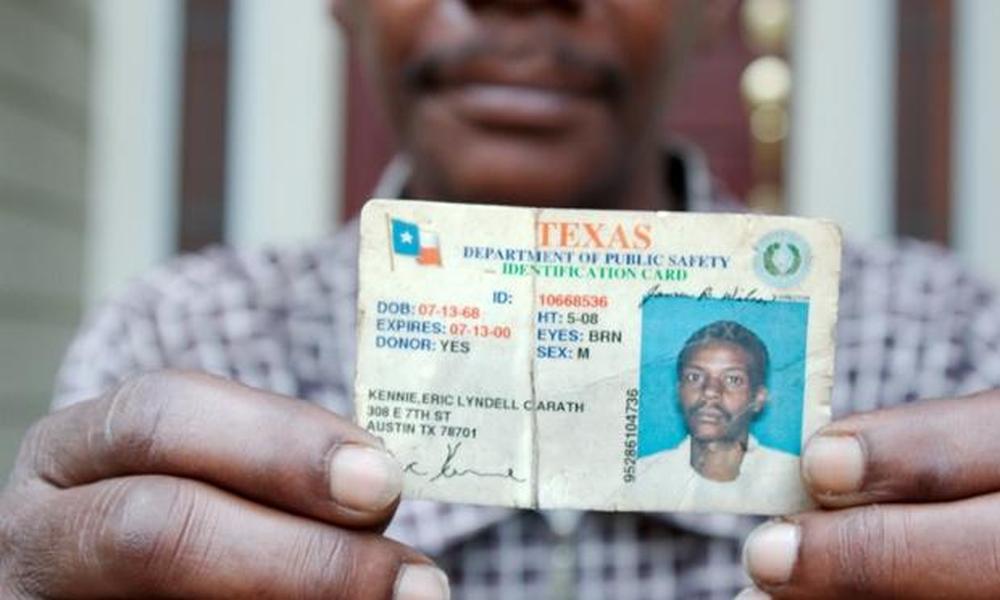
It’s crucial to present original documents or certified copies, as photocopies are generally not accepted. The DPS website provides a comprehensive list of all acceptable documents, and it’s highly recommended to use their “What Documents Do I Need?” tool before your visit.
The eligibility criteria for a Texas State ID are fairly broad. You must be a resident of Texas and not possess a valid Texas driver’s license. The ID card is specifically for individuals who do not drive or prefer to use an alternative form of identification that does not grant driving privileges.
Step-by-Step Guide to Obtaining Your ID
Once you’ve gathered all your necessary documents, the application process generally follows these steps:
- Complete the Application Form: You can often download and fill out the application form (DL-14A) from the DPS website in advance. This can save time during your visit.
- Schedule an Appointment (Recommended): While walk-ins are sometimes accommodated, scheduling an appointment at your nearest DPS office is strongly advised to minimize wait times. The DPS online scheduling system makes this convenient. Offices are located in major cities like Austin, Houston, Dallas, and San Antonio, as well as smaller towns across the state.
- Visit the DPS Office: On the day of your appointment, arrive punctually with all your original documents, including your completed application form and the applicable fee.
- Present Documents and Pay Fee: A DPS representative will review your documents, verify your identity, and process your payment.
- Fingerprints and Photo: You will be required to provide your thumbprints and have your photograph taken for the ID card.
- Receive Temporary ID: Upon successful completion of the process, you will typically be issued a temporary ID paper that is valid for immediate use.
- Receive Permanent ID by Mail: Your official, permanent Texas State ID card will be mailed to your provided Texas address within two to three weeks.
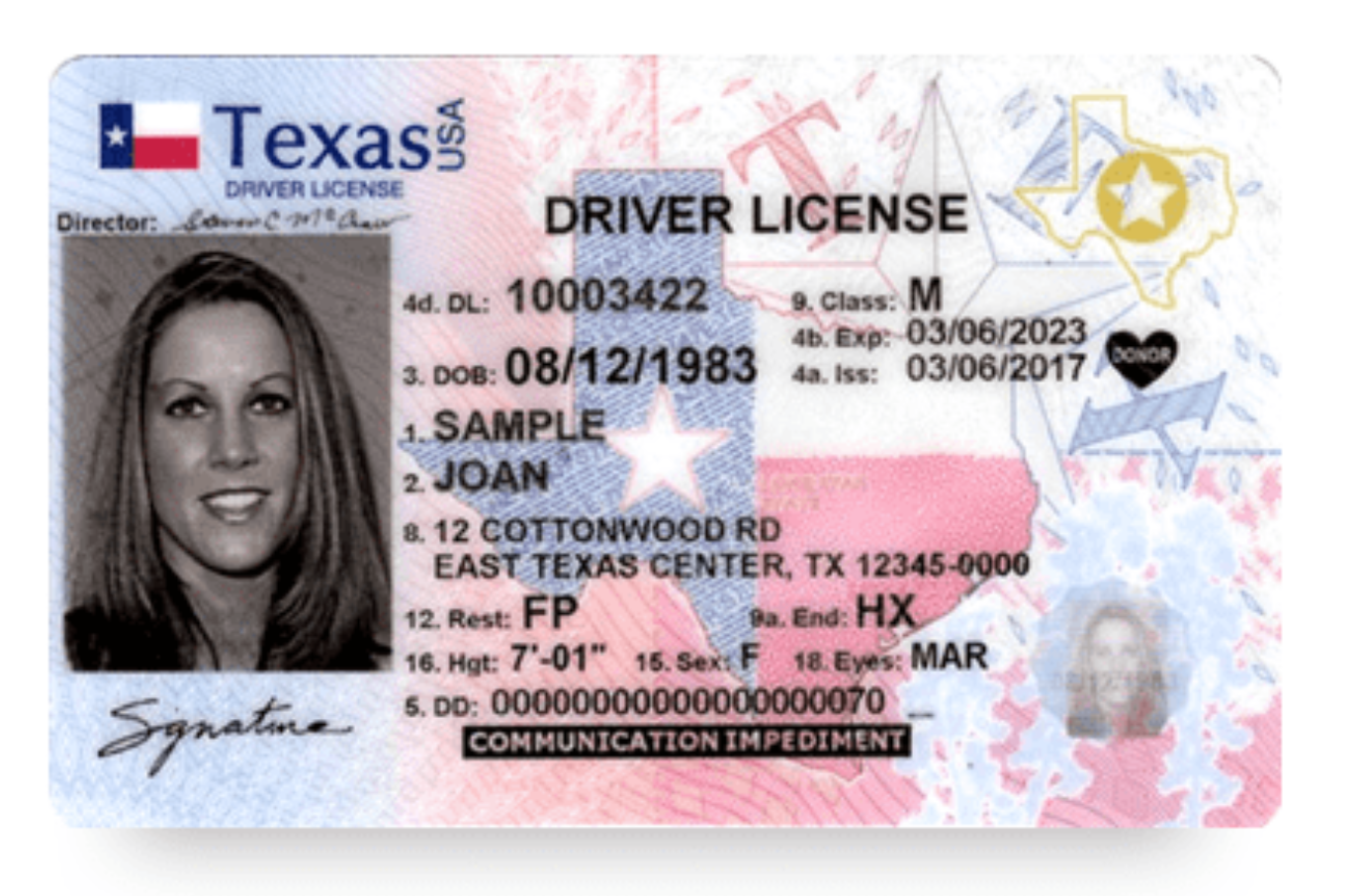
Following these steps meticulously will ensure a smooth and efficient experience, granting you access to a crucial document for your Texas lifestyle and travel needs.
Beyond the Basics: Texas State ID in Your Lifestyle and Tourism Journey
The utility of a Texas State ID extends far beyond merely proving who you are at a traffic stop or the airport security checkpoint. It is an integral part of navigating your personal lifestyle and enriching your tourism and exploration endeavors within the vibrant state of Texas. From managing budget travel to enjoying luxury travel, the convenience and security it offers are invaluable.
Enhancing Your Texas Travel and Exploration
For those passionate about travel, the Texas State ID acts as a universal key. Whether you’re exploring the historic Landmarks in Austin, delving into space history at NASA Johnson Space Center in Houston, or enjoying the dynamic food scene in Dallas, your ID will be your constant companion. It streamlines access to various venues, from museums and galleries to live music halls and sports events, many of which require age verification or simply a valid ID for entry.
Consider a family trip where booking accommodation for your stay becomes effortless, or a business stay where you need quick and reliable identification for networking events or renting conference facilities. The Texas State ID ensures smooth interactions, leaving you more time to immerse yourself in the experiences that Texas has to offer. Furthermore, if you plan to use public transportation or access discounted rates offered to Texas Residents at certain attractions, your ID is your proof. It’s a foundational element for any tourism-focused lifestyle in the state.
Important Considerations for New Texas Residents and Visitors
For new Texas Residents, obtaining a Texas State ID should be one of the first items on your checklist after moving. It simplifies processes like utility setup, school enrollment for children, and even voter registration, firmly rooting you in your new community. Many essential government services and private sector interactions require a state-issued ID, making it an indispensable tool for settling in. While waiting for your permanent ID to arrive in the mail, remember that the temporary paper ID is valid, but it is always wise to carry supplementary forms of identification if available, especially when dealing with high-security situations or for travel insurance purposes.
For visitors from out of state or international travelers, a Texas State ID is not typically required if you have a valid driver’s license from another state or an international passport. However, understanding the requirements for identification in Texas is still crucial for any traveler. For instance, if your driver’s license is lost or expired during your trip, having knowledge of how to obtain an emergency ID or temporary identification can be a lifesaver. Keep abreast of any new developments, such as the potential for digital ID options, which could further streamline processes in the future.
In conclusion, the question “How much is it for a Texas State ID?” unveils an answer that goes beyond a simple fee. It’s an investment in convenience, security, and unrestricted access to the rich tapestry of experiences that Texas offers. From navigating cities like Austin to exploring the vast nature of its state parks, your Texas State ID is an essential companion for every journey. By understanding the costs, preparing the necessary documents, and following the straightforward application process, you can swiftly obtain this vital document and unlock a world of possibilities within the Lone Star State.
LifeOutOfTheBox is a participant in the Amazon Services LLC Associates Program, an affiliate advertising program designed to provide a means for sites to earn advertising fees by advertising and linking to Amazon.com. Amazon, the Amazon logo, AmazonSupply, and the AmazonSupply logo are trademarks of Amazon.com, Inc. or its affiliates. As an Amazon Associate we earn affiliate commissions from qualifying purchases.