
Embarking on a new career path often involves a significant journey, both literally and figuratively. For those with a desire for the open road, a penchant for independence, and an aspiration to connect various corners of the world, obtaining a Commercial Driver’s License (CDL) in Texas presents an unparalleled opportunity. While traditionally seen as a purely vocational endeavor, securing a CDL in the Lone Star State can open doors to a unique lifestyle, transforming your daily work into a continuous adventure. It’s a profession that seamlessly blends with the essence of travel, tourism, and a dynamic lifestyle, allowing you to explore new destinations, experience diverse local cultures through countless stops, and even find unique forms of accommodation on the go.
Texas, a state renowned for its vast landscapes, bustling metropolises like Houston, Dallas, and San Antonio, and its critical role in national logistics, is an ideal place to begin this journey. The demand for skilled commercial drivers is consistently high, driven by the state’s expansive economy and its position as a major transportation hub. From transporting goods across the state’s diverse terrains – from the pine forests of East Texas to the rugged beauty of West Texas – to delivering essential supplies that fuel the tourism and hospitality industries, a CDL is your passport to a fulfilling and mobile career. This comprehensive guide will walk you through the process of acquiring your CDL in Texas, framing each step not just as a requirement, but as an essential part of preparing for a career that is inherently about travel, exploration, and a distinctive way of life.

Understanding the CDL Landscape in Texas: Your Gateway to a Mobile Lifestyle
The decision to pursue a CDL is often driven by a desire for a stable career with good earning potential. However, for many, it’s also the allure of the open road, the independence of driving, and the opportunity to see parts of the country they might otherwise never encounter. In Texas, this rings especially true, given the state’s sheer size and its strategic location as a gateway to the rest of the United States and Mexico.
What is a CDL and Why Consider It?
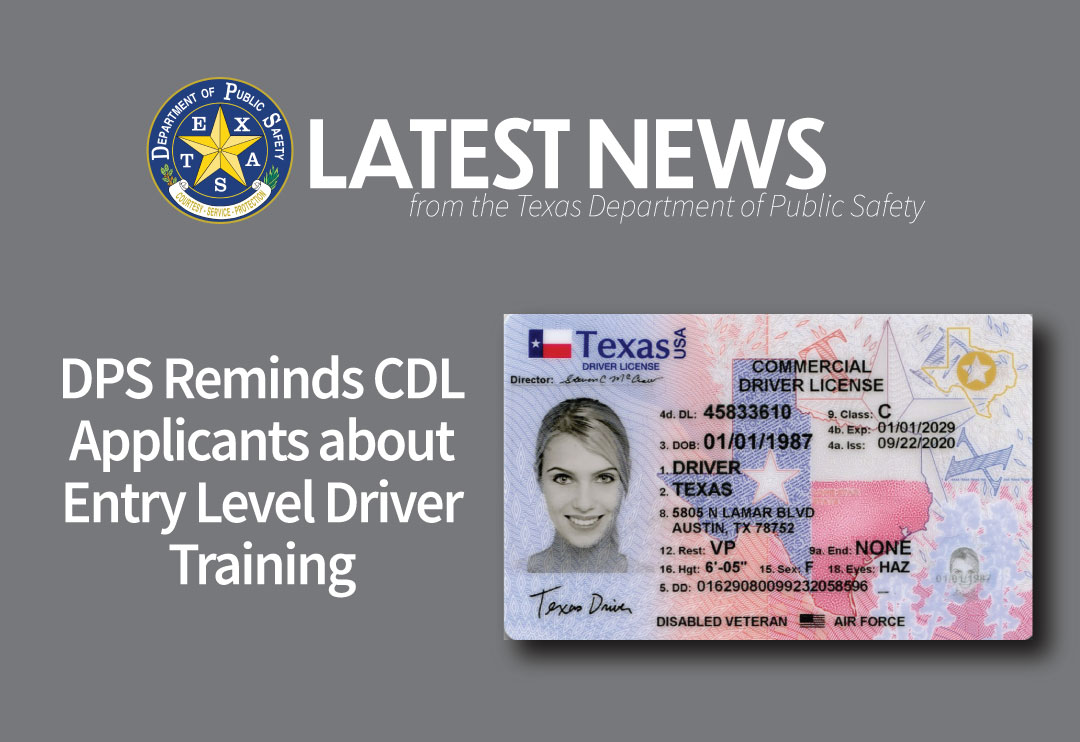
A Commercial Driver’s License (CDL) is a specialized driver’s license required to operate large, heavy, or placarded hazardous material vehicles in commerce. Unlike a standard driver’s license, a CDL signifies that the holder has undergone rigorous training and testing to safely handle vehicles that demand a higher level of skill and responsibility. For those passionate about travel and a dynamic lifestyle, a CDL isn’t just a license; it’s a key to unlocking a career that is intrinsically linked to movement and discovery.
Consider the “lifestyle” aspect: professional drivers often spend their days traversing highways, passing through countless small towns and major cities, witnessing breathtaking landmarks, and experiencing the ever-changing tapestry of the American landscape. From the vibrant culture of Austin to the historical depth of Galveston, every delivery or route can be an opportunity for incidental tourism, sampling local cuisine at a truck stop diner, or simply appreciating the unique character of different regions. This mobile career path offers a sense of freedom that traditional office jobs simply cannot, appealing to individuals who crave independence and an active, ever-evolving workday. Furthermore, the transportation industry is the backbone of virtually every other sector, including tourism and hospitality. CDL holders ensure that resorts receive their supplies, attractions have the necessary equipment, and the entire infrastructure of travel remains operational.
Types of CDLs: Matching Your Ambition with the Right Vehicle
Before you begin the application process, it’s crucial to understand the different classes of CDLs, as each is tailored to specific types of vehicles and, by extension, specific types of travel and work opportunities. Choosing the right class is the first step in aligning your career aspirations with the realities of commercial driving.
- Class A CDL: This is arguably the most versatile CDL, allowing you to operate any combination of vehicles with a Gross Combination Weight Rating (GCWR) of 26,001 pounds or more, provided the Gross Vehicle Weight Rating (GVWR) of the vehicle being towed is in excess of 10,000 pounds. This includes tractor-trailers, often associated with long-haul trucking. For the travel enthusiast, a Class A CDL represents the ultimate freedom, enabling cross-country journeys that crisscross states, exposing you to diverse climates, geographies, and cultures. Imagine driving through the desert landscapes of New Mexico one week and the bustling ports of Louisiana the next.
- Class B CDL: With a Class B CDL, you can operate a single vehicle with a GVWR of 26,001 pounds or more, or tow a vehicle not exceeding 10,000 pounds GVWR. This class typically covers vehicles like straight trucks, large buses (including those used for regional tours or public transportation within cities like Houston’s METRO), and segmented buses. This is an excellent option for those who prefer more regional travel, exploring different parts of Texas extensively, perhaps supporting local tourism directly by driving tour groups or delivering goods to various attractions.
- Class C CDL: The Class C CDL is for vehicles designed to transport 16 or more passengers (including the driver), or vehicles that transport hazardous materials (HAZMAT) that do not meet the criteria for a Class A or B license. This could include smaller passenger vans used for shuttle services to hotels or airports, or specialized vehicles for local deliveries of hazardous materials.
Beyond these classes, you may need specific endorsements depending on the type of freight or passengers you intend to transport. These endorsements further specialize your CDL and open up even more niche travel-related opportunities:
- H (Hazardous Materials) Endorsement: Required for transporting hazardous materials.
- N (Tanker) Endorsement: For operating tank vehicles.
- P (Passenger) Endorsement: Essential for driving any vehicle designed to transport passengers, such as intercity buses or tour coaches, directly linking your career to the tourism industry.
- S (School Bus) Endorsement: Specifically for school buses.
- T (Double/Triple Trailers) Endorsement: For pulling double or triple trailers (not permitted in all states, but useful for maximizing freight on long hauls).
Each endorsement adds another layer of skill and often, another dimension to the travel opportunities available to a CDL holder, allowing for a truly tailored mobile career.
Navigating the CDL Requirements in Texas: Your Journey Starts Here
Obtaining a CDL is a structured process designed to ensure that all commercial drivers are thoroughly prepared for the responsibilities of their profession. In Texas, this journey begins with meeting specific eligibility criteria and securing a Commercial Learner’s Permit (CLP). Viewing these steps as the initial planning phase for an epic road trip can help frame the importance of each requirement.
Eligibility Checklist: Paving Your Way to the Open Road
Before you even consider applying for a CLP, you must meet several fundamental requirements set by the Federal Motor Carrier Safety Administration (FMCSA) and the Texas Department of Public Safety (DPS). These are crucial checkpoints to ensure you’re ready for the demanding yet rewarding lifestyle of a commercial driver.
- Age Requirements:
- You must be at least 18 years old to obtain an intrastate CDL (allowing you to drive within Texas only). This is ideal for those looking for local or regional driving jobs, perhaps delivering goods to local attractions or working within a specific city’s logistics.
- To drive interstate (across state lines), you must be at least 21 years old. This is where the true “travel” aspect of a CDL career flourishes, enabling you to explore various destinations nationwide. If your ambition includes cross-country hauls, planning to apply at 21 is essential.
- Valid Texas Driver’s License: You must possess a valid, non-commercial Texas Class C driver’s license. This demonstrates your foundational driving competency.
- Clean Driving Record: A good driving record is paramount. Commercial driving involves significant responsibility, and a history of serious traffic violations, particularly those involving reckless driving, DUIs, or hit-and-runs, can disqualify you. A clean record reflects your commitment to safety, which is vital for long journeys and navigating diverse road conditions.
- Medical Certification: Commercial drivers are required to pass a physical examination conducted by a certified medical examiner listed on the FMCSA’s National Registry of Certified Medical Examiners. This ensures you are physically fit enough to handle the stresses of long hours, irregular schedules, and the physical demands of operating a large vehicle. This certification is a testament to your ability to maintain a healthy lifestyle on the road, crucial for sustainability in this profession.
- Proof of Texas Residency: You’ll need to provide documents proving your legal presence and residency in Texas. This typically includes utility bills, voter registration cards, or rental agreements.
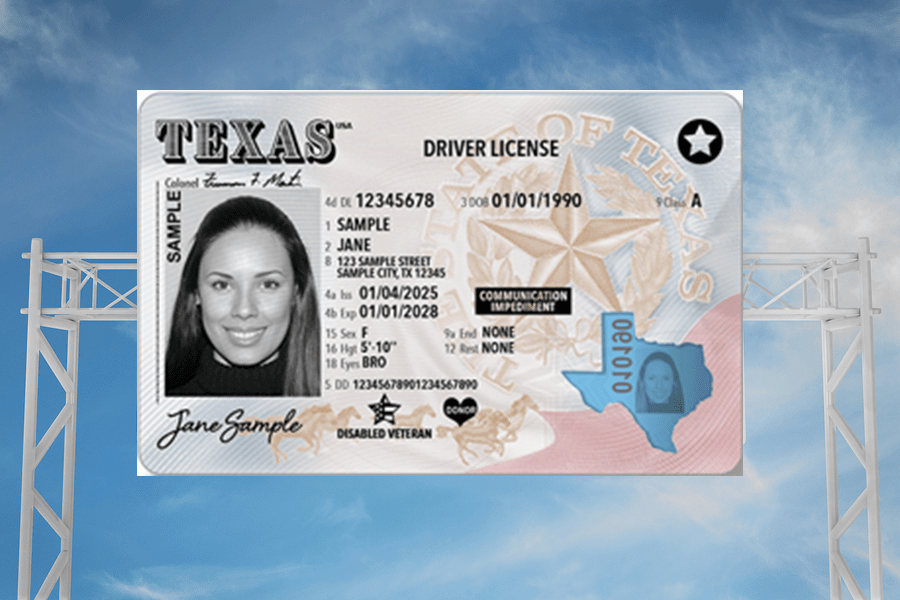
Meeting these requirements is like packing your bags for a long trip; it ensures you have all the necessary provisions and permissions before you hit the road.
The CLP: Your First Step into Commercial Driving
Once you’ve confirmed your eligibility, the next critical step is to obtain a Commercial Learner’s Permit (CLP). Think of the CLP as your provisional driver’s license for commercial vehicles, allowing you to practice driving a commercial vehicle on public roads, but only with a qualified CDL holder accompanying you.
To apply for your CLP:
- Visit a Texas Department of Public Safety (DPS) Office: Head to any local DPS driver’s license office. It’s often advisable to schedule an appointment online to minimize wait times, especially in larger cities like Fort Worth or El Paso.
- Required Documents: You’ll need to bring:
- Your valid Texas driver’s license.
- Proof of U.S. citizenship or lawful permanent residency (e.g., birth certificate, passport, green card).
- Proof of Social Security number.
- Proof of Texas residency.
- Your current Medical Examiner’s Certificate (and ensure your medical status is updated with the DPS).
- Completed CDL application form.
- Knowledge Tests: This is where the learning journey truly begins. You’ll need to pass a series of written knowledge tests, which typically include:
- General Knowledge: Covers fundamental rules and regulations for commercial driving.
- Air Brakes: Essential for understanding the braking systems on most large commercial vehicles.
- Combination Vehicles: If you’re aiming for a Class A CDL, this test covers the specifics of operating tractor-trailers.
- Additional tests may be required for specific endorsements you plan to obtain, such as Passenger (P) or Hazardous Materials (H).
These knowledge tests are not just hurdles; they are foundational lessons in safe and efficient commercial travel. Mastering this material prepares you for the complexities of handling a large vehicle, understanding weight limits, safety protocols for various cargo types, and navigating diverse road conditions, all of which are part of the daily life of a professional driver.
CDL Training and Testing: Mastering the Art of Commercial Travel
With your CLP in hand, the next phase involves practical training and the ultimate test of your skills. This stage is akin to the hands-on experience of a globetrotter learning to navigate unfamiliar terrains – it builds confidence, hones abilities, and prepares you for real-world scenarios.
Choosing the Right CDL Training Program: Investing in Your Future Travels
While not legally mandated in all cases, enrolling in a reputable CDL training school is highly recommended and often a prerequisite for employers. A good school provides the structured learning environment and practical driving experience necessary to pass the CDL skills test and, more importantly, to become a safe and competent driver ready for the road.
When selecting a CDL training program in Texas, consider these factors, keeping in mind your future mobile lifestyle:
- Reputation and Pass Rates: Look for schools with a strong track record of graduates successfully passing their CDL tests. Online reviews and testimonials can offer insights into the student experience.
- Curriculum Quality: A comprehensive curriculum should cover not just the basics of driving, but also advanced topics like defensive driving, route planning, logbook management (crucial for complying with hours-of-service regulations on long hauls), and cargo securement. These are all vital skills for a driver who will be traveling extensively.
- Fleet Quality and Variety: Ensure the school’s training vehicles are modern, well-maintained, and representative of the types of trucks you’ll be driving professionally. Access to different types of trailers (e.g., flatbeds, dry vans) can also broaden your skillset.
- Instructor Experience: Experienced instructors can offer invaluable real-world insights, sharing tips on navigating challenging road conditions, managing fatigue on long drives, and interacting with various personnel at shipping and receiving points – all part of the varied experiences of a traveling driver.
- Location and Schedule Flexibility: Consider schools near major cities like Corpus Christi or Lubbock that might offer flexible scheduling options (day, evening, or weekend classes) to fit your lifestyle. Some schools might even offer residential programs, which can be a unique short-term accommodation experience.
- Job Placement Assistance: Many schools offer job placement services, connecting graduates with trucking companies. This can be a huge advantage, especially if you’re looking to immediately launch into a career that involves extensive travel.
- Financial Aid: Explore options for financial assistance, grants, or scholarships. Investing in quality training is an investment in your future career and the lifestyle it affords. Popular schools often include Roadmaster Drivers School or CDL Training Services, which have multiple locations across Texas.
The CDL Skills Test: Your Passport to Commercial Driving
After completing your training, the final hurdle is the CDL skills test. This practical examination, administered by the DPS or a third-party examiner, is designed to evaluate your ability to safely operate a commercial vehicle in various conditions. Passing this test is the ultimate validation of your readiness for a career on the road. The test consists of three main parts:
- Pre-Trip Inspection: This section assesses your knowledge of the vehicle’s components and your ability to inspect them for safety and compliance with regulations. It’s a critical skill for any driver, especially those on long hauls, ensuring the vehicle is roadworthy before embarking on a journey. A thorough inspection prevents breakdowns that could strand you in an unfamiliar area.
- Basic Vehicle Control Skills Test: This part evaluates your ability to maneuver the commercial vehicle in a controlled environment. It typically includes exercises such as straight-line backing, offset backing, parallel parking, and alley docking. Mastering these skills is essential for navigating tight spaces, loading docks, and rest areas, which are common aspects of a driver’s daily “travel” itinerary.
- On-Road Driving Test: The most comprehensive part of the test, this evaluates your ability to operate the vehicle safely in actual traffic conditions. You’ll be tested on fundamental driving skills like turns, lane changes, merging onto highways, stopping, starting, and adherence to traffic laws. This section truly simulates the real-world experience of commercial travel in Texas, putting all your learned skills to the test on public roads.
Scheduling your test requires coordination with the DPS or an approved third-party testing facility. It’s often advisable to use the same type of vehicle for the test that you trained in to ensure familiarity. Adequate practice and a calm demeanor are key to successfully navigating this final step towards your CDL.
Beyond the CDL: Embracing the Commercial Driver’s Lifestyle in Texas and Beyond
Earning your CDL in Texas is not merely the end of a process; it’s the beginning of a new chapter—a lifestyle steeped in travel, discovery, and a unique professional identity. The world of commercial driving offers a distinct blend of work and exploration, appealing greatly to those who value independence and a career that literally keeps them moving.
The Open Road Awaits: Career Opportunities and Travel Advantages
With a CDL in hand, a vast array of career opportunities opens up within Texas and across the nation. The state’s booming economy, significant oil and gas industry, agricultural sector, and its role as a major logistics corridor mean that CDL holders are always in high demand.
- Diverse Job Market: You could find yourself transporting goods for major retail chains, specialized equipment for events and concerts (a direct link to entertainment tourism), agricultural products from the Texas plains, or even vital components for the booming technology sector. Each type of cargo and route offers a different travel experience.
- Unique “Accommodations” and Culinary Adventures: The life of a commercial driver often involves overnight stays at truck stops, which have evolved into sophisticated hubs offering a range of amenities. Far from just fuel stations, places like Love’s Travel Stops or Pilot Flying J provide showers, laundry facilities, diverse food options (from fast food to sit-down diners), and even unique shops. These stops become temporary “accommodations,” fostering a distinct subculture and community among drivers. Eating on the road also becomes an adventure, with opportunities to sample regional specialties at local eateries found along your routes, a true taste of local culture.
- Exploring Texas’ Diverse Landscapes: While your primary focus will be on delivery, the sheer mileage you’ll cover across Texas will expose you to its incredible diversity. You might drive through the lush pine forests of East Texas, past the metropolitan skylines of Dallas and Houston, through the rolling Texas Hill Country with its charming towns, or across the expansive, rugged beauty of West Texas near Big Bend National Park. Even if you’re not stopping for leisure, this constant visual intake is a form of travel and appreciation for the vastness of the state. For long-haul drivers, this extends to the entire country, turning every workday into an opportunity to witness natural wonders and iconic landmarks.
- Contribution to the Tourism Infrastructure: Behind every successful tourist destination, luxurious resort, or bustling attraction is a robust supply chain. CDL holders are the unsung heroes who ensure that everything from fresh produce for hotel kitchens to construction materials for new landmarks reaches its destination. Your work directly supports the very industries that thrive on travel and tourism.
Continuing Your Journey: Endorsements and Advanced Training
The CDL is a foundation, not a ceiling. The dynamic nature of the transportation industry means there are always opportunities for growth, specialization, and increased earning potential.
- Adding Endorsements: As mentioned earlier, acquiring additional endorsements can significantly broaden your job prospects and lead to more specialized and often more lucrative “travel” assignments. For example, a HazMat endorsement can open doors to transporting sensitive materials, often with higher pay, while a Passenger endorsement could lead to driving for tour companies or private charter services, directly immersing you in the travel industry.
- Advanced Training: Beyond endorsements, continuous learning is crucial for staying competitive and safe. This could include advanced defensive driving courses, training in specific types of freight handling (e.g., oversized loads, refrigerated goods), or even business management courses if you aspire to become an owner-operator. These skills not only enhance your career but also make your travels safer and more efficient.
- Technology and Logistics: The trucking industry is constantly evolving with new technologies, from advanced GPS systems to autonomous driving features. Staying updated on these advancements will ensure your career remains relevant and your journeys are optimized.
In essence, getting a CDL in Texas is more than just obtaining a license; it’s choosing a profession that inherently embraces the spirit of travel and a mobile lifestyle. It’s a challenging yet immensely rewarding path for those who dream of seeing the world, one mile at a time, while contributing significantly to the nation’s economy and infrastructure. The open road in Texas, with its vast horizons and endless possibilities, truly awaits.
In conclusion, the journey to obtaining a CDL in Texas is a carefully structured path, from understanding the various license classes and meeting stringent eligibility requirements to mastering the knowledge and practical skills through dedicated training and testing. Each step, from visiting the DPS for your CLP to passing your on-road driving test, is a building block towards a fulfilling and uniquely mobile career. This isn’t just about driving; it’s about embracing a lifestyle where your workplace is constantly changing, offering new sights, new experiences, and a profound sense of independence. For those who yearn for the freedom of the open road, a CDL in Texas isn’t just a license—it’s your ultimate ticket to a life of professional travel and adventure.
LifeOutOfTheBox is a participant in the Amazon Services LLC Associates Program, an affiliate advertising program designed to provide a means for sites to earn advertising fees by advertising and linking to Amazon.com. Amazon, the Amazon logo, AmazonSupply, and the AmazonSupply logo are trademarks of Amazon.com, Inc. or its affiliates. As an Amazon Associate we earn affiliate commissions from qualifying purchases.