
Texas, a state synonymous with vast landscapes, a pioneering spirit, and unparalleled hospitality, has become a magnet for travelers and entrepreneurs alike. From the vibrant live music scene of Austin to the historic charm of San Antonio, and the bustling metropolises of Dallas and Houston, the Lone Star State offers a unique blend of experiences. For those looking to immerse themselves in this rich tapestry, whether through investment in the burgeoning tourism sector, establishing a unique accommodation offering, or simply making Texas their new home for a lifestyle business, understanding how to form a Limited Liability Company (LLC) is a crucial step. This guide delves into the process of establishing an LLC in Texas, framing it within the context of travel, lifestyle, and investment opportunities that define this dynamic state.
Texas: A Destination for Dreams and Entrepreneurship
Texas isn’t just a place to visit; it’s a place to live, invest, and build. Its diverse economy, no state income tax, and a culture that values ambition make it an ideal environment for establishing an LLC, particularly for those with an eye on the travel, hospitality, or lifestyle industries. Imagine launching a boutique hotel near the Riverwalk in San Antonio, starting a luxury glamping experience in the [Big Bend National Park](https://lifeoutofthebox.com/big-bend-national-park region, or a specialized tour company exploring the wineries of the Texas Hill Country. An LLC provides the foundational structure to protect your personal assets while pursuing these exciting ventures.
The Allure of Texas Lifestyle and Investment
The appeal of Texas extends far beyond its famous barbecue and cowboy culture. For investors and lifestyle entrepreneurs, the state presents a landscape of opportunity. The consistent influx of tourists drawn to everything from the Space Center Houston to the natural beauty of Padre Island National Seashore creates a robust market for accommodation, tour operators, and unique travel experiences. Furthermore, Texas’s business-friendly policies and burgeoning tech and arts scenes in cities like Austin offer fertile ground for digital nomads and creative entrepreneurs seeking both a vibrant lifestyle and a secure business base.
Consider the potential for establishing an LLC to manage a portfolio of short-term rental properties catering to vacationers, or perhaps a culinary tour company showcasing Texas’s diverse gastronomic scene. An LLC offers credibility, legal protection, and a clear structure for these types of ventures, enabling you to operate with confidence and attract potential partners or investors. The lifestyle choice to move to Texas often goes hand-in-hand with the desire to build something new, and an LLC is the perfect vehicle for that ambition.
Key Cities and Their Unique Business & Travel Landscapes
Each major Texan city offers a distinct flavor and a unique set of opportunities for an LLC focused on travel or lifestyle.
- Austin: Known as the “Live Music Capital of the World,” Austin is a hub for technology, arts, and a laid-back, yet vibrant, lifestyle. An LLC here might focus on music festival tourism, high-end accommodation for tech conferences, or unique local experiences like paddle boarding on Lady Bird Lake. The city’s growth continues to drive demand for creative and upscale hospitality solutions.
- Dallas: A sophisticated center for business, fashion, and art, Dallas offers opportunities for luxury travel services, corporate accommodation, or bespoke shopping tours. Its vast network of museums, like the Dallas Arts District, and upscale dining make it a prime location for high-end travel experiences. An LLC could thrive by catering to business travelers seeking premium lodging or leisure travelers exploring its cultural institutions.
- Houston: A global city with a diverse economy, Houston is a gateway to space exploration and home to a thriving medical center. It’s an ideal location for an LLC specializing in medical tourism accommodation, international travel agencies, or event planning for its numerous conventions. The city’s culinary diversity also opens doors for specialized food tours and unique dining experiences.
- San Antonio: Rich in history, with iconic landmarks like The Alamo and the enchanting Riverwalk, San Antonio is a perennial favorite for tourists. An LLC could focus on heritage tours, themed hotels, or unique cultural experiences that delve into its Spanish colonial past and vibrant Tex-Mex culture. The demand for family-friendly attractions and romantic getaways remains consistently high.
Beyond these major cities, regions like the Gulf Coast offer opportunities for beach resort management or fishing charters, while the Hill Country is ripe for vineyard tours and charming bed-and-breakfasts. Each locale presents a niche for an entrepreneur willing to explore and establish a travel-related LLC.
Navigating the Texas LLC Landscape for Your Travel Venture
Forming an LLC in Texas is a straightforward process, but it requires careful attention to detail to ensure your travel or lifestyle business is properly established and protected. The steps involved are designed to be accessible, reflecting Texas’s pro-business environment.
Initial Steps for Aspiring Hospitality Entrepreneurs
The journey to establishing your travel or lifestyle LLC begins with a few critical preliminary actions:
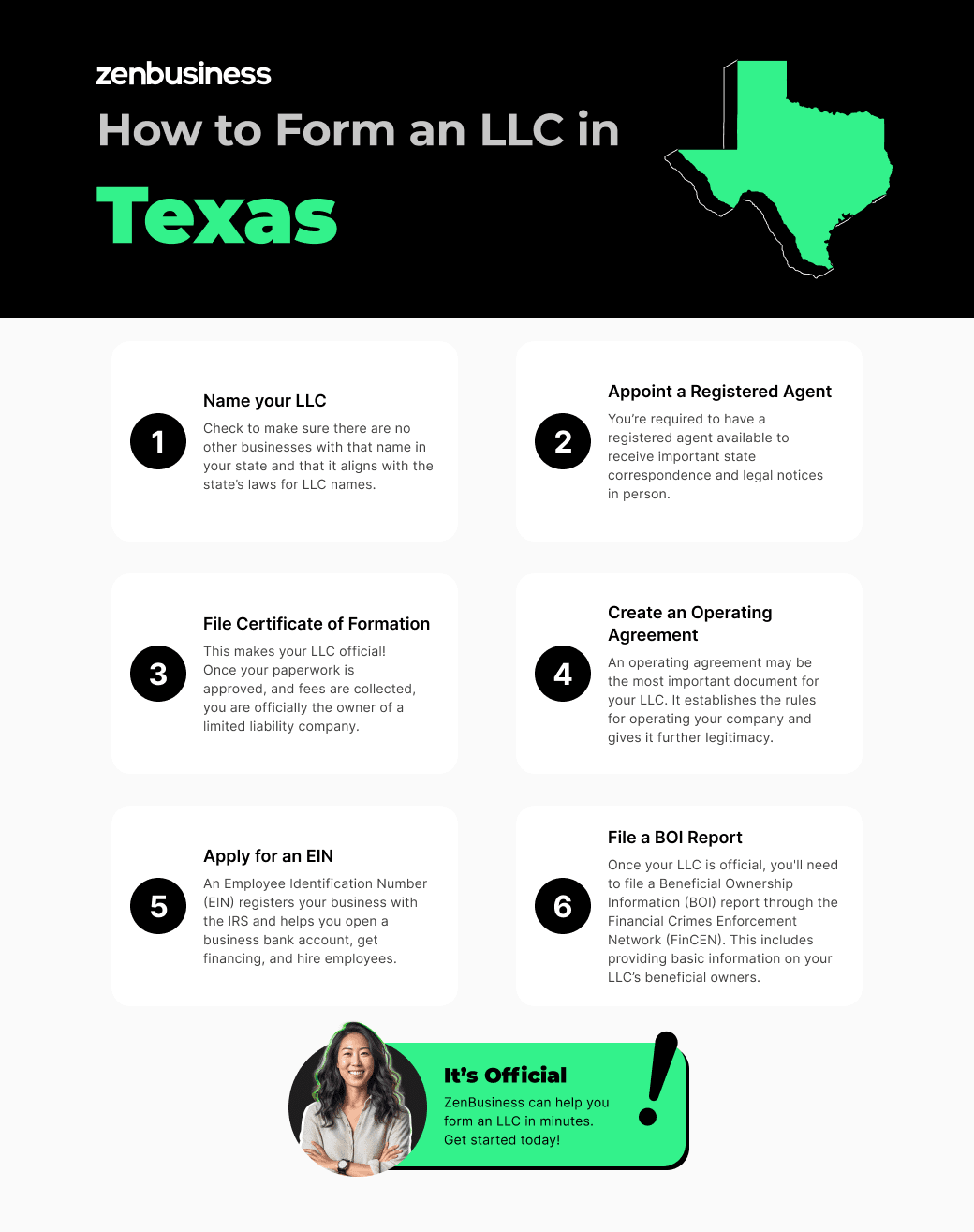
- Choose a Unique Business Name: Your LLC’s name is its identity. It must be distinguishable from other businesses registered with the Texas Secretary of State. For a travel-oriented business, consider names that evoke wanderlust, local charm, or the specific niche you’re targeting, such as “Lone Star Lodgings LLC” or “Hill Country Horizon Tours LLC.” You can check name availability through the Secretary of State’s website. It’s also wise to check if your desired domain name and social media handles are available concurrently, especially crucial for a business in the travel sector.
- Appoint a Registered Agent: Every Texas LLC must have a registered agent. This is an individual or entity with a physical street address (not a P.O. box) in Texas who agrees to accept legal documents and state correspondence on behalf of your LLC. If you’re relocating to Texas, you can serve as your own registered agent. However, many entrepreneurs, especially those who travel frequently or operate remotely, opt for a professional registered agent service. This ensures that important legal notices are always received and promptly forwarded, providing peace of mind as you explore new destinations or manage your hospitality venture.
- File Your Certificate of Formation: This is the cornerstone document for forming your LLC. It’s filed with the Texas Secretary of State. The Certificate of Formation is a relatively simple form that includes your LLC’s name, the registered agent’s name and address, and the names of the organizers. This step officially brings your LLC into existence. You can file it online, by mail, or in person. Once filed and approved, the state will provide you with a filing receipt, confirming your LLC’s legal existence.
Understanding the Legal Framework: Registered Agents and Operating Agreements
Beyond the initial filing, two critical components solidify your LLC’s legal and operational structure: the registered agent and the operating agreement.
- The Role of Your Registered Agent: As mentioned, your registered agent is your LLC’s official point of contact. This ensures that your business complies with Texas state regulations, which mandate that all legal entities have a reliable way to receive official communications. For a travel business, where owners might be on the go, a professional registered agent service like CT Corporation System or LegalZoom can be invaluable. They handle the administrative burden of receiving mail and immediately notifying you, allowing you to focus on managing your properties, guiding tours, or curating travel experiences without worrying about missing critical legal deadlines.
- Crafting an Operating Agreement: While not legally required by the state of Texas, an Operating Agreement is perhaps the most vital document for any LLC, especially for those in partnerships or with multiple members. This internal document outlines the ownership structure, member responsibilities, profit and loss distribution, voting rights, and procedures for decision-making. It’s essentially the blueprint for how your LLC will operate.
- For a travel-related LLC, an operating agreement is crucial for addressing unique scenarios. For instance, if you’re running a boutique hotel with partners, the agreement can stipulate how booking conflicts are resolved, how capital improvements are funded, or how marketing strategies are approved.
- If your LLC manages vacation rentals, the operating agreement can detail how property maintenance decisions are made, how rental income is distributed among members, and the process for adding or selling properties.
- It also provides legal protection by clearly separating your personal assets from the business and establishing clear guidelines for conflict resolution, preventing future disputes among members. Without one, your LLC defaults to Texas state law, which might not align with your specific business goals or partnership dynamics.
Strategic Considerations for Your Texas-Based Travel Business LLC
Once your LLC is officially formed, the focus shifts to operational excellence and strategic growth. For a travel or lifestyle business, this means securing funding, navigating specific industry regulations, and ensuring ongoing compliance to maintain your competitive edge in Texas’s vibrant market.
Funding Your Travel Dream: Beyond the Initial Setup
Establishing an LLC is the first financial commitment, but funding your actual travel venture requires further planning. Texas offers a robust ecosystem for entrepreneurs seeking capital:
- Obtain an Employer Identification Number (EIN): Often referred to as a Federal Tax Identification Number, an EIN is like a Social Security number for your business. You’ll need it to open a business bank account, hire employees (even if it’s just a seasonal tour guide), and file federal and state taxes. You can obtain an EIN for free from the IRS website. A separate business bank account is crucial for maintaining the liability protection of your LLC by clearly separating personal and business finances – a principle known as “piercing the corporate veil.”
- Business Bank Account & Credit: With your EIN in hand, open a dedicated business bank account. This is non-negotiable for an LLC. It not only simplifies accounting but also reinforces the legal separation between you and your business. Consider securing a business credit card as well. Building business credit is vital for future financing, whether you’re looking to expand your fleet of tour vehicles, renovate a hotel property, or invest in cutting-edge booking software.
- Explore Funding Options: Texas is home to numerous angel investors, venture capitalists, and small business loan programs.
- For a boutique hotel project, you might explore commercial real estate loans or private equity investments specializing in hospitality.
- For a unique tour company, grants related to cultural preservation or eco-tourism might be available, or you could consider crowdfunding platforms.
- The Small Business Administration (SBA) offers various loan programs, including SBA 7(a) and 504 loans, which can be excellent resources for small businesses looking to acquire assets, expand operations, or manage working capital. Networking within local chambers of commerce in cities like Fort Worth or Corpus Christi can connect you with potential investors and mentors.

Compliance and Sustained Growth in the Texas Market
Maintaining your LLC’s good standing and growing your travel business requires ongoing attention to compliance and strategic planning.
- Obtain Necessary Licenses and Permits: The travel and hospitality industry is subject to specific regulations. Depending on your business, you might need:
- Hotel/Motel Licenses: If you’re operating an accommodation business, you’ll need local and potentially state licenses.
- Food Service Permits: For restaurants, cafes, or even offering breakfast at your bed and breakfast, health permits are essential.
- Tour Operator Licenses: Some cities or types of tours might require specific permits or certifications.
- Alcohol Licenses: If you plan to serve alcoholic beverages, obtaining an Alcoholic Beverage Commission (ABC) permit is a complex but necessary step.
- It’s crucial to research the specific requirements for your city, county, and the state of Texas. Websites like the Texas Economic Development & Tourism Office can provide valuable guidance.
- Understand Your Tax Obligations: While Texas has no state income tax for individuals, LLCs are subject to the Texas Franchise Tax (also known as the “margin tax”) if their revenue exceeds a certain threshold. Even if exempt, an annual Public Information Report (PIR) must be filed with the Texas Secretary of State. You’ll also be responsible for federal income taxes, self-employment taxes, and potentially sales tax if you’re selling goods or certain services. Consulting with a qualified accountant specializing in small businesses and the hospitality sector is highly recommended to ensure compliance and optimize your tax strategy.
- Continuous Market Research and Adaptation: The travel industry is constantly evolving. Staying ahead means continuous market research, adapting to new travel trends (e.g., experiential travel, sustainable tourism, digital detox retreats), and leveraging technology. Your Texas LLC provides the stable foundation from which you can pivot and grow, whether that means expanding into new destinations within Texas, diversifying your offerings, or investing in innovative marketing strategies to attract global travelers.

Embracing the Texas Spirit: Living, Traveling, and Doing Business
Forming an LLC in Texas for your travel or lifestyle business is more than just a legal formality; it’s an embrace of the state’s entrepreneurial spirit and its welcoming culture. Imagine the satisfaction of hosting guests at your unique Fredericksburg vineyard stay, knowing your business is protected by a solid LLC structure. Or leading adventure tours through the diverse ecosystems of Big Bend Ranch State Park, confident in the legal framework supporting your operations.
Texas truly offers a quality of life that blends opportunity with adventure. From the vibrant arts scene and world-class dining in its major cities to the serene beauty of its state parks and national forests, there’s a reason so many are drawn to its borders. For those passionate about travel, accommodation, and creating unforgettable experiences, an LLC in Texas provides the perfect legal and financial vehicle to turn those passions into a thriving, sustainable business. It allows you to protect your personal assets, build credibility, and scale your operations, all while enjoying the unique advantages of doing business in one of America’s most dynamic and hospitable states.
In conclusion, the decision to get an LLC in Texas is a strategic move for any aspiring entrepreneur in the travel or lifestyle sectors. It’s a testament to the state’s appeal as both a premier destination and a fertile ground for business growth. By understanding and meticulously following the steps outlined, from naming your venture to crafting your operating agreement and navigating ongoing compliance, you can lay a strong foundation for a prosperous future in the heart of the Lone Star State, inviting travelers from around the globe to experience the best of what Texas has to offer.
LifeOutOfTheBox is a participant in the Amazon Services LLC Associates Program, an affiliate advertising program designed to provide a means for sites to earn advertising fees by advertising and linking to Amazon.com. Amazon, the Amazon logo, AmazonSupply, and the AmazonSupply logo are trademarks of Amazon.com, Inc. or its affiliates. As an Amazon Associate we earn affiliate commissions from qualifying purchases.