
For many considering a move, a long-term stay, or even extended business travel to the United States, understanding local employment laws is crucial. Even for those enjoying a remote work lifestyle, being aware of the legal landscape of your chosen destination can significantly impact your planning and peace of mind. One of the most common questions that arises in this context, especially concerning the diverse and rapidly growing economy of the Lone Star State, is: “Is Texas an at-will state?” The straightforward answer is yes. Texas, like the majority of U.S. states, operates under the doctrine of at-will employment. This legal principle carries significant implications for both employers and employees, shaping everything from hiring practices to termination procedures.
Navigating the intricacies of employment law can seem daunting, particularly when planning a relocation or an extended period in a new place. However, grasping the fundamentals of at-will employment in Texas is essential for anyone looking to work, establish a business, or simply understand the local economic environment. This doctrine empowers employers to terminate an employee for almost any reason, at any time, and likewise, grants employees the freedom to leave their job at any time, for any reason, with or without notice. While this might sound like a simple concept, a closer look reveals a complex web of exceptions and protections that are vital to comprehend. Whether you’re a digital nomad considering setting up your temporary office in vibrant Austin, an entrepreneur eyeing the business opportunities in bustling Houston, or a family planning a long-term stay to explore the rich culture of San Antonio, understanding at-will employment is a cornerstone of responsible planning in Texas.
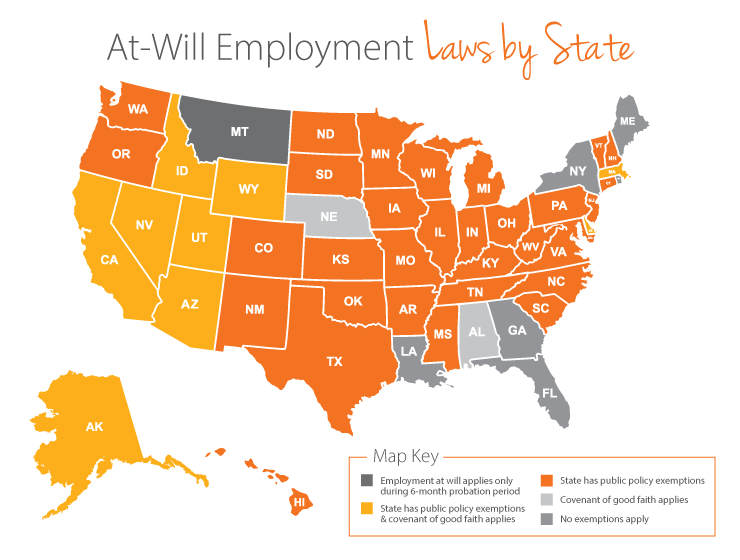
Understanding At-Will Employment in Texas
At its core, the doctrine of at-will employment dictates that an employer can terminate an employee for any reason, no reason, or even a morally objectionable reason, as long as that reason is not an illegal reason. Conversely, an employee is also free to leave their job at any time, for any reason, without notice. This reciprocal freedom is the hallmark of at-will employment. For individuals considering working in Texas, whether on a temporary assignment, as part of a relocation, or as a remote worker for a Texas-based company, this fundamental principle shapes the employment landscape.
This doctrine means that, in the absence of a specific employment contract that states otherwise, an employee does not have a guaranteed right to their job. Similarly, an employer is not obligated to provide a reason for termination, though they often do for practical or internal policy reasons. This flexibility can be appealing for some, offering freedom to both parties. For employers, it simplifies the hiring and firing process, allowing them to adjust their workforce based on business needs or performance. For employees, it provides the liberty to pursue new opportunities without being tied down by long-term commitments.
However, the “any reason” aspect of at-will employment is often misunderstood. It’s crucial to distinguish between legal and illegal reasons for termination. While an employer can fire an employee for “no reason,” they absolutely cannot fire an employee for a reason that violates state or federal anti-discrimination laws, public policy, or established contractual agreements. This distinction forms the basis for the various exceptions to at-will employment, which are critical safeguards for employees in Texas and across the United States. These exceptions are designed to protect workers from unfair or unlawful practices, ensuring a baseline of fairness even within the at-will framework. Understanding these nuances is especially important for expats or those new to the U.S. employment system, as the concept can differ significantly from employment laws in other countries.

What “At-Will” Means for Your Stay in Texas
For those who travel extensively for business, operate as digital nomads, or are considering a more permanent move, the implications of at-will employment in Texas extend beyond mere legal definitions. It impacts career planning, financial stability, and even the sense of security one might feel in a new place. For instance, if you are planning to work temporarily in Dallas while exploring the city’s vibrant culture, your employment could, theoretically, be ended swiftly. This necessitates a proactive approach to financial planning and a clear understanding of your contractual terms, if any.
Similarly, for international professionals looking to establish a life in Texas, particularly in thriving metropolitan areas like Austin or Houston, knowing your rights and the limitations of at-will status is key. It underscores the importance of negotiating clear employment agreements, understanding company policies, and being aware of available legal protections. While the travel and tourism aspects of Texas offer immense appeal, from its historical landmarks to its diverse cuisine, the underlying employment laws form a practical backdrop for anyone planning to integrate into the state’s economy. This knowledge empowers individuals to make informed decisions about their career paths and residential choices, ensuring a smoother transition and a more secure experience in the Lone Star State.
Key Exceptions to At-Will Employment
While Texas is firmly an at-will employment state, this doctrine is not absolute. Several crucial exceptions, stemming from both state and federal law, act as important safeguards for employees. These exceptions are vital for anyone planning to work in Texas to understand, as they outline the circumstances under which an employer cannot legally terminate an employee. These protections ensure that fundamental rights are upheld, even within a flexible employment framework.
1. Discrimination and Retaliation
Perhaps the most significant exceptions to at-will employment are those that prohibit discrimination and retaliation. Federal laws, such as Title VII of the Civil Rights Act of 1964, the Americans with Disabilities Act (ADA), and the Age Discrimination in Employment Act (ADEA), alongside the Texas Labor Code, protect employees from adverse employment actions based on certain protected characteristics. These characteristics include:
- Race
- Color
- Religion
- Sex (including pregnancy, sexual orientation, and gender identity)
- National origin
- Age (40 and over)
- Disability
- Genetic information
This means an employer cannot legally terminate an employee because of their membership in one of these protected classes. For individuals relocating to Texas from other countries or states, these protections are universal across the United States and are essential to be aware of.
Beyond direct discrimination, employees are also protected from retaliation. This means an employer cannot fire or otherwise penalize an employee for:
- Filing a complaint of discrimination.
- Participating in an investigation into discrimination.
- Opposing discriminatory practices (e.g., reporting harassment).
- Exercising their rights under various labor laws (e.g., filing a workers’ compensation claim, taking protected leave under the Family and Medical Leave Act).
The concept of retaliation is broad and covers any adverse action taken by an employer against an employee for engaging in legally protected activities. This protection is critical for fostering a safe and equitable workplace, encouraging employees to come forward without fear of losing their livelihoods. These protections are enforced by agencies such as the Equal Employment Opportunity Commission (EEOC) at the federal level and the Texas Workforce Commission (TWC) at the state level.
2. Public Policy Exception
The public policy exception is a common law concept that prevents employers from terminating an employee for reasons that violate a well-established public policy. In Texas, this exception is relatively narrow compared to some other states but still offers important protection. The most prominent example in Texas is found in Sabine Pilot Service, Inc. v. Hauck, which established that an employer cannot fire an employee solely for refusing to perform an illegal act that carries criminal penalties.
While this specific ruling focuses on refusing criminal acts, the broader concept of public policy can encompass other areas where state law explicitly protects certain employee actions. For instance, whistleblower protections, where employees are shielded from termination for reporting illegal activities of their employer to appropriate authorities, fall under this umbrella. While the scope of the public policy exception in Texas is limited, it serves as a crucial check on employer power, preventing terminations that would undermine fundamental societal values or legal principles.
3. Implied Contracts and Promissory Estoppel
Though less common in an at-will state like Texas, an employment relationship can sometimes be altered by an “implied contract” or the doctrine of “promissory estoppel.”
- Implied Contract: An implied contract of employment arises when, despite the absence of a formal written agreement, the actions, statements, or consistent practices of the employer suggest a promise of continued employment or a specific termination procedure. For example, if an employee handbook explicitly states that employees will only be fired for “just cause” or after a series of warnings, and this policy is consistently followed, it could be argued that an implied contract exists, thereby limiting the at-will nature of employment. However, many Texas employers include disclaimers in their handbooks explicitly stating that employment remains at-will, precisely to prevent the formation of such implied contracts.
- Promissory Estoppel: This doctrine applies when an employer makes a clear and unambiguous promise of employment, the employee reasonably relies on that promise to their detriment (e.g., quitting a previous job, relocating), and the employer then breaks that promise, causing harm to the employee. While difficult to prove, it can, in specific circumstances, provide a basis for legal action even in an at-will setting.
For individuals considering a move to Texas for a specific job, it is paramount to get all terms of employment, especially those related to job security, in writing. Relying on verbal assurances in an at-will state can be risky, making clear written contracts the best protection.
4. Good Faith and Fair Dealing (Not Recognized in Texas)
It’s important to note that some states recognize an “implied covenant of good faith and fair dealing” in employment relationships, which generally requires employers to act fairly and reasonably in their dealings with employees. However, Texas does not recognize this exception to at-will employment for the general employment relationship. This means employers in Texas are not typically held to a standard of “good faith” when making termination decisions, reinforcing the strong at-will nature of the state’s employment laws. This distinction is crucial for those familiar with employment laws in states or countries that do uphold this covenant, highlighting the unique legal environment of Texas.
Navigating Employment in the Lone Star State: A Practical Guide for Travelers and Expats
For anyone exploring the vibrant culture and economic opportunities of Texas, from the bustling tech scene in Austin to the energy sector of Houston and the rich history of San Antonio, understanding at-will employment is not just a legal formality but a practical necessity. Whether you’re a seasoned business traveler, a digital nomad seeking a new base, or someone contemplating a long-term relocation, this knowledge will empower you to make informed decisions about your career and lifestyle in the Lone Star State.
For Business Travelers and Remote Workers
Business professionals frequently traveling to Texas for extended periods, or digital nomads establishing temporary residences in cities like Dallas, need to be mindful of how Texas employment law might intersect with their work, particularly if they are employed by a Texas-based company or considering freelance opportunities within the state.
- Clarify Employment Status: If working remotely for a Texas company, ensure your employment contract clearly defines your status, location, and applicable laws.
- Understand Local Regulations: While federal laws offer broad protection, local nuances might exist. Be aware of state-specific protections that could impact your rights.
- Professional Networking: Building a strong professional network can be invaluable. In an at-will environment, connections can provide leads for new opportunities or insights into company cultures.
For Those Considering Relocation or Long-Term Stays
The allure of Texas is undeniable, from its diverse landscapes and rich history to its booming economy and friendly hospitality. However, a move involves more than just finding the perfect neighborhood or a charming boutique hotel. It requires a comprehensive understanding of the practicalities of living and working there.
- Review Employment Contracts Thoroughly: Before accepting any job offer in Texas, meticulously review your employment contract. Look for clauses that explicitly define the terms of employment, duration, termination procedures, and any “for-cause” provisions. A well-drafted contract can provide a layer of security beyond the default at-will status. If a contract is not offered, understand that the default will likely be at-will employment.
- Negotiate Key Terms: Don’t hesitate to negotiate terms related to severance, notice periods, or performance review cycles, especially for higher-level positions. While not always successful in an at-will environment, clear agreements can mitigate risks.
- Know Your Rights: Familiarize yourself with federal and Texas anti-discrimination and anti-retaliation laws. Knowing these exceptions is your first line of defense against unlawful termination. Resources from the Texas Workforce Commission and the Equal Employment Opportunity Commission are excellent starting points.
- Document Everything: In any employment dispute, documentation is key. Keep records of your performance reviews, communications with management, and any incidents that you believe violate your rights.
- Seek Legal Advice: If you have concerns about your employment contract or believe you have been wrongfully terminated, consult with an employment law attorney in Texas. They can provide tailored advice based on your specific situation.
- Financial Planning: Given the flexibility of at-will employment, maintaining an emergency fund is even more crucial. This safety net provides peace of mind and flexibility should your employment situation change unexpectedly.
- Professional Development: Continuously invest in your skills and professional development. In a dynamic at-will market, staying competitive and adaptable is a significant advantage. This can also open doors to various industries across major Texas cities, from tech in Austin to healthcare in Houston and finance in Dallas.
The Broader Lifestyle Context
Beyond the legalities, understanding at-will employment fits into a broader lifestyle context. For many, the prospect of living in Texas is tied to its vibrant cities, affordable living (in many areas), and diverse cultural experiences. Whether it’s exploring the historic Alamo in San Antonio, enjoying live music in Austin, or visiting the Space Center Houston, a stable professional life underpins these experiences. Knowing the employment landscape helps individuals secure their professional footing, which in turn enhances their ability to enjoy all that Texas has to offer. It influences decisions about long-term accommodation, investment in local communities, and overall life planning within this dynamic state.
In conclusion, while the question “Is Texas an at-will state?” can be answered with a simple “yes,” the implications are far-reaching. It is a system that offers both flexibility and challenges, requiring individuals to be well-informed and proactive. By understanding the core doctrine and its critical exceptions, anyone looking to work, live, or simply spend an extended period in Texas can do so with greater confidence and security, ensuring their experience in the Lone Star State is as rewarding as its reputation suggests.
LifeOutOfTheBox is a participant in the Amazon Services LLC Associates Program, an affiliate advertising program designed to provide a means for sites to earn advertising fees by advertising and linking to Amazon.com. Amazon, the Amazon logo, AmazonSupply, and the AmazonSupply logo are trademarks of Amazon.com, Inc. or its affiliates. As an Amazon Associate we earn affiliate commissions from qualifying purchases.