
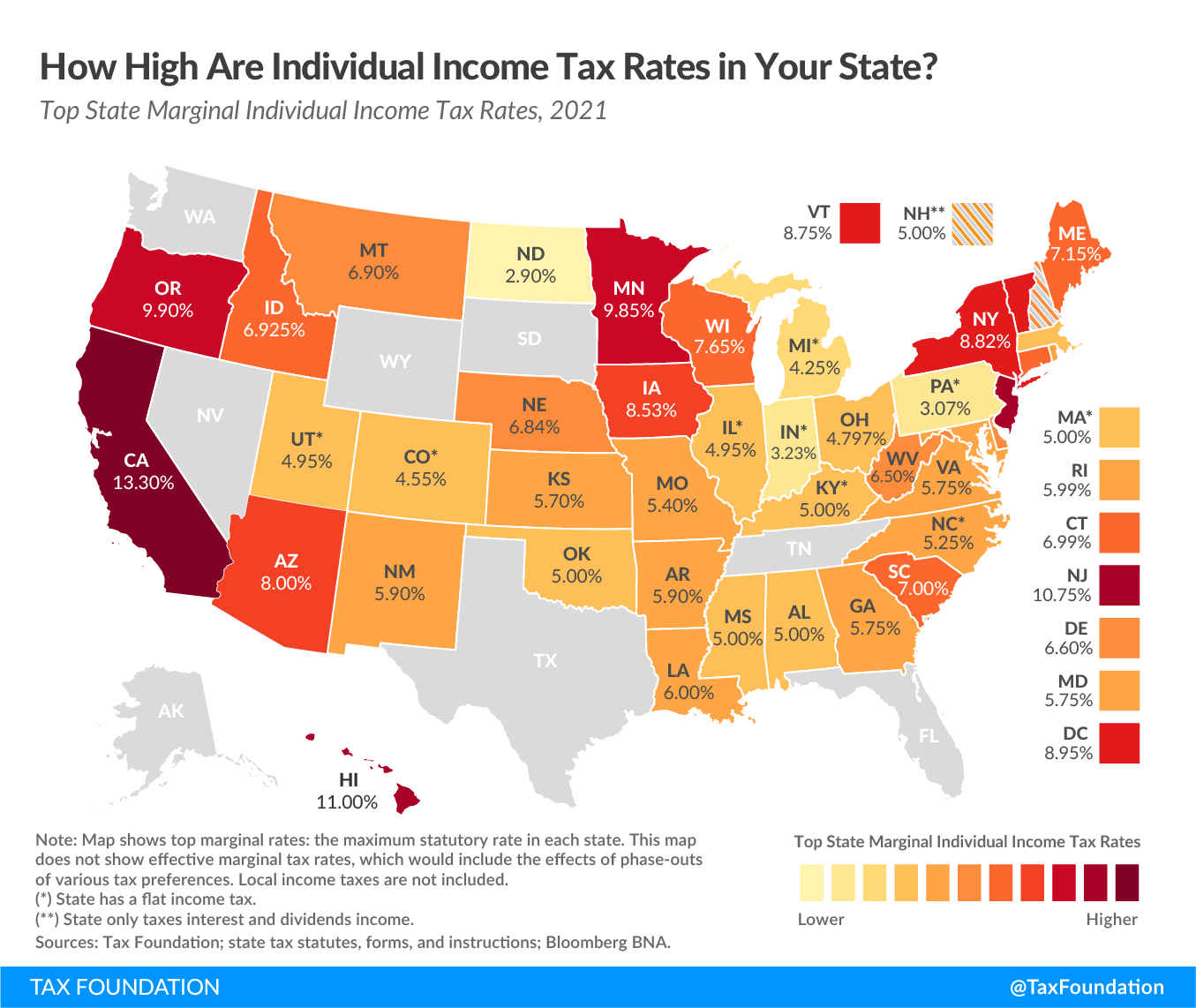
For anyone considering a move to the Lone Star State, or simply planning an extended visit, a crucial question often arises: “Is there income tax in Texas?” The answer is a resounding no when it comes to state-level personal income tax. Unlike many other states in the United States, Texas does not levy a tax on individual earnings. This distinctive financial landscape has profound implications, not only for residents and businesses but also for travelers, influencing everything from the overall cost of living and lifestyle expenses to the thriving tourism sector and diverse accommodation options.
This absence of state income tax is a cornerstone of Texas’s appeal, shaping its economy and attracting people from across the globe. While the allure of retaining more of one’s paycheck is undeniable, it’s essential to understand how the state funds its public services and infrastructure without this revenue stream. This article delves into the unique tax environment of Texas, exploring its benefits and drawbacks, and how it impacts your travel plans, potential relocation, and overall experience in this vast and diverse state. From bustling metropolitan areas like Houston and Dallas to the artistic hub of Austin and the historic charm of San Antonio, the economic ripple effects of Texas’s tax structure are felt far and wide, making it a pivotal factor for any visitor or prospective resident.
Understanding Texas’s Tax Landscape
The absence of a state personal income tax in Texas is often highlighted, but it’s crucial to grasp the full picture of how the state collects revenue. While individuals aren’t taxed on their wages, Texas funds its public services through other mechanisms, primarily property taxes and sales tax. Understanding this balance is key to appreciating the state’s financial model and its broader implications for residents and visitors alike.
The Absence of State Income Tax
The most significant takeaway for anyone asking about income tax in Texas is that there isn’t one. This policy choice sets Texas apart from 41 other states in the United States that do impose a state income tax. For residents, this means that their gross wages are not reduced by state income tax deductions, theoretically leaving more disposable income. This fact alone has been a powerful magnet for individuals and businesses seeking a favorable financial environment, driving considerable economic growth across various sectors, from the tech industry in Austin to the energy sector in Houston.
The philosophical underpinnings of this approach often center on promoting economic freedom and fostering a business-friendly climate. Companies find it easier to operate without the additional layer of state income tax burdens, and employees benefit from a potentially higher net income. This has directly contributed to the rapid growth of major urban centers and the diversification of the Texas economy beyond its traditional oil and gas roots. The promise of more personal income has encouraged migration, fueling demand for housing, hotels, and various consumer services, all of which contribute to the vibrant lifestyle that Texas is known for.
The Role of Property and Sales Taxes
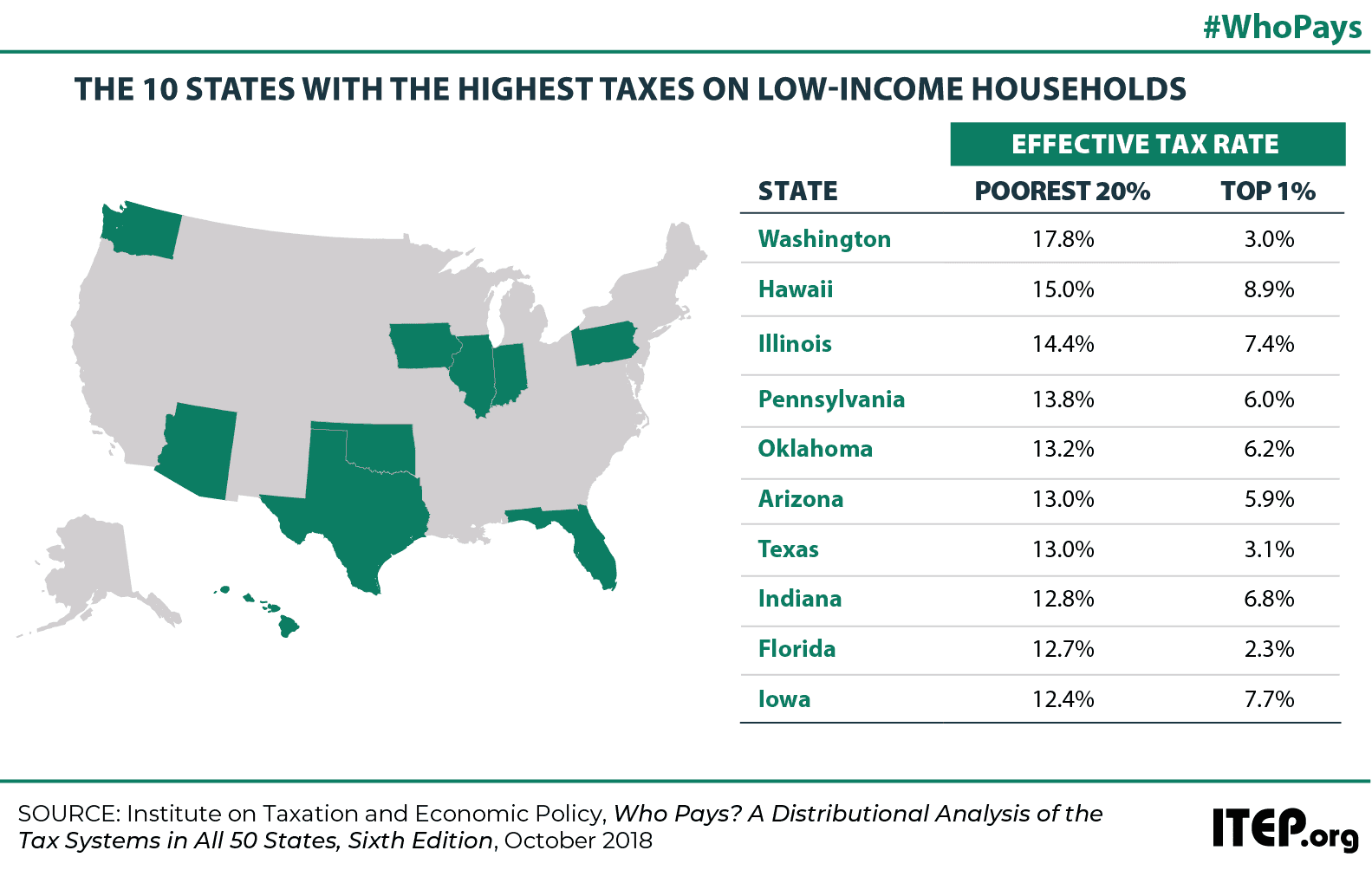
While state income tax is absent, Texas residents and visitors encounter other significant taxes. The primary funding mechanisms are local property taxes and statewide sales tax. Property taxes in Texas are notably high compared to national averages, compensating for the lack of state income tax revenue. These taxes are levied by local entities such as counties, cities, and school districts, and they constitute a major portion of their budgets, funding schools, local infrastructure, and emergency services. For homeowners, this means a substantial annual expense, which can significantly impact the overall cost of living, particularly in desirable areas with high home values.
For travelers and consumers, the sales tax is the most direct tax encounter. The state sales tax rate is 6.25%, but local jurisdictions can add up to 2%, bringing the combined rate to a maximum of 8.25% in many areas. This tax applies to most goods and services purchased within the state, excluding essential items like most groceries. For tourists, this means that almost everything from souvenirs to restaurant meals, hotel stays, and admission to attractions will include this additional charge. Understanding this balance of taxation—no state income tax, but significant property taxes and a robust sales tax—is essential for anyone budgeting for a trip or considering a long-term stay in Texas. It’s a trade-off that shapes the financial experience within the state, influencing consumer spending patterns and the pricing of goods and services across the tourism economy.
The Financial Lure for Travelers and Residents
The unique tax structure in Texas – specifically the absence of state income tax – creates a compelling financial lure for both those looking to make the Lone Star State their home and those planning a memorable travel experience. This fiscal environment has a cascading effect, influencing everything from daily expenditures to major investment decisions, making Texas a distinct proposition in the United States landscape.
Impact on Cost of Living and Tourism Spending
For residents, the lack of state income tax translates directly into a higher take-home pay, which can significantly offset other costs, even relatively high property taxes. This potentially larger disposable income often leads to increased consumer spending, contributing to a vibrant economy. For visitors, while they won’t directly benefit from the income tax savings, the broader economic impact can subtly influence their tourism spending. A thriving local economy, bolstered by residents with more purchasing power, supports a wider array of businesses, from diverse restaurants to unique shops and entertainment venues. This means more options for tourists and potentially competitive pricing, as businesses vie for consumer dollars.
The impact on goods and services, particularly those related to the travel and tourism sectors, can be complex. While the state’s sales tax applies to most purchases, the overall cost of an experience in Texas might still feel more affordable compared to states with high income and sales taxes. For instance, dining out, purchasing souvenirs, or enjoying local activities might present better value. This perceived affordability can encourage longer stays or more frequent visits, enhancing the overall travel experience. The dynamic interplay between no income tax and other taxes creates a unique financial environment that directly impacts how far both a resident’s paycheck and a tourist’s vacation budget can stretch.
Attracting Businesses and Talent
The absence of state income tax is perhaps one of Texas’s most potent tools for attracting both businesses and skilled talent. Companies, especially those in high-growth sectors like technology, find the tax environment appealing because it reduces their operational costs and increases their profitability. This has led to a major influx of corporate relocations and expansions, particularly in metropolitan areas such as Austin, Dallas, and Houston. These cities have become hubs for innovation and enterprise, generating a multitude of job opportunities.
For individuals, the prospect of earning a competitive salary without a state income tax deduction is a significant draw. This can be especially attractive for professionals in industries with high earning potentials, such as the tech industry, energy sector, and medical research. The migration of talent to Texas fuels a diverse and dynamic workforce, which in turn fosters a richer local culture and stimulates demand for a variety of services, including hospitality and accommodation. The growth of these industries often translates into more resources for public infrastructure, better roads, and an expansion of recreational and cultural attractions that benefit both residents and tourists. The cycle of business and talent attraction, driven by the tax policy, ultimately enriches the entire state, making it a more exciting place to live, work, and explore.

Experiencing Texas: Travel and Lifestyle Implications
The unique tax structure of Texas extends its influence far beyond personal finance spreadsheets, weaving into the very fabric of the state’s travel and lifestyle experiences. From how travelers plan their itineraries to the range of destinations and attractions available, the financial environment plays a subtle yet significant role in shaping what it means to visit or live in the Lone Star State.
Exploring Texas Destinations on a No-Income-Tax Budget
For the savvy traveler, understanding Texas’s tax system can unlock opportunities for more extended or richer experiences. While the sales tax is a consideration for purchases, the overall economic vibrancy fostered by the lack of state income tax can contribute to a competitive market for hotels, resorts, and other tourism services. This means that travelers might find value in various offerings, making it possible to explore Texas’s vast and diverse landscape without excessive financial strain.
Imagine exploring the bustling River Walk in San Antonio, soaking in the live music scene in Austin, or venturing into the majestic wilderness of Big Bend National Park. These destinations and attractions, coupled with the state’s vibrant culinary scene featuring everything from world-class BBQ to authentic Tex-Mex cuisine, become more accessible. Travelers can allocate their budgets more freely towards these enriching experiences, knowing that their basic purchases are subject only to sales tax, rather than a combination of sales and potentially higher overall costs due to a state income tax burden on businesses. This economic freedom can encourage visitors to delve deeper into Texas’s unique local culture, from its rich history at The Alamo to its iconic Cowboy culture.
Luxury and Budget Travel Opportunities
The diverse economic landscape influenced by Texas’s tax policy creates ample opportunities for both luxury travel and budget travel. For those seeking opulent experiences, Texas boasts an array of high-end resorts, boutique hotels, and gourmet dining options, particularly in cities like Dallas and Houston. The presence of a financially robust population, benefiting from no state income tax, supports a thriving market for premium services and goods. This allows for world-class shopping, exquisite dining, and sophisticated entertainment districts to flourish, catering to discerning travelers who appreciate luxury and refinement.
Conversely, Texas is equally accommodating for budget travel enthusiasts. The state’s vastness offers numerous free or low-cost natural attractions like state parks and expansive landscapes. From camping in Palo Duro Canyon State Park to enjoying the beaches of South Padre Island on the Gulf Coast, there are countless ways to experience Texas without breaking the bank. Affordable accommodation options, including motels, hostels, and competitively priced vacation rentals, are readily available. The competitive market, driven by a large consumer base, ensures that even budget-conscious travelers can find excellent value. This duality ensures that whether one desires a lavish getaway or an economical adventure, Texas’s economic environment supports a wide spectrum of travel styles and preferences.
Investment in Infrastructure and Attractions
Despite the absence of a state income tax, Texas has managed to maintain and expand impressive infrastructure and a wide array of attractions. This is primarily funded through its significant sales tax revenue and substantial property taxes. These revenue streams enable the state and local governments to invest in crucial public services, maintain roads, bridges, and public transportation, and fund initiatives that enhance the overall visitor experience.
These investments directly benefit the tourism sector. Well-maintained roads make it easier for travelers to access remote national parks and scenic drives through the Texas Hill Country. Funding for cultural institutions supports a thriving network of museums, galleries, and performing arts venues that draw visitors seeking enriching experiences. Iconic landmarks like The Alamo or scientific attractions like NASA Johnson Space Center receive vital support, ensuring their preservation and continued appeal. The robust tax base, despite lacking an income tax, allows for consistent development of public spaces, parks, and recreational facilities, which are essential for both residents’ quality of life and tourists’ enjoyment. This ongoing investment underscores how Texas strategically uses its alternative tax revenues to foster an environment conducive to both economic prosperity and a high-quality lifestyle and travel experience.
Navigating Accommodation and Long-Term Stays
For those considering more than just a fleeting visit to Texas, understanding the nuances of the state’s tax system becomes even more critical, particularly when it comes to accommodation and the feasibility of long-term stays or even relocation. The absence of state income tax shapes the real estate market, hotel industry, and overall costs associated with living in the Lone Star State.
Property Taxes and Accommodation Costs
While individuals do not pay state income tax, property taxes are a significant factor in Texas, and they directly influence the cost of both permanent housing and temporary accommodation. High property taxes are levied at the local level and fund essential services like schools, police, and fire departments. For homeowners, this means a substantial annual expense that can be considerable, especially in popular metropolitan areas with rapidly appreciating home values.
This indirectly affects the hotel industry and vacation rentals. Businesses that own real estate, such as hotels, resorts, and operators of apartment complexes or villas, incur these property taxes as an operational cost. These costs are often passed on to consumers in the form of higher nightly rates for rooms, apartments, or rental properties. Additionally, visitors will pay a hotel occupancy tax (HOT) on top of the regular sales tax on their accommodation, which typically includes a state portion and a local portion. Therefore, while no state income tax might seem like a pure win, the underlying reliance on property taxes can mean that the sticker price for a hotel room or a rental apartment in Texas might not always be lower than in states with different tax structures. Savvy travelers often use booking sites, read reviews, and perform price comparison to find the best value for their desired amenities and locations.
Considerations for Relocation and Extended Visits
For individuals contemplating relocation or an extended stay in Texas, the absence of state income tax can be a powerful financial incentive. Retaining a larger portion of one’s earnings can significantly enhance personal finances, making the state attractive for professionals, retirees, and families. However, prospective residents must carefully weigh this benefit against other costs. The high property taxes are a primary consideration for homeownership, and the combined sales tax rate affects daily expenditures. It’s crucial to perform a comprehensive cost-of-living analysis that includes housing (whether buying or renting apartments, villas, or suites), utilities, transportation, and consumer goods.
For those planning long-term stays for work, study, or leisure, the availability and cost of suitable accommodation are paramount. The state offers a wide range of options, from urban apartments and suburban homes to rural ranches and resorts in the Texas Hill Country. The robust real estate market driven by population growth means that while demand for housing is high, so too are the options. Understanding the local tax environment of a specific city or county is essential, as rates for property taxes and local sales taxes can vary. Consulting guides and local financial tips can provide invaluable insights for a smooth transition, ensuring that the financial advantages of no state income tax truly translate into a better quality of life and a more enjoyable long-term stay in Texas.
In conclusion, the question “Is there income tax in Texas?” is met with a definitive negative at the state level for individuals. This fundamental aspect of Texas’s fiscal policy creates a unique environment that significantly influences everything from personal finances and economic growth to travel costs and lifestyle choices. While residents enjoy the benefit of keeping more of their earned income, the state efficiently funds its services and infrastructure through substantial property taxes and a comprehensive sales tax.
For visitors, this translates into a vibrant tourism economy with diverse attractions, from world-class museums and performing arts venues to breathtaking natural attractions like national parks and expansive state parks. The absence of income tax contributes to a competitive market for accommodation, offering everything from luxurious resorts and boutique hotels to budget-friendly vacation rentals and apartments suitable for long-term stays. Whether planning a quick family trip, an important business stay, or considering a permanent move, understanding this fiscal framework is key to fully appreciating and navigating the vast opportunities that Texas has to offer. The Lone Star State truly provides a distinct financial and experiential journey for all who visit or call it home.
LifeOutOfTheBox is a participant in the Amazon Services LLC Associates Program, an affiliate advertising program designed to provide a means for sites to earn advertising fees by advertising and linking to Amazon.com. Amazon, the Amazon logo, AmazonSupply, and the AmazonSupply logo are trademarks of Amazon.com, Inc. or its affiliates. As an Amazon Associate we earn affiliate commissions from qualifying purchases.