
Europe is a dream destination for millions, offering a tapestry of ancient history, world-class art, and diverse cultures packed into a relatively small area. However, for the first-time traveler, the sheer number of options—from navigating complex rail systems to figuring out local languages—can feel overwhelming.
The secret to a successful inaugural European adventure is choosing cities that offer a perfect blend of accessibility, cultural depth, safety, and excellent infrastructure. These are the places that roll out the red carpet for newcomers, making navigation easy and immersion effortless. This guide highlights the premier European cities that guarantee a smooth, inspiring, and unforgettable first trip across the pond.
Criteria for Selecting First-Timer Cities
Not every beautiful city is ideal for a first visit. We prioritize destinations based on characteristics that minimize travel friction for new explorers:
Ease of Navigation and Transit
The best cities have reliable, easy-to-use public transportation systems (subways, trams, buses) with clear signage, often available in English. They should also be walkable, allowing you to cover major sights on foot without feeling lost.
Safety and Comfort
High overall safety ratings, friendly locals, and a low barrier to entry regarding common scams or travel hassles are essential. Travelers should feel comfortable navigating alone, even after dark.
English Proficiency
While learning local phrases is respectful and encouraged, cities where English is widely spoken (especially in tourism, transit, and hospitality) significantly reduce stress for the first-timer.
Density of Attractions
The ideal city should have major cultural landmarks, museums, and historical sites clustered together, maximizing sightseeing efficiency during a short visit.
Infrastructure for Travel
Excellent airport connections, reliable Wi-Fi (crucial for using translation and map apps), and a wide variety of affordable and quality accommodations are non-negotiable.
The Pillars of European Travel: Classic Destinations
These cities are classics for a reason—they offer deep history, iconic landmarks, and infrastructure designed to welcome the world.
London, England: The Familiar Gateway
London is arguably the easiest entry point to Europe for English speakers. It shares a language and many cultural touchstones with the U.S., Canada, and Australia, virtually eliminating the initial culture shock.
Seamless Travel and Language
The vast London Underground (The Tube) is intuitive, and with the Oyster Card or contactless payments, movement is effortless. English is the native language, making everything from ordering a coffee to seeking directions completely stress-free.
Unrivaled Cultural Density
London offers an unmatched density of world-class attractions: the British Museum, the National Gallery, Buckingham Palace, the Tower of London, and countless West End shows. Best of all, most major public museums are free, offering incredible value. Just remember your best travel adapter for international trips as the UK uses a unique plug type.
Paris, France: Romance and Accessibility
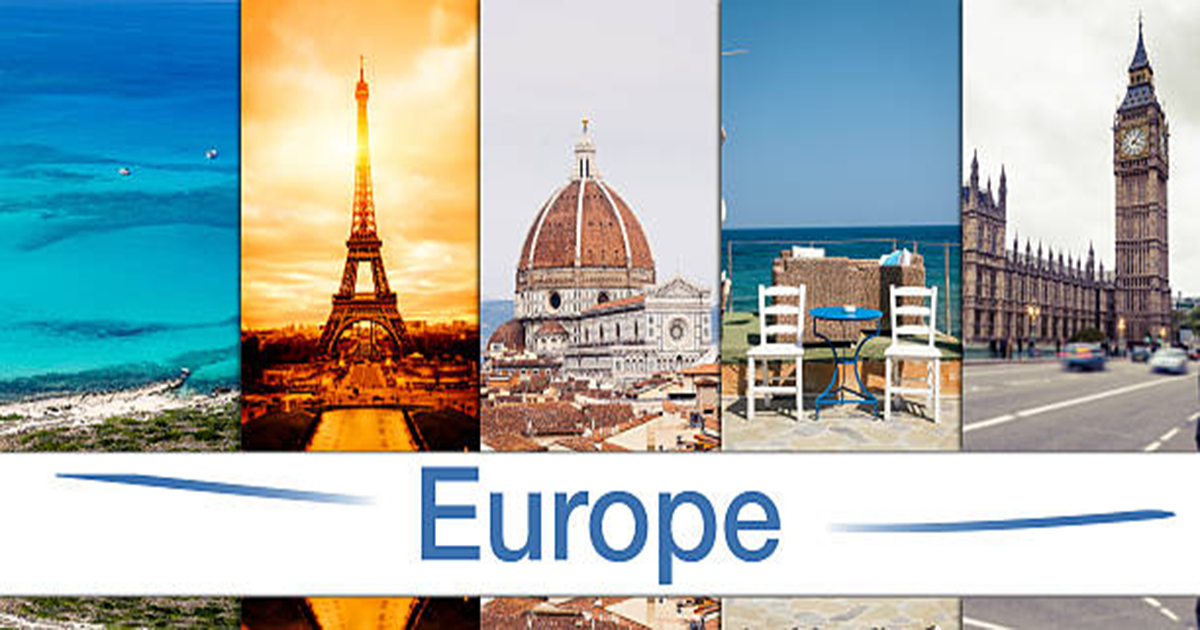
Paris, the City of Light, delivers on every romantic expectation while also being surprisingly efficient for newcomers. The layout, centered around the Seine River, makes orientation simple.
Excellent Metro System
The Paris Métro is extensive and simple to use, covering virtually all major tourist areas. While French is the language, museum signs and Métro maps are clear and color-coded. Most Parisians working in tourist areas speak excellent English.
Art and History on Foot
From the Eiffel Tower and the Louvre to Notre Dame and the Latin Quarter, the city’s key landmarks are often within a scenic walk of one another. The city is designed to be explored on foot, which is the best way to soak up the atmosphere and discover hidden patisseries.
Rome, Italy: History Made Easy
Walking through Rome is like stepping into a giant, open-air museum. For a first-timer interested in ancient history, the sheer presence of the Colosseum, the Roman Forum, and the Vatican City makes it a must-visit.
Walkability and Vibe
While the public transport (Metro) is less extensive than in London or Paris, most major historical sites are within walking distance of each other in the central tourist areas. The city’s welcoming, bustling atmosphere is infectious, and the focus on simple, high-quality food (pizza, pasta, gelato) simplifies meal choices.
Focused Sightseeing
The main sights (Vatican, Colosseum, Trevi Fountain, Pantheon) naturally form sightseeing loops. A few days with a reliable pair of best travel shoes for walking is enough to cover the most iconic sights.
The Northern Stars: Organization and Safety
For travelers who value organization, efficiency, and feeling exceptionally secure, the capitals of Northern Europe are unparalleled.
Amsterdam, Netherlands: Compact and Comfortable
Amsterdam is one of Europe’s most charming and compact capital cities. Its gentle pace, friendly locals, and pervasive use of English make it a stress-free experience.
Easy Navigation by Tram or Bike
The city center is small enough to be navigated entirely by foot or bike. The tram network is easy to use for longer distances. Nearly everyone under the age of 50 speaks fluent English, often better than many native speakers.
Culture and Relaxation
From the Anne Frank House to the Rijksmuseum and Vondelpark, Amsterdam offers a deep, poignant history and a relaxed, café-centric culture. The canal system adds a clear structural layout, making it difficult to get truly lost.
Dublin, Ireland: Hospitality and Charm
Dublin offers the ultimate soft landing into European culture. It shares the English language, is incredibly safe, and is famous for its warm, chatty residents.
Pub Culture and Centrality
The city is highly centralized, with Temple Bar and Grafton Street forming the cultural and social heart. The best way to experience Dublin is by engaging in its vibrant pub culture, where striking up a conversation with a local is encouraged.
Day Trip Opportunities
Dublin is an excellent hub for easy day trips to scenic locations like the Cliffs of Moher or Belfast, using the city’s reliable bus and train services. This offers a great way to experience Ireland’s legendary landscapes without having to move accommodations frequently.
The Budget-Friendly and Emerging Jewels
These cities offer exceptional value, vibrant youth culture, and high-quality experiences without the steep price tag of Western European capitals.
Lisbon, Portugal: Beauty and Affordability
Lisbon is booming, offering stunning hilltop views, historic trams, and a vibrant nightlife that remains highly affordable compared to Paris or London.
Welcoming Atmosphere and Value
Portuguese hospitality is renowned. The city is incredibly walkable (though hilly!) and offers rich historical depth through neighborhoods like Alfama. Crucially, the cost of accommodation and meals is lower, making your travel funds stretch further.
Tram System and Views
The historic tram 28 is a must-do—it offers an unofficial tour of the city’s major districts. Due to its popularity, utilizing a lightweight, compact pack will make navigating the crowded trams easier; perhaps one you’ve read about in the best travel backpacks guide.
Berlin, Germany: Modern History and Efficiency
Berlin provides an entirely different, more recent historical context than Rome or Paris. It’s vast but incredibly efficient, clean, and well-organized.
Unbeatable Infrastructure (U-Bahn and S-Bahn)
Berlin’s public transport is legendary for its punctuality and coverage. The U-Bahn (underground) and S-Bahn (suburban rail) are intuitive and easy to master, allowing travelers to cover large distances quickly and affordably.
Focus on History and Museums
For those interested in 20th-century history (Cold War, WWII), Berlin is unparalleled. Sites like the Berlin Wall Memorial, Checkpoint Charlie, and Museum Island are easily accessible and provide deeply educational experiences. English is widely spoken in the service industry and among the large international population.
Essential Tips for the First-Time European Traveler
Packing Smart is Crucial
European hotels and train compartments are often smaller than their North American counterparts. Traveling light is essential. Adopt a minimalist approach; only bring essentials you can fit in a carry-on. Review a minimalist packing list for long trips before you go to maximize space and efficiency.
Security Awareness
While Europe is generally safe, pickpocketing is common in crowded tourist areas (like the Paris Métro or near the Colosseum). Always keep your valuables, including your passport and wallet, secured close to your body. Consider a crossbody bag or a travel pack with hidden security pockets.
Embrace Public Transit
Don’t rely on taxis or ride-shares. European cities excel at public transport. Purchase a multi-day pass immediately upon arrival; it will be your best friend for convenience and cost savings.
Prioritize Experience Over Checklist
It’s easy to get caught up trying to see everything. For a first trip, choose two or three cities and give yourself time to simply sit at a café, watch the world go by, and soak up the atmosphere. Rushing is the enemy of a deep travel experience.
Conclusion
A first trip to Europe should be exciting, not intimidating. By choosing foundational cities like London, Paris, and Rome, or highly organized hubs like Amsterdam and Berlin, first-time travelers set themselves up for success. These destinations offer world-class sights with the seamless infrastructure and cultural familiarity needed for a comfortable entry into the incredible tapestry of the European continent. Choose your city, pack wisely, and prepare for an adventure that will redefine your view of the world.
LifeOutOfTheBox is a participant in the Amazon Services LLC Associates Program, an affiliate advertising program designed to provide a means for sites to earn advertising fees by advertising and linking to Amazon.com. Amazon, the Amazon logo, AmazonSupply, and the AmazonSupply logo are trademarks of Amazon.com, Inc. or its affiliates. As an Amazon Associate we earn affiliate commissions from qualifying purchases.