
The vibrant landscapes and rich cultural tapestry of Texas beckon travelers from across the globe, inviting them to explore its diverse cities, savor its unique culinary scene, and delve into its storied history. From the bustling streets of Houston, a hub for innovation and space exploration, to the historic charm of San Antonio and its iconic River Walk, the Lone Star State offers an unparalleled array of destinations and experiences. Whether planning a leisurely vacation, a business trip, or considering a new lifestyle in this expansive state, visitors and residents alike often navigate a complex web of local regulations and state laws that can impact their stay or daily life.
Among the many legal frameworks that shape life and travel within Texas, the state’s abortion law stands as a significant point of consideration for many, influencing decisions related to healthcare, travel planning, and overall lifestyle choices. Understanding the current legal landscape is crucial for anyone whose plans in or around the state might be affected. This article aims to provide a clear, neutral overview of Texas’s abortion laws, framing the discussion within the context of travel, accommodation, and lifestyle implications, rather than legal or medical advice. For those considering travel to Texas or residing there, comprehending these laws can be an integral part of informed planning, whether for leisure, business, or personal healthcare needs.
Understanding the Current Legal Landscape in Texas
Following significant legal developments at both federal and state levels, the abortion law in Texas has undergone substantial changes, making it one of the most restrictive in the United States. These changes have profoundly reshaped access to reproductive healthcare services within the state, necessitating careful consideration for anyone living in or traveling to Texas. For those planning a visit to Austin‘s live music scene, exploring the arts in Dallas, or enjoying the coastal beauty near Galveston, understanding these regulations is key to making informed decisions about personal health and travel logistics.
The current legal framework in Texas generally prohibits abortion from the moment of fertilization, with very limited exceptions. This near-total ban reflects the state’s legal position on the sanctity of life, established through legislative action and judicial rulings. While many states across the U.S. maintain varying degrees of access to abortion services, Texas’s approach is notably stringent, impacting not only residents but also visitors who might unexpectedly require reproductive healthcare services during their stay. This legislative environment means that options for abortion within the state are extremely limited, primarily reserved for medical emergencies where the pregnant person’s life is at risk.

Key Provisions of the Texas Abortion Law
The primary piece of legislation governing abortion in Texas is often referred to as a “trigger ban,” which automatically went into effect following the overturning of Roe v. Wade in 2022. This law prohibits all abortions except when necessary to save the life of the pregnant individual. There are no exceptions for rape or incest under this law. Additionally, physicians who perform abortions outside of these narrow exceptions face severe penalties, including hefty fines and potential life imprisonment, leading many healthcare providers to cease offering these services within the state.
Beyond the “trigger ban,” Texas also has an older law, Senate Bill 8 (SB 8), often known as the “heartbeat law,” which prohibits abortions once embryonic or fetal cardiac activity is detected, typically around six weeks of pregnancy. This law is unique because it empowers private citizens, rather than state officials, to enforce the ban through civil lawsuits against anyone who “aids or abets” an abortion. While the “trigger ban” effectively supersedes SB 8’s scope by banning most abortions outright, the legal landscape in Texas remains characterized by multiple overlapping restrictions that have fundamentally altered access to care.
Impact of Federal Rulings and State Enforcement
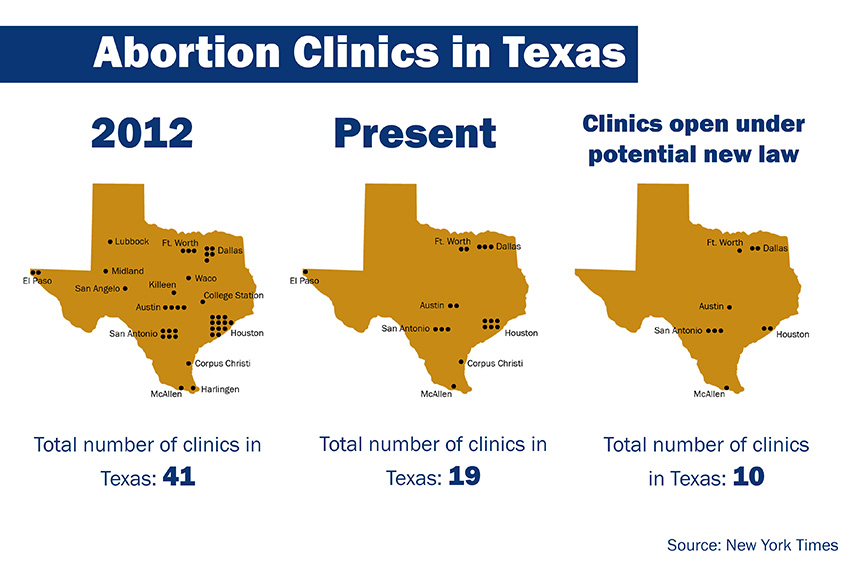
The overturning of Roe v. Wade by the U.S. Supreme Court fundamentally shifted the authority to regulate abortion back to individual states. For Texas, this meant the immediate activation of its pre-existing and recently enacted bans, solidifying the state’s restrictive stance. The implications for individuals seeking abortion care are profound: they must now navigate a system where most in-state clinics no longer offer services, and legal recourse for challenges to the ban has been significantly curtailed. This has created a situation where residents of Texas or those traveling through must often look outside state lines for reproductive healthcare options.
State enforcement of these laws is rigorous, with legal avenues pursued against providers who are perceived to violate the bans. This environment not only deters new providers but also forces existing ones to operate with extreme caution, often leading to comprehensive cessation of abortion services. Consequently, the practical reality for anyone needing an abortion in Texas is that care is virtually inaccessible, compelling individuals to consider interstate travel as their primary option. This scenario underscores the importance of understanding not just the letter of the law, but also its practical impact on access to care when planning travel or considering residency in Texas.

Travel and Lifestyle Implications for Residents and Visitors
The stringent abortion laws in Texas have created a unique set of travel and lifestyle considerations for both its residents and those planning a visit. The focus for many shifts from merely enjoying local attractions like Space Center Houston or the historic Alamo to incorporating potential healthcare contingencies into their travel itineraries. This paradigm shift affects various aspects of personal planning, from vacation destinations to extended stays for business or family. Travelers who value comprehensive access to reproductive healthcare may reconsider Texas as a primary destination, or at least meticulously plan their trips to account for potential medical needs.
For individuals residing in Texas, the laws mean that accessing abortion care often necessitates interstate travel, transforming what would typically be a local medical appointment into a multi-state journey. This involves significant logistical planning, including booking flights or securing ground transportation, arranging accommodation, and managing time off work or other responsibilities. The financial burden can also be substantial, adding travel costs to the existing expenses of medical care. These implications extend beyond direct medical needs, touching upon the broader lifestyle choices, personal freedom, and overall well-being of individuals and families.
Navigating Reproductive Healthcare Travel
When contemplating travel for reproductive healthcare, several factors come into play. The first step involves identifying states with more accessible abortion laws. States like New Mexico, Colorado, Kansas, and Illinois have emerged as common destinations for Texans seeking care, due to their proximity and more permissive legal environments. However, even within these states, regulations can vary, and it is crucial to research specific clinic requirements, waiting periods, and gestational limits. Online resources and reproductive rights organizations often provide up-to-date information on clinic availability and state laws, which are vital for planning.
The logistics of such travel can be complex. This includes not only the journey itself but also coordinating appointments with clinics, which may have limited availability. Some individuals may opt for discreet travel, choosing less direct routes or accommodations that offer privacy. The emotional toll of navigating these challenges alongside a sensitive medical need is also a significant consideration. Therefore, comprehensive planning that accounts for all these aspects, from transportation to emotional support, is essential for anyone embarking on reproductive healthcare travel.
Accommodation and Support Services for Travelers
Securing appropriate accommodation is a key component of reproductive healthcare travel. Depending on the procedure and recovery time, travelers might require a stay of one or more nights. Options range from standard hotels like a Hyatt Place or a Marriott Courtyard for short, functional stays, to more secluded apartment rentals or boutique hotels for added privacy and comfort. When choosing accommodation, factors such as proximity to the clinic, access to public transportation, and amenities like in-room dining or laundry services can be important. Travel guides specializing in discreet or extended stays can offer valuable insights for these unique circumstances.
Beyond physical accommodation, access to support services is equally vital. Several non-profit organizations and grassroots networks have emerged to assist individuals traveling for abortion care. These groups often provide financial aid for travel, accommodation, and the procedure itself, as well as logistical support such as transportation coordination and lodging arrangements with host families or partner hotels. Some even offer emotional support and advocacy. For someone planning such a journey, connecting with these networks can significantly alleviate the burden of travel and ensure a smoother, more supported experience.
Planning Your Journey: Destinations Beyond Texas for Care
For individuals in Texas seeking abortion services, the path often leads beyond state borders to regions where reproductive healthcare remains accessible. This necessity transforms what would typically be a local medical appointment into an interstate travel plan, involving careful research, logistical coordination, and often, significant personal expense. The choice of destination is influenced by factors such as geographical proximity, the specific legal framework of the destination state, and the availability of clinics and support services. From a travel and tourism perspective, this highlights how legislative decisions in one state can directly impact travel patterns and create new “destinations” for specific types of healthcare.
The concept of medical tourism, usually associated with elective procedures or specialized treatments abroad, now applies domestically for reproductive healthcare. Individuals are actively researching and choosing “healthcare destinations” based on legal accessibility, creating unique travel itineraries focused entirely on accessing necessary medical services. This approach requires travelers to become adept at navigating interstate regulations, understanding travel advisories related to healthcare, and identifying supportive environments for their journey.
Exploring Neighboring States with Different Laws
Several states bordering Texas or relatively close by have different, more permissive abortion laws, making them frequent destinations for those seeking care. New Mexico, for instance, has enshrined abortion access into state law and sees a significant number of patients traveling from Texas. Cities like Albuquerque and Las Cruces in New Mexico offer clinics and support systems tailored to out-of-state patients. Similarly, Colorado has strong protections for abortion access, drawing travelers to cities like Denver or Boulder. Kansas, while having some restrictions, still offers more access than Texas, particularly in its major cities like Wichita or Kansas City (on the Kansas side).
Farther afield, but still within a reasonable travel distance for some, states like California, Washington, and Oregon on the West Coast, or Illinois, New York, and Maryland in other regions, offer broad access and have robust infrastructure for reproductive healthcare. These destinations might be chosen for later-term care, greater privacy, or personal preferences, despite the longer travel. Each state has its own specific set of regulations, waiting periods, and residency requirements (or lack thereof), making careful research on current laws and clinic availability paramount before booking any travel.
Essential Travel and Accommodation Considerations
Embarking on a journey for healthcare necessitates meticulous planning, particularly concerning travel and accommodation. For travel, options include flying to a major city with accessible clinics, like Denver International Airport for Colorado care, or driving, depending on distance and personal preference. Booking flights and rental cars well in advance can help manage costs and ensure availability, especially if travel needs arise unexpectedly. It is advisable to consider travel insurance, though its coverage for this specific type of medical travel should be carefully reviewed.
Accommodation plays a crucial role in ensuring a comfortable and discreet experience. Travelers might prioritize hotels that offer extended stay options, suites with kitchenettes, or those with strong privacy policies. Booking through platforms that allow for flexible cancellation is often a wise choice, as appointments can sometimes shift. For those seeking maximum privacy, smaller boutique hotels or private rentals through services like Airbnb might be preferable. Some support organizations work with partner hotels or offer arrangements for temporary housing, which can be invaluable resources. Understanding the local transport options around the chosen accommodation and clinic is also key, whether it’s ride-sharing, public transit, or taxis.
The Broader Lifestyle Impact and Informed Decision-Making
The legal landscape surrounding abortion in Texas extends its influence far beyond direct healthcare access, profoundly shaping lifestyle choices, family planning, and even the considerations individuals make when deciding where to live, work, or pursue education. For many, the ability to access comprehensive reproductive healthcare is an integral component of their personal autonomy and long-term life planning. When this access is severely restricted, it prompts a reevaluation of what it means to live or travel within the state, impacting everything from career decisions to where families choose to raise their children.
This situation underscores the importance of informed decision-making for anyone with ties to Texas. Whether you are a long-time resident of El Paso, a student considering universities in College Station, or a digital nomad exploring lifestyle options across the country, understanding the implications of state-level laws on reproductive healthcare becomes a critical factor in personal and professional planning. It integrates into the broader dialogue of lifestyle tourism, where individuals assess not just the attractions and amenities of a destination, but also its legal and social environment.
Lifestyle Choices and Personal Autonomy
For many women and couples, the ability to make decisions about their reproductive health is central to their lifestyle and future planning. In a state with restrictive abortion laws like Texas, this aspect of personal autonomy is significantly challenged. This can influence decisions about career advancement, family size and timing, and even the desirability of Texas as a long-term home. Individuals and families may consider relocating to states with more comprehensive reproductive healthcare access, or at least factor these laws into their decision-making process for where to live, work, and retire.
Moreover, the lifestyle implications extend to travel for pleasure or business. Women traveling to Texas may need to consider potential medical emergencies and their limited options within the state. This might lead some to prefer destinations where comprehensive medical care, including reproductive health services, is more readily available. For businesses, the ability to attract and retain talent can also be affected, as potential employees weigh the benefits of working in Texas against its healthcare policies. Thus, these laws contribute to a broader set of lifestyle considerations that shape where people choose to live and how they engage with various destinations.
Resources for Informed Travel Planning
Navigating the complexities of abortion laws and their travel implications requires access to reliable and up-to-date information. Fortunately, a variety of resources exist to assist individuals in making informed travel and lifestyle decisions. Reputable reproductive rights organizations, both national and state-specific, often publish comprehensive guides on state laws, clinic availability, and financial assistance programs for out-of-state travel. Websites dedicated to medical tourism or women’s health may also offer insights into destinations with accessible care and practical travel tips.
Before planning any travel for healthcare, it is highly recommended to consult with a trusted medical professional or a legal expert who specializes in reproductive health law. While this article provides a general overview, individual circumstances and the ever-evolving legal landscape necessitate personalized advice. Additionally, for those planning extended stays or considering relocation to Texas, researching local community resources and advocacy groups can provide valuable insights into the social and political environment surrounding reproductive rights. Being well-informed is the first step toward making choices that align with personal values and lifestyle needs, ensuring a safe and manageable journey regardless of the destination.
In conclusion, understanding Texas’s abortion laws is a critical piece of information for anyone considering travel to, or residency within, the state. While Texas offers a wealth of travel experiences, from the historical Fort Worth Stockyards to the vibrant nightlife of Austin, the current legal framework surrounding reproductive healthcare introduces significant considerations for personal and family planning. By staying informed about the laws, researching available resources, and carefully planning travel and accommodation, individuals can navigate this complex landscape and make the best decisions for their health and lifestyle.
LifeOutOfTheBox is a participant in the Amazon Services LLC Associates Program, an affiliate advertising program designed to provide a means for sites to earn advertising fees by advertising and linking to Amazon.com. Amazon, the Amazon logo, AmazonSupply, and the AmazonSupply logo are trademarks of Amazon.com, Inc. or its affiliates. As an Amazon Associate we earn affiliate commissions from qualifying purchases.