
Embarking on a journey to the United States, particularly the vast and diverse state of Texas, requires more than just planning your itinerary of destinations and attractions. A fundamental, yet often overlooked, aspect of seamless travel is understanding the local time. Texas, the second-largest state in the nation, spans over 268,000 square miles, encompassing a wide array of landscapes, vibrant cities, and unique cultural experiences. From the bustling metropolitan hubs of Dallas and Houston to the historic charm of San Antonio and the rugged beauty of Big Bend National Park, time plays a pivotal role in ensuring your trip unfolds without a hitch. Whether you’re a business traveler with back-to-back meetings, a family on an adventure, or a solo explorer seeking cultural immersion, knowing the precise time and understanding the state’s time zones is crucial for everything from catching flights and checking into your preferred accommodation to making dinner reservations and attending local events. This comprehensive guide will equip you with all the necessary information to navigate the time in Texas, ensuring your focus remains on enjoying the rich experiences the Lone Star State has to offer.
Navigating Time Zones in the Lone Star State
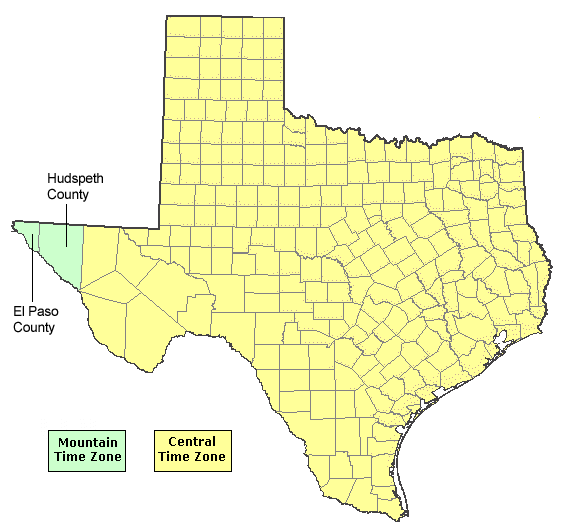
The sheer size of Texas means that it doesn’t uniformly adhere to a single time zone. While the vast majority of the state observes one particular time zone, a crucial exception exists in its westernmost reaches. Understanding this distinction is paramount for travelers, especially those planning to traverse the state from east to west or vice-versa, or anyone with connections in these differing time zones.
Central Time vs. Mountain Time: A Crucial Distinction
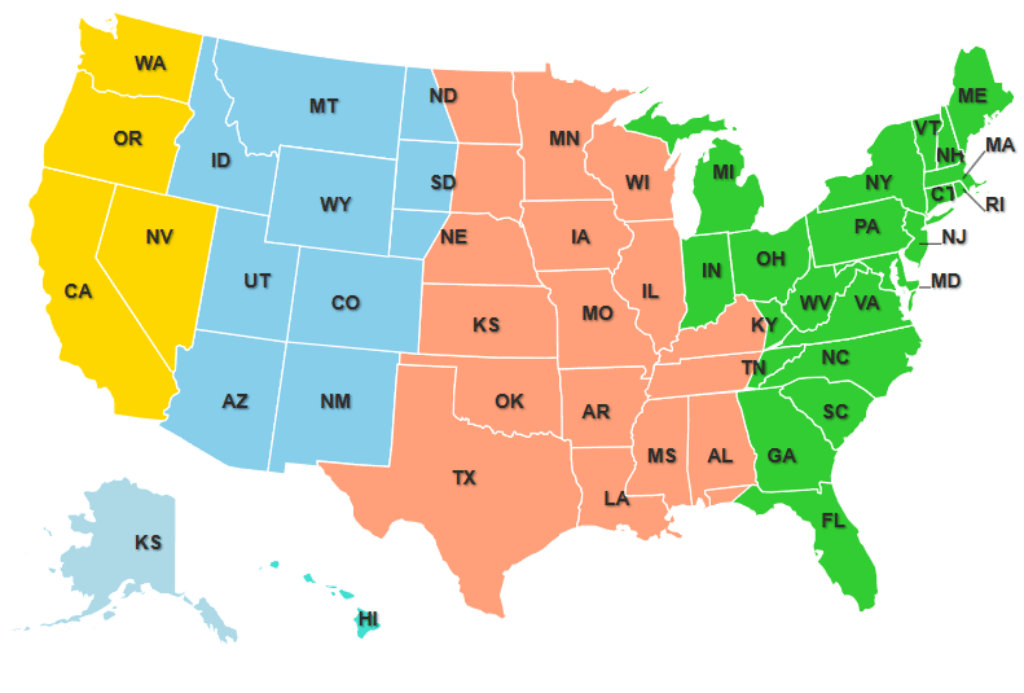
For most of its expansive territory, Texas operates on the Central Time Zone. This includes all major cities such as Houston, Dallas, San Antonio, Austin, Fort Worth, Galveston, and Amarillo. During standard time, this is referred to as Central Standard Time (CST), which is UTC-6. When Daylight Saving Time is in effect, it switches to Central Daylight Time (CDT), which is UTC-5. If you’re planning a trip to the bustling downtown of Houston to visit the Space Center Houston or exploring the historic River Walk in San Antonio, you’ll be operating on Central Time (CT).
However, a notable exception applies to the two westernmost counties of Texas: El Paso County and Hudspeth County. These counties observe the Mountain Time Zone. This means that during standard time, they are on Mountain Standard Time (MST), which is UTC-7, and during Daylight Saving Time, they switch to Mountain Daylight Time (MDT), which is UTC-6. Consequently, when the majority of Texas is observing CT, El Paso and its surrounding areas are one hour behind. This time difference is crucial when planning your travel logistics, such as coordinating flights that might connect through El Paso International Airport or driving across county lines to visit Guadalupe Mountains National Park, which straddles both Hudspeth County and Culberson County (the latter of which is also in Mountain Time). Always double-check your device’s time zone settings and local signage when you’re in the El Paso region to avoid any scheduling mishaps.
Daylight Saving Time in Texas: What You Need to Know
Like most of the United States, Texas observes Daylight Saving Time (DST). This means that on the second Sunday in March, clocks “spring forward” one hour, effectively moving from CST to CDT and from MST to MDT. Clocks then “fall back” one hour on the first Sunday in November, returning to standard time. This shift is particularly important for travelers. A flight scheduled for early morning on the day DST begins could effectively be an hour earlier in real time than you anticipated, or a late check-out from your hotel might suddenly be an hour less than expected.
The transition periods around March and November demand extra vigilance. It’s not uncommon for travelers to miss appointments, flights, or tours due to incorrectly adjusting their internal clock or relying solely on outdated information. Ensure your smartphone’s automatic time zone setting is enabled, and always confirm critical timings, such as airport shuttle departures or tour starting times, with the local providers. This small but significant adjustment can impact your entire travel rhythm, affecting everything from waking up for an early Dallas business meeting to catching a sunset view at South Padre Island. Awareness of DST changes is a hallmark of an organized and stress-free travel experience.

Time Management for a Seamless Texas Travel Experience
Effective time management is the bedrock of any successful trip, and a visit to Texas is no exception. Given its vastness and diverse offerings, understanding how local time impacts various aspects of your journey — from logistics to leisure — is essential for maximizing your enjoyment and minimizing potential headaches.
Planning Your Itinerary: Flights, Hotels, and Attractions
When piecing together your travel itinerary, time is an invisible, yet omnipresent, factor. For travel logistics, always confirm flight departure and arrival times based on the local time zone of each airport. A flight from Houston to El Paso, for example, will involve a time zone change, meaning you gain an hour on the way there but lose one on the return. This can be crucial for connecting flights or car rental pickups. When booking your accommodation, be mindful of hotel check-in and check-out times. Most hotels, whether it’s the luxurious Hotel Emma in San Antonio or a cozy bed and breakfast in Fredericksburg, operate strictly by local time. An early arrival or late departure might incur additional fees, so understanding the local clock helps you plan accordingly. For instance, a business traveler staying at the Four Seasons Hotel Austin will need to align their agenda to the capital city’s Central Time.
Exploring Texas’s incredible attractions and engaging in its diverse tourism activities also hinges on good timekeeping. Landmarks like The Alamo in San Antonio, museums, theme parks, and national parks all have specific operating hours. Missing the last entry time for a popular museum or a scheduled tour can be disappointing. Dining reservations, especially at popular eateries in cities like Austin, are typically booked down to the minute. Ensure you account for travel time between locations and potential delays. For those seeking unique experiences, a wine tour in the Texas Hill Country or a visit to the historic Grapevine train depot will operate on their specific timetables. Even for long-term accommodation, knowing the time influences utility services, delivery schedules, and property management interactions.
Time and Local Lifestyle: Embracing the Texas Pace
The local rhythm of life in Texas is intrinsically linked to its time zones, influencing everything from dining habits to leisure pursuits. Embracing this pace can greatly enrich your travel experience. When it comes to local culture and food, understanding typical meal times can enhance your culinary journey. Texans generally dine earlier than in some other regions, especially in more rural areas. Lunch might be from 12 PM to 1 PM, and dinner often starts around 6 PM. If you’re planning to experience authentic Texas BBQ, arrive earlier rather than later, as popular spots can sell out. Local festivals, rodeos, and music events, a cornerstone of Texas’s vibrant activities and experiences, are scheduled precisely. Checking the official event times and arriving punctually ensures you don’t miss any of the action.
For business stays, timing is everything. Syncing your meetings and appointments with local business hours (typically 9 AM to 5 PM CT or MT) is vital. Many premium hotels like the Grand Hyatt Dallas or the Marriott Marquis Houston offer executive lounges and services designed for business travelers, where adhering to schedules is key. For family trips, managing time effectively means balancing sightseeing with children’s nap times, meal breaks, and early bedtimes. Knowing the local time helps create a realistic and enjoyable schedule for everyone. If you’re on a budget travel adventure, certain attractions or transportation options might offer discounted rates during off-peak hours, which are naturally tied to the clock. Additionally, considering the time of year and time of day for outdoor activities, such as exploring state parks, is essential for comfort and safety, especially given the Texas heat.
Practical Tips for Staying on Schedule in Texas
To ensure your Texas adventure runs smoothly, here are some practical tips to help you stay on schedule and navigate the various time considerations effectively:
- Utilize Automatic Time Zone Settings: Your smartphone or smart device is your best friend. Ensure its settings are configured to automatically update the time zone. This way, when you cross into El Paso County or during Daylight Saving Time shifts, your device will adjust itself, preventing confusion.
- Confirm Local Times for Specific Destinations: Don’t assume. If you’re traveling across the state or have precise appointments, always double-check the local time for that specific city or region within Texas. Websites, travel apps, and direct calls to venues can provide the most accurate information. This is especially true for popular resorts like the Gaylord Texan Resort & Convention Center in Grapevine or the JW Marriott San Antonio Hill Country Resort & Spa, where activity schedules are often packed.
- Reconfirm Reservations: A day or two before an important reservation (flight, hotel, tour, or dining), reconfirm the time. This simple step can avert potential issues arising from unexpected schedule changes or miscommunications. This is good practice for any form of accommodation from boutique hotels to extended-stay apartments.
- Account for Travel Time and Buffers: Texas is expansive, and traffic, especially in major cities like Houston or Dallas, can be significant. Always factor in extra travel time between your hotel and attractions, or between different parts of a city. Building in a buffer for unexpected delays can save you stress.
- Be Punctual: While the ” Texas pace” might imply a relaxed attitude, showing up on time for tours, reservations, and appointments is always appreciated and ensures you get the most out of your scheduled experiences. This is particularly important for structured tourism activities.
- Hotel Services for Time Zone Adjustments: Many high-end hotels, particularly those catering to luxury travel or business stays like The Houstonian Hotel, Club & Spa in Houston, are accustomed to guests arriving from different time zones. Don’t hesitate to ask about early check-in options, late check-out services, or even concierge assistance for managing time-sensitive bookings. They often have services designed to help you adjust and stay organized.
In conclusion, while the question “What time is it in Texas, US?” might seem straightforward, the answer carries significant implications for any traveler. By understanding the state’s time zones, the impact of Daylight Saving Time, and incorporating effective time management into your planning, you can ensure your Texas journey is as smooth, enjoyable, and memorable as the Lone Star State itself. With these tips in hand, you’re ready to explore Texas without missing a beat.
LifeOutOfTheBox is a participant in the Amazon Services LLC Associates Program, an affiliate advertising program designed to provide a means for sites to earn advertising fees by advertising and linking to Amazon.com. Amazon, the Amazon logo, AmazonSupply, and the AmazonSupply logo are trademarks of Amazon.com, Inc. or its affiliates. As an Amazon Associate we earn affiliate commissions from qualifying purchases.