
Texas, the second-largest state in the United States by both area and population, is a land of vast plains, rugged mountains, sprawling cities, and an unmistakable cultural identity. From the vibrant cosmopolitan centers of Houston and Dallas to the historic charm of San Antonio and the unique desert landscapes of West Texas, the Lone Star State offers an incredible array of experiences for travelers. However, its immense size means that navigating Texas isn’t just about understanding its geography; it also requires a grasp of its time zones. While the majority of Texas observes the Central Time Zone (CT), a significant portion of its westernmost reaches operates on Mountain Time Zone (MT), creating a unique temporal divide that can impact travel plans, business arrangements, and daily life.
For anyone planning a trip, booking accommodations, or even just calling friends and family within the state, knowing the correct time zone is crucial. This comprehensive guide will delve into the intricacies of Texas’s time zones, offering insights for tourists, business travelers, and those simply curious about how time works in this grand North American state.
The Lone Star State’s Dual Time Zones
Understanding the temporal landscape of Texas begins with recognizing that it spans two official time zones. This dual system is a direct consequence of the state’s expansive east-to-west breadth, which crosses multiple meridians.
Central Time Zone (CT) Dominance
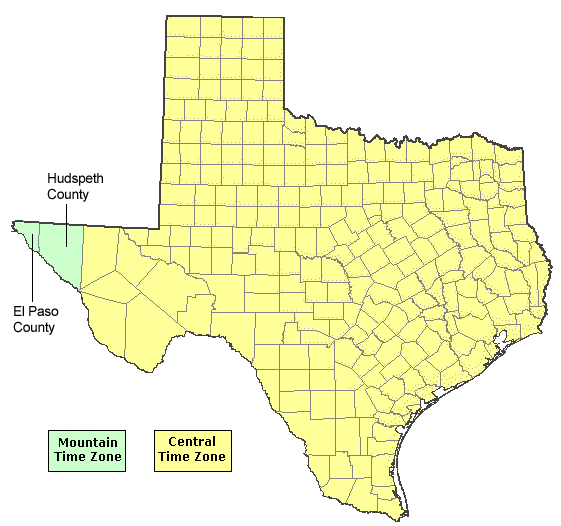
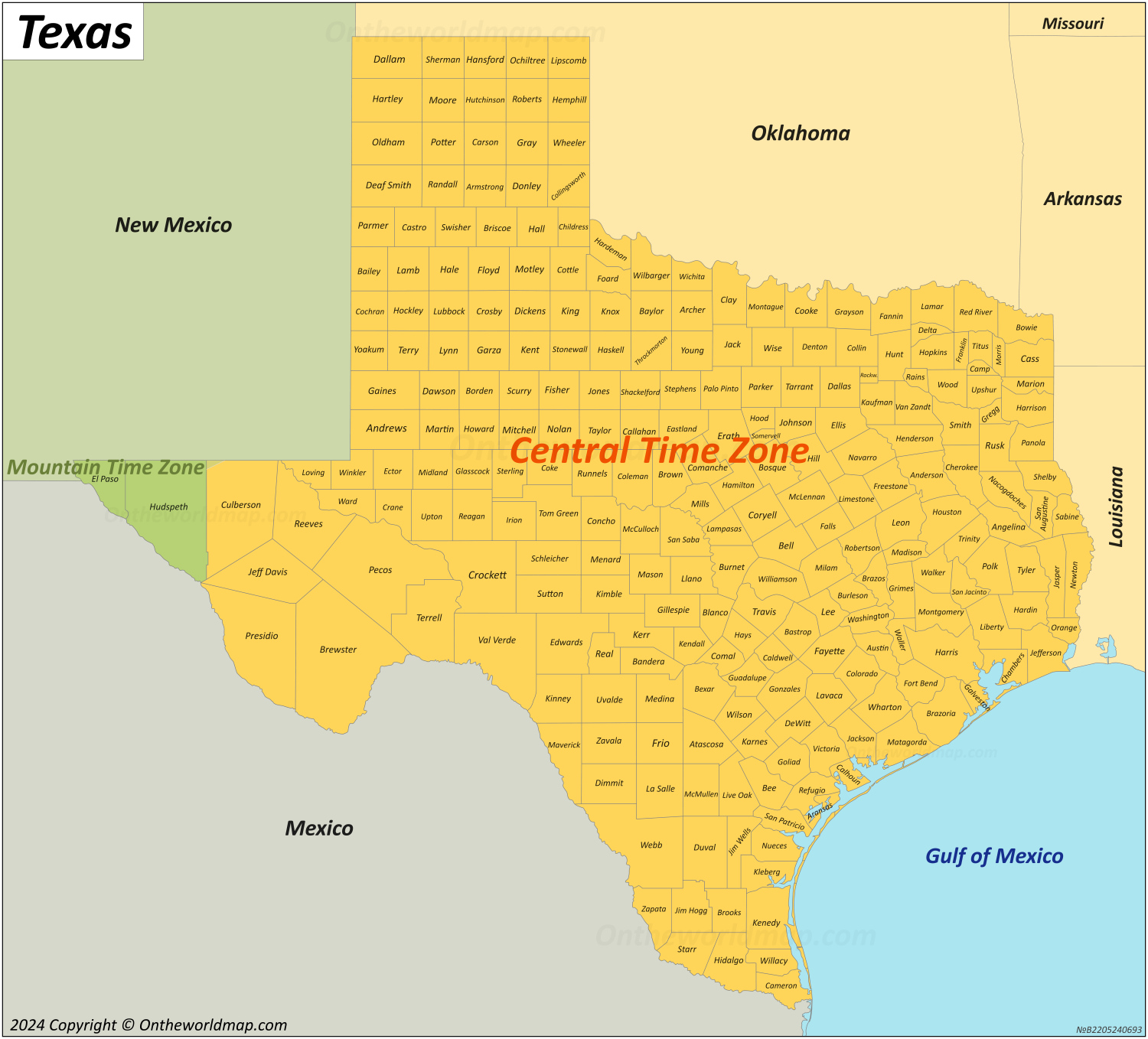
The overwhelming majority of Texas falls within the Central Time Zone. This includes all the major metropolitan areas and popular tourist destinations that most visitors associate with the state. When you hear “Texas time,” it’s almost always referring to CT.
The Central Time Zone operates as Central Standard Time (CST) during the fall and winter months, which is 6 hours behind Coordinated Universal Time (UTC-6). During spring and summer, the state observes Central Daylight Time (CDT), moving an hour forward to UTC-5. This observance of Daylight Saving Time is consistent across nearly the entire state.
Cities and regions adhering to CT include:
- Major Metros: Houston, Dallas, Austin, San Antonio, and Fort Worth.
- Coastal Destinations: Galveston and South Padre Island.
- North and East Texas: Including the Panhandle cities like Amarillo and the piney woods of the Big Thicket National Preserve.
- Central and South Texas: Stretching down to the Mexico border.
Essentially, if you’re traveling anywhere from Oklahoma or Arkansas in the north and east, through the state’s heartland, and down to the Gulf Coast, you’ll be on Central Time. This zone also aligns Texas with neighboring states like Oklahoma, Louisiana, and parts of New Mexico to the immediate east.
Mountain Time Zone (MT) in Far West Texas
While CT covers the vast majority, a distinct portion of West Texas observes the Mountain Time Zone. This region is primarily defined by the county of El Paso and its immediate surroundings.
When it’s Mountain Standard Time (MST), the clock is 7 hours behind Coordinated Universal Time (UTC-7). During Daylight Saving Time, it shifts to Mountain Daylight Time (MDT), becoming UTC-6. This means that El Paso is consistently one hour behind Central Time.
The primary city in this time zone is El Paso, a vibrant border city with a rich Southwest culture, nestled against the Franklin Mountains. This area also encompasses significant natural landmarks, including:
- Guadalupe Mountains National Park, home to the highest peak in Texas, Guadalupe Peak.
- Franklin Mountains State Park, offering stunning desert views and hiking trails.

The Mountain Time Zone boundary in Texas roughly follows the line of counties just east of El Paso. While a few smaller communities immediately adjacent to El Paso also adhere to MT, the vast, sparsely populated Trans-Pecos region further east, including the areas around Big Bend National Park, surprisingly remains on Central Time. This can be a source of confusion, as geographically, Big Bend feels very much like a Mountain Time Zone location, bordering New Mexico and Mexico which largely observe MT.
Navigating Time Across Texas for Travelers
For travelers, the presence of two time zones within Texas necessitates careful planning. Whether you’re on a cross-state road trip, flying between cities, or coordinating with locals, being aware of the time difference is paramount to a smooth and enjoyable travel experience.
Planning Your Itinerary: Impact on Travel and Tourism
When planning your Texas itinerary, especially if it involves traversing the western part of the state, remember the one-hour shift.
- Flights and Transportation: If flying from Dallas/Fort Worth International Airport (CT) to El Paso International Airport (MT), your flight duration might seem shorter on paper due to gaining an hour. Conversely, flying east from El Paso to Houston George Bush Intercontinental Airport (CT) will feel an hour longer. Always confirm your flight times with the local time at your destination.
- Road Trips: A scenic drive through the Big Bend Region into El Paso will involve crossing this time boundary. While most GPS devices automatically adjust, understanding the change prevents missed appointments or unexpected delays. For example, if you plan to visit Big Bend National Park (CT) and then drive to El Paso (MT), remember that El Paso will be an hour behind, allowing you a “bonus” hour upon arrival.
- Attraction Hours and Events: Most tourist attractions, museums, and national parks operate on local time. This means a gallery in Austin might close at 5 PM CT, while a historical site in El Paso could close at 5 PM MT, effectively giving you an extra hour of daylight in El Paso compared to the rest of the state. Always double-check operating hours based on the specific location’s time zone. This is particularly important for timed entries or tour bookings.
Accommodation and Business Considerations
The time zone difference also plays a significant role in booking accommodations and conducting business.
- Hotel Check-ins/Check-outs: When reserving a hotel in El Paso from a Central Time Zone location, ensure you understand that their local check-in time will be an hour “earlier” relative to your departure point. For example, a 3 PM check-in in El Paso feels like 4 PM if you’re mentally operating on CT. This is generally handled seamlessly by booking systems, but it’s good to be aware.
- Business Meetings and Communications: For business travelers, miscalculating time zones can lead to missed meetings or miscommunications. When scheduling calls or virtual meetings that involve participants from both Central and Mountain Time Zones within Texas, explicit clarification of the time zone for each participant is essential. For instance, a 10 AM meeting in Dallas will be 9 AM in El Paso. This applies equally to coordinating with local vendors, tour operators, or clients.
- Banking and Services: While less critical for short-term tourists, those planning longer stays or conducting financial transactions should remember that banking hours and other service windows will adhere to the local time zone.
Understanding Time Zones: Practical Tips for Visitors
Adapting to Texas’s time zones doesn’t have to be complicated. With a few simple tips, you can ensure your trip runs smoothly.
Essential Tools and Apps
Modern technology has made navigating time zones significantly easier.
- Smartphones and Devices: Most smartphones, smartwatches, and laptops automatically detect and adjust to the local time zone when connected to the internet or GPS. Ensure your device’s automatic time zone setting is enabled.
- Navigation Apps: Google Maps, Apple Maps, and other navigation tools typically display arrival times in the local time of the destination, which is incredibly helpful for road trips crossing time zone boundaries.
- World Clock Apps: Dedicated world clock applications can display multiple time zones simultaneously, which is useful for coordinating with people in different parts of Texas or beyond.
Embracing the Texan Lifestyle and Time
Beyond the technicalities, understanding the time zones contributes to embracing the full Texan lifestyle.
- Pacing Your Day: The shift to Mountain Time in El Paso means that sunsets occur later in the day compared to Central Time locations. This can extend your daylight hours for outdoor activities, offering more time to explore landmarks like the Franklin Mountains or enjoy an evening on a patio.
- Cultural Nuances: While the time zone difference is a practical consideration, it also subtly highlights the diverse geographical and cultural influences within Texas. El Paso feels more connected to the Southwest states like New Mexico and Arizona (which also uses MT), reflecting its distinct identity compared to the rest of Texas.
Iconic Destinations and Their Time Zones
To further clarify, let’s look at some of Texas’s most beloved landmarks and destinations and their corresponding time zones.
Central Time Zone Highlights
The vast majority of Texas’s iconic attractions are comfortably within the Central Time Zone, meaning visitors will experience them on the same time as Dallas, Houston, and Austin.
- The Alamo & San Antonio Riverwalk: These historic and vibrant sites in San Antonio operate on CT. Plan your strolls and missions visits accordingly.
- Space Center Houston: The official visitor center of NASA Johnson Space Center in Houston runs on CT.
- Sixth Floor Museum at Dealey Plaza: Located in Dallas, this historical museum follows CT.
- Fort Worth Stockyards National Historic District: Catch the cattle drives and rodeo shows in Fort Worth on CT.
- Austin’s Live Music Scene & Texas State Capitol: All the cultural attractions and government buildings in the state capital adhere to CT.
- Big Bend National Park: Despite its remote, far West Texas location bordering Mexico and its mountainous landscape, Big Bend National Park is surprisingly on Central Time. This is a common point of confusion for visitors and is important to remember when planning activities in the park or connecting with services outside. The towns of Marfa, Alpine, and Fort Davis, which serve as gateways to the Big Bend Region and are home to attractions like the McDonald Observatory, also observe CT.
Mountain Time Zone Gems
The unique cultural and natural beauty of West Texas in the Mountain Time Zone offers a distinct experience.
- El Paso City Attractions: From the Mission Trail to its vibrant downtown, all activities in El Paso are on MT. If you’re coordinating with someone in Dallas, remember they are one hour ahead.
- Guadalupe Mountains National Park: Explore the highest peaks in Texas at Guadalupe Mountains National Park, which is entirely within the Mountain Time Zone. This also makes it align with its close neighbor, Carlsbad Caverns National Park, just across the border in New Mexico.
- Franklin Mountains State Park: Enjoy hiking and breathtaking desert vistas within this state park, operating on MT.
In conclusion, while the question “What time zone is it in Texas?” largely points to the Central Time Zone, the nuanced reality includes a significant and culturally rich segment of West Texas that observes Mountain Time. Whether you’re planning a luxurious resort stay in Dallas, a budget-friendly road trip through the Chihuahuan Desert, or exploring historic landmarks across the state, being mindful of these time differences will ensure a seamless and enjoyable Texan adventure. Always cross-reference local times, especially when booking accommodations, flights, or scheduling activities, to make the most of your time in this diverse and magnificent state.
LifeOutOfTheBox is a participant in the Amazon Services LLC Associates Program, an affiliate advertising program designed to provide a means for sites to earn advertising fees by advertising and linking to Amazon.com. Amazon, the Amazon logo, AmazonSupply, and the AmazonSupply logo are trademarks of Amazon.com, Inc. or its affiliates. As an Amazon Associate we earn affiliate commissions from qualifying purchases.