
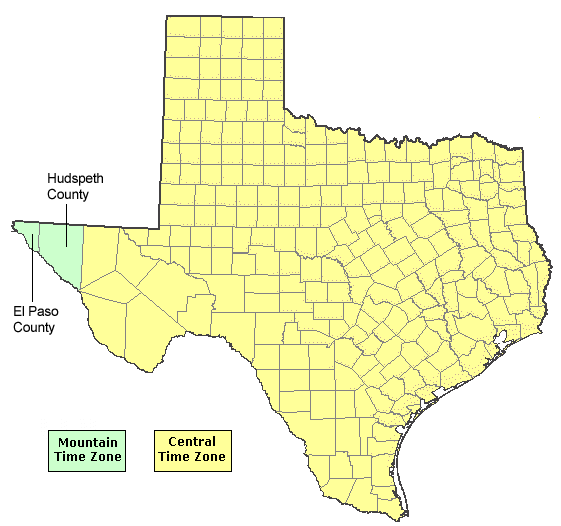
For anyone planning a trip, relocating, or simply curious about the timing of events in the Lone Star State, understanding the local timezone is a fundamental piece of information. Dallas, Texas, a vibrant metropolis renowned for its thriving economy, rich cultural scene, and iconic landmarks, operates on Central Standard Time (CST). This places Dallas six hours behind Coordinated Universal Time (UTC-6) during standard time. When Daylight Saving Time (DST) is observed, the city switches to Central Daylight Time (CDT), moving one hour forward to UTC-5. This seemingly simple fact has a ripple effect on everything from flight schedules and hotel check-ins to planning your sightseeing itinerary and adapting to the local lifestyle.
Understanding Dallas’s Central Standard Time (CST)
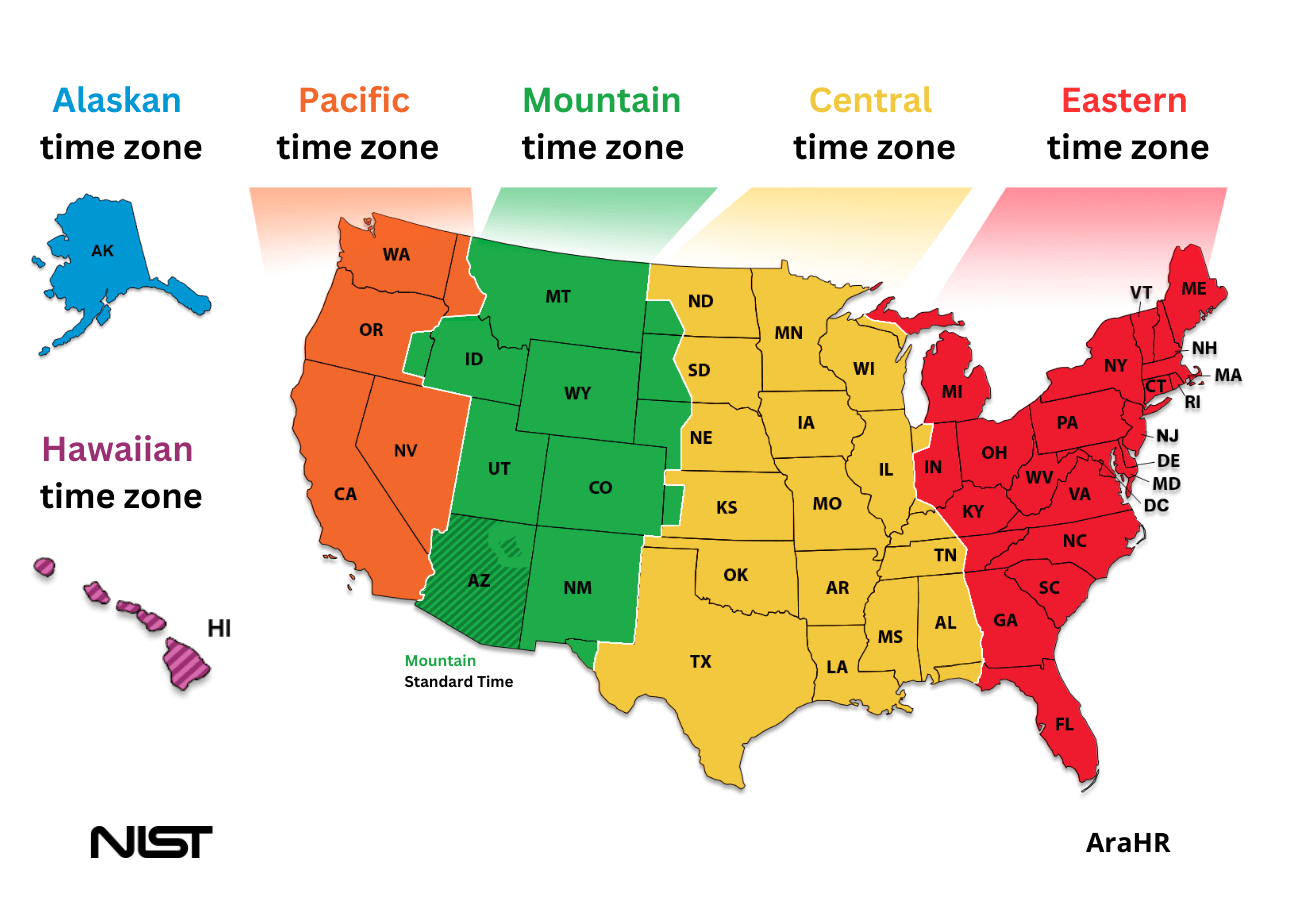
Dallas’s position within the Central Time Zone is a key geographical and temporal marker in the United States. This timezone spans a significant portion of North America, encompassing states from the Great Lakes region down to the Gulf Coast, and even extending into parts of Canada and Mexico. For travelers and residents alike, knowing that Dallas is on CST is the first step in synchronizing with the city’s rhythm.
The Basics: CST and Daylight Saving Time (DST)
Central Standard Time (CST) is observed from early November to mid-March. During this period, when it’s noon in Dallas, it’s 1 p.m. in the Eastern Time Zone (e.g., New York City) and 10 a.m. in the Pacific Time Zone (e.g., Los Angeles). The shift to Central Daylight Time (CDT) typically occurs on the second Sunday in March, when clocks “spring forward” an hour. They “fall back” to CST on the first Sunday in November. This annual adjustment, while familiar to many, can sometimes catch unsuspecting travelers off guard, particularly those crossing multiple time zones or arriving from regions that do not observe DST.
The consistency of the Central Time Zone across cities like Chicago, New Orleans, and Kansas City means that businesses, travel services, and residents within this broad swath of the country operate on the same temporal framework. This uniformity simplifies inter-state travel and communication within the central United States, fostering a cohesive economic and social environment. However, for those arriving from outside this zone, especially from international destinations, the adjustment can be significant.
Practical Implications for Travelers
Understanding the CST and CDT cycle is crucial for seamless travel planning to Dallas. Jet lag, for instance, can be more pronounced for individuals traveling westward across several time zones, as their internal clock struggles to adjust to an earlier time. Conversely, eastward travelers might find themselves waking earlier than usual. Hotels and accommodation providers in Dallas strictly adhere to the local time for check-in and check-out procedures, meaning a late arrival or early departure can impact your stay. For example, if you book a flight arriving at 9 AM Dallas time but your body clock is still on Pacific Time (7 AM), you might find yourself waiting longer for your room to be ready or struggling to adjust to the early morning hustle.
Similarly, planning your visits to popular attractions like the Sixth Floor Museum at Dealey Plaza, Reunion Tower, or catching a game at the American Airlines Center requires an accurate understanding of opening and event times in local Dallas time. Missed reservations for dining experiences in the Bishop Arts District or a performance in the Dallas Arts District can easily occur if time differences are not properly accounted for. Moreover, business travelers will find it essential to confirm meeting times and conference schedules in CST or CDT to avoid miscommunications with local partners.
Navigating Travel and Tourism in Dallas with Time in Mind
Dallas’s status as a major travel hub, with Dallas/Fort Worth International Airport (DFW) being one of the busiest in the world and Love Field Airport serving as a key regional gateway, means that millions of travelers pass through its terminals annually. Effective time management, informed by the local timezone, is paramount for a stress-free and enjoyable experience.
Planning Your Itinerary: Flights, Check-ins, and Attractions
When booking flights to Dallas, all arrival and departure times will be listed in local time. This means if you are flying from London (GMT/UTC+0), a flight arriving at 3 PM CST would be 9 PM GMT, requiring careful consideration for sleep schedules and onward travel plans. Accommodation bookings also hinge on local time. Most hotels in Dallas, whether luxury resorts like the Four Seasons Resort and Club Dallas at Las Colinas or budget-friendly options, typically have check-in times in the afternoon (e.g., 3 PM CST) and check-out times around midday (e.g., 11 AM CST). Arriving much earlier or later than anticipated might necessitate arranging for early check-in or late check-out, potentially incurring additional fees or requiring temporary luggage storage.
For tourists, planning your days around the local time ensures you maximize your visit to Dallas’s many attractions. Museums, parks like Klyde Warren Park, shopping districts in Uptown Dallas, and restaurants all operate on specific hours. For instance, dining reservations should be made with the local time in mind, especially for popular spots in Deep Ellum or the Bishop Arts District that can fill up quickly. Event timings, whether it’s a concert, a sports game featuring the Dallas Mavericks or Dallas Stars, or a show at the AT&T Performing Arts Center, are always listed in CST or CDT. Missing the start of an event due to a timezone miscalculation can be a frustrating oversight.
Bridging the Time Gap: Tips for International and Cross-Country Visitors
Adjusting to Dallas’s timezone is critical for international visitors and those traveling across several domestic time zones. Here are a few tips to help smooth the transition:
- Adjust Before You Go: Gradually shift your sleep schedule a few days before your trip to align closer with Dallas’s time.
- Stay Hydrated: Dehydration can exacerbate jet lag symptoms. Drink plenty of water during your flight and upon arrival.
- Embrace Local Time Immediately: As soon as you land in Dallas, set your watch to CST/CDT and try to follow the local schedule for meals and sleep. Exposing yourself to natural daylight during the day can help reset your body clock faster.
- Plan for Rest: Don’t overschedule your first day. Allow for some downtime to acclimatize. Consider booking a hotel that offers comfortable amenities and soundproofing to ensure quality sleep, like the Omni Dallas Hotel or Hyatt Regency Dallas.
- Communicate Clearly: When making plans with locals or confirming reservations, always specify that you are referencing Dallas time to avoid any misunderstandings.
Dallas: A Hub for Accommodation, Lifestyle, and Landmarks
Beyond the practicalities of time, Dallas offers a rich tapestry of experiences that cater to diverse lifestyles and preferences, all enjoyed within the city’s unique Central Time Zone rhythm. From luxurious stays to cultural excursions, the city’s pulse is distinctively Texan.
Top Hotels and Unique Stays for Every Lifestyle
Dallas’s accommodation scene is as diverse as its population. For those seeking luxury and indulgence, hotels like The Joule offer boutique elegance and downtown convenience, while the historic Adolphus Hotel blends classic charm with modern amenities. Resorts such as the Four Seasons Resort and Club Dallas at Las Colinas or the sprawling Gaylord Texan Resort & Convention Center in nearby Grapevine provide extensive facilities, including golf courses, spas, and multiple dining options – perfect for longer stays or family vacations.
Travelers on a budget or those looking for a unique, local experience might explore boutique hotels in areas like the Bishop Arts District or consider apartment rentals for a more immersive stay. For business travelers, many hotels like Hotel ZaZa Dallas offer dedicated suites, executive lounges, and ample meeting spaces, ensuring productivity regardless of the time difference with their home office. Regardless of your choice, ensuring your booking confirmation clearly states check-in/check-out times in Dallas local time is always a good practice.
Iconic Landmarks and Cultural Experiences to Explore
Dallas’s landmarks tell the story of a city that embraces both its historical past and its futuristic aspirations. The poignant Sixth Floor Museum at Dealey Plaza offers a solemn look into a pivotal moment in American history, while the Dallas Arts District boasts world-class institutions like the Dallas Museum of Art and the Nasher Sculpture Center, making it a cultural powerhouse. The panoramic views from Reunion Tower’s GeO-Deck provide a spectacular perspective of the sprawling cityscape, especially beautiful at sunset, which, depending on the time of year, can vary widely in CST or CDT.
Nature lovers can find solace and beauty at the Dallas Arboretum and Botanical Garden, while families will delight in the wonders of the Dallas World Aquarium. Each of these attractions adheres to specific operating hours, and checking their websites for the most current schedules, always listed in local time, is essential for seamless planning. For instance, during the annual State Fair of Texas, extended hours are common, but they will still follow the Dallas timezone.
Culinary Delights and Entertainment Across Time Zones
Dallas’s culinary scene is a vibrant fusion of flavors, ranging from authentic Texas barbecue joints to upscale international dining. Whether you’re craving a late-night snack in Deep Ellum after a concert or an early brunch in Uptown, the city’s restaurants and cafes are attuned to the local rhythm. Remember that peak dining hours will naturally follow CST/CDT, so making reservations, especially for popular establishments, is advisable.
The entertainment options are equally diverse, encompassing live music venues, theaters, and sports events. Catching a Dallas Cowboys game at AT&T Stadium in nearby Arlington or cheering on the Dallas Mavericks at the American Airlines Center are quintessential Dallas experiences. All game times and concert schedules are published in CST/CDT, requiring careful attention for those traveling from other time zones to avoid missing the start of the action.
Maximizing Your Dallas Experience: Beyond the Clock
While the timezone provides the framework, truly maximizing your Dallas experience involves integrating travel, accommodation, and lifestyle choices into a harmonious journey. It’s about more than just knowing what time it is; it’s about how that time informs every aspect of your visit.
Business Travel and Conference Planning
For business professionals, Dallas is a significant hub. Its central location in the United States makes it a convenient meeting point for colleagues from both coasts. However, coordinating schedules requires diligence. When planning virtual meetings, always specify the timezone (e.g., “10 AM CST“) to prevent confusion. If attending conferences or conventions, such as those often held at the Kay Bailey Hutchison Convention Center Dallas or the Gaylord Texan Resort & Convention Center, be mindful of the daily agenda. Early morning sessions or late evening networking events might feel different depending on your origin timezone, impacting your energy levels and productivity. Many business-oriented hotels offer amenities like 24-hour fitness centers or business centers to accommodate varying schedules and time zone adjustments.
Family Adventures and Budget-Friendly Options
Dallas is also an excellent destination for family trips, offering a wealth of attractions suitable for all ages. Places like the Dallas World Aquarium, Dallas Arboretum and Botanical Garden, and Klyde Warren Park provide engaging experiences. When traveling with children, adjusting to a new timezone can be particularly challenging. Planning activities that allow for flexibility and downtime, especially in the first day or two, can make a significant difference.
For budget-conscious travelers, Dallas still offers plenty of value. Exploring free attractions like the many public art installations in the Dallas Arts District or enjoying a stroll through a neighborhood like Uptown can be cost-effective. Many hotels offer family packages, and booking accommodation with kitchenettes can help save on dining expenses. Regardless of budget, scheduling your activities to align with local meal times and attraction hours, while also accounting for any necessary rest periods, ensures a smoother and more enjoyable family vacation. Leveraging the city’s CST/CDT rhythm to catch early bird specials or evening entertainment can further enhance your travel budget and overall experience.
In conclusion, while the simple answer to “What timezone is Dallas, Texas?” is Central Standard Time (or Central Daylight Time during DST), its implications stretch far beyond a mere time adjustment. It influences the logistics of travel, the rhythm of tourism, the planning of accommodation, and the overall enjoyment of Dallas’s vibrant lifestyle and iconic landmarks. A mindful approach to the clock will undoubtedly enhance your visit to this dynamic Texas city.
LifeOutOfTheBox is a participant in the Amazon Services LLC Associates Program, an affiliate advertising program designed to provide a means for sites to earn advertising fees by advertising and linking to Amazon.com. Amazon, the Amazon logo, AmazonSupply, and the AmazonSupply logo are trademarks of Amazon.com, Inc. or its affiliates. As an Amazon Associate we earn affiliate commissions from qualifying purchases.