
Texas, a colossal state boasting an incredibly diverse landscape, from arid deserts to lush pine forests, and expansive coastlines to rolling hills, often evokes images of endless sunshine and scorching summers. This perception leads many prospective travelers and new residents to ponder a crucial question: “When does it actually start getting cold in Texas?” The answer, much like the state itself, isn’t simple. It’s a nuanced dance of geography, seasonal shifts, and the occasional dramatic weather front. For those planning a visit, seeking a winter escape, or simply curious about the nuances of the Lone Star State’s climate, understanding this transition is key to a comfortable and enjoyable experience.
The concept of “cold” in Texas is relative. While the northern reaches of the state might experience freezing temperatures and even snow, the southern tip can still bask in mild, spring-like weather on the very same day. This climatic spectrum makes Texas a fascinating destination year-round, offering distinct experiences depending on when and where you choose to explore. Whether you’re dreaming of a cozy cabin retreat in the Texas Hill Country, a vibrant city break in Dallas or Austin, or a sun-drenched beach vacation on South Padre Island, knowing when the temperatures dip is vital for packing, planning activities, and booking the perfect accommodation.

Understanding Texas’s Diverse Climate
Before pinpointing the exact onset of colder weather, it’s essential to appreciate the sheer scale and varied topography of Texas. This geographical diversity is the primary driver of its distinct regional climates, making a blanket statement about “cold” nearly impossible.
A State of Extremes: From the Panhandle to the Gulf Coast
The climate across Texas can be broadly categorized into several zones, each with its own rhythm of seasons. The Texas Panhandle in the north, for instance, experiences a semi-arid steppe climate, characterized by colder winters and occasional snowfall, with average January lows often dipping below freezing. Cities like Amarillo are accustomed to genuine winter weather.
Moving south into North Texas, encompassing major metropolitan areas like Dallas and Fort Worth, the climate is humid subtropical. Here, summers are long and hot, but winters bring definite cold snaps, with average lows in the 30s (°F) and several nights below freezing. Central Texas, including Austin and San Antonio, shares a similar humid subtropical climate but generally experiences slightly milder winters than North Texas. Freezing temperatures are common, but prolonged deep freezes are less frequent.
The Gulf Coast region, home to Houston and Corpus Christi, benefits from maritime influences, leading to milder winters. While cold fronts can bring chilly days, temperatures rarely stay below freezing for long, and snow is a rare phenomenon. Further south, in the Rio Grande Valley, the climate approaches tropical, with short, very mild winters that rarely see freezing temperatures, making it a popular escape for snowbirds. Finally, West Texas, including destinations like Big Bend National Park, has an arid desert climate. Winter days can be pleasantly cool, but nights drop significantly, often below freezing, due to the dry air.
The Transition: When Autumn Air Begins to Chill
For most of Texas, the noticeable shift towards colder weather typically begins in October. While September often feels like an extension of summer, with high humidity and temperatures often still in the 80s and 90s, October brings the first consistent cool fronts. These fronts usher in a welcome change, manifesting as crisp mornings, lower humidity, and daytime temperatures that become much more pleasant, often ranging from the low 70s to low 80s (°F).
In North Texas cities like Dallas and Fort Worth, evenings in October can already feel quite cool, sometimes dipping into the 50s. Central Texas and the Hill Country, including Austin and San Antonio, experience a similar pattern, with October being one of the most beloved months for outdoor activities. The air gains a refreshing quality, making it ideal for exploring downtown areas, hiking Texas State Parks, or enjoying one of the many fall festivals. This transition period is truly a sweet spot for travel, combining comfortable temperatures with vibrant autumn foliage (especially in areas like the Lost Maples State Natural Area). Even along the Gulf Coast, the oppressive summer humidity begins to dissipate, leading to more enjoyable beach days, though water temperatures remain warm enough for swimming well into the month.
The Official Cold Season: November Through February
While October offers a prelude, the real “cold season” for much of Texas firmly establishes itself from November through February. This is when colder temperatures become the norm, and the state truly embraces its winter character, albeit with regional variations.
November: The True Onset of Winter’s Chill
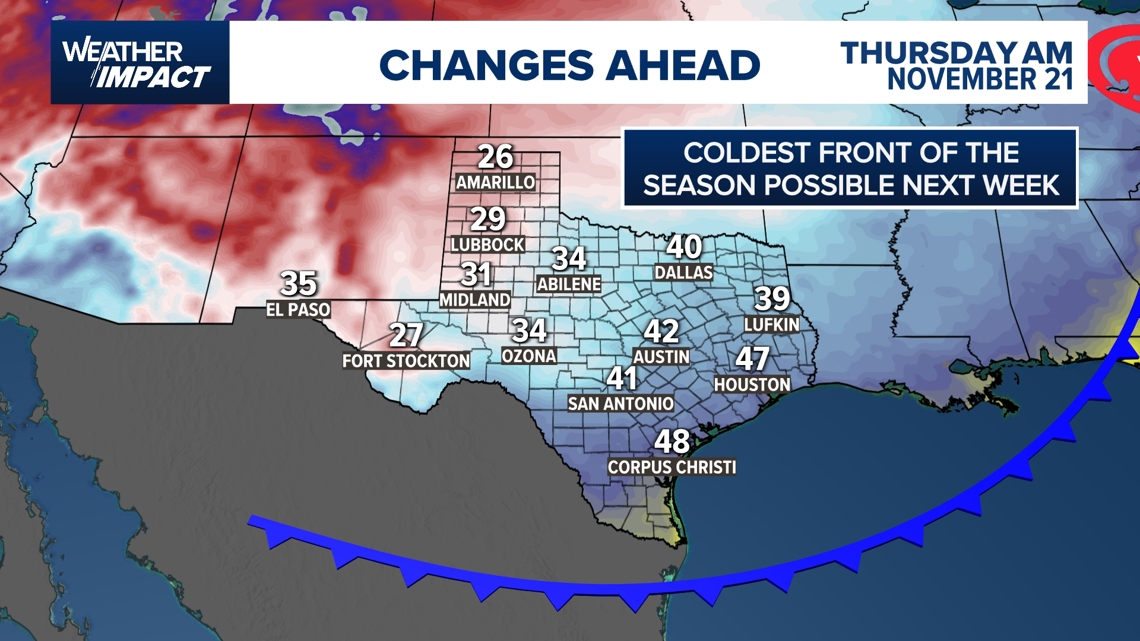
November marks the significant shift. Throughout most of the state, especially north of San Antonio, temperatures consistently drop. Daytime highs typically range from the 50s to 60s (°F), and nighttime lows frequently fall into the 30s and 40s. The chances of freezing temperatures increase substantially, particularly in the northern half of Texas. This is when warm jackets, scarves, and gloves become essential packing items.
The arrival of strong cold fronts, often referred to as “blue northers,” becomes more common in November. These fronts can bring swift and dramatic temperature drops, sometimes by 20-30 degrees in a matter of hours. This variability means that while one day might be mild and sunny, the next could be blustery and cold. For travelers, this necessitates layers and flexibility. November is a popular month for Thanksgiving travel, and major cities like Houston and Dallas buzz with holiday preparations. It’s an excellent time to enjoy outdoor festivals before the deeper chill sets in, or to begin exploring the myriad indoor attractions.
December, January, and February: Peak Winter Months
These three months represent the coldest period across Texas.
- December: Average daytime temperatures generally hover in the 50s to low 60s, with nights consistently in the 30s and 40s. Freezing temperatures are common across most of the state, with the exception of the very southernmost regions. While snow is rare in Central and South Texas, icy conditions can occur, particularly in northern areas. This month is defined by holiday cheer, with cities sparkling with Christmas lights and festive markets.
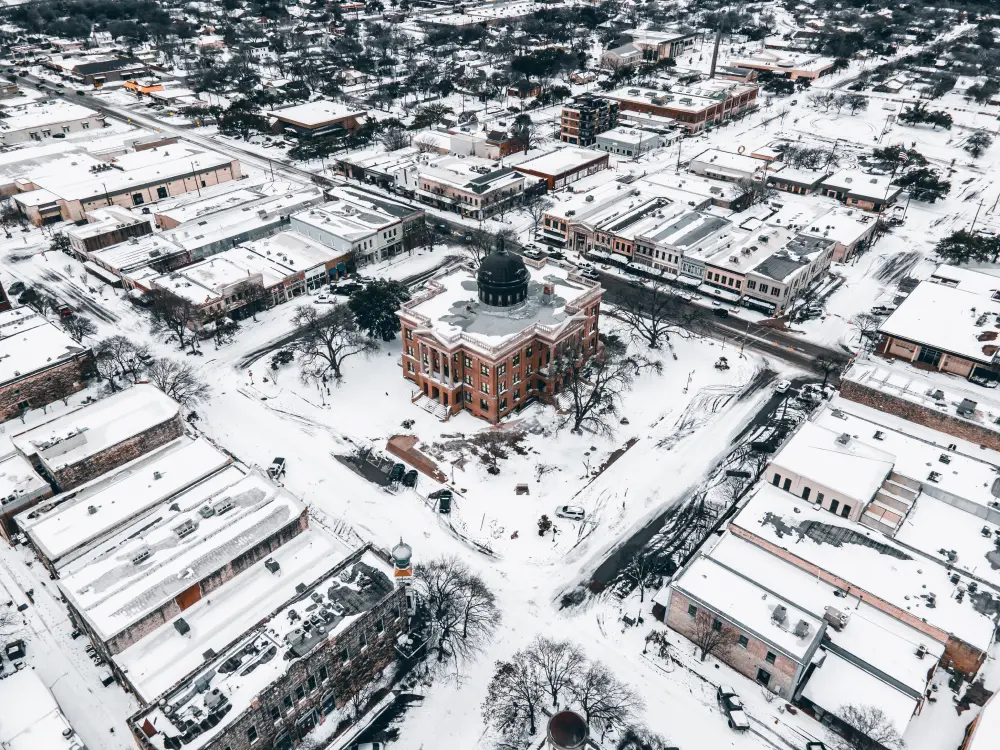
- January: Historically the coldest month, January sees average highs often in the low 50s and lows regularly below freezing, especially in North Texas and the Panhandle. Regions like Amarillo and Lubbock can experience several inches of snow and prolonged periods of freezing weather. Even in Austin or San Antonio, it’s not uncommon to have a few days where temperatures struggle to get above freezing. Travelers visiting during this time should be prepared for proper winter conditions, including the potential for ice storms that can impact travel.
- February: While often still quite cold, February usually offers glimpses of spring by its latter half. Early February remains firmly in winter’s grip, with temperatures similar to January. However, as the month progresses, warm fronts become more frequent, bringing periods of mild, sunny weather that hint at the impending spring bloom. This can be a delightful time to visit if you catch a warm spell, offering pleasant conditions for outdoor exploration without the summer heat.
Throughout these months, the contrast between North and South Texas is most pronounced. While the Texas Panhandle might be blanketed in snow and ice, the Rio Grande Valley could be enjoying temperatures in the 70s, making it a perennial favorite for those escaping harsher winters. Places like South Padre Island or Port Aransas still offer excellent birdwatching opportunities and tranquil beach walks, albeit without the summer swimming crowds.
Embracing the Cold: Winter Activities and Attractions in Texas
For those who appreciate crisp air and fewer crowds, the colder months in Texas open up a wealth of unique experiences and attractions. It’s a fantastic time to explore the state’s cultural, historical, and natural wonders without the intense summer heat.
Festive Fun and Indoor Escapes
Winter in Texas comes alive with holiday spirit. From late November through December, cities across the state transform with dazzling light displays. Austin’s Trail of Lights at Zilker Park, Houston’s Zoo Lights at the Houston Zoo, and the elaborate displays in Grapevine, the “Christmas Capital of Texas,” draw millions. Ice skating rinks pop up in urban centers, offering a classic winter pastime.
When the temperatures truly dip, Texas offers an impressive array of indoor attractions. History buffs can delve into the past at The Alamo and its surrounding missions in San Antonio, or explore the Sixth Floor Museum at Dealey Plaza in Dallas. Science enthusiasts will be captivated by Space Center Houston, a leading science and space exploration learning center. World-class art museums like the Kimbell Art Museum in Fort Worth and the Museum of Fine Arts, Houston provide hours of warmth and cultural enrichment. Shopping opportunities abound in cities, from high-end boutiques to sprawling malls, offering a perfect way to spend a chilly afternoon. Many cities also boast vibrant live music scenes, with cozy venues providing the ideal atmosphere for a winter evening.
Outdoor Adventures in Cooler Weather
While the prospect of “cold” might deter some from outdoor activities, winter in Texas often provides ideal conditions for exploring its natural beauty, especially in the central and southern regions. Hiking in state and national parks becomes much more comfortable without the oppressive summer heat. Big Bend National Park transforms into a hiker’s paradise, with stunning desert landscapes and comfortable daytime temperatures (though nights are very cold). Similarly, Guadalupe Mountains National Park offers challenging trails with breathtaking vistas in cool, clear air.
Closer to urban centers, Texas State Parks like Enchanted Rock State Natural Area or Dinosaur Valley State Park are less crowded and offer excellent opportunities for rock climbing, hiking, and exploring. Birdwatching is particularly rewarding along the Gulf Coast during winter, as many migratory species flock to the warmer waters and abundant food sources. This is also hunting season for various game, attracting enthusiasts from far and wide. For urban nature lovers, city green spaces like Lady Bird Lake in Austin or the Houston Arboretum & Nature Center offer refreshing walks and jogs.
Culinary Delights and Cozy Comforts
Colder weather naturally lends itself to indulging in hearty, comforting cuisine. Texas BBQ, with its slow-smoked meats, is perhaps even more satisfying on a chilly day. Seek out legendary joints in Lockhart, Austin, or Dallas for an authentic experience. Texas chili, a bowl of rich, spicy goodness, is another winter staple. And, of course, Tex-Mex cuisine – from sizzling fajitas to cheesy enchiladas – provides warmth and flavor that’s perfect for a cool evening.
The Texas Hill Country wine region, often overlooked, shines in the cooler months. Wineries offer tasting tours and cozy settings, some with fireplaces, where visitors can sample local vintages. Many breweries across the state, particularly in Austin and Houston, brew seasonal stouts and porters that are ideal for sipping when the mercury drops. And, for a simple pleasure, finding a local coffee shop or bakery to enjoy a warm drink and pastry is a quintessential winter experience in any Texas town.
Planning Your Texas Winter Getaway: Accommodation and Travel Tips
Successfully navigating a Texas winter trip requires a bit of foresight, especially regarding accommodation and what to pack. Given the state’s variability, being prepared for different conditions across regions is key.
Choosing Your Stay: From Luxury Resorts to Cozy Cabins
Texas boasts an incredible range of accommodation options suitable for any winter traveler. If luxury is your preference, cities like Dallas, Houston, and Austin offer world-class hotels such as the Four Seasons Austin, Hotel ZaZa Dallas, or The Post Oak Hotel at Uptown Houston. These often feature indoor heated pools, spa services, and fine dining, perfect for retreating from the cold. Boutique hotels in historic districts provide charm and unique character.
For a more rustic or intimate experience, especially in the Hill Country or near state parks, consider booking a cozy cabin or a bed & breakfast. Many come equipped with fireplaces, hot tubs, and stunning natural views. Vacation rentals, from modern apartments in urban centers to sprawling ranches, offer flexibility and amenities like fully equipped kitchens, ideal for longer stays or family trips. During peak holiday seasons (Thanksgiving, Christmas, New Year’s), it is highly recommended to book accommodation well in advance, as popular options fill up quickly. Look for properties that offer amenities like heated patios, indoor common areas, or even fire pits for evening gatherings.
Essential Packing for a Texas Winter
Layering is the golden rule for packing for a Texas winter. The weather can change dramatically within a day, especially when a cold front rolls through.
- Outerwear: A good quality, waterproof or water-resistant jacket is essential, especially for North Texas and the Panhandle, where temperatures can drop significantly. For Central and South Texas, a lighter insulated jacket or a warm fleece might suffice for most days, but have a heavier option just in case.
- Mid-layers: Sweaters, cardigans, and long-sleeved shirts are crucial for adapting to fluctuating indoor and outdoor temperatures.
- Base-layers: For colder regions or if you plan extensive outdoor activities, thermal underwear can make a big difference.
- Bottoms: Jeans, sturdy trousers, or warm leggings are suitable.
- Footwear: Comfortable, closed-toe walking shoes or boots are a must. If there’s a chance of snow or ice (especially in the north), waterproof boots with good traction are advisable.
- Accessories: Don’t forget a warm hat, gloves, and a scarf, particularly if you’ll be spending evenings outdoors or visiting northern parts of the state.
Navigating Winter Travel in Texas
While winter travel in Texas is generally straightforward, there are a few considerations:
- Road Conditions: In North Texas and the Panhandle, ice storms can occur and make driving hazardous. Always check local weather reports and road conditions (DriveTexas.org) before embarking on long drives during winter cold snaps.
- Flights: Major airports like DFW International Airport in Dallas and George Bush Intercontinental Airport in Houston are well-equipped to handle winter weather, but severe ice or snow can cause delays or cancellations. It’s wise to have flexible travel plans if flying during peak winter storms.
- Crowds: While most of Texas experiences fewer tourist crowds during the colder non-holiday winter months, popular destinations like San Antonio during the holidays or the Rio Grande Valley with its “winter Texans” (snowbirds) can still be busy.
In conclusion, “When does it start getting cold in Texas?” is a question best answered with a geographic and seasonal calendar. While a noticeable chill begins in October, the true embrace of winter settles in from November through February, with January being the coldest month. However, the definition of “cold” varies dramatically across the state’s expansive and diverse regions. From potential snow in the north to perpetually mild temperatures in the south, Texas offers a spectrum of winter experiences. Whether you seek festive city lights, rugged outdoor adventures, or a cozy retreat from the chill, thoughtful planning, especially concerning packing and accommodation, will ensure your Texas winter journey is nothing short of memorable and comfortable. Embrace the varied charm of the Lone Star State during its cooler months, and you’ll discover a different, equally captivating side of this remarkable destination.
LifeOutOfTheBox is a participant in the Amazon Services LLC Associates Program, an affiliate advertising program designed to provide a means for sites to earn advertising fees by advertising and linking to Amazon.com. Amazon, the Amazon logo, AmazonSupply, and the AmazonSupply logo are trademarks of Amazon.com, Inc. or its affiliates. As an Amazon Associate we earn affiliate commissions from qualifying purchases.