
For countless travelers, the allure of Texas is undeniable. From its vast, scenic landscapes to its vibrant cities and charming coastal towns, the Lone Star State offers an incredible array of experiences for every type of adventurer. Whether you’re dreaming of a sun-drenched beach vacation, a cultural deep-dive, or a luxurious urban escape, Texas has something for everyone. However, for those planning to visit its beautiful Gulf Coast regions, understanding the nuances of hurricane season is not just important – it’s essential for ensuring a safe, stress-free, and memorable journey. This comprehensive guide aims to equip you with all the knowledge needed to navigate hurricane season in Texas, offering insights into preparation, smart travel choices, and how to make the most of your visit, regardless of the time of year.
Understanding Hurricane Season in Texas
While Texas offers year-round attractions, specific weather patterns characterize different seasons. For coastal visitors, the most significant meteorological consideration is the annual hurricane season. Knowing the official dates, peak periods, and why the state is vulnerable can significantly enhance your travel planning and overall experience.
The Official Dates and Peak Months
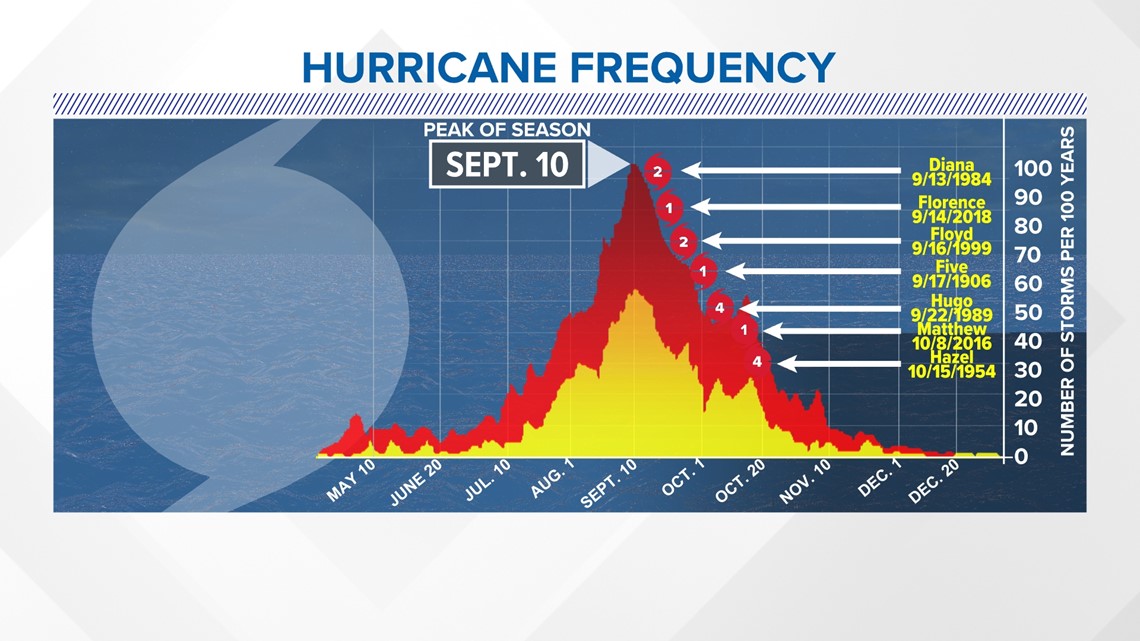
The hurricane season for the broader Atlantic Basin, which includes the Gulf of Mexico and consequently the Texas coastline, officially runs from June 1st to November 30th each year. While it’s possible for tropical systems to form outside this six-month window, the vast majority of activity occurs within these defined dates. This period is when ocean temperatures are typically warm enough to fuel the development of Tropical Depressions, Tropical Storms, and full-fledged Hurricanes.
For Texas specifically, the peak months for tropical cyclone activity usually fall between August and September, often extending into early October. During this time, the Gulf of Mexico waters reach their warmest temperatures, creating ideal conditions for storm intensification. These powerful weather systems are classified by their sustained wind speeds, ranging from Category 1 to 5 on the Saffir-Simpson Hurricane Wind Scale, with higher categories indicating greater destructive potential. Understanding these distinctions helps in assessing potential risks and responding appropriately to weather advisories.
Why Texas is Vulnerable: Geography and Climate
Texas’s extensive coastline stretches for hundreds of miles along the Gulf of Mexico, making it inherently susceptible to tropical weather systems. The warm Gulf waters act as a continuous energy source for developing storms. Beyond the immediate coastal impact of strong winds and storm surge, the state’s relatively flat topography means that heavy rainfall from these storms can lead to significant and widespread inland flooding, even from weaker systems or those that make landfall elsewhere.
History provides stark reminders of this vulnerability. The infamous Galveston Hurricane of 1900 remains the deadliest natural disaster in U.S. history, demonstrating the profound destructive power of these storms. More recently, Hurricane Harvey in 2017 brought unprecedented rainfall and flooding to the Houston metropolitan area and surrounding regions, highlighting the far-reaching impact of tropical systems beyond the immediate shoreline. These historical events underscore the importance of preparation and awareness for anyone living in or visiting Texas during hurricane season.
Planning Your Texas Trip: Navigating Hurricane Season
While the thought of hurricanes might seem daunting, it doesn’t mean you should avoid Texas during these months. With careful planning, flexibility, and a commitment to staying informed, you can still enjoy a fantastic trip. The key is proactive preparation and understanding how to respond if a storm threatens your travel plans.
Pre-Travel Preparations and Essential Safety Tips
Preparation is paramount when traveling during hurricane season. Before you even pack your bags, make sure to:
- Stay Informed: Consistently monitor weather forecasts from reputable sources like the National Hurricane Center (NHC) and local news outlets. Pay attention to tropical weather outlooks several weeks before your trip and daily once you’re closer to your travel date.
- Emergency Plan: If you’re staying in a coastal area, familiarize yourself with local evacuation routes and shelter information. Your accommodation provider should be able to offer guidance on their specific emergency procedures.
- Contact Information: Keep a physical and digital list of essential contact numbers, including your accommodation, airline, rental car company, travel insurance provider, emergency services, and family members.
- Emergency Kit (for road trips/long stays): While hotels are well-equipped, if you’re driving or staying in an apartment/villa, consider a small emergency kit with a flashlight, extra batteries, a basic first-aid kit, bottled water, non-perishable snacks, and any essential medications.
- Documentation: Carry physical and digital copies of important documents such as identification, passports, booking confirmations, and travel insurance policies.
- Flexible Bookings: Whenever possible, opt for refundable flights and hotel reservations. Many airlines and hotels offer waivers or flexible rebooking options during hurricane season if a named storm threatens your destination. Inquire about these policies when booking.
Travel Insurance: A Must-Have Consideration
Travel insurance is always a wise investment, but it becomes particularly vital for trips planned during hurricane season. A comprehensive policy can offer significant peace of mind and financial protection against unexpected disruptions. Look for policies that explicitly cover:
- Trip Cancellation: If you have to cancel your trip before departure due to a hurricane warning at your destination.
- Trip Interruption: If your trip is cut short due to a storm, covering costs for unused portions of your trip and unexpected travel expenses to get home.
- Medical Emergencies: For any health issues that may arise, which can be complicated during a natural disaster.
- Emergency Evacuation: Covering costs if you need to be evacuated from your destination.
It’s crucial to read the fine print of any travel insurance policy. Pay close attention to clauses regarding “named storms” – typically, coverage only applies if the storm is named after you’ve purchased the policy. Some policies also offer “cancel for any reason” (CFAR) options, which provide the broadest coverage but are usually more expensive and might not refund 100% of your costs. Consult with a travel insurance specialist to find the best policy for your specific needs and travel plans.
Accommodation Choices and Flexibility
Your choice of accommodation during hurricane season should also factor into your planning. Many hotels and resorts along the Texas coast are highly experienced in hurricane preparedness and have robust plans in place, including evacuation protocols, backup generators, and communication systems.
- Inquire about Policies: When booking, don’t hesitate to ask about the hotel’s specific hurricane policy regarding refunds, rebooking, or relocation in case of a storm.
- Location Matters: Consider accommodations slightly inland if you’re particularly risk-averse, or choose properties known for their sturdy construction.
- Amenities: Look for hotels that offer amenities like backup generators, which can be crucial for comfort and communication during power outages.
- Booking Platforms: Utilizing reputable booking platforms such as Booking.com or Expedia can sometimes offer more flexibility with cancellations or changes, depending on their individual policies and your booking terms. They often have dedicated customer service teams to assist during weather-related emergencies.
Coastal Texas Destinations and Hurricane Awareness
The Texas coast is a jewel, offering beautiful beaches, historical sites, and vibrant communities. While these destinations are popular, especially during the warmer months that coincide with hurricane season, travelers should approach them with heightened awareness during peak storm periods.
Galveston and Corpus Christi: Popular Coastal Getaways
Two of Texas’s most beloved coastal cities are Galveston and Corpus Christi.
- Galveston Island: Known for its rich history, Victorian architecture, and family-friendly attractions like Moody Gardens and the historic Pleasure Pier, Galveston is a major draw. Its barrier island geography makes it directly exposed to tropical systems. Luxury resorts such as The San Luis Resort, Spa & Conference Center offer premium amenities but are still subject to mandatory evacuations if a storm threat emerges.
- Corpus Christi: This coastal city boasts attractions like the pristine Padre Island National Seashore, the retired aircraft carrier USS Lexington museum, and the Texas State Aquarium. Like Galveston, it is also susceptible to direct hurricane impacts.
Travelers planning to visit these or other coastal areas like South Padre Island during the peak hurricane season (August-October) should exercise extra vigilance. Regularly check local weather advisories, have an evacuation plan, and ensure your accommodations offer flexibility. Many coastal towns are well-prepared, but traveler safety is always the top priority.
Exploring Beyond the Immediate Coast: Safer Alternatives
If the prospect of coastal travel during peak hurricane season feels too risky, Texas offers a wealth of incredible inland destinations that provide diverse experiences with significantly reduced hurricane risk. These locations can serve as fantastic alternatives or additions to your itinerary:
- Austin: The “Live Music Capital of the World” offers a vibrant arts scene, beautiful parks like Zilker Park, and impressive landmarks like the Texas State Capitol. Austin is renowned for its unique lifestyle and culinary scene, making it a perfect spot for those seeking culture and entertainment. Consider staying at the historic The Driskill for a touch of luxury.
- San Antonio: Rich in history and culture, San Antonio is home to iconic landmarks such as The Alamo and the picturesque River Walk. Its Spanish colonial heritage and delicious Tex-Mex cuisine offer a unique travel experience. For a truly memorable stay, Hotel Emma provides a luxurious and historic backdrop.
- Houston: As Texas’s largest city, Houston is a hub for science, art, and diverse culinary experiences. Visit Space Center Houston, explore its world-class museums, or indulge in its thriving food scene. While Houston can experience significant rainfall and flooding from tropical systems, it is less prone to direct hurricane landfall impacts than cities directly on the coast.
- Dallas: A cosmopolitan city known for its vibrant arts district, upscale shopping, and historical sites like the Sixth Floor Museum at Dealey Plaza. Dallas offers a sophisticated urban escape with plenty of attractions.
- Texas Hill Country: This scenic region is perfect for those seeking natural beauty, outdoor activities, and a taste of Texas wine country. Explore charming small towns like Fredericksburg and Luckenbach, enjoy scenic drives, or visit local wineries and distilleries. The Hill Country offers a tranquil escape far from coastal concerns.
These inland destinations provide a safe and enriching way to experience the diversity of Texas during the hurricane season months, making them ideal choices for travelers prioritizing peace of mind.
Post-Hurricane Resilience and Responsible Tourism
In the unfortunate event that a hurricane does impact Texas, the state’s coastal communities demonstrate incredible resilience. As a traveler, you have an important role to play in supporting recovery efforts and fostering sustainable tourism.
Supporting Recovery Efforts and Local Businesses
If a storm has recently impacted your planned destination, it’s generally best to postpone non-essential travel immediately following the event. This allows emergency services and residents to focus on recovery without the added strain of tourist traffic.
Once areas are deemed safe and open for visitors, responsible tourism can become a powerful force for economic recovery. When you visit:
- Spend Locally: Prioritize supporting local businesses, from restaurants and shops to tour operators and accommodations. Your spending directly contributes to the community’s rebound.
- Choose Locally-Owned Accommodations: Opting for independent hotels, bed and breakfasts, or vacation rentals owned by local residents can have a more direct positive impact.
- Patience and Understanding: Recovery can be a long process. Be patient with service providers, understand that some attractions might still be rebuilding, and approach your trip with empathy for the local community.
- Consider Donations/Volunteering: Organizations like the American Red Cross and local charities play a crucial role in disaster relief. If you’re able, consider donating or volunteering your time to assist in recovery efforts, even if you’re not physically present in the affected area.
Long-Term Outlook for Texas Travel
Despite the annual hurricane season, Texas coastal communities are continuously working to enhance their resilience. This includes ongoing infrastructure improvements, stricter building codes, advanced early warning systems, and comprehensive evacuation plans. These efforts aim to minimize risks and ensure that these beloved destinations can quickly recover and continue to welcome visitors for generations to come.
Texas remains a vibrant and welcoming destination year-round. While the hurricane season requires careful consideration, it shouldn’t deter you from experiencing the unique charm and diverse offerings of the Lone Star State. By staying informed, planning thoughtfully, and embracing flexibility, you can ensure your Texas adventure is safe, enjoyable, and memorable.
Whether you’re planning a family trip to Galveston, a romantic getaway to the serene Hill Country, or a bustling business stay in Houston, being knowledgeable about hurricane season is a crucial step in preparing for your journey. With this guide, you’re well-equipped to make informed decisions and enjoy all that Texas has to offer, any time of the year.
LifeOutOfTheBox is a participant in the Amazon Services LLC Associates Program, an affiliate advertising program designed to provide a means for sites to earn advertising fees by advertising and linking to Amazon.com. Amazon, the Amazon logo, AmazonSupply, and the AmazonSupply logo are trademarks of Amazon.com, Inc. or its affiliates. As an Amazon Associate we earn affiliate commissions from qualifying purchases.