
For both residents and visitors alike, the concept of a “tax-free weekend” is a delightful prospect, offering a much-needed reprieve from the standard sales tax on various purchases. In the vast and diverse landscape of Texas, these special shopping holidays are more than just an opportunity for savings; they represent a strategic time for families to prepare for the academic year, for outdoor enthusiasts to stock up on essentials, and for those focused on home improvements to invest wisely. For anyone planning travel to or within the Lone Star State, understanding when these tax-free periods occur can significantly enhance your trip’s budget and overall experience.
Texas periodically designates specific weekends as sales tax holidays, during which certain items can be purchased without the usual 6.25% state sales tax, plus any local sales taxes that can add up to 2% more. While there are a few distinct tax holidays throughout the year, the most anticipated and widely known is undoubtedly the annual Sales Tax Holiday geared towards back-to-school shopping. This event often draws massive crowds to retail hubs across the state, from the bustling malls of Houston and Dallas to the charming boutiques of Austin and San Antonio.
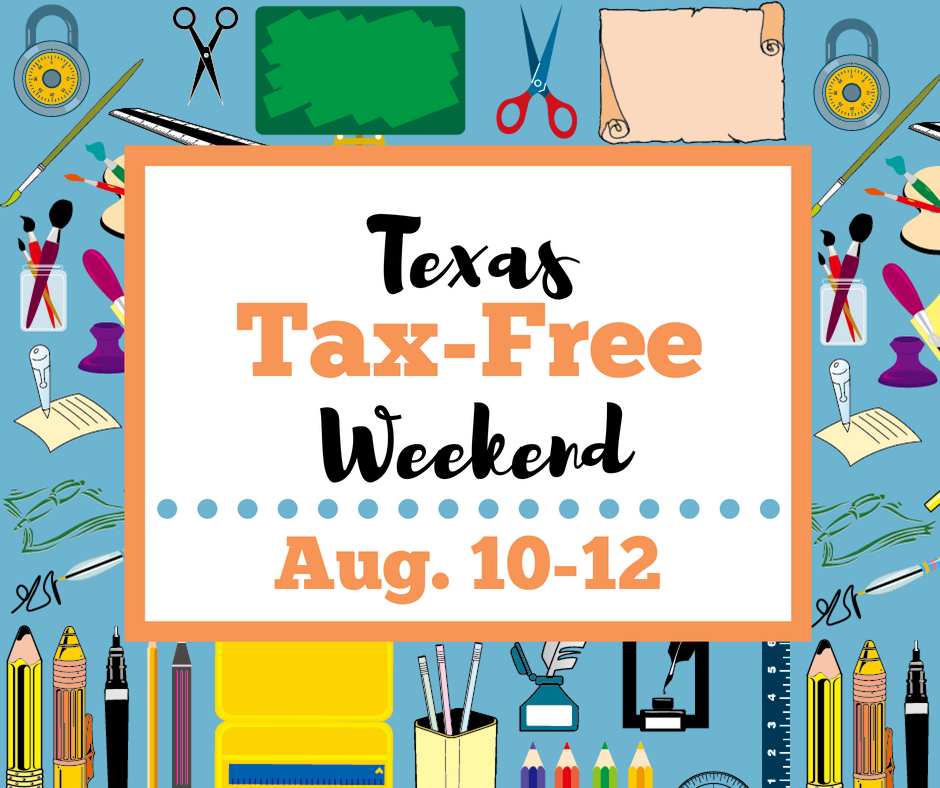
These tax holidays align perfectly with the “Lifestyle” and “Budget Travel” aspects of a well-planned itinerary. Whether you’re a family on vacation looking to combine sightseeing with practical shopping, a student getting ready for university, or an adventurer preparing for a camping trip in one of Texas’s magnificent state parks, strategic timing can lead to substantial savings. It’s an opportunity that transforms ordinary errands into a more rewarding experience, freeing up funds that can then be allocated to memorable experiences, exploring local culture, or indulging in Texas’s renowned culinary scene.
Understanding the Texas Sales Tax Holiday: Your Guide to Savings
The primary Texas Sales Tax Holiday is a beacon for budget-conscious shoppers, typically occurring in early August each year. This timing is meticulously chosen to coincide with the period just before schools recommence their academic calendars across the state, making it an invaluable resource for families gearing up for a new school year. The exact dates are announced well in advance by the Texas Comptroller of Public Accounts, ensuring that consumers and retailers have ample time to prepare. While the specific dates may shift slightly year to year, planning for the first or second weekend of August is generally a safe bet.
The Annual Back-to-School Bonanza
The focus of this August weekend is predominantly on apparel, footwear, and school supplies. However, there are crucial stipulations regarding what qualifies for the exemption. Most individual items of clothing and footwear are exempt from sales tax if they are priced under a certain dollar amount, typically $100. This threshold applies per item, not to the total purchase, meaning you can buy multiple eligible items and still receive the discount, provided each individual item falls below the limit. This makes it an ideal time to purchase essentials like shirts, pants, socks, underwear, and shoes for every member of the family. Even some accessories like hats, gloves, and scarves often qualify, as do certain types of uniforms required for school or extracurricular activities.
For school supplies, the rules are slightly different. The list of eligible school supplies is comprehensive and generally includes items like backpacks, binders, crayons, glue, notebooks, pens, pencils, rulers, and scissors. These items are typically exempt regardless of price, up to a certain total purchase limit for school supplies as a category. This broad coverage ensures that students from kindergarten through college can get a significant head start on their supply lists without the added burden of sales tax. Textbooks, however, are usually not included in this particular holiday, as they often have their own specific tax exemptions or are purchased directly through educational institutions.
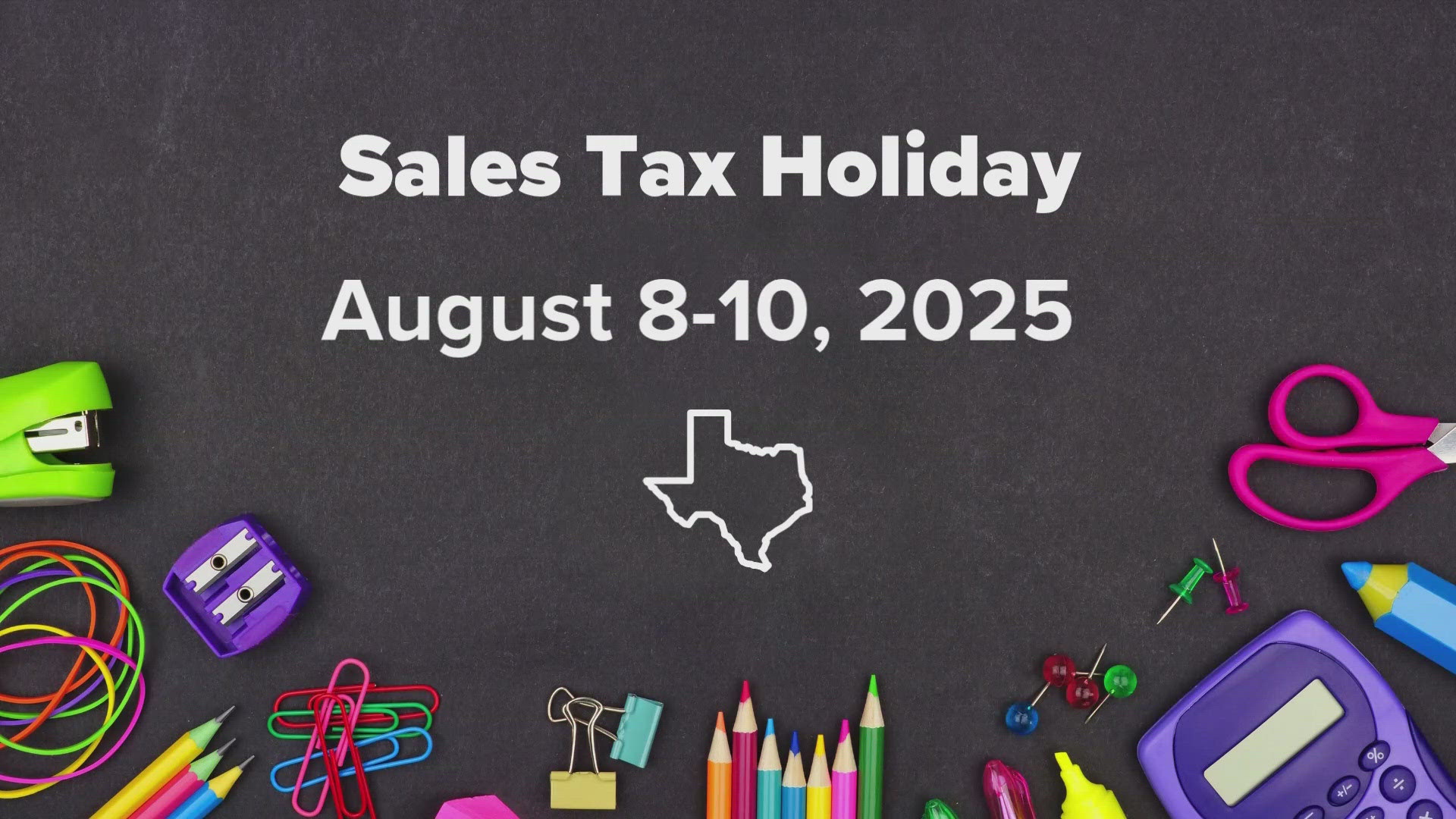
From a travel perspective, this tax-free weekend can be strategically integrated into a family vacation. Imagine exploring the vibrant culture of Houston or the historic charm of San Antonio, perhaps staying at a family-friendly resort, and dedicating a portion of your trip to a productive shopping spree. Picking up new travel clothes or durable backpacks for future adventures becomes more appealing when you know you’re saving money. It transforms what could be a mundane chore into an exciting part of your travel experience, especially when coupled with exploring local shopping districts, which are often landmarks in themselves, offering a glimpse into Texan commerce and community life.
Eligibility: What You Can Save On
To fully capitalize on the Texas Sales Tax Holiday, it’s vital to understand the detailed list of eligible items. The Comptroller of Public Accounts publishes a comprehensive list each year, which is readily available on their website and often promoted by retailers. While the $100 per item limit for clothing and footwear is a general rule, there are specific exclusions to be aware of. For instance, most accessories like jewelry, handbags, watches, and specialty sports equipment (cleats, helmets, etc.) are typically not exempt. Similarly, items intended for rental, cleaning services, or repairs usually do not qualify.
The distinction between “clothing” and “accessories” can sometimes be nuanced, so checking the official list is always recommended. For example, a basic belt might be considered clothing, while a designer belt might be classified as an accessory, depending on its primary function and typical retail classification. The same applies to backpacks: a standard school backpack is exempt, but a high-end hiking pack for specialized outdoor activities might not be.
This detailed understanding is crucial for any traveler or local planning a shopping trip. For those interested in “Lifestyle” travel, particularly “Budget Travel” or “Family Trips,” aligning a visit to Texas with this period offers a tangible financial benefit. Instead of allocating your entire travel budget to accommodation and attractions, a portion can be cleverly saved on practical purchases. This strategy can free up funds for more enriching experiences, such as visiting a specific Texas landmark like The Alamo, enjoying a unique Texan culinary experience, or extending your stay at a charming boutique hotel or resort.

Maximizing Your Savings: Planning a Texas Trip Around Tax-Free Weekends
Integrating a tax-free weekend into your travel plans for Texas is a clever way to blend leisure with practicality. For tourists, it presents a unique opportunity to experience the state’s vibrant retail scene while benefiting from significant savings. For residents, it’s a chance to explore different cities, enjoy a staycation, and tackle necessary shopping simultaneously.
Perfect Timing for Family Adventures and Travel Preparations
The August Sales Tax Holiday is particularly advantageous for families. Many families plan their summer vacations around this time, taking advantage of the last few weeks before school starts. Combining a trip to Texas’s coastal attractions, such as Galveston Island, or its theme parks in San Antonio, with a shopping excursion can create a comprehensive and cost-effective family adventure. You can spend the morning enjoying a museum or a local park, and then dedicate the afternoon to back-to-school shopping at a nearby mall, making it feel less like a chore and more like an integrated part of your holiday.
Consider the practical side: purchasing new luggage, travel-friendly apparel, or even camping gear for future explorations becomes more attractive when the sales tax is removed. Backpacks bought during this time are not just for school; they can be excellent companions for day trips, hikes in Big Bend National Park, or exploring cityscapes. For those keen on “Lifestyle” travel, particularly “Family Trips” or “Budget Travel,” this synchronicity allows for smarter resource allocation. The money saved on taxes can easily translate into an extra night at a comfortable hotel, a delicious meal at a highly-rated local restaurant, or tickets to a special attraction.
Exploring Texas Beyond the Discounts: Top Destinations
While the savings are a major draw, a trip during a tax-free weekend also offers an excellent excuse to explore some of Texas’s most compelling “Destinations” and “Attractions.” Each major city offers a unique blend of shopping opportunities and tourist experiences:
- Houston: Known for the Galleria, one of the largest malls in Texas, Houston combines high-end shopping with cultural attractions like the Museum District and the Space Center Houston. You can indulge in retail therapy and then dive into science and art.
- Dallas: A fashion mecca, Dallas boasts numerous shopping centers, including NorthPark Center and the Dallas Arts District. After hitting the stores, explore the Sixth Floor Museum at Dealey Plaza or the vibrant neighborhoods of Deep Ellum.
- Austin: The state capital offers a more eclectic shopping experience, from unique boutiques on South Congress Avenue to larger retail hubs like Barton Creek Square. Austin’s live music scene, delicious food trucks, and outdoor activities like kayaking on Lady Bird Lake provide ample non-shopping entertainment.
- San Antonio: Beyond the historic Alamo and the enchanting River Walk, San Antonio offers great shopping at places like The Shops at La Cantera. It’s an ideal city to immerse yourself in history and culture while also taking advantage of the tax-free savings.
Choosing your destination based on both shopping convenience and desired “Tourism” experiences can elevate your trip. Many hotels and resorts in these cities also offer special promotions during peak shopping weekends, making “Accommodation” a more attractive proposition.
Beyond Back-to-School: Other Texas Sales Tax Holidays
While the August back-to-school event is the most prominent, Texas also offers other specialized sales tax holidays throughout the year. These less publicized but equally beneficial holidays cater to different needs and offer further opportunities for savings, fitting into various “Lifestyle” categories such as home maintenance, eco-conscious living, and safety preparation.
Emergency Preparedness Supplies
Typically occurring in late April or early May, the Emergency Preparedness Supplies Sales Tax Holiday is incredibly relevant for Texans, especially as it often precedes hurricane season and the peak of severe weather. This holiday allows consumers to purchase certain emergency preparation items tax-free. The list of eligible items is designed to help residents build or replenish their emergency kits.
Examples of exempt items include:
- Batteries (AA, AAA, C, D, 6-volt, 9-volt)
- First-aid kits
- Fire extinguishers
- Portable generators (up to a certain price limit, e.g., $3,000)
- Emergency ladders (up to a certain price limit, e.g., $300)
- Carbon monoxide detectors
- NOAA weather radios
- Tarps, tie-down kits, and bungee cords
- Coolers and ice chests
For residents, this is a critical time to ensure their homes are secure and prepared for any unforeseen events. For travelers with long-term stays or those considering moving to Texas, understanding these periods can be helpful for setting up a temporary residence or preparing for local environmental conditions. It speaks to a practical “Lifestyle” choice, emphasizing safety and readiness, a unique facet of Texan living that many travelers might find interesting to observe or even participate in.
Water-Efficient Products and Energy Star Appliances
Usually held around Memorial Day weekend, this tax holiday encourages environmental consciousness and energy efficiency. It allows consumers to purchase certain Energy Star Appliances and water-efficient products without paying sales tax. This initiative supports a “Lifestyle” focused on sustainability and cost savings in the long run.
Eligible items typically include:
- Energy Star Appliances: Refrigerators (up to a certain price limit, e.g., $2,000), washing machines, dishwashers, air conditioners (for residential use, up to a certain price limit), ceiling fans, dehumidifiers.
- Water-Efficient Products: Any product that displays a WaterSense label or a similar designation, indicating it meets water efficiency standards. This often includes showerheads, faucets, toilets, and even some landscaping irrigation equipment. Additionally, certain types of plants or drought-resistant landscaping materials may also qualify.
While perhaps less direct for transient travelers, this holiday can be highly relevant for those considering purchasing vacation properties, long-term rentals, or moving to Texas. Investing in energy-efficient appliances and water-saving fixtures can lead to significant utility savings over time, enhancing the overall appeal and sustainability of an “Accommodation” choice. For those interested in “Tourism” with an ecological slant, learning about these initiatives provides insight into Texas’s commitment to resource conservation.
Essential Tips for a Seamless Tax-Free Shopping Experience
Navigating a tax-free weekend, particularly the bustling back-to-school event, requires a bit of strategy to make the most of the savings and ensure a pleasant experience.
Navigating Crowds and Online Shopping
Tax-free weekends, especially the August event, are notoriously busy. Retail stores, particularly those in popular shopping districts and major malls across cities like Dallas, Houston, and Austin, will see increased foot traffic. To mitigate this, consider:
- Shopping Early: Arrive at stores right when they open on Friday morning of the tax-free weekend to avoid the largest crowds.
- Weekday Shopping (if applicable): If the holiday spans a full weekend, Friday is generally less crowded than Saturday or Sunday.
- Online Shopping: Many retailers extend the tax-free benefits to their online stores. This is often the most convenient option, allowing you to shop from the comfort of your hotel or home without dealing with parking or long lines. Ensure the retailer is based in Texas or processes transactions according to Texas sales tax law for the exemption to apply. Verify this on the retailer’s website before making a purchase. This flexibility aligns well with modern “Travel” and “Lifestyle” trends, where convenience is key.
- Check Store Hours: Many stores extend their hours during these weekends, offering more opportunities to shop.
Budgeting and Smart Spending
While the allure of tax-free shopping is strong, it’s easy to overspend. A little planning goes a long way:
- Make a List: Before you even step foot in a store (or click “add to cart”), create a comprehensive list of what you truly need. Stick to it to avoid impulse purchases of non-exempt items.
- Set a Budget: Decide how much you’re willing to spend. Remember, saving 6.25% to 8.25% on sales tax is great, but it’s not a discount on the item’s base price. Don’t buy something just because it’s tax-free if you wouldn’t have bought it otherwise. This is crucial for “Budget Travel” and overall financial health.
- Compare Prices: Don’t assume every item during the tax-free weekend is the best deal. Some retailers might raise prices or offer less competitive discounts on the same items that are tax-exempt. Always compare prices across different stores and online platforms to ensure you’re getting the best value.
- Understand the Limits: Reiterate the $100 per item limit for most clothing and footwear during the back-to-school holiday. Be aware of any price limits for emergency supplies or energy-efficient appliances.
By following these tips, you can transform the tax-free weekend from a potentially chaotic shopping spree into a smart, efficient, and cost-saving endeavor, whether you’re a long-time resident or a traveler enjoying the unique shopping “Experiences” Texas has to offer. The savings garnered can enhance your trip, allowing for more indulgence in local cuisine, an extended stay in a comfortable hotel, or the opportunity to explore more of Texas’s incredible “Landmarks” and “Attractions.” Understanding “When Is It Tax Free Weekend In Texas?” is not just about saving money; it’s about optimizing your entire Texas experience.
LifeOutOfTheBox is a participant in the Amazon Services LLC Associates Program, an affiliate advertising program designed to provide a means for sites to earn advertising fees by advertising and linking to Amazon.com. Amazon, the Amazon logo, AmazonSupply, and the AmazonSupply logo are trademarks of Amazon.com, Inc. or its affiliates. As an Amazon Associate we earn affiliate commissions from qualifying purchases.