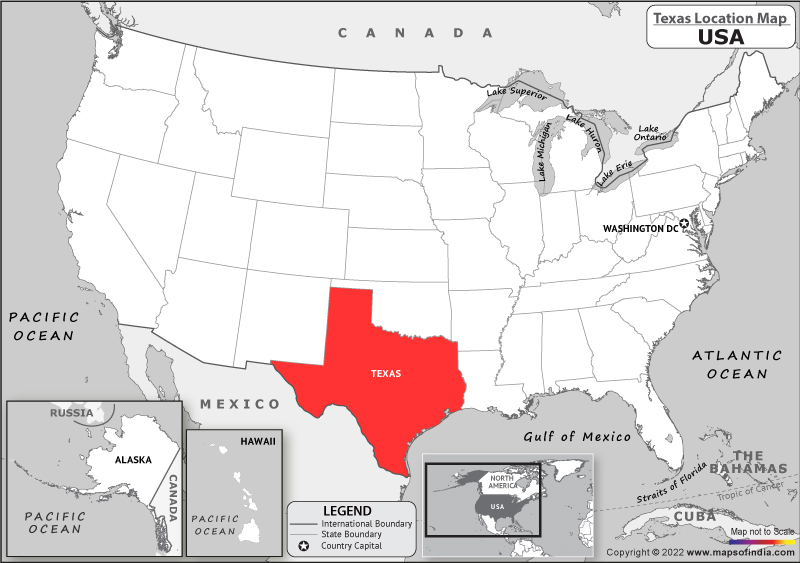
Perched majestically in the south-central region of the United States, Texas is a state of immense proportions and unparalleled diversity. Often referred to as the Lone Star State, its geographical placement plays a pivotal role in defining its unique culture, varied landscapes, and vibrant economy. Spanning vast plains, rugged mountains, sun-kissed coasts, and dense forests, Texas serves as a captivating crossroads where Southern charm meets Western grit, and American heritage blends seamlessly with Mexican influences. Understanding where Texas is located is not merely about pinpointing its coordinates on a map; it’s about appreciating the rich tapestry of experiences its position offers to travelers, residents, and businesses alike. From its strategic border with Mexico to its extensive coastline along the Gulf of Mexico, its location is the bedrock of its identity, influencing everything from its legendary cuisine to its world-renowned landmarks.
The Geographical Heartbeat of the American Southwest
Texas’s location positions it as a true gateway between the American South and Southwest, anchoring it firmly within the North American continent. This strategic placement has shaped its history, ecology, and cultural evolution, making it one of the most dynamic and multifaceted states in the nation. Its sheer size – second only to Alaska – means that its internal geography is as diverse as its external borders, creating distinct regions that feel like different countries within one state.
Borders and Neighbors: A State of Connection
The boundaries of Texas are as significant as its interior, connecting it to a diverse array of states and a neighboring country. To its east, Texas shares borders with Louisiana and Arkansas, states that imbue it with a touch of deep Southern hospitality and cultural nuances, particularly evident in the eastern Piney Woods region. To the north, Oklahoma forms a lengthy boundary, characterized by vast plains and a shared historical narrative linked to ranching and oil.
The western border is shared with New Mexico, where the landscape begins its dramatic shift towards arid deserts and majestic mountains, hinting at the vastness of the American Southwest. However, perhaps the most defining border is its southern frontier with Mexico, stretching for over 1,200 miles along the Rio Grande river. This extensive international border has profoundly influenced Texas’s demographics, language, cuisine, and traditions, giving rise to its distinctive Tex-Mex culture. Along its southeastern edge, the Gulf of Mexico provides Texas with a substantial coastline, offering access to vital shipping lanes, rich marine ecosystems, and popular beach destinations. These connections foster a unique blend of cultural experiences, making Texas a melting pot where diverse traditions and ideas converge.
Diverse Landscapes: From Deserts to Beaches
The expansive geography of Texas allows for a remarkable range of natural environments, each offering distinct travel experiences.
- The Piney Woods: Located in East Texas, this region is characterized by dense forests of pine and hardwood trees, reminiscent of the deep South. It’s a haven for nature lovers, offering opportunities for hiking, fishing, and exploring natural preserves like the Big Thicket National Preserve.
- The Gulf Coast: Stretching along the Gulf of Mexico, this humid subtropical region features barrier islands, sandy beaches, and marshlands. Popular destinations like Galveston, Corpus Christi, and South Padre Island draw visitors seeking sun, surf, and seafood. The Padre Island National Seashore protects the longest undeveloped barrier island in the world, a paradise for birdwatchers and beachcombers.
- Central Texas (The Texas Hill Country): A picturesque region known for its rolling hills, limestone cliffs, spring-fed rivers, and abundant wildflowers. Cities like Austin and San Antonio are gateways to this area, which is famous for its vineyards, peach orchards, and charming small towns like Fredericksburg and Luckenbach. Outdoor activities abound, from swimming in the Barton Springs Pool to hiking Enchanted Rock State Natural Area.
- North Texas: Dominated by the sprawling metropolises of Dallas and Fort Worth, this region is characterized by flat to rolling prairies, a legacy of its ranching history. It serves as a major economic and cultural hub, with a vibrant arts scene, upscale shopping, and a booming culinary landscape.
- West Texas: This vast, sparsely populated area offers dramatic desert landscapes, towering mountains, and breathtaking starry nights. Home to Big Bend National Park and Guadalupe Mountains National Park – including the state’s highest peak, Guadalupe Peak – it’s a paradise for hikers, campers, and stargazers. The unique art town of Marfa and the McDonald Observatory are also located here, offering distinct experiences.
- The Panhandle Plains: The northernmost region, characterized by flat plains and significant agricultural activity. It is also home to Palo Duro Canyon State Park, the second-largest canyon in the United States, offering spectacular hiking and scenic drives.
- South Texas Plains: This region extends from San Antonio south to the Rio Grande, featuring brush country, citrus groves, and a strong blend of Texan and Mexican cultures.
Each region, shaped by its unique location and natural features, contributes to the rich travel tapestry that makes Texas a truly singular destination.
Texas as a Premier Travel Destination: Embracing Its Location
Texas’s geographical positioning makes it an unparalleled destination for travelers seeking diverse experiences. Its location influences everything from the architecture of its cities to the flavors of its food, creating a vibrant scene for tourism and exploration.
Iconic Cities and Cultural Hubs
The major cities of Texas are not just urban centers; they are cultural epicenters that showcase the state’s multifaceted identity, each shaped by its regional location.
- Houston: Located near the Gulf Coast, Houston is a global city renowned for its energy industry, diverse population, and the Space Center Houston, serving as the official visitor center for NASA’s Johnson Space Center. Its proximity to the coast also means a rich culinary scene focused on fresh seafood and a thriving arts district.
- Dallas: As a cornerstone of North Texas, Dallas is a bustling metropolis known for its modern architecture, upscale shopping, and a sophisticated cultural scene, including the expansive Dallas Arts District. Its historical significance is underscored by the Sixth Floor Museum at Dealey Plaza.
- Austin: The state capital, nestled in the heart of the Texas Hill Country, Austin proudly wears its “Live Music Capital of the World” badge. Its location on the Colorado River and near numerous natural springs provides ample outdoor recreation, complementing its vibrant music, food truck, and tech scenes.
- San Antonio: South of Austin, San Antonio is a city steeped in history and Spanish colonial heritage. It’s home to the iconic Alamo and the picturesque Riverwalk, a network of pedestrian pathways along the San Antonio River lined with shops, restaurants, and hotels. The San Antonio Missions National Historical Park, a UNESCO World Heritage Site, further highlights its profound historical significance.
- El Paso: Situated in the far western corner of Texas, right on the border with Mexico and New Mexico, El Paso offers a distinct blend of Texan, Mexican, and Native American cultures. Surrounded by the Franklin Mountains State Park, it provides a gateway to desert adventures and a deep dive into border-town life.
Natural Wonders and Outdoor Adventures
The sheer scale and diverse geography of Texas mean that outdoor enthusiasts are spoiled for choice. Its location allows for everything from coastal retreats to challenging mountain expeditions.
- Big Bend National Park: In remote West Texas, this park protects a vast area of the Chihuahuan Desert and the entire mountain range of the Chisos Mountains. Its location along the Rio Grande offers dramatic canyon views, challenging hiking trails, and unparalleled stargazing opportunities.
- Guadalupe Mountains National Park: Home to the four highest peaks in Texas, including Guadalupe Peak, this park provides stunning mountain wilderness in West Texas. It’s a prime spot for serious hikers seeking solitude and breathtaking vistas.
- Padre Island National Seashore: Protecting 70 miles of barrier island on the Gulf Coast, this national seashore is a critical habitat for migratory birds and Kemp’s ridley sea turtles. Its undeveloped beaches are perfect for birdwatching, fishing, and kayaking.
- Texas Hill Country Rivers and Lakes: The spring-fed rivers like the Guadalupe, Frio, and Comal Rivers are popular for tubing, kayaking, and swimming, especially during the hot summer months. Lakes such as Lake Travis and Lake Lyndon B. Johnson offer boating and watersports.
- Palo Duro Canyon State Park: Often called the “Grand Canyon of Texas”, its striking geological formations and vibrant colors make it a fantastic destination for hiking, mountain biking, and horseback riding in the Panhandle.
Each of these natural attractions leverages Texas’s unique geography to provide unforgettable outdoor experiences, making the state a top choice for adventure tourism.
Planning Your Texas Journey: Accommodation and Lifestyle Choices
Given its size and diversity, Texas offers an incredible array of accommodation options and caters to virtually every travel lifestyle, making it an accessible and appealing destination for all types of visitors.
A Spectrum of Accommodation Options
From sprawling urban centers to secluded natural retreats, Texas provides accommodation choices that suit every preference and budget.
- Luxury Resorts and Hotels: Cities like Houston, Dallas, Austin, and San Antonio boast numerous five-star hotels and luxury resorts. Examples include the elegant Hotel Emma at the Pearl Brewery in San Antonio and the family-friendly JW Marriott San Antonio Hill Country Resort & Spa, which offers extensive amenities like a water park and championship golf courses. These properties are ideal for those seeking opulent surroundings, gourmet dining, and spa treatments.
- Boutique Hotels: Often found in historic districts or trendy neighborhoods, boutique hotels offer unique character, personalized service, and stylish design. The Texas Hill Country towns like Fredericksburg are rich with charming inns and guesthouses.
- Budget-Friendly Stays: Major hotel chains offer reliable and affordable options throughout the state, particularly along highways and in the outskirts of cities. For travelers looking to stretch their dollar, hostels in Austin and Dallas provide a communal and cost-effective way to experience the urban landscape.
- Vacation Rentals and Long-term Stays: For families or those planning an extended visit, renting an apartment, villa, or even a ranch house provides flexibility and a taste of local living. Websites offering reviews and comparison tools make finding the perfect rental easy, whether it’s a beachfront condo on South Padre Island or a rustic cabin near Big Bend.
- Unique Accommodation Experiences: Texas also offers glamping sites in the Hill Country, treehouse rentals, and even historic ranch stays, allowing visitors to immerse themselves fully in the Texan lifestyle.
When booking, checking reviews and comparing amenities is crucial to ensure the chosen accommodation perfectly aligns with your travel plans and expectations.
Experiencing Texas: Diverse Lifestyles and Culinary Delights
Texas’s geographical and cultural blend translates into an incredibly rich lifestyle experience for visitors.
- Family Trips: With theme parks like Six Flags Over Texas in Arlington, aquariums in Dallas and Houston, and numerous state parks with kid-friendly activities, Texas is fantastic for family vacations. The coastal areas offer relaxed beach days, while the Hill Country provides opportunities for river tubing and exploring charming small towns.
- Romantic Getaways: Couples can find secluded retreats in the Hill Country wine region, enjoy upscale dining and the Riverwalk in San Antonio, or experience the vibrant music and culinary scenes of Austin.
- Business Stays: Houston, Dallas, and Austin are major convention cities, offering world-class facilities and sophisticated urban environments for business travelers. Many hotels cater specifically to this demographic with business centers, meeting rooms, and executive lounges.
- Budget Travel and Solo Adventures: Thanks to its extensive state park system, affordable dining options (especially BBQ and Tex-Mex), and public transport in major cities, Texas can be explored on a budget. Solo travelers can find adventure hiking in national parks, exploring city museums, or soaking in the unique atmosphere of places like Marfa.
The local culture is deeply influenced by its location. The fusion of Southern comfort food with Mexican spice has created the iconic Tex-Mex cuisine, which is a must-try. Legendary Texas BBQ, distinct in its slow-smoked style, is found across the state. Rodeos, live music venues (particularly in Austin), and numerous festivals celebrating everything from chili cook-offs to historical reenactments, provide endless entertainment and a genuine taste of Texan life. The blend of cowboy heritage, space exploration, and vibrant arts scenes ensures that there’s always something new and exciting to discover, all rooted in the unique place Texas occupies on the map.
In conclusion, “Where is Texas located?” is a question that opens the door to understanding a state defined by its boundaries, enriched by its neighbors, and diversified by its vast internal geography. Its position in the south-central United States creates a landscape of unparalleled travel opportunities, from historical explorations and urban adventures to serene natural escapes, all supported by a wide range of accommodation and lifestyle options that cater to every kind of traveler.