
For anyone drawn to the vast landscapes, vibrant cities, and unique culture of Texas, whether as a long-term resident, a potential transplant, or a curious traveler, understanding the civic landscape is an essential part of truly engaging with the state. While many visitors flock to iconic destinations like the Alamo in San Antonio, explore the live music scene in Austin, or delve into the arts and culinary wonders of Houston and Dallas, the question of who holds the power to shape the state’s future through voting is a fundamental aspect of its identity. This isn’t just a dry legal matter; it reflects the core values and practical considerations of any functioning democracy. For those considering making Texas their home, or even for expatriates and international visitors who might work or live in the state for extended periods, knowing the parameters of voter eligibility is crucial for understanding the local socio-political fabric.

The ability to vote in a democratic society is often seen as a cornerstone of citizenship and an integral part of civic engagement. However, this right is not universally granted; it comes with specific qualifications designed to ensure the integrity of the electoral process and reflect the responsibilities associated with civic participation. In Texas, much like in other states across the United States, these qualifications are clearly defined by both state and federal law. Our exploration will delve into the categories of individuals who, under current regulations, are not permitted to cast a ballot, providing context for residents and insights for those observing the Lone Star State from afar. Understanding these exclusions isn’t about highlighting division but rather clarifying the legal framework that underpins the state’s electoral system, a system that shapes everything from local governance impacting urban planning in Plano to state-level policies affecting environmental conservation in the Big Bend National Park region.

Understanding the Foundation of Texas Voter Eligibility
The right to vote is a cherished privilege, but it’s anchored in a set of foundational criteria. These requirements are largely consistent across the United States, with specific nuances defined by individual states. In Texas, the primary prerequisites for voter eligibility are straightforward, aiming to ensure that voters are mature, committed members of the community. For anyone planning an extended stay, perhaps at a luxury resort in the Texas Hill Country or a long-term apartment in Fort Worth, understanding these basics is key to grasping the local governance.
Age and Citizenship: Fundamental Requirements
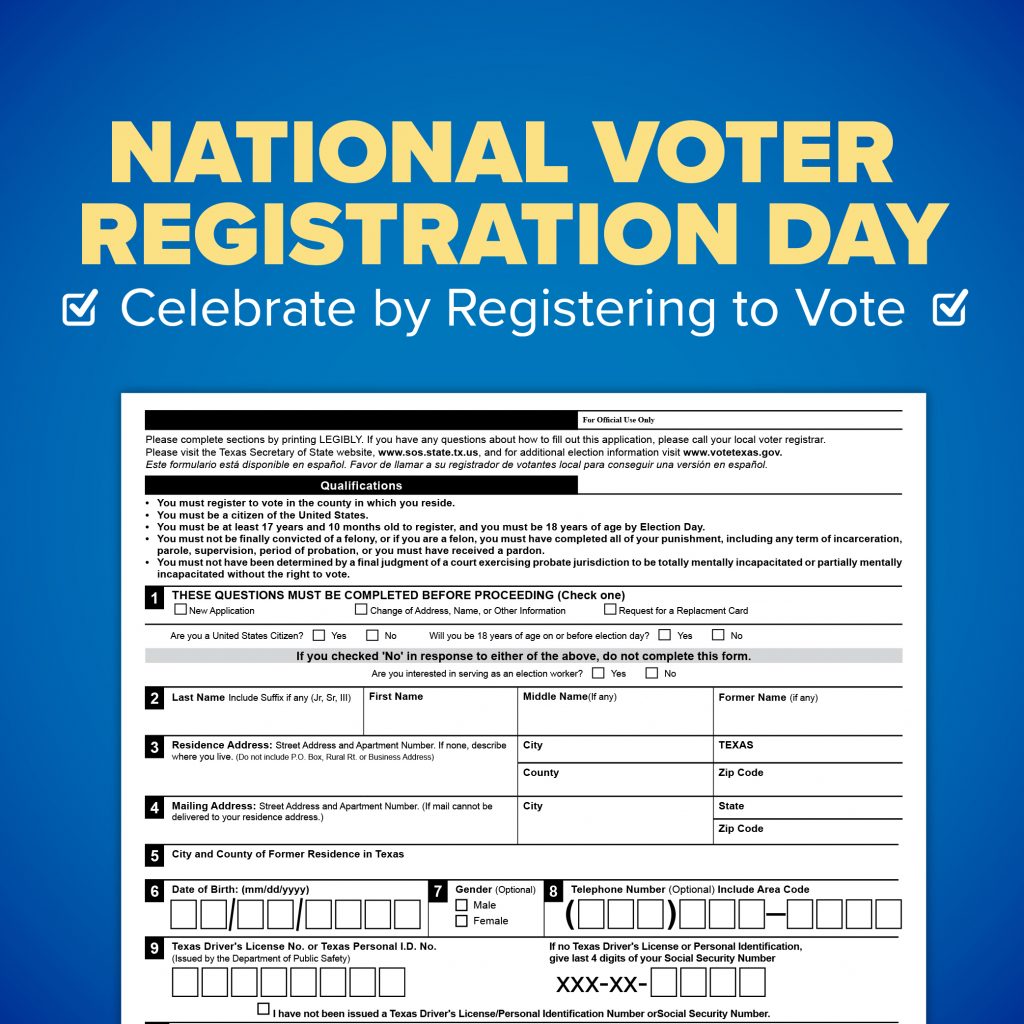
Perhaps the most universally recognized qualifications for voting are age and citizenship. In Texas, an individual must be at least 18 years old to vote. This age requirement is a national standard, reflecting a general societal consensus that individuals reach a sufficient level of maturity and understanding of civic responsibilities by this age. Young adults who have recently turned 18 and are looking to participate often find excitement in registering for the first time, seeing it as a rite of passage into full adulthood and community engagement.
Equally fundamental is the requirement of United States citizenship. Only citizens of the United States are eligible to vote in Texas elections. This means that foreign nationals, even those who have lived in Texas for many years, hold green cards, or are otherwise legally residing in the state, are not permitted to vote. This distinction is vital for the millions of expatriates, international students attending universities like the University of Texas at Austin or Rice University, and visitors who contribute significantly to the state’s economy and cultural fabric. While they are integral to the Texan community in many ways—working, paying taxes, and enjoying the state’s amenities, from the State Fair of Texas to the vibrant nightlife of Deep Ellum—the act of voting remains a right reserved for citizens. This policy reinforces the concept that the electoral process is a function of national self-governance.
Residency: Establishing Your Connection to Texas
Beyond age and citizenship, establishing residency is another critical component of voter eligibility. To vote in Texas, an individual must be a resident of the state. More specifically, they must be a resident of the county where they wish to vote. The law states that a person must be a resident of Texas for at least 30 days prior to an election, and also a resident of the county for at least 30 days. This requirement ensures that voters have a vested interest in the local community and are familiar with the issues and candidates pertinent to their specific area.
This residency clause has particular implications for individuals with transient lifestyles. Someone embarking on an extensive road trip across the United States who happens to be in Texas during an election, perhaps staying at the Hotel ZaZa Dallas or exploring the historic Gruene Hall, would not be eligible to vote if they haven’t established legal residency. Similarly, military personnel and students often face unique considerations regarding their voting residence, especially if their permanent home is elsewhere. While absentee voting provisions exist for those temporarily away from their registered residence, the underlying principle is that the voter must maintain a genuine, established home within the state and specific county. This prevents individuals from simply traveling to a state to influence an election without having a long-term stake in its outcomes.
Legal and Capacity-Based Disqualifications
Beyond the foundational requirements of age, citizenship, and residency, certain legal statuses and conditions related to mental capacity can also disqualify an individual from voting in Texas. These provisions are rooted in principles of justice, public safety, and the protection of vulnerable individuals, ensuring that the electorate is composed of those deemed capable of making informed decisions and abiding by societal laws.
Felony Convictions: The Impact on Civic Rights
One of the most significant legal disqualifications for voting in Texas pertains to individuals convicted of a felony. Under Texas law, a person convicted of a felony is ineligible to vote until they have fully discharged their sentence. This includes any incarceration, parole, or probation period. Once an individual has completed their entire sentence, including all terms of parole or probation, their voting rights are automatically restored. This contrasts with some other states where felony disenfranchisement can be permanent for certain offenses.
This particular restriction can significantly impact communities and individual lives. For someone who has served time in a correctional facility in Huntsville or completed probation supervised in El Paso, understanding the precise moment their civic rights are restored is crucial. It’s a complex area, often requiring individuals to verify their status with election officials to ensure they are properly re-registered. The philosophy behind such laws often centers on the idea that individuals who have committed serious crimes have temporarily forfeited certain civic privileges until they have fully atoned for their actions and reintegrated into society. For those working to rebuild their lives after a conviction, regaining the right to vote is often seen as a significant step towards full citizenship and community participation.
Mental Incapacity: Protecting Vulnerable Individuals
Another category of individuals who cannot vote in Texas comprises those who have been declared mentally incapacitated by a court. The law states that a person cannot vote if a court has determined they are “mentally incompetent” and this finding has not been set aside. This provision is designed to protect vulnerable individuals and ensure that voters are capable of understanding the nature and effect of casting a ballot. It is not a broad disqualification based on a mental health diagnosis, but rather a specific legal finding by a judge.
This is a sensitive area, and the legal standard for such a declaration is very high, typically requiring clear and convincing evidence that an individual lacks the mental capacity to make informed decisions for themselves. The intent is not to disenfranchise individuals with mental illnesses but to ensure that the electoral process is fair and participated in by those capable of making reasoned choices. Family members caring for loved ones who have received such a legal finding often navigate these rules, understanding that the court’s decision is made in the best interest of the individual, even if it limits their ability to vote. For instance, an elderly individual residing in an assisted living facility in New Braunfels or College Station might fall under this category if a court has specifically determined they are mentally incapacitated.
Navigating Voter Registration: What Travelers and Newcomers Need to Know
For those drawn to Texas for its dynamic economy, cultural richness, or natural beauty, understanding the path to civic engagement goes beyond just knowing who cannot vote. It extends to understanding the process for those who can. While the focus of this article is on disqualifications, it’s worth briefly touching upon voter registration, as it’s the gateway for eligible citizens to participate. A newcomer to a city like Austin, perhaps staying at The Driskill Hotel while searching for a permanent home, would need to actively register once they’ve established residency.
To vote in Texas, eligible individuals must be registered. Registration deadlines are typically 30 days before an election. This means that even if a person meets all the eligibility criteria, they cannot vote if they haven’t completed the registration process in time. For those relocating, whether from another state or another country (after gaining citizenship), remembering to update one’s voter registration or register anew is a crucial step. Many state agencies, including the Department of Public Safety, offer opportunities to register to vote when obtaining or renewing a driver’s license or state ID. Online resources and local county election offices in places like Amarillo or Corpus Christi also provide comprehensive guides and forms. The act of registering is a declaration of one’s intent to participate in the democratic process of their new community.
Beyond the Ballot: Engaging with Texas Culture and Community
Even for those who are not eligible to vote, perhaps due to citizenship status or temporary residency, there are countless ways to engage with the vibrant culture and community of Texas. Tourism, as a core theme of our platform, offers a direct pathway to understanding the state. Exploring its diverse regions, from the Gulf Coast beaches near Galveston to the desert landscapes of West Texas, provides insights into the issues that matter to its residents. Participating in local festivals, dining at authentic Tex-Mex restaurants, visiting historical sites, or even simply engaging in conversations with locals can offer a deep appreciation for the social and political undercurrents that shape daily life.
Consider a professional on a long-term work assignment, perhaps based in the tech hub of Frisco, staying at a high-end extended-stay apartment. While they might not be able to vote, their presence contributes to the local economy, their observations enrich their understanding of American society, and their interactions can foster cross-cultural understanding. Similarly, international students, while ineligible to vote, often become some of the most enthusiastic ambassadors for Texas when they return home, sharing stories of their experiences and insights into the state’s character. These forms of engagement, though not directly political, are vital to the rich tapestry of community life.
The Broader Context: Why These Rules Matter
The rules governing who can and cannot vote are not arbitrary; they reflect a society’s understanding of self-governance, citizenship, and the responsibilities that come with shaping public policy. In Texas, as elsewhere, these regulations are designed to ensure that the electoral process is fair, secure, and represents the will of its committed citizens. They aim to prevent undue influence from non-residents, uphold the legal consequences of certain criminal actions, and protect the integrity of the ballot box.
For those planning to immerse themselves in the Texas experience, whether through a brief vacation visiting the Houston Space Center or a permanent relocation to a burgeoning city like Denton, understanding these civic parameters offers a deeper dimension to their journey. It highlights that belonging and participation extend beyond simply being present in a place. It underscores the unique bond between a citizen and their state, a bond expressed most profoundly through the act of voting. While the state welcomes visitors and new residents with open arms, the act of shaping its future through the ballot box remains a distinct privilege and responsibility, carefully defined by law to uphold the democratic principles upon which Texas and the United States were founded.
LifeOutOfTheBox is a participant in the Amazon Services LLC Associates Program, an affiliate advertising program designed to provide a means for sites to earn advertising fees by advertising and linking to Amazon.com. Amazon, the Amazon logo, AmazonSupply, and the AmazonSupply logo are trademarks of Amazon.com, Inc. or its affiliates. As an Amazon Associate we earn affiliate commissions from qualifying purchases.