
For travelers planning an adventure through the heart of the Southern United States, understanding the local time zone is often one of the first logistical considerations. Whether you’re coordinating flight arrivals, booking hotel check-ins, or simply planning your itinerary to maximize your experiences, knowing the time is paramount. Alabama, a state rich in history, natural beauty, and vibrant culture, predominantly operates within a single time zone, making planning relatively straightforward for most visitors.
However, like many states in the United States, there’s a subtle nuance that can catch the unwary traveler off guard. This guide will delve into Alabama’s time zones, highlight the rare exceptions, and offer valuable insights for anyone looking to explore this charming Southeast United States gem. From the bustling streets of Birmingham to the serene beaches of the Alabama Gulf Coast, let’s set your clock to Alabama time.
Understanding Alabama’s Time Zones
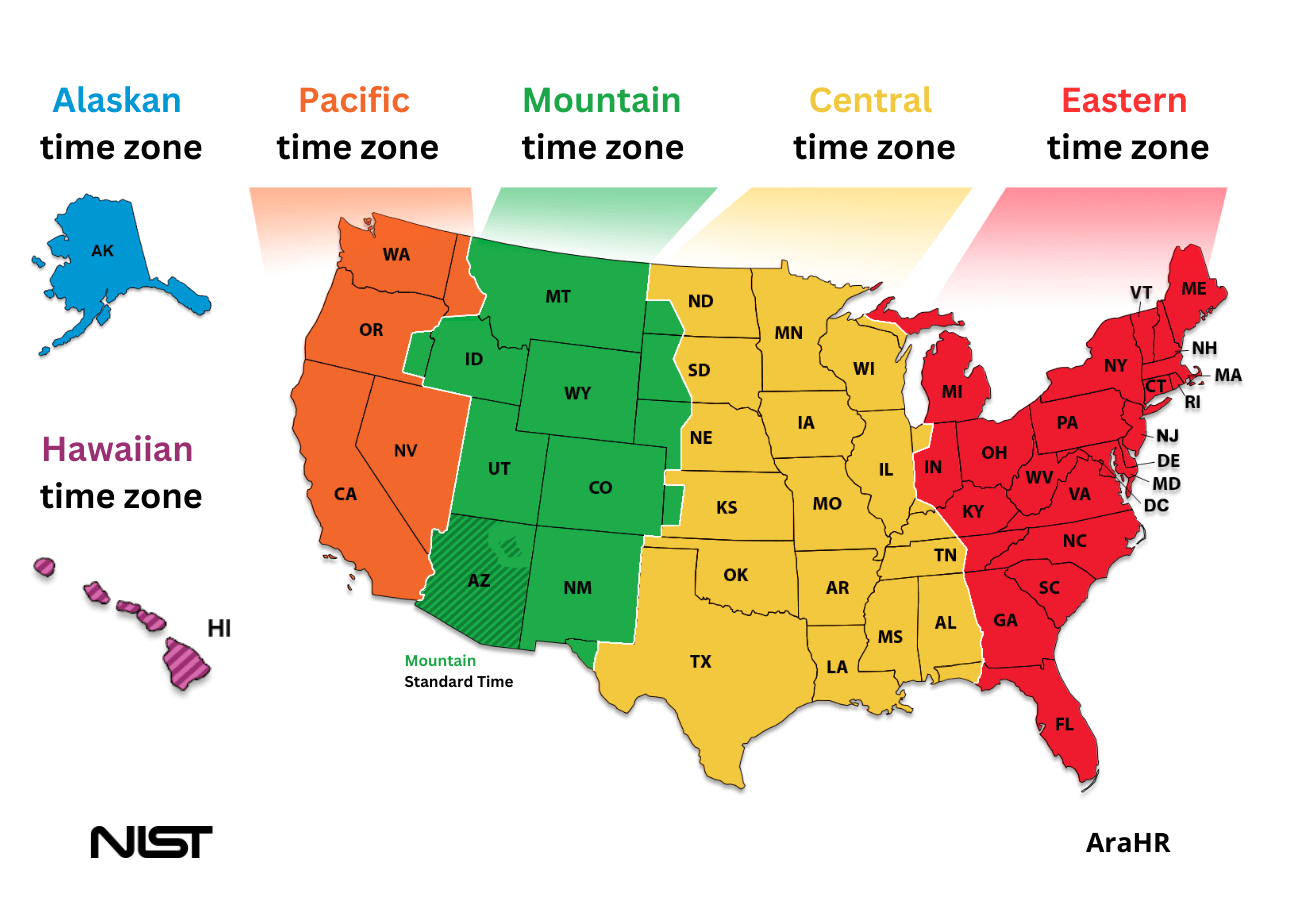
The vast majority of Alabama proudly observes the Central Time Zone (CT). This encompasses virtually all of its major cities, popular tourist attractions, and the scenic landscapes that define the state. For travelers, this means a consistent time reference across most of their journey, simplifying the planning of road trips and multi-city explorations.
Central Time Zone (CT): The Primary Zone
The Central Time Zone (CT) is observed by states primarily in the central portion of the United States. It is six hours behind Coordinated Universal Time (UTC-6) during Standard Time and five hours behind Coordinated Universal Time (UTC-5) during Daylight Saving Time.
When Daylight Saving Time (DST) is in effect, typically from the second Sunday in March until the first Sunday in November, Alabama switches to Central Daylight Time (CDT). During the rest of the year, it observes Central Standard Time (CST). This shift means that clocks “spring forward” an hour in March and “fall back” an hour in November. For visitors, it’s crucial to remember this annual adjustment, especially when booking flights or making plans for early spring or late autumn trips. Most modern devices, of course, automatically update, but being aware helps avoid any confusion.

Cities like Birmingham, the largest city in Alabama and a hub for culture and cuisine, operate on CT. So do the state capital of Montgomery, the historic port city of Mobile, and the space exploration center of Huntsville. Even the popular beach destinations of Gulf Shores and Orange Beach on the Gulf of Mexico follow Central Time. This uniformity across the state’s major tourist regions simplifies itinerary planning significantly, allowing for seamless transitions between diverse destinations and attractions.
The Curious Case of Phenix City and Russell County
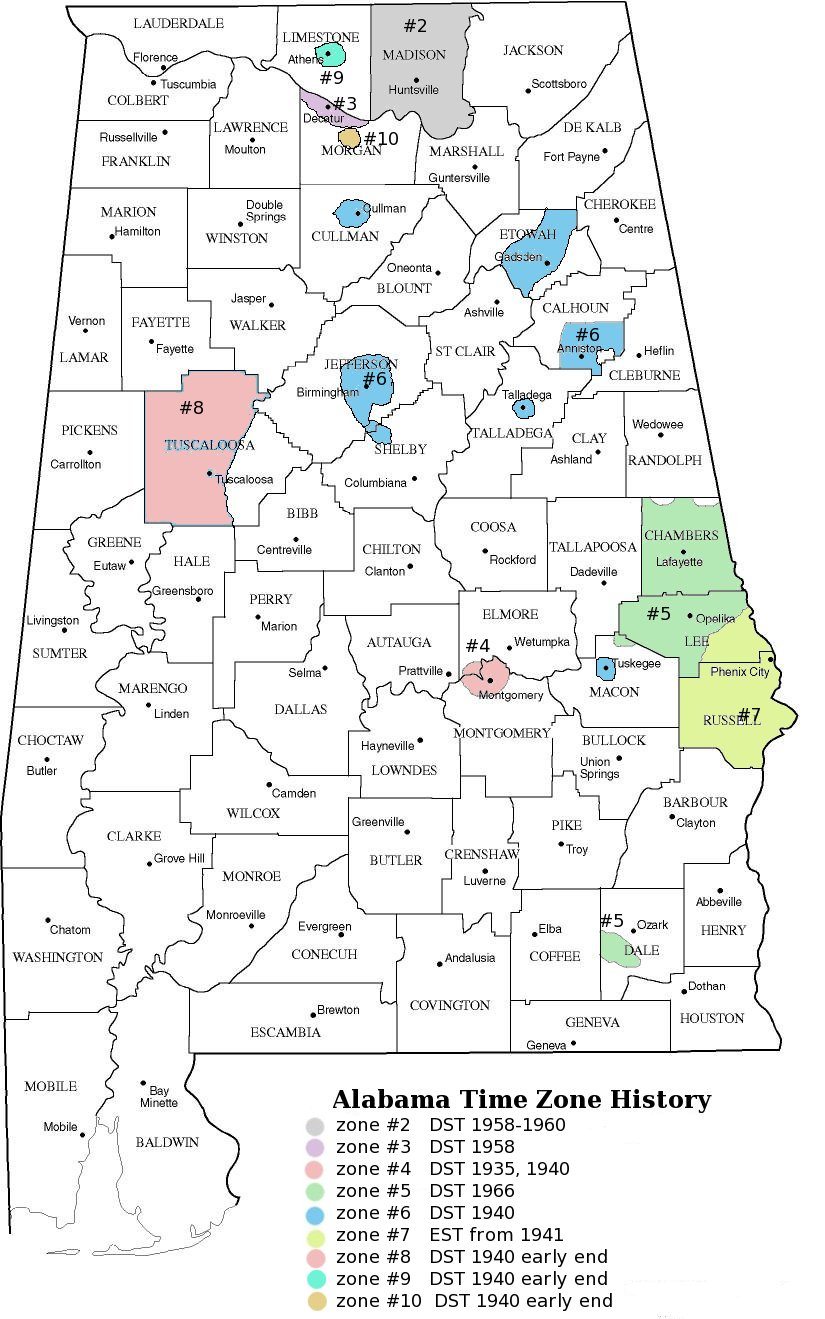
While the vast majority of Alabama falls squarely within the Central Time Zone, there is one notable, albeit unofficial, exception that travelers should be aware of: Phenix City and its surrounding Russell County. This area, located on Alabama’s eastern border, sits directly across the Chattahoochee River from Columbus, Georgia.
Due to its close proximity and strong economic and social ties to Columbus, which observes the Eastern Time Zone (ET), Phenix City unofficially observes Eastern Time. This means that while legally on Central Time, many businesses, schools, and local organizations in Phenix City operate on ET to align with their Georgian neighbors.
For travelers, this unique situation requires a bit of extra attention. If you’re visiting Phenix City or passing through Russell County, it’s always wise to confirm local operating hours for businesses, restaurants, and attractions. A quick phone call or website check can prevent confusion and ensure you don’t miss an important appointment or reservation. This is a classic example of local culture and practical considerations influencing daily life, even in the face of official regulations.
Navigating Time Across Alabama’s Diverse Regions
For most visitors, the consistency of the Central Time Zone throughout Alabama simplifies travel planning. However, savvy travelers will still consider time differences, especially if their journey extends beyond Alabama’s borders into neighboring states like Mississippi (also CT), Tennessee (split between CT and ET), Georgia (all ET), or Florida (mostly CT in the panhandle, then ET).
Travel Planning and Time Differences
When planning a trip to Alabama, especially one involving flights or tight schedules, keeping the time zone in mind is crucial.
- Flights: Most airports in Alabama, including Birmingham-Shuttlesworth International Airport (BHM) and Huntsville International Airport (HSV), operate on Central Time. Ensure your flight arrival and departure times are correctly interpreted, particularly if you are flying from an Eastern Time Zone origin, where you would “gain” an hour upon arrival.
- Hotel Check-ins and Check-outs: Hotels across the state adhere to CT for their check-in and check-out times. Whether you’re staying at a luxurious resort in Orange Beach, a charming boutique hotel in Fairhope, or a family-friendly apartment in Tuscaloosa, these times will be consistent. The exception, of course, is Phenix City, where double-checking is advised.
- Attraction Opening Hours: Whether you’re exploring the U.S. Space & Rocket Center in Huntsville or the USS Alabama Battleship Memorial Park in Mobile, all published operating hours will be in Central Time. This consistency makes day trip planning simple and avoids any last-minute rushes or missed opportunities.
For longer trips or those spanning multiple states, understanding the time zone borders is invaluable. A road trip from Atlanta, Georgia (ET) to Birmingham, Alabama (CT) involves a one-hour time change, which should be factored into driving times and scheduled stops.
Impact on Tourism and Lifestyle
The largely unified time zone contributes significantly to the ease of tourism and the relaxed lifestyle experienced by both residents and visitors in Alabama. For those seeking to explore the diverse offerings of the state, from its historic landmarks to its natural wonders, the uniform time simplifies logistics.
Imagine a journey that begins with a morning hike in the Appalachian Mountains of Northeast Alabama, transitions to an afternoon of exploring civil rights history in Montgomery, and concludes with an evening of live music in Muscle Shoals. All these activities, even though spread across different regions, operate on the same clock, making the flow of the day smooth and stress-free.
This consistency also positively impacts the local lifestyle. Business hours, school schedules, and local events largely adhere to the same rhythm across the state. This means less confusion for residents commuting or traveling for work or leisure, and it contributes to a more cohesive community feel. For tourists, this translates to a predictable environment where planning local activities, from dining reservations to festival attendance, is straightforward. It allows visitors to truly immerse themselves in the local culture and experiences without constantly worrying about time zone shifts.
Experiencing Alabama: Beyond the Clock
With the time zone logistics firmly in mind, you’re ready to dive into the rich tapestry of experiences that Alabama offers. From historical journeys to outdoor adventures and culinary delights, the Yellowhammer State has something for every traveler.
Top Destinations and Attractions in Central Time
Alabama’s main attractions and cities, all operating on Central Time, offer a wide array of activities:
- Birmingham: As the largest city, Birmingham is a vibrant hub. Explore the poignant history at the Birmingham Civil Rights Institute and the 16th Street Baptist Church. Marvel at the city from Vulcan Park and Museum, home to the world’s largest cast iron statue. Families will love the interactive exhibits at the McWane Science Center. Don’t forget to indulge in Birmingham’s renowned culinary scene, from upscale dining to classic Southern comfort food.
- Mobile: Alabama’s oldest city, Mobile, boasts a rich French heritage and a stunning historic district. A must-visit is the USS Alabama Battleship Memorial Park, featuring the legendary battleship and a submarine. Explore the charm of Dauphin Island nearby, perfect for birdwatching and beach relaxation.
- Huntsville: Known as “Rocket City,” Huntsville is home to the world-renowned U.S. Space & Rocket Center. This is a dream destination for science enthusiasts and aspiring astronauts, offering simulators, exhibits, and the Saturn V rocket. The city also has a burgeoning craft beer scene and a charming downtown area.
- Montgomery: The state capital, Montgomery, played a pivotal role in the American Civil Rights Movement. Visit the Rosa Parks Museum, the Dexter Avenue King Memorial Baptist Church, and the Civil Rights Memorial Center. The Alabama State Capitol building is a grand piece of architecture and history.
- Gulf Shores & Orange Beach: For those seeking sun and sand, Alabama’s beautiful Gulf Coast offers miles of pristine white-sand beaches, emerald waters, and a plethora of outdoor activities. From fishing charters to dolphin cruises and world-class golf courses on the Robert Trent Jones Golf Trail, these destinations are ideal for a relaxing or adventurous beach vacation.
- Auburn and Tuscaloosa: These vibrant university towns offer a lively atmosphere, especially during football season. Explore college campuses, enjoy local eateries, and immerse yourself in the spirited collegiate lifestyle.
Accommodation and Travel Logistics
Accommodation options in Alabama cater to every budget and preference, from luxurious hotels to cozy bed and breakfasts and spacious vacation rentals.
- Hotels and Resorts: Major cities and coastal areas offer a range of hotels, from international chains like Hyatt Regency and Marriott to independent boutique hotels. Luxury resorts are particularly prominent along the Gulf Coast, offering amenities such as spas, pools, and direct beach access.
- Vacation Rentals: For families or longer stays, apartments and villas available through services like Airbnb or VRBO are popular, providing more space and privacy. This can be a cost-effective option, particularly for budget travel.
- Booking and Reviews: When booking any accommodation, checking reviews and comparing options on platforms like lifeoutofthebox.com can help ensure you find the perfect stay. Always confirm check-in and check-out times, which will invariably be in Central Time for most of the state.
Coordinating your travel logistics, whether it’s booking domestic flights or planning an extensive road trip, becomes significantly easier when you know that the vast majority of your journey within Alabama will be on a consistent time schedule. This allows you to focus more on the experiences, the tastes, and the sights, rather than constantly adjusting your watch. The ease of navigating a single time zone frees up mental energy, allowing for a more relaxed and immersive travel experience.
In conclusion, for almost every corner of the state, Alabama operates on Central Time, observing Central Standard Time (CST) in winter and Central Daylight Time (CDT) in summer. The quirky exception of Phenix City adds a touch of local character, but with a bit of awareness, it poses no significant challenge. So, set your watch, pack your bags, and get ready to discover the authentic charm and vibrant lifestyle that awaits you in the great state of Alabama.
LifeOutOfTheBox is a participant in the Amazon Services LLC Associates Program, an affiliate advertising program designed to provide a means for sites to earn advertising fees by advertising and linking to Amazon.com. Amazon, the Amazon logo, AmazonSupply, and the AmazonSupply logo are trademarks of Amazon.com, Inc. or its affiliates. As an Amazon Associate we earn affiliate commissions from qualifying purchases.