
Embarking on an Alaskan adventure promises breathtaking landscapes, unparalleled wildlife encounters, and a truly unforgettable journey into the Last Frontier. From the towering peaks of Denali National Park to the pristine waters of Kenai Fjords National Park, Alaska offers a unique tapestry of experiences for every traveler. As you plan your itinerary, meticulously selecting your dream destinations, considering accommodation options from rustic cabins to luxury resorts, and mapping out your lifestyle of exploration, a question might subtly surface: “Are there ticks in Alaska?” It’s a valid and responsible inquiry for any modern traveler, especially given the rising concerns about tick-borne illnesses in many parts of the United States and Canada.
The short answer is yes, ticks do exist in Alaska. However, their prevalence, distribution, and the types of diseases they carry are distinctively different from what travelers might encounter in warmer, more temperate regions like the Northeast United States or the Midwest. Understanding this nuanced reality is crucial for ensuring a safe, enjoyable, and worry-free trip to Alaska. This comprehensive guide aims to equip you with the knowledge needed to navigate the Alaskan wilderness responsibly, focusing on prevention, awareness, and how tick considerations fit into the broader context of your travel planning and lifestyle choices. We’ll delve into the specific types of ticks found here, the actual risks involved, and practical strategies to protect yourself, ensuring that your focus remains on the awe-inspiring beauty and cultural richness that Alaska proudly offers.

Understanding Ticks in Alaska: A Traveler’s Perspective
For many travelers, the thought of ticks immediately conjures images of heavily wooded areas in the Lower 48, often associated with a high risk of Lyme disease. Alaska’s vast and largely untamed wilderness presents a different ecological picture. While ticks are indeed present, the environment – characterized by its cold climate, unique ecosystems, and often rugged terrain – influences their populations and the diseases they might transmit. It’s essential for tourists to approach this topic with accurate information, separating common misconceptions from the actual scientific understanding of ticks in the Last Frontier.
The Alaskan Tick Landscape: Species and Distribution
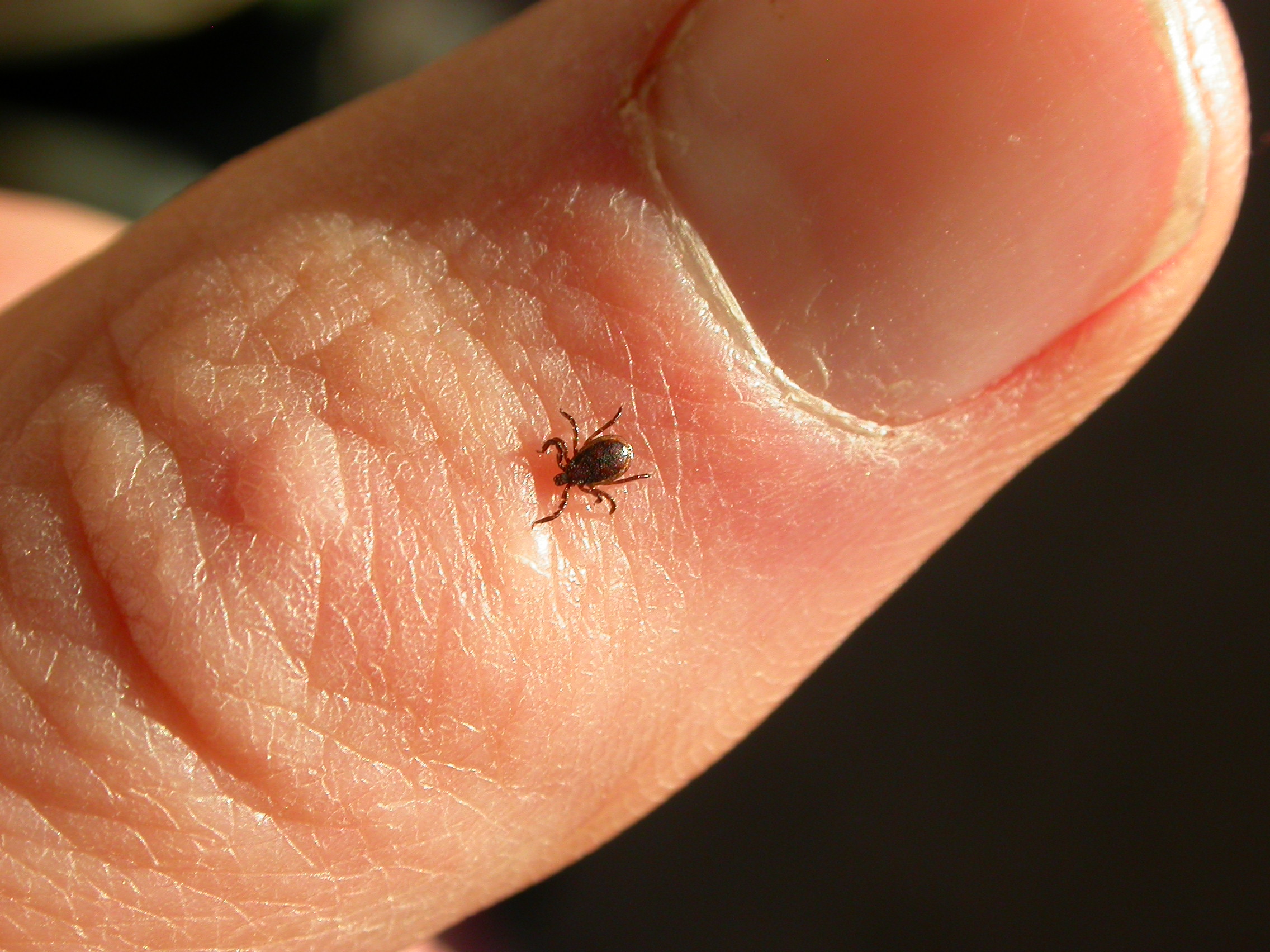
The tick species found in Alaska are generally less common and carry fewer human-pathogenic diseases than their counterparts further south. The primary species of concern for travelers, albeit still relatively rare, include:
- Ixodes angustus (Winter Tick or Squirrel Tick): This is one of the most common ticks found in Alaska, often associated with small mammals like squirrels, voles, and mice. While it can bite humans, it is not considered a primary vector for human diseases like Lyme disease in Alaska.
- Dermacentor andersoni (Rocky Mountain Wood Tick): While primarily associated with the Rocky Mountain region, this tick can be found in some dryer, eastern parts of Alaska. It is a known vector for Rocky Mountain Spotted Fever in other states, but cases are exceedingly rare in Alaska.
- Ixodes scapularis (Deer Tick or Blacklegged Tick): This is the infamous vector for Lyme disease in the eastern United States. While historically thought to be absent from Alaska, recent studies and occasional isolated reports suggest a very limited, possibly transient, presence, particularly in Southeast Alaska or along migratory bird routes. However, it is not established in the state, and the risk remains extremely low compared to other regions.
Tick habitats in Alaska tend to be concentrated in specific areas, often in coastal zones, low-lying brush, and areas frequented by wildlife. These might include the temperate rainforests of Southeast Alaska (around cities like Juneau and Ketchikan), as well as some forested and shrubby areas in Southcentral Alaska near places like Anchorage and Seward. The harsh winters and permafrost in much of the Interior Alaska and Arctic regions naturally limit tick populations, making encounters less likely in those extreme environments.
Tick-Borne Diseases in the Last Frontier
The good news for travelers to Alaska is that the risk of contracting a serious tick-borne illness is significantly lower than in many other popular travel destinations. Diseases such as Lyme disease (caused by the bacterium Borrelia burgdorferi), Anaplasmosis, and Babesiosis, which are common concerns in the Pacific Northwest or the Northeast United States, are exceedingly rare or virtually non-existent as locally acquired infections in Alaska.
However, “rare” does not mean “zero.” There have been a handful of reported cases of tularemia, a bacterial disease that can be transmitted by ticks, particularly the Rocky Mountain Wood Tick. Anaplasmosis, while rare, has also been identified. The CDC and local health authorities continue to monitor tick populations and associated diseases. The key takeaway for tourists is to be aware without being overly anxious. The primary threat posed by ticks in Alaska is often the minor discomfort of a bite, not the transmission of a life-threatening illness. Nevertheless, prudent prevention strategies are always advisable when venturing into any natural environment.
Preparing for Your Alaskan Adventure: Tick Prevention Strategies
A memorable Alaskan experience hinges on careful planning, and that includes preparing for any potential natural challenges, even those as minor as ticks. Integrating tick prevention into your packing and activity plan ensures peace of mind and allows you to fully immerse yourself in the beauty of your surroundings, whether you’re embarking on a rugged backpacking trip or enjoying the amenities of a luxury lodge. This section provides actionable advice, aligning with the principles of responsible tourism and proactive lifestyle choices.
Essential Gear and Clothing for Alaskan Excursions
Your choice of clothing and gear is your first line of defense against ticks, as well as against the unpredictable Alaskan weather. Prioritizing comfort and protection will enhance every aspect of your trip.
- Long Sleeves and Pants: Even in warmer months, opting for long-sleeved shirts and long pants is a smart choice. Not only do they offer protection against ticks, but they also guard against insect bites, sunburn, and scratches from brush.
- Light-Colored Clothing: Ticks are dark-colored, making them easier to spot on light-colored fabrics. This simple choice makes routine tick checks more effective.
- Closed-Toe Shoes and Socks: When hiking or exploring vegetated areas, wear sturdy, closed-toe hiking boots or shoes. Tuck your pants into your socks or boots to create a barrier, preventing ticks from crawling up your legs.
- Insect Repellents: Choose repellents containing DEET (N,N-diethyl-m-toluamide) or picaridin. These are effective against ticks as well as mosquitoes, which are more common in Alaska. Always follow product instructions for safe application.
- Permethrin-Treated Clothing: For serious adventurers planning extensive backcountry treks, consider pre-treating your clothing, tents, and gear with permethrin. This insecticide not only repels but also kills ticks on contact and remains effective through several washes. Do not apply permethrin directly to skin.
- Tick Removal Kit: While not gear for prevention, a small tick removal kit (fine-tipped tweezers, antiseptic wipes) is a practical addition to any first-aid kit. Knowing how to properly remove a tick is crucial should one attach itself.
Whether you’re planning a family trip to Girdwood or an adventurous stay at a remote lodge near Homer, these gear considerations are universally beneficial.
Best Practices for Staying Tick-Free While Exploring
Beyond your attire, adopting certain behaviors during your Alaskan explorations can significantly reduce your risk of tick encounters. These practices are standard for any responsible outdoor enthusiast and blend seamlessly into a safe travel lifestyle.
- Stay on Marked Trails: When hiking in parks like Denali National Park or the Chugach Mountains, stick to designated trails. Ticks often live in tall grass, leaf litter, and dense brush. By avoiding off-trail excursions, you minimize your exposure.
- Perform Regular Tick Checks: This is perhaps the most critical prevention method. During and after outdoor activities, especially in vegetated areas, thoroughly check yourself, your children, and any pets (if traveling with them) for ticks. Pay close attention to warm, moist areas such as armpits, behind the knees, groin, scalp, and behind the ears. A good full-body check after showering is highly recommended.
- Shower Soon After Outdoor Activities: Showering within two hours of coming indoors can help wash off unattached ticks and provides another opportunity for a thorough body check.
- Tumble Dry Clothes: Ticks can survive a wash cycle, but a hot tumble dryer is often lethal. Tumble dry your outdoor clothing on high heat for at least 10 minutes to kill any remaining ticks.
- Check Gear and Bags: Before bringing outdoor gear, backpacks, or camping equipment inside your accommodation, inspect them carefully for hitchhiking ticks.
By integrating these simple, yet effective, strategies into your daily routine while touring Alaska, you significantly reduce any potential tick-related concerns, leaving you free to enjoy the unparalleled scenery and unique activities.
Navigating Alaskan Destinations: Tick Awareness for Travelers
Alaska’s vastness means that conditions can vary dramatically from one region to another. A comprehensive travel guide should account for these geographical differences, especially when discussing natural phenomena like ticks. Understanding how tick presence might differ between coastal rainforests and interior taiga forests, or between summer and shoulder seasons, allows for more targeted preparation and a more informed travel experience.
Coastal Exploration vs. Interior Wilderness: Varying Risks
The diverse ecosystems of Alaska play a significant role in where ticks are most likely to be encountered.
- Southeast and Southcentral Coastal Regions: Areas like Southeast Alaska, home to cities like Juneau, Ketchikan, and Sitka, are characterized by temperate rainforests with lush vegetation and milder, wetter climates. Similarly, parts of Southcentral Alaska, including the regions around Anchorage, Seward, and Valdez, offer a mix of forests and coastal environments. These areas tend to have a higher likelihood of tick presence due to more favorable conditions for tick survival, especially in brushy areas and along game trails. Travelers engaging in hiking, fishing, or wildlife viewing in these regions, whether staying in charming local hotels or remote cabins, should be more vigilant. Even visitors enjoying scenic Alaskan cruise lines that make port calls in these towns should take precautions when exploring ashore.
- Interior and Arctic Wilderness: As you move further inland, towards destinations like Fairbanks, Talkeetna, or the vast expanses of Denali, the climate becomes drier and colder, with more extreme seasonal temperature fluctuations. The presence of permafrost in many areas also limits habitats suitable for ticks. Consequently, tick encounters are generally much less common in Interior Alaska and virtually non-existent in the Arctic. While vigilance is always a good habit in nature, the immediate concern for ticks might be lower when exploring landmarks like Denali National Park’s tundra or the expansive Wrangell-St. Elias National Park.
When to Visit: Seasonal Considerations for Tick Activity
The timing of your Alaskan trip also influences the likelihood of encountering ticks. Tick activity is highly seasonal, driven by temperature and humidity.
- Spring and Early Summer (May-July): This period generally sees the highest tick activity. As temperatures rise and snow melts, ticks emerge from dormancy. If you’re planning a trip during these months, especially for activities like hiking or camping in vegetated areas, heightened awareness and preventive measures are most important. This is a popular time for tourism, so balancing the desire for peak experiences with practical precautions is key for travelers engaging in family trips, adventure travel, or even luxury stays that include outdoor excursions.
- Late Summer and Fall (August-October): As temperatures begin to cool, tick activity typically wanes. While still possible to encounter ticks, the risk generally decreases. This can be a beautiful time to visit Alaska, with vibrant fall colors and fewer crowds.
- Winter (November-April): Due to the freezing temperatures and snow cover, ticks are generally dormant during the Alaskan winter. If your travel plans involve winter sports, northern lights viewing, or ice fishing, tick concerns are minimal to non-existent.
Understanding these seasonal patterns allows travelers to tailor their prevention strategies, making their accommodation choices and activity planning more robust. For instance, a summer fishing trip to Katmai National Park might require more tick-proofing than a winter trip to Fairbanks for the aurora borealis.
Beyond the Bite: A Holistic Approach to Alaskan Travel and Lifestyle
Ultimately, the question of ticks in Alaska is just one facet of a larger conversation about responsible and informed travel. While important, it should not overshadow the myriad wonders that the state offers. A holistic approach to your Alaskan journey involves understanding all potential elements, from wildlife safety to environmental stewardship, ensuring your lifestyle of exploration is both safe and sustainable.
Responsible Tourism and Environmental Stewardship
As with any wild frontier, Alaska presents a delicate balance between human enjoyment and ecological preservation. Climate change, for instance, is a factor that could potentially influence tick populations and distribution in the long term, as warmer temperatures might allow ticks to expand their range. As visitors, our actions have an impact.
- Leave No Trace Principles: Adhering to Leave No Trace principles—such as staying on marked trails, packing out all trash, and respecting wildlife—not only protects Alaska’s pristine environment but also indirectly minimizes your exposure to ticks and other environmental hazards.
- Support Local Conservation Efforts: When planning your trip, consider supporting local businesses and accommodations that prioritize sustainable practices. This contributes to the overall health of Alaska’s ecosystems, which in turn helps maintain natural balances, including those that keep tick populations in check.
- Stay Informed: Keep an eye on local advisories from the Alaskan Department of Fish and Game or park services, particularly for specific regions you plan to visit, such as Glacier Bay National Park or other remote areas. These resources often provide the most up-to-date information on environmental conditions, including insect activity.
By adopting a mindset of responsible tourism, travelers contribute to the preservation of Alaska’s natural beauty for generations to come, fostering a sustainable lifestyle that harmonizes with nature.
Ensuring a Worry-Free Alaskan Experience
The bottom line is that while ticks do exist in Alaska, the risk of encountering them, and especially of contracting a serious tick-borne illness, is considerably lower than in many other popular outdoor destinations. The occasional tick bite is a minor inconvenience that can be easily managed with basic precautions.
Instead of letting a minor concern overshadow your trip, focus on the extraordinary experiences that await you. Imagine standing on the deck of an Alaskan cruise line, spotting whales breach; hiking through untouched wilderness with grizzly bears in the distance; or marveling at the Northern Lights dance across the sky from a cozy lodge near Anchorage International Airport. These are the moments that define an Alaskan adventure.
By being informed, packing appropriately, and following simple prevention guidelines, you can ensure that ticks remain a minor footnote in an otherwise epic journey. Alaska invites you to explore its vast, wild heart, promising an experience that transcends the ordinary. With careful preparation and a spirit of adventure, your trip to the Last Frontier will be everything you dreamed of and more, free from undue worry and full of incredible memories.
LifeOutOfTheBox is a participant in the Amazon Services LLC Associates Program, an affiliate advertising program designed to provide a means for sites to earn advertising fees by advertising and linking to Amazon.com. Amazon, the Amazon logo, AmazonSupply, and the AmazonSupply logo are trademarks of Amazon.com, Inc. or its affiliates. As an Amazon Associate we earn affiliate commissions from qualifying purchases.