
Alaska, the United States’ largest state, is a land of unparalleled natural beauty, rugged wilderness, and fascinating extremes. Perhaps one of its most talked-about characteristics, particularly for visitors from lower latitudes, is its unique relationship with sunlight. The question of “how long is it dark in Alaska?” isn’t a simple one, as the answer varies dramatically depending on the time of year and your specific location within this vast state. From the endless summer days of the midnight sun to the profound darkness of the polar night, Alaska offers a constantly shifting canvas of light and shadow, profoundly influencing everything from its ecosystems to its tourism offerings. Understanding these light cycles is key to planning an unforgettable Alaskan adventure and truly appreciating the rhythm of life in the Last Frontier.
Unveiling Alaska’s Unique Light Cycle: A Land of Extremes
Alaska’s position on the globe, stretching far north and encompassing territory within the Arctic Circle, is the primary driver behind its extreme light patterns. The Earth’s axial tilt, combined with its orbit around the sun, dictates the length of day and night across different latitudes. For Alaska, this means experiencing some of the most dramatic shifts in daylight hours found anywhere in the inhabited world.
The Science Behind the Darkness: Tilt, Orbit, and Latitude
Our planet spins on an axis that is tilted approximately 23.5 degrees relative to its orbital plane around the sun. This tilt is the fundamental reason we have seasons. As the Earth orbits the sun, different parts of the planet are angled towards or away from the sun at various times of the year. During the Northern Hemisphere’s winter, the Arctic region, including much of Alaska, is tilted away from the sun. This results in the sun’s rays striking the Earth at a much shallower angle, and for locations very far north, the sun may not rise above the horizon at all for extended periods.
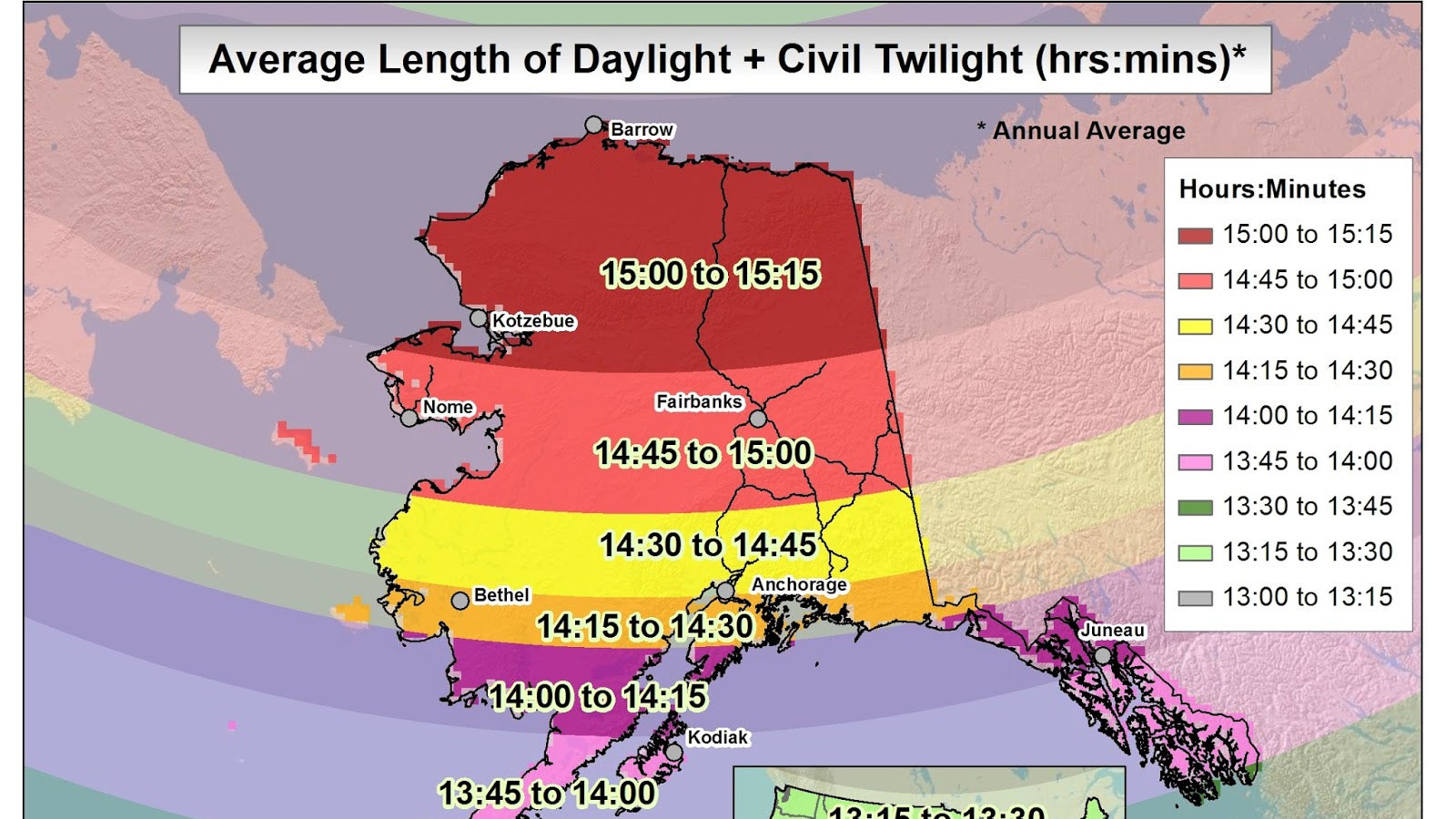
The further north you travel in Alaska, the more pronounced these effects become. Cities like Fairbanks, situated relatively close to the Arctic Circle, experience significantly shorter days in winter compared to Anchorage or Juneau further south. And for those communities truly above the Arctic Circle, the phenomenon known as “polar night” takes hold, where the sun remains below the horizon for days, weeks, or even months.
Defining “Darkness”: Twilight vs. True Night
When discussing how long it’s “dark” in Alaska, it’s important to differentiate between true darkness and twilight. Even when the sun is below the horizon, there can still be varying degrees of light.
- Civil Twilight: This occurs when the sun is less than 6 degrees below the horizon. There’s enough natural light for outdoor activities without artificial illumination.
- Nautical Twilight: When the sun is between 6 and 12 degrees below the horizon. The horizon is no longer visible, but general outlines of objects can still be discerned.
- Astronomical Twilight: The period when the sun is between 12 and 18 degrees below the horizon. This is when the sky is dark enough for astronomical observations, and it transitions into true night.
- True Night: When the sun is 18 degrees or more below the horizon, there is no twilight, and the sky is at its darkest.
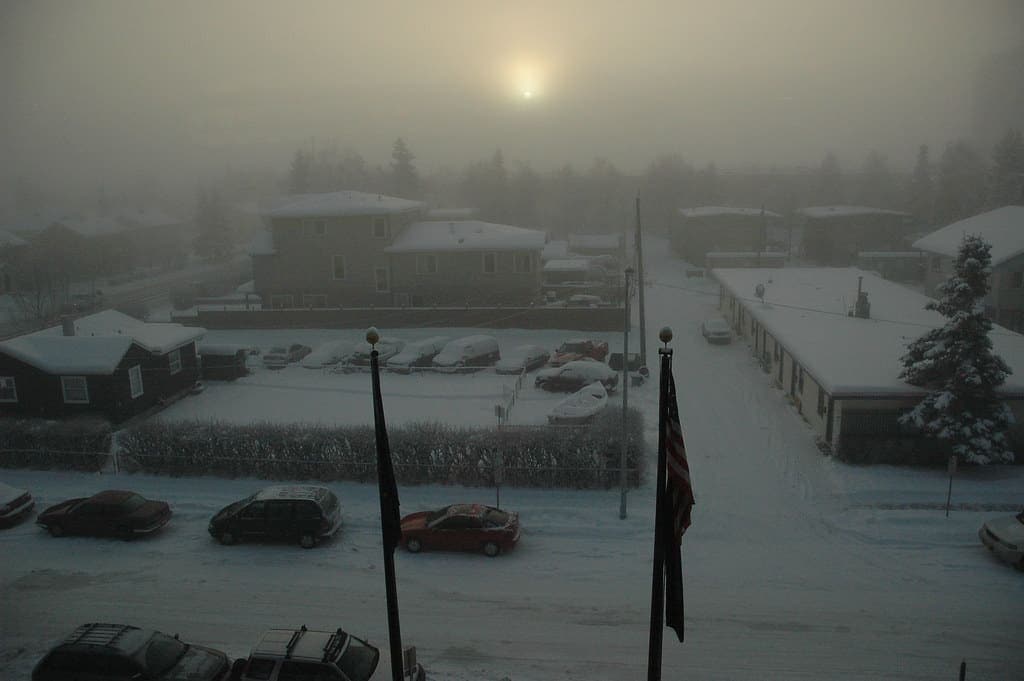
In many parts of Alaska during winter, especially south of the Arctic Circle, “darkness” might refer to very short daylight hours punctuated by extended periods of twilight rather than absolute, pitch-black night. However, for those living deep within the Arctic, true night can indeed dominate for weeks on end.
Winter’s Embrace: Days of Dimness and Polar Night
The winter months in Alaska are synonymous with long nights and short, often dim, days. This period, roughly from late October to early March, presents a unique challenge and charm, shaping the very fabric of life and travel in the state.
Regions Most Affected: North of the Arctic Circle
North of the Arctic Circle, the concept of continuous darkness truly materializes. The northernmost community in the United States, Utqiaġvik (formerly Barrow), experiences polar night. Here, the sun dips below the horizon in mid-November and doesn’t reappear until late January, resulting in about 65 days of continuous darkness. During this time, the sky experiences prolonged periods of civil and nautical twilight around midday, offering a soft, ethereal glow rather than true sunlight. This deep darkness is an integral part of life in Utqiaġvik, with residents adapting their routines and creating a vibrant community life indoors and under the stunning displays of the Aurora Borealis.
Other communities within the Arctic Circle, such as Nome, while not experiencing full polar night, still contend with remarkably short days. In Nome during the winter solstice, daylight may only last for a few hours, barely lifting above the horizon before sinking again.
South of the Arctic Circle: Shorter Days, Longer Nights
Even below the Arctic Circle, Alaska’s major cities experience dramatically reduced daylight hours in winter.
- Fairbanks: Often considered the best place in Alaska for Northern Lights viewing due to its latitude and clear skies, Fairbanks sees around 3 hours and 40 minutes of daylight around the winter solstice in December. The sun barely rises above the southern horizon, casting long shadows and a perpetual dusk-like atmosphere for much of the day.
- Anchorage: Further south, Alaska’s largest city, Anchorage, still experiences significantly shorter days than most places in the United States. In December, Anchorage gets roughly 5 hours and 30 minutes of daylight. While challenging for some, locals are accustomed to this cycle, and the city thrives with winter activities and a cozy community spirit.
- Juneau: The state capital, Juneau, located in Southeast Alaska, has the “longest” winter days among the major cities, largely due to its southerly latitude and coastal position. Even so, it still only receives about 6 hours and 30 minutes of daylight during the shortest days of winter.
Key Dates: Winter Solstice and Beyond
The winter solstice, typically around December 21st, marks the shortest day of the year in the Northern Hemisphere and the longest period of darkness in Alaska. From this point onward, daylight hours gradually begin to increase, offering a slow but steady return to more light. However, the increase is incremental at first. Even by February, many Alaskan communities still have shorter daylight hours than most temperate regions experience in mid-winter. The darkest months for tourism are generally December and January, but these are also prime months for certain unique experiences.
Embracing the Darkness: Unforgettable Alaskan Experiences
Rather than a deterrent, Alaska’s dark winter months open up a world of unique travel and tourism opportunities not found in many other destinations. The profound darkness is not merely an absence of light, but a canvas for spectacular natural phenomena and a catalyst for a distinctive way of life.
The Mesmerizing Dance of the Aurora Borealis
The single greatest draw for winter visitors to Alaska is undoubtedly the Aurora Borealis, also known as the Northern Lights. The long, dark nights of winter provide the ideal conditions for viewing this celestial ballet of greens, purples, and reds. Fairbanks, with its position under the auroral oval and its typically clear, dry winter skies, is often lauded as one of the best places on Earth to witness the phenomenon. Many travel companies specialize in Northern Lights tours, offering comfortable viewing lodges, heated yurts, or specialized transportation to prime viewing spots away from city lights. These tours often include photography workshops, allowing visitors to capture the magic of the lights. Resorts like Chena Hot Springs Resort near Fairbanks combine the chance to see the Aurora Borealis with relaxing soaks in natural hot springs, creating a truly luxurious and unique experience.
Winter Sports and Adventures Under the Stars
The ample snow and extended darkness also create a playground for a variety of winter sports and adventures.
- Dog Sledding: Experience the iconic mode of Alaskan travel with a thrilling dog sledding tour. Many outfits offer day and multi-day trips, even allowing visitors to mush their own team. The famous Iditarod Trail Sled Dog Race starts in Anchorage in March, when days are getting longer, but training and local races happen all winter.
- Snowmobiling (Snowmachining): Explore vast stretches of frozen wilderness on a snowmobile, often with guided tours available that take you through forests, over frozen lakes, and to scenic viewpoints.
- Cross-Country Skiing and Snowshoeing: Miles of groomed trails around cities like Fairbanks and Anchorage invite visitors to embrace the winter landscape. Imagine skiing under a starry sky, perhaps with the Aurora Borealis dancing above.
- Ice Sculpting and Festivals: Cities like Fairbanks host international ice sculpting competitions, transforming blocks of ice into breathtaking works of art, often beautifully illuminated against the dark backdrop.
- Ice Fishing: Spend a peaceful day on a frozen lake, perhaps in a heated hut, trying your hand at ice fishing.
Cultural Immersion and Cozy Retreats
Alaska’s dark season encourages a slower pace of life, fostering a strong sense of community and the enjoyment of indoor comforts.
- Local Culture: Explore museums and cultural centers, learning about the rich indigenous history and the unique challenges and traditions of life in the Arctic.
- Cozy Accommodations: Alaskan hotels, lodges, and resorts often embrace the dark season with warm fireplaces, inviting common areas, and local cuisine. Many offer specialized packages focusing on Northern Lights viewing, winter activities, and relaxation. From rustic cabins to luxury resorts, there’s accommodation for every lifestyle and budget, all designed to make the long nights comfortable and enjoyable.
- Festivals and Events: Despite the cold, Alaskans celebrate winter with numerous festivals, parades, and sporting events that bring communities together and showcase the resilience and spirit of the state.
Accommodation and Travel Tips for the Dark Season
Planning a trip to Alaska during its dark period requires specific considerations for travel and accommodation:
- Layer Up: The cold can be extreme, especially during long nights waiting for the aurora. Invest in good quality thermal layers, insulated outerwear, waterproof boots, hats, and gloves.
- Book Early: Despite the perceived challenges of darkness, winter tourism, especially for aurora viewing, is popular. Secure your flights, accommodations, and guided tours well in advance. Consider hotels in Fairbanks or Anchorage that cater to winter visitors, often offering shuttle services to aurora viewing locations or having their own prime viewing spots.
- Transportation: While major roads are generally well-maintained, winter driving conditions can be challenging. Consider taking the Alaska Railroad for scenic and comfortable travel between cities like Anchorage and Fairbanks. Many tours include transportation, minimizing the need for personal winter driving.
- Embrace the Darkness: Adjust your mindset. Instead of seeing the darkness as a lack, view it as an opportunity for unique experiences and a chance to witness the sky in a way you never have before. Consider a long-term stay to fully immerse yourself.
- Lighting: Many accommodations will have good indoor lighting. Bring a headlamp for outdoor activities, but be mindful of light pollution if you’re trying to see the Northern Lights.
Beyond the Dark: Understanding Alaska’s Midnight Sun
While the focus here is on Alaska’s darkness, it’s impossible to fully grasp its light cycles without understanding its brilliant contrast: the midnight sun. This phenomenon is the other side of the same coin, driven by the Earth’s tilt, and it profoundly impacts summer travel and life.
Summer’s Endless Days: The Midnight Sun Phenomenon
During the Northern Hemisphere’s summer, the Arctic region is tilted towards the sun. This means that for areas north of the Arctic Circle, the sun remains above the horizon for 24 hours a day, leading to continuous daylight. In Utqiaġvik, the sun rises in mid-May and doesn’t set again until early August, providing approximately 80 days of continuous daylight. Even in Fairbanks, just below the Arctic Circle, the sun barely dips below the horizon for a few hours around midnight in June, resulting in essentially 24 hours of usable daylight. Further south in Anchorage, summer days can stretch to nearly 19 hours of direct sunlight.
This abundance of light fuels a burst of life, growth, and outdoor activity. Visitors during this time enjoy hiking, fishing, wildlife viewing in Denali National Park and Preserve, kayaking, and exploring glaciers, all under the surreal glow of the lingering sun. It’s a stark contrast to the winter months, offering a completely different type of Alaskan adventure.
The Transition: Spring and Autumn Equinoxes
The transitions between these extremes occur around the spring (March) and autumn (September) equinoxes. During these times, day and night lengths are roughly equal across most of the globe, including Alaska. These shoulder seasons offer their own unique appeal, with changing foliage in the autumn and the gradual awakening of spring. They also provide opportunities for aurora viewing as the nights begin to lengthen or shorten, but with milder temperatures than the peak winter months.
Planning Your Alaskan Adventure: Maximizing Your Experience
The question of “how long is it dark in Alaska?” is best answered by understanding that Alaska offers two fundamentally different, yet equally captivating, experiences based on its light cycles. If your goal is to witness the ethereal dance of the Aurora Borealis, embark on thrilling winter sports, or experience the serene beauty of a snow-covered landscape under a twilight sky, then embracing the dark winter months is paramount. This is when the state transforms into a true winter wonderland, offering a chance for deep cultural immersion and cozy retreats within its unique accommodations.
For those planning to explore Mount Denali, hike through vibrant national parks, fish for salmon in teeming rivers, or simply bask in endless daylight, the summer months with their midnight sun are the ideal choice. Both periods offer distinct travel experiences, highlighting Alaska’s incredible diversity. Whether you seek the profound solitude of the long winter nights or the vibrant energy of endless summer days, Alaska promises an unforgettable journey, continually shaped by the sun’s presence or absence in its magnificent skies. Understanding this fundamental aspect of Alaskan life is the first step toward crafting your perfect Alaskan adventure and truly appreciating the wonders of this remarkable destination.
LifeOutOfTheBox is a participant in the Amazon Services LLC Associates Program, an affiliate advertising program designed to provide a means for sites to earn advertising fees by advertising and linking to Amazon.com. Amazon, the Amazon logo, AmazonSupply, and the AmazonSupply logo are trademarks of Amazon.com, Inc. or its affiliates. As an Amazon Associate we earn affiliate commissions from qualifying purchases.