
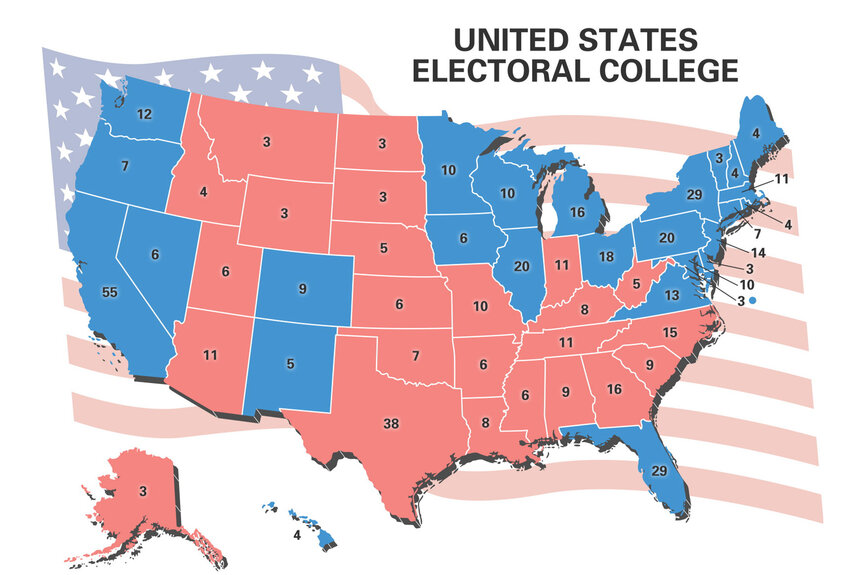
Alaska, the United States‘ largest state by area and arguably one of its most enigmatic, holds a unique position in the nation’s political landscape. For the 2024 presidential election, Alaska is allocated three electoral votes. This number, while seemingly small when compared to states with larger populations, directly reflects the intricate balance between population size and geographical vastness that defines the Last Frontier. Far more than just a political statistic, Alaska’s electoral representation offers a fascinating lens through which to explore its distinctive demographics, unparalleled natural beauty, and the thriving travel and tourism industry that underpins much of its economy and unique lifestyle.
The allocation of electoral votes is a crucial component of the American presidential election system, determining each state’s influence in the choice of the nation’s leader. Every state is guaranteed a minimum of three electoral votes – two for its senators and at least one for its representatives in the House, which are apportioned based on population determined by the decennial census. For Alaska, with its vast uninhabited territories and relatively sparse population, this minimum of three votes has remained consistent, underscoring its distinctive demographic profile. This profile, characterized by remote communities, expansive wilderness, and a lifestyle intimately connected to nature, is precisely what makes Alaska an extraordinary destination for travelers seeking adventure, solitude, and breathtaking natural wonders. Understanding Alaska’s electoral voice, therefore, goes beyond simple numbers; it opens a dialogue about the very essence of the state and its profound appeal to a global audience.

Understanding Alaska’s Electoral Voice: Beyond the Numbers
Alaska’s three electoral votes are a direct consequence of its demographic realities. Despite being more than twice the size of Texas, it consistently ranks among the least populated states in the United States. This low population density, while impacting its political weight in Washington D.C., is precisely what preserves the untouched wilderness and remote charm that are the cornerstones of its tourism appeal. The sheer scale of the state means that even major cities like Anchorage, Fairbanks, and Juneau are often surrounded by vast tracts of undeveloped land, providing unparalleled access to nature.
The Nexus of Demographics, Geography, and Electoral Power
The electoral system ensures that even the smallest states have a voice, preventing a situation where only densely populated areas dictate national policy. For Alaska, this means its unique blend of indigenous cultures, pioneering spirit, and unparalleled natural resources is represented. The dispersed nature of its population across a state so immense necessitates a lifestyle of self-reliance and deep connection to the land, which in turn shapes local economies and priorities. Communities might be separated by hundreds of miles of wilderness, accessible only by bush planes, boats, or the famed Alaska Marine Highway. This remoteness, while a challenge for infrastructure and population growth, is a tremendous asset for experiential travel. Tourists flock to Alaska precisely because it offers experiences unavailable elsewhere – the chance to witness grizzlies in their natural habitat, to kayak through fjords carved by glaciers, or to marvel at the Northern Lights far from city glow. These attractions, born from Alaska’s vast geography and low population, indirectly underscore why its electoral count is both small and yet profoundly representative of its distinctive character.
A Unique Lifestyle and Travel Landscape
The lifestyle in Alaska is inherently tied to its environment. For many residents, daily life involves navigating extreme weather, embracing outdoor pursuits, and fostering strong community bonds in isolated settings. This translates into a travel landscape that offers everything from rugged adventure to serene luxury, often within close proximity to untouched wilderness. Visitors can experience the thrill of dog sledding, the quiet majesty of a wildlife cruise, or the challenge of climbing a peak in Denali National Park.
The very features that contribute to Alaska’s distinctive electoral profile—its sparse population spread across an immense, diverse landscape—are precisely what foster its unique lifestyle and unparalleled travel opportunities. Whether it’s the thrill of witnessing the Iditarod Trail Sled Dog Race in Anchorage or embarking on an expedition to the Arctic Circle from Fairbanks, Alaska provides a window into a way of life that values resilience, self-sufficiency, and an intimate connection with the natural world. This ethos permeates the tourism sector, where tour operators, accommodation providers, and local businesses are deeply invested in preserving the pristine environment that draws millions to its shores each year.
Journeying Through the Last Frontier: Travel and Tourism Implications
For travelers, Alaska represents the ultimate frontier—a place where nature reigns supreme and human endeavors are often dwarfed by the landscape. The state’s focus on preserving its natural beauty directly benefits the tourism sector, offering visitors a chance to engage with true wilderness. The limited number of electoral votes, reflecting a relatively small population, also implies less urban sprawl and more preserved natural habitats, which are the main draw for tourists.
Navigating Alaska’s Iconic Destinations and Natural Landmarks
Alaska is home to an astonishing array of natural landmarks and iconic destinations, each offering a unique glimpse into its vastness and ecological diversity. No visit is complete without experiencing the grandeur of Denali National Park, where Mount Denali, North America’s highest peak, dominates the skyline. This park is a sanctuary for grizzly bears, moose, caribou, and wolves, offering unparalleled wildlife viewing opportunities through its strict road system and guided tours.
The capital city, Juneau, is unique in that it’s only accessible by air or sea. Nestled between towering mountains and the Gastineau Channel, Juneau serves as a hub for exploring the nearby Mendenhall Glacier and offers exceptional whale watching tours. Further south, the renowned Inside Passage is a labyrinth of islands, fjords, and coastal towns like Ketchikan and Sitka, best explored by cruise ship. These voyages showcase dramatic scenery, abundant marine life, and the rich cultural heritage of Alaska Native communities.

Anchorage, the largest city, acts as a primary gateway to the state, offering urban amenities alongside easy access to wilderness. From Anchorage, travelers can embark on day trips to places like Seward for Kenai Fjords National Park or fly further north to Fairbanks, the gateway to the Arctic and prime viewing location for the Northern Lights in winter. Other majestic parks like Glacier Bay National Park and Gates of the Arctic National Park beckon those seeking truly remote and immersive wilderness experiences, often requiring specialized guiding and transport. Each of these landmarks and cities plays a vital role in Alaska’s vibrant tourism ecosystem, drawing visitors from around the globe to witness its unparalleled grandeur.
Accommodation in the Wild: From Luxury to Remote Stays
Given its vastness and diverse geography, Alaska offers a spectrum of accommodation options designed to cater to every traveler’s preference and budget. In larger cities like Anchorage and Fairbanks, visitors can find well-appointed hotels such as the Anchorage Marriott Downtown or the historic Hotel Captain Cook, offering comfortable stays with modern amenities. These urban centers serve as excellent bases for day trips and provide a taste of Alaskan city life.
However, the true essence of Alaskan accommodation lies in its unique wilderness lodges and remote resorts. These establishments are often nestled deep within national parks, alongside pristine rivers, or overlooking glacial fjords, providing an immersive experience with nature. Options range from rustic, cozy cabins that offer a back-to-basics escape to luxurious all-inclusive resorts that combine gourmet dining with guided wildlife excursions. For instance, the Chena Hot Springs Resort near Fairbanks offers not only comfortable lodging but also access to natural hot springs and an ice museum, making it a unique year-round destination.
Many tour packages in Alaska include stays at these specialized lodges, which often provide guided activities such as bear viewing, fishing, hiking, and even flightseeing tours directly from their properties. Beyond traditional hotels and resorts, independent travelers might opt for charming bed and breakfasts in towns like Homer or Seward, renting vacation apartments, or even adventurous camping and glamping experiences in designated areas. The unique challenge of providing accommodation in remote areas has led to innovative solutions, ensuring that whether one seeks five-star luxury or a humble cabin under the stars, Alaska can deliver an unforgettable stay that connects visitors directly to its wild heart.
The Economic Tapestry: Tourism’s Role in Alaska’s Future
The tourism industry is a vital thread in Alaska’s economic tapestry, generating billions of dollars annually and supporting tens of thousands of jobs. For a state with a relatively small population and an economy historically reliant on resource extraction, tourism provides a crucial diversification and a stable source of income. This industry directly benefits from Alaska’s pristine environment and protected lands – features that are, in a sense, preserved by its low population density and thus, indirectly by its modest electoral vote count.
Sustaining Local Culture and Communities Through Travel
Tourism in Alaska does more than just boost the state’s coffers; it plays a profound role in sustaining local cultures and communities, particularly those of Alaska Native peoples. Many indigenous communities offer authentic cultural experiences, from traditional dance performances and storytelling to artisan markets featuring handcrafted goods. These opportunities provide visitors with a deeper understanding of Alaska’s rich heritage while simultaneously providing economic support and cultural preservation incentives for local residents.
The industry also supports small businesses in remote towns, offering employment in guiding, hospitality, transportation, and local craft production. Responsible tourism initiatives are increasingly important, focusing on minimizing environmental impact and ensuring that the benefits of tourism are distributed equitably within local communities. This commitment to sustainable practices is crucial for maintaining the delicate balance between welcoming visitors and preserving the unique Alaskan way of life, ensuring that the wild beauty that draws people to Alaska today will remain for future generations. Protecting these natural assets is not just good for the environment; it’s essential for the economic vitality of countless Alaskan communities that rely on a thriving tourism sector.
Planning Your Alaskan Adventure: Tips for Every Traveler
Embarking on an Alaskan adventure requires thoughtful planning to maximize the experience. The “best” time to visit largely depends on your desired activities. Summer (June to August) offers long daylight hours, warmer temperatures, and access to most attractions, making it ideal for cruises along the Inside Passage, wildlife viewing, hiking in national parks, and fishing excursions in places like Homer or the Kenai Peninsula. Shoulder seasons (May and September) offer fewer crowds and often lower prices, with the added bonus of potential aurora borealis sightings as the nights grow longer. Winter (October to April) transforms Alaska into a snowy wonderland, perfect for viewing the Northern Lights in Fairbanks, dog sledding, skiing, and ice fishing.
Packing should always include layers, regardless of the season, as Alaskan weather can be unpredictable. Waterproof outerwear, sturdy hiking boots, insect repellent, and good quality binoculars for wildlife viewing are essential. For those traveling in winter, extreme cold weather gear is a must. Transportation within Alaska varies; while a rental car is feasible in the road system accessible areas, many iconic destinations are best reached by small plane, ferry, or cruise ship. Consider booking tours and accommodations well in advance, especially for popular summer months, as options can be limited in remote areas. Whether your dream trip involves spotting a grizzly in Katmai National Park, fishing for salmon in the Pacific Ocean, cruising the waters of the Gulf of Alaska and Bering Sea, or experiencing the unique charm of its small towns, Alaska promises an unforgettable journey into one of the world’s last great wild places.
In conclusion, Alaska’s allocation of three electoral votes for 2024 is more than just a political footnote. It is a reflection of a state defined by its immense scale, sparse population, and unparalleled natural grandeur. These very characteristics, which shape its political influence, are precisely what make Alaska a world-class destination for travel and tourism. From its iconic landmarks and diverse accommodations to the unique lifestyle it fosters and the vibrant communities it supports, Alaska offers an experience unlike any other, inviting travelers to explore the true Last Frontier.
LifeOutOfTheBox is a participant in the Amazon Services LLC Associates Program, an affiliate advertising program designed to provide a means for sites to earn advertising fees by advertising and linking to Amazon.com. Amazon, the Amazon logo, AmazonSupply, and the AmazonSupply logo are trademarks of Amazon.com, Inc. or its affiliates. As an Amazon Associate we earn affiliate commissions from qualifying purchases.