
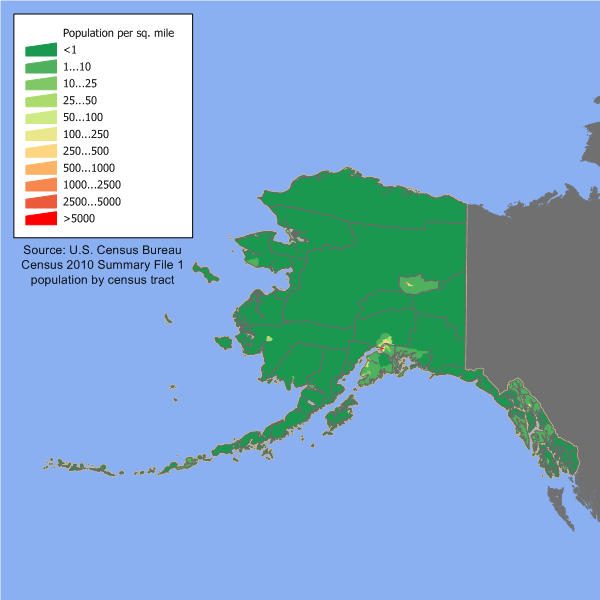
The vast, rugged expanse of Alaska, often referred to as “The Last Frontier,” captivates the imagination with its unparalleled natural beauty and immense wilderness. While its land area is truly colossal – more than twice the size of Texas – its human population tells a different story. As of the latest estimates (mid-2023), the population of Alaska hovers around 737,000 residents. This makes it the third least populous state in the United States and, more significantly, the least densely populated, with fewer than 1.3 people per square mile. This unique demographic profile is not merely a statistical fact; it profoundly shapes every aspect of life in Alaska, from its local culture and economic development to the very nature of travel, tourism, and accommodation experiences available to visitors.
For those planning an unforgettable journey to this majestic land, understanding Alaska’s population dynamics is crucial. It influences everything from the availability of services and the type of infrastructure you’ll encounter to the authentic interactions you’ll have with locals and the sheer solitude you can find amidst breathtaking landscapes. This article delves into the demographic makeup of Alaska, exploring how its sparse, diverse population creates distinctive opportunities and challenges for residents and travelers alike, particularly within the contexts of travel, hotels, and lifestyle.
Alaska’s Population: A Tapestry of Diversity and Distribution
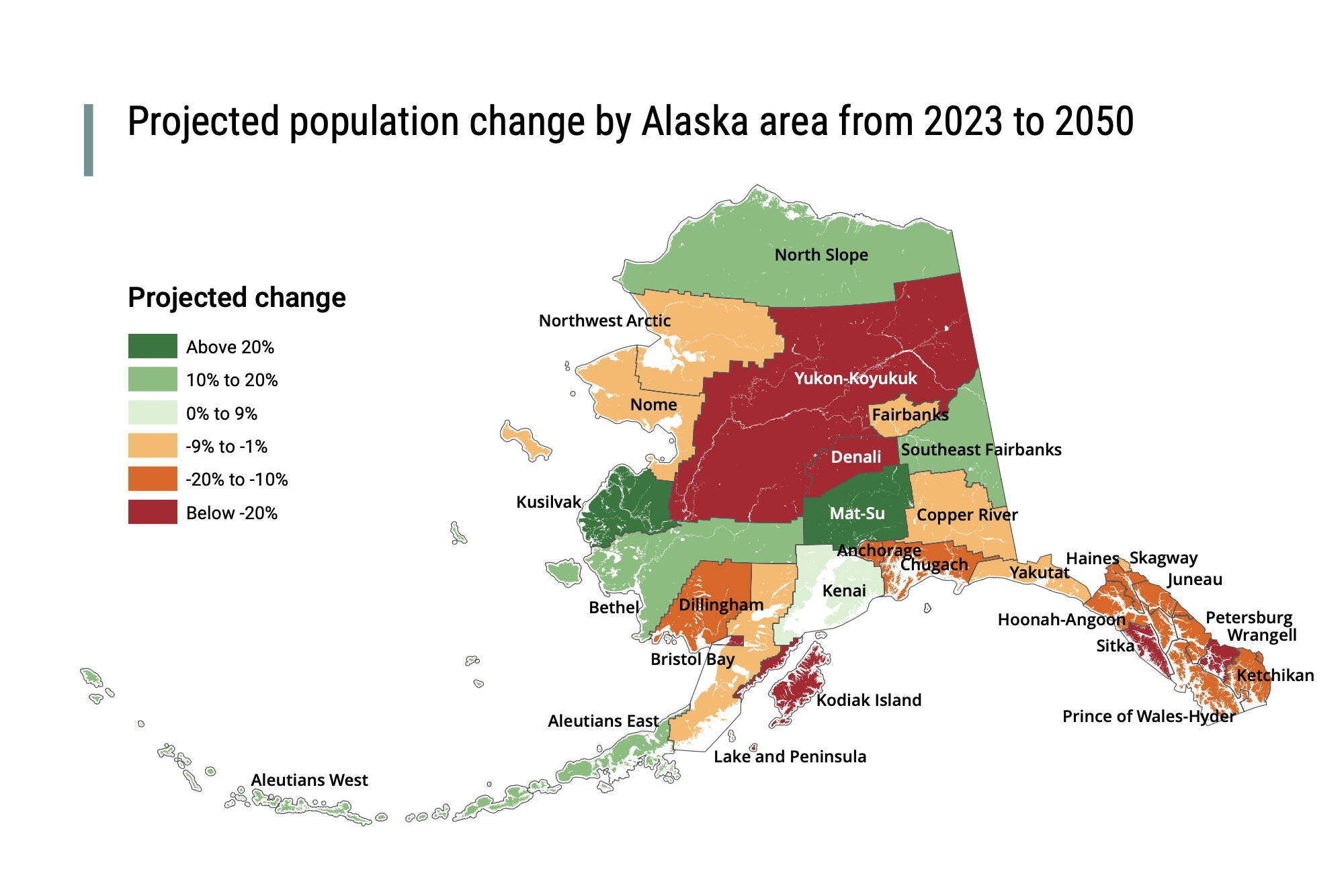
The small but vibrant population of Alaska is characterized by its remarkable diversity and an uneven distribution across the state’s immense geography. Far from being a homogeneous group, Alaskans represent a rich mosaic of cultures, backgrounds, and lifestyles, all united by a shared connection to this extraordinary environment.
Current Demographics and Growth Trends
Alaska’s population, while small, is stable, though it has experienced periods of both modest growth and slight decline in recent years, often influenced by economic factors like the oil industry. The demographic makeup is notably diverse. Approximately 15% of the population identifies as Alaska Native or American Indian, representing a myriad of indigenous groups including the Inupiaq, Yup’ik, Athabascan, Tlingit, Haida, and Tsimshian. These communities maintain strong cultural traditions, languages, and subsistence lifestyles that are deeply intertwined with the land and sea. Beyond the indigenous populations, Alaska is home to a significant military presence, drawn by strategic bases and career opportunities, as well as individuals who have migrated from other parts of the U.S. and the world, seeking adventure, economic prospects, or simply a different way of life. This blend of cultures contributes to a unique Alaskan identity that values resilience, self-sufficiency, and a strong sense of community.
Major Population Centers and Remote Living
Given Alaska’s vastness, its population is concentrated in a few key areas, leaving the majority of the state as pristine wilderness. The largest city by far is Anchorage, home to over 280,000 residents, roughly 38% of the state’s total population. Anchorage serves as the primary economic hub, offering the widest range of services, modern hotels, restaurants, and cultural attractions. Other significant population centers include Fairbanks in the interior, known for its proximity to the Arctic Circle and the University of Alaska Fairbanks, and Juneau, the state capital, nestled amidst the majestic mountains and waterways of the Inside Passage.
Beyond these urban centers, hundreds of smaller towns and villages dot the landscape, many accessible only by air or sea. Remote communities, particularly in the vast western and northern regions, exemplify a subsistence lifestyle where hunting, fishing, and gathering are vital. This stark contrast between urban amenities and profound rural isolation is a defining characteristic of Alaska, influencing everything from infrastructure development to the availability of specialized travel services. For travelers, understanding this distribution is key to planning itineraries that balance convenience with the desire for genuine wilderness immersion.
The Impact of Demographics on Alaska’s Travel and Tourism Sector
Alaska’s low population density and unique distribution directly shape its travel and tourism industry. Unlike more densely populated destinations, Alaska offers experiences that prioritize vastness, solitude, and authentic encounters with nature and local culture, while also presenting specific logistical considerations for visitors.
Unique Travel Experiences Shaped by Low Density
The sheer lack of human presence across much of Alaska is its greatest asset for tourism. It ensures that vast areas remain pristine, offering unparalleled opportunities for wildlife viewing, wilderness exploration, and a profound sense of escape. Visitors come here seeking experiences that are increasingly rare in a crowded world: watching grizzly bears fish for salmon in Katmai National Park, cruising through fjords teeming with marine life in Kenai Fjords National Park, trekking near the base of Denali in Denali National Park, or witnessing the ethereal dance of the Northern Lights from the remote interior.
Activities like dog sledding, glacier hiking, sea kayaking, and backcountry skiing thrive in environments where human impact is minimal. The emphasis here is on quality over quantity, with tours often being small-group, intimate affairs that prioritize immersion and conservation. The absence of major urban sprawl means that dramatic landscapes are often just a short drive or flight away from even the largest cities, allowing for quick transitions from civilization to the heart of the wild.
Infrastructure and Accessibility Challenges
While low population density fosters unique experiences, it also presents distinct challenges regarding infrastructure and accessibility. Alaska’s road network is limited, primarily connecting Anchorage, Fairbanks, and a few other towns in the south-central and interior regions. Much of the state, including the capital city of Juneau, is not reachable by road from the rest of North America. This necessitates a reliance on air and sea travel.
Bush planes are a quintessential Alaskan mode of transport, connecting remote villages and wilderness lodges, offering spectacular aerial views but also adding to travel costs and requiring flexibility due to weather. The Alaska Marine Highway System, a ferry service, provides a vital link for coastal communities and offers a popular way for travelers to explore the Inside Passage and south-central Alaska, often with their vehicles. Cruises are another major artery for tourism, bringing hundreds of thousands of visitors to port cities like Ketchikan, Sitka, and Juneau each summer. This reliance on multi-modal transport means that planning an Alaskan adventure often requires more foresight and budgeting for varied transportation costs than trips to other destinations.
Accommodation and Hospitality in a Sparsely Populated Land
The types and availability of accommodation in Alaska are directly influenced by its population distribution. In major centers like Anchorage and Fairbanks, you’ll find a range of modern hotels, from international chains to boutique options. However, as you venture into smaller towns and wilderness areas, the choices become more specialized and often more intimate.
Remote lodges, wilderness cabins, and family-run bed and breakfasts are common, providing a cozy and often immersive experience. These establishments often have limited capacity, especially during the peak summer season (May to September), making advance booking essential. Many offer all-inclusive packages that cover meals, guided tours, and transportation, reflecting the logistical challenges of operating in isolated areas. For example, staying at a luxury wilderness lodge near Girdwood, like Alyeska Resort, offers a completely different experience than a roadside motel in a small fishing village. The personalized service, local expertise, and often higher price point of these unique accommodations are a direct reflection of the sparse population and the specialized nature of Alaskan tourism.
Alaskan Lifestyle and Its Appeal to Visitors
The distinctive Alaskan lifestyle, forged by its challenging environment and unique demographics, is a significant draw for travelers seeking authenticity and connection. It’s a culture characterized by resilience, independence, and a profound respect for nature.
Local Culture, Community, and Indigenous Heritage
The sparse population fosters strong bonds within Alaskan communities. In many towns, everyone knows everyone, and a spirit of mutual aid prevails. This sense of community is often extended to visitors, who can find warmth and genuine hospitality. The indigenous heritage of Alaska is a cornerstone of its cultural fabric. Alaska Native cultures, with their rich histories, art forms (like totem poles and intricate carvings), traditional dances, and storytelling, offer deep insights into human adaptation to extreme environments. Cultural centers and museums in cities like Anchorage and Juneau, as well as smaller villages, provide opportunities to learn about and respectfully engage with these vibrant traditions.
The modern Alaskan lifestyle is also heavily influenced by the proximity to wilderness. Many residents participate in subsistence activities, fishing for salmon, hunting moose, and gathering berries. This connection to the land and its resources shapes local cuisine, seasonal festivals, and everyday routines. Travelers often find themselves drawn to this unpretentious, hands-on approach to life, seeking to understand how people thrive in such an imposing yet beautiful setting.

The Allure of Wilderness and Outdoor Adventures
Ultimately, Alaska’s low population is what preserves its staggering wilderness, making it a premier destination for outdoor adventures. With millions of acres of national parks, wildlife refuges, and national forests, the state offers unparalleled opportunities for immersion in nature. From the sprawling glaciers of Prince William Sound to the vast tundra of the Arctic National Wildlife Refuge, the scale of the natural world here is humbling.
Popular landmarks include the majestic Mendenhall Glacier near Juneau, the scenic Seward Highway stretching from Anchorage to Seward, and the legendary fishing grounds of Homer. Activities range from thrilling flightseeing tours over glacial icefields to serene kayaking in protected coves, challenging hiking trails, and world-class sport fishing. The solitude found in Alaska’s wilderness is a powerful draw, allowing visitors to disconnect from urban pressures and reconnect with the raw beauty of the natural world. This profound sense of untouched nature is a direct consequence of the low human footprint across the state.
Planning Your Alaskan Adventure: Tips for Travelers
Embarking on an Alaskan adventure requires careful planning, much of which is influenced by the state’s unique population dynamics and vast geography. To ensure a memorable and seamless trip, consider these practical tips.
Navigating Logistics: When and How to Visit
The “when” of your Alaskan travel often dictates the “how.” The peak tourism season is during the summer months (June, July, August), offering long daylight hours, milder temperatures, and the widest array of tours and services. This is the best time for cruises, wildlife viewing, and accessing remote areas. However, popularity during this time means higher prices and the necessity of booking accommodation and tours well in advance. Shoulder seasons (May and September) offer fewer crowds and potentially lower prices, though some services might be limited.
For those dreaming of the Northern Lights, a winter visit (mid-September to April) to destinations like Fairbanks is ideal. Winter travel brings its own set of challenges, including extreme cold and limited daylight, but also unique activities like ice fishing, dog sledding, and snowmobiling.
Regarding “how,” direct flights typically arrive at Ted Stevens Anchorage International Airport. From there, you can rent a car for road-accessible areas, take scenic train rides on the Alaska Railroad, or book small plane charters to reach more remote locations. For coastal exploration, cruises are a popular choice, and the Alaska Marine Highway System offers a more adventurous ferry experience. Due to the vast distances and limited infrastructure, budgeting for varied transportation methods is crucial.
Finding the Right Accommodation in Alaska’s Diverse Regions
Matching your accommodation to your desired experience is vital. In larger cities like Anchorage, you’ll find everything from luxury hotels to budget-friendly hotels and apartment rentals. However, in smaller towns like Talkeetna or Valdez, options are more limited and often consist of independently owned lodges, B&Bs, or rustic cabins.
For wilderness immersion, consider booking a stay at a remote lodge or backcountry cabin. These often provide all-inclusive experiences, covering meals and guided activities, which simplifies logistics in areas with no nearby services. If camping is your preference, Alaska offers numerous state and national park campgrounds, but always check regulations and bear safety protocols. Given the seasonal nature of tourism and the limited number of rooms in many locations, especially outside of Anchorage and Fairbanks, early booking is non-negotiable, particularly for peak season travel. Utilize online resources for booking and reviews to find the best fit for your lifestyle and budget.
Embracing the Alaskan Experience
To truly appreciate Alaska, come prepared for its unique challenges and open to its profound rewards. Pack layers of clothing suitable for varied weather, even in summer. Be mindful of wildlife and practice bear safety protocols. Embrace the long daylight hours of summer and the stark beauty of winter. Engage with locals, who are often eager to share their experiences and insights into Alaskan life.
Respect the environment and local customs, especially in Alaska Native communities. The low population density means that you might be the only human for miles, offering an unparalleled sense of solitude and connection to nature. This “Last Frontier” isn’t just a geographical descriptor; it’s a lifestyle, a mindset, and an invitation to experience a world where nature reigns supreme and human presence is a cherished, often sparse, counterpoint. By understanding and appreciating Alaska’s population, travelers can truly unlock the magic of this extraordinary destination.
LifeOutOfTheBox is a participant in the Amazon Services LLC Associates Program, an affiliate advertising program designed to provide a means for sites to earn advertising fees by advertising and linking to Amazon.com. Amazon, the Amazon logo, AmazonSupply, and the AmazonSupply logo are trademarks of Amazon.com, Inc. or its affiliates. As an Amazon Associate we earn affiliate commissions from qualifying purchases.