
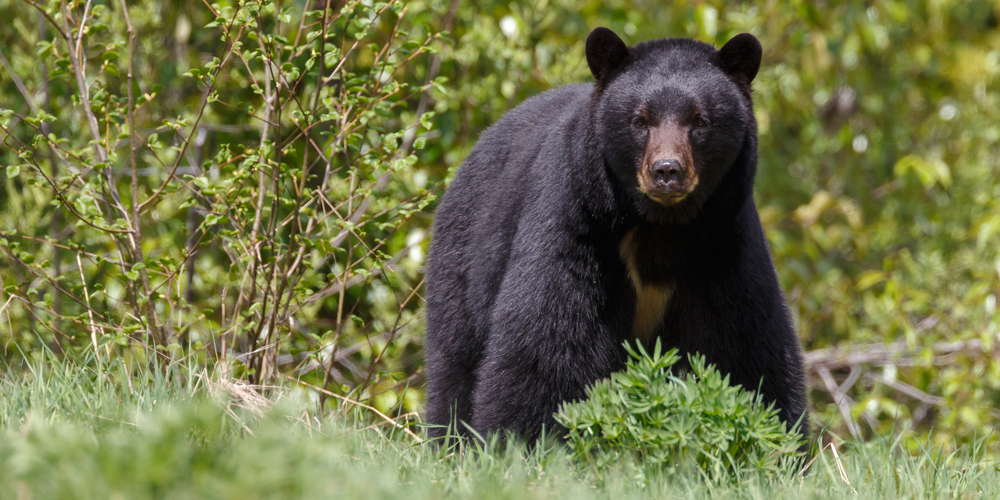
The state animal of New Mexico is the New Mexico black bear (Ursus americanus amblyceps). This majestic creature, a subspecies of the American black bear, roams the diverse landscapes of the Land of Enchantment, from the towering peaks of the Rocky Mountains to the vast forests and rugged canyons. Its designation as the state animal is a fitting tribute to its significance in the state’s natural heritage and its deep connection to the wild beauty of New Mexico.
The Majestic Presence of the New Mexico Black Bear
The New Mexico black bear is not merely a symbol; it represents the untamed spirit and ecological vitality of the state. As the largest land mammal in New Mexico, it plays a crucial role in maintaining the health of its ecosystems. Understanding this animal goes beyond its official title, delving into its biology, habitat, and the cultural resonance it holds for the people of New Mexico.
Physical Characteristics and Behavior
The New Mexico black bear, like its widespread cousins, is characterized by its relatively small size compared to other bear species. Adults typically weigh between 150 and 300 pounds, though some males can exceed 500 pounds. Their fur color can range from the typical black to a rich chocolate brown, and occasionally even a cinnamon hue, making identification based solely on color challenging. They possess a sturdy build, with powerful limbs equipped with non-retractable claws, ideal for climbing trees and digging for food. Their snouts are long and pointed, housing a keen sense of smell that is their primary tool for foraging and navigating their environment.
These bears are generally solitary animals, except during mating season or when a mother is raising her cubs. Their activity patterns are primarily crepuscular, meaning they are most active during dawn and dusk. While often perceived as formidable predators, their diet is predominantly omnivorous. They feed on a variety of items, including berries, nuts, roots, insects, fish, and small mammals. Their adaptability in diet allows them to thrive in a wide range of habitats found across New Mexico.
Habitat and Distribution
The natural range of the New Mexico black bear encompasses a significant portion of the state’s varied terrain. They are most commonly found in the mountainous regions, particularly in coniferous and deciduous forests. The San Juan Mountains, the Gila National Forest, and the Lincoln National Forest are prime examples of areas where these bears maintain healthy populations. These environments provide the essential elements for their survival: abundant food sources, water, and shelter.
Their habitat extends to riparian areas along rivers and streams, as well as more open woodlands and even brushy canyons. The availability of diverse vegetation throughout the year is critical for their dietary needs, influencing their migratory patterns and seasonal movements. Understanding these habitat requirements is fundamental to conservation efforts aimed at protecting the species.
The Significance of the New Mexico Black Bear in Local Culture and Conservation
The choice of the New Mexico black bear as the state animal reflects a deep appreciation for wildlife and the natural world that is intrinsic to the culture of New Mexico. Beyond its symbolic value, the bear’s presence is a barometer of ecosystem health, and its conservation is a shared responsibility.

Historical and Cultural Reverence
For indigenous peoples of New Mexico, such as the Pueblo and Navajo tribes, the bear has long held a place of spiritual and cultural significance. Often depicted in petroglyphs and oral traditions, the bear is associated with strength, courage, and healing. These historical connections underscore the enduring relationship between humans and wildlife in the region.
In more recent history, the designation of the New Mexico black bear as the state animal in 1973 was a deliberate act to highlight the importance of this species and its habitat. It serves as a constant reminder for residents and visitors alike of the wild beauty that defines New Mexico and the need to protect it. This symbol encourages engagement with the natural environment, promoting activities like hiking in areas where bears are present, wildlife viewing, and appreciation of the state’s natural heritage.
Conservation Efforts and Challenges
Protecting the New Mexico black bear population involves addressing a range of challenges, from habitat fragmentation to human-wildlife conflict. Conservation strategies are multifaceted, focusing on habitat preservation, scientific research, and public education.
- Habitat Protection: Efforts are underway to maintain and restore critical bear habitats, ensuring that vast tracts of land remain undeveloped and ecologically intact. This includes safeguarding forested areas, water sources, and the diverse plant life that sustains bear populations.
- Research and Monitoring: Wildlife biologists conduct ongoing research to monitor bear populations, track their movements, and study their health and reproductive success. This data is crucial for informing effective conservation management plans.
- Human-Wildlife Coexistence: Educating the public about living safely and responsibly in bear country is paramount. This involves promoting proper food storage, waste management, and awareness of bear behavior to minimize conflicts that could be detrimental to both humans and bears.
- Legislation and Policy: State and federal agencies work to enact and enforce policies that protect black bears and their habitats, including regulations on hunting and land use.
The ongoing efforts to conserve the New Mexico black bear are a testament to the state’s commitment to preserving its natural legacy for future generations. The presence of these magnificent animals enriches the experience of exploring New Mexico, offering opportunities to connect with the wild heart of the Southwest.
Exploring the Black Bear’s Domain: Travel and Tourism in New Mexico
The designation of the New Mexico black bear as the state animal naturally draws attention to the very landscapes it inhabits, making them prime destinations for nature enthusiasts and travelers seeking authentic experiences in New Mexico. Exploring these regions offers a unique opportunity to appreciate the bear’s habitat and understand the importance of its conservation, even if direct sightings are rare and should always be approached with respect and distance.

Destinations for Wildlife Observation and Nature Exploration
Several areas in New Mexico are renowned for their rich biodiversity, including habitats favored by the New Mexico black bear. These locations offer more than just the chance to observe wildlife; they provide immersive experiences in the state’s natural grandeur.
- Gila National Forest: This expansive national forest in southwestern New Mexico is a wilderness haven. Its rugged mountains, deep canyons, and diverse ecosystems are ideal for black bear populations. Visitors can explore numerous hiking trails, experience remote camping, and appreciate the pristine natural beauty. The Gila Wilderness, the first designated wilderness area in the United States, offers unparalleled opportunities for solitude and immersion in nature.
- Lincoln National Forest: Located in southeastern New Mexico, this forest is home to the Guadalupe Mountains and the iconic Carlsbad Caverns National Park. The higher elevations provide excellent habitat for black bears, with dense forests and abundant natural food sources. The forest offers various recreational activities, including hiking, camping, and scenic drives.
- San Juan Mountains: Extending into northern [New Mexico](https://lifeout>>>