
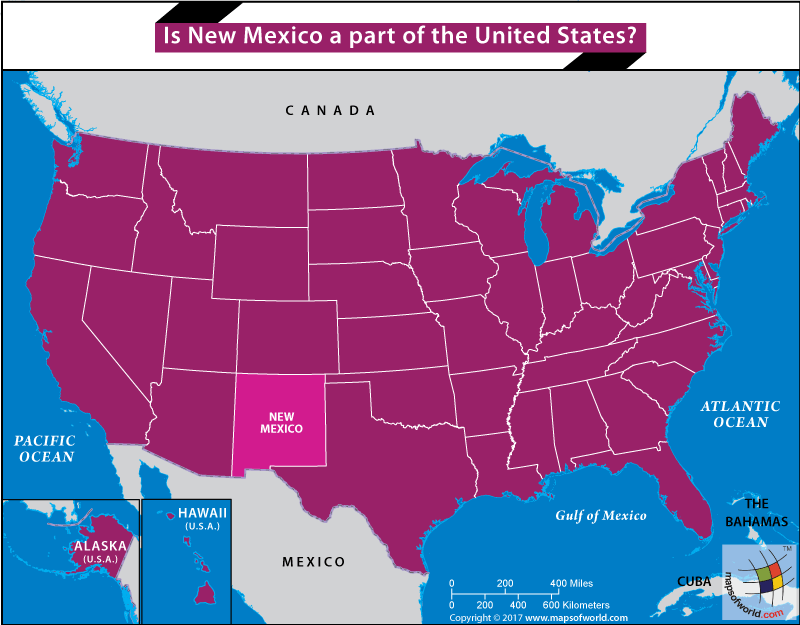
The question of “What number is New Mexico in the United States?” is a fascinating one, not in terms of a singular, official ranking, but rather in how this unique state carves out its distinct identity and significance within the vast tapestry of the United States. While it doesn’t hold a numerical position like a state’s admission order, New Mexico consistently ranks high in cultural richness, historical depth, natural beauty, and a vibrant tourism sector. This article will explore New Mexico’s standing by examining its contributions and appeal across several key areas, from its captivating landscapes to its thriving arts and culinary scenes, positioning it as a premier destination for travelers seeking authentic experiences.
A Land of Enchanting Landscapes and Natural Wonders
New Mexico’s position as a top-tier travel destination is intrinsically linked to its breathtaking natural beauty, a feature that draws visitors from across the globe. The state boasts an astonishing diversity of geological formations and ecosystems, offering unparalleled opportunities for exploration and adventure.
The Iconic Deserts and Mesas
The vast, arid beauty of the Chihuahuan Desert defines much of New Mexico’s visual identity. Towering sandstone cliffs, sculpted by millennia of wind and water, create dramatic vistas that are a photographer’s dream. The White Sands National Park is a prime example, where endless dunes of gypsum sand shimmer under the sun, offering a surreal and otherworldly experience. Visitors can go sledding down these dunes, hike through the stark beauty, or simply marvel at the unique ecosystem.
Beyond White Sands, the state is peppered with striking mesas and buttes. The Bisti/De-Na-Zin Wilderness offers a more rugged and remote experience, with fantastical hoodoos and eroded formations that spark the imagination. For those seeking grander scale, the Gila National Forest protects a vast wilderness area, including the Gila Cliff Dwellings, remnants of ancient Puebloan life nestled within canyon walls.
Majestic Mountain Ranges and National Parks
New Mexico’s topography isn’t solely defined by arid landscapes. The state is home to several significant mountain ranges, most notably the southern end of the Rocky Mountains. The Sangre de Cristo Mountains offer spectacular alpine scenery, hiking trails, and winter sports opportunities. Ski resorts like Ski Santa Fe and Taos Ski Valley attract enthusiasts seeking pristine snow and challenging slopes.
The Carlsbad Caverns National Park stands as a world-renowned natural wonder, showcasing immense underground chambers filled with stunning stalactites and stalagmites. The nightly bat flight from the cavern entrance during warmer months is a natural spectacle of immense proportion.
River Valleys and Unique Ecosystems
The lifeblood of many regions, rivers carve through New Mexico, creating fertile valleys and unique habitats. The Rio Grande flows through the heart of the state, supporting diverse wildlife and offering recreational opportunities like rafting and kayaking. The Jemez Mountains boast volcanic origins, evident in their hot springs and geothermal features, such as those found in Jemez Springs.
A Rich Tapestry of Culture and History
New Mexico’s “number” in the United States is undeniably amplified by its profound cultural heritage, a legacy shaped by indigenous peoples, Spanish colonizers, and a spirit of artistic innovation. This unique blend creates a vibrant cultural mosaic that captivates visitors.
The Enduring Legacy of Indigenous Cultures
New Mexico is home to 23 federally recognized Native American tribes, each with its own distinct traditions, languages, and art forms. The ancient Puebloan cultures have left an indelible mark on the landscape, with well-preserved sites like Pueblo Bonito in Chaco Culture National Historical Park offering a glimpse into sophisticated prehistoric societies. Today, visitors can respectfully experience living pueblos like Acoma Pueblo, the “Sky City,” perched atop a mesa, and Taos Pueblo, a UNESCO World Heritage Site that has been continuously inhabited for over 1,000 years.
The vibrant art of Native American artisans, from pottery and jewelry to weaving and painting, is a significant draw, reflecting ancestral techniques and contemporary expressions.
The Spanish Colonial Influence
The arrival of Spanish explorers and settlers in the 16th century marked a pivotal moment in New Mexico’s history, leaving a lasting imprint on its architecture, language, religion, and customs. The distinctive adobe architecture, characterized by flat roofs and thick, sun-baked mud-brick walls, is a hallmark of Spanish colonial design and is still prevalent in cities like Santa Fe and Albuquerque.
The state’s rich Catholic heritage is evident in its numerous historic churches, such as the Cathedral Basilica of Saint Francis of Assisi in Santa Fe and the San Miguel Mission, believed to be the oldest church in the continental United States. The preservation of Spanish language and traditions, particularly in rural communities, adds another layer to the state’s unique cultural identity.
A Haven for Art and Creativity
New Mexico has long been a magnet for artists, drawn by its inspiring light, dramatic landscapes, and unique cultural fusion. Santa Fe is renowned as an international art mecca, boasting hundreds of galleries, museums, and art markets. Canyon Road in Santa Fe is particularly famous, a picturesque lane lined with historic adobe buildings housing a vibrant collection of art spaces.
The Georgia O’Keeffe Museum in Santa Fe is dedicated to the iconic artist who found profound inspiration in New Mexico’s landscapes, while the Museum of International Folk Art showcases a spectacular array of global folk art traditions. The vibrant arts scene extends to other cities, with Taos also having a rich artistic history and numerous studios and galleries to explore.
Culinary Delights: A Taste of New Mexico
New Mexico’s culinary scene is a distinct entity, celebrated for its bold flavors, unique ingredients, and deep cultural roots. It’s a gastronomical journey that often surprises and delights visitors, solidifying its unique “number” in the nation’s food landscape.
The Iconic Flavors of Chile
The undisputed king of New Mexican cuisine is the chile. Both red and green chile are not merely ingredients but cultural icons, integral to the state’s identity. The distinct flavor profile, often described as earthy, smoky, and spicy, sets New Mexican chile apart from other regional varieties.
Visitors will quickly encounter the ubiquitous “Christmas” option, a blend of both red and green chile, often served with traditional dishes. The annual New Mexico Chile Conference celebrates the importance of this culinary staple. The distinctive Hatch green chile, grown in the fertile Mesilla Valley, is particularly prized for its exceptional flavor and is a must-try for any food enthusiast visiting the state.
Traditional New Mexican Dishes
Beyond the chile, New Mexican cuisine offers a wealth of traditional dishes. From hearty stews and enchiladas smothered in rich sauces to the unique sopapillas, fluffy fried dough served with honey, there’s a dish to satisfy every palate. Tamales, often made with finely ground corn masa and filled with savory meats or vegetables, are another festive and flavorful staple.
The influence of Native American and Spanish culinary traditions is evident in dishes like posole, a hearty stew made with hominy and pork or chicken, and carne adovada, pork marinated and slow-cooked in a red chile sauce.
A Growing Foodie Scene
While deeply rooted in tradition, New Mexico’s culinary landscape is also evolving. Cities like Albuquerque and Santa Fe boast a burgeoning fine dining scene, with chefs reinterpreting traditional flavors and ingredients with modern techniques. Farm-to-table restaurants are becoming increasingly popular, highlighting the state’s agricultural bounty. Breweries and distilleries are also on the rise, offering craft beverages that complement the local cuisine. The culinary tours and cooking classes available in the state provide an immersive experience for those eager to delve deeper into the heart of New Mexican gastronomy.
A World of Activities and Unique Experiences
New Mexico offers an unparalleled variety of activities that cater to every type of traveler, solidifying its standing as a destination that consistently ranks high for unique experiences.
Adventures in the Great Outdoors
The state’s diverse landscapes provide a playground for outdoor enthusiasts. Hiking trails abound in the Sangre de Cristo Mountains and national forests like the Carson National Forest. Rock climbing opportunities are plentiful in areas like Guadalupe Mountains National Park (though primarily in Texas, it’s nearby and accessible from parts of NM) and designated climbing areas.
Water sports, including kayaking and rafting on the Rio Grande, are popular during the warmer months. For a truly unique perspective, hot air balloon rides, particularly over the picturesque landscapes surrounding Albuquerque and Santa Fe, offer breathtaking panoramic views. The International Balloon Fiesta in Albuquerque is a world-famous event that attracts hundreds of balloons and visitors each October.
Immersive Cultural Encounters
Beyond visiting historical sites and museums, New Mexico offers numerous opportunities for deeper cultural immersion. Attending a traditional Native American powwow, a Santa Fe Indian Market, or a local festival provides a chance to experience living traditions firsthand.
The state’s rich history is also accessible through living history museums and reenactments. Exploring historic plazas in towns like Taos and Santa Fe offers a tangible connection to the past. Engaging with local artisans, taking a pottery class, or learning traditional weaving techniques can provide a more hands-on understanding of New Mexico’s cultural heritage.

Stargazing and Astronomical Wonders
New Mexico is renowned for its clear, dark skies, making it an exceptional destination for stargazing. The Chaco Culture National Historical Park is an International Dark Sky Park, offering unparalleled views of the night sky, much as the ancient inhabitants would have experienced. The VLA (Very Large Array) radio astronomy observatory, with its iconic collection of dish antennas, is a unique technological marvel that also serves as an attraction for those interested in science and the cosmos. Several observatories offer public viewing nights, allowing visitors to explore the universe through powerful telescopes.
In conclusion, while New Mexico may not hold a specific numerical designation within the United States, its standing is remarkably high in terms of its unparalleled natural beauty, profound cultural heritage, vibrant arts scene, distinctive culinary identity, and a wealth of unique experiences. It is a state that consistently enchants visitors, offering a journey of discovery that is truly number one in its own right.
LifeOutOfTheBox is a participant in the Amazon Services LLC Associates Program, an affiliate advertising program designed to provide a means for sites to earn advertising fees by advertising and linking to Amazon.com. Amazon, the Amazon logo, AmazonSupply, and the AmazonSupply logo are trademarks of Amazon.com, Inc. or its affiliates. As an Amazon Associate we earn affiliate commissions from qualifying purchases.