
Understanding the minimum wage in New Mexico is crucial for anyone visiting or considering a move to the Land of Enchantment. It directly impacts the cost of living, the affordability of local services, and the overall economic landscape that shapes the experience of tourists and residents alike. While the federal minimum wage sets a baseline, many states, including New Mexico, have established their own higher rates to better reflect local economic conditions and support their workforce. This distinction is particularly important for travelers looking to budget for their trip, as it can influence the price of everything from a cup of coffee to a night’s stay.
The Current Minimum Wage Landscape in New Mexico
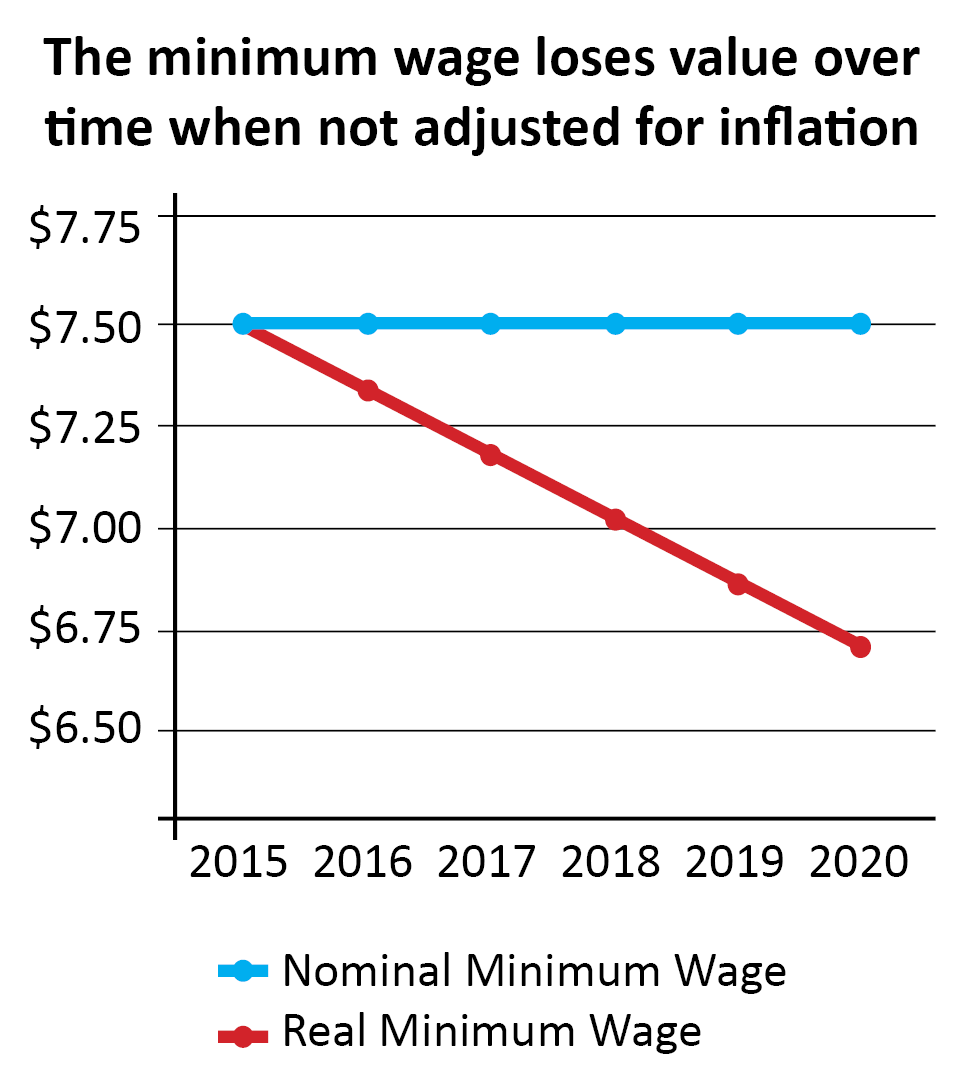
As of the latest updates, New Mexico adheres to a state minimum wage that is higher than the federal standard. This is a positive development for many workers within the state and influences the service industry, which is a cornerstone of the tourism sector. The current minimum wage in New Mexico is a significant factor for businesses operating within the state, affecting their operational costs and, consequently, the pricing of goods and services offered to visitors.
State vs. Federal Minimum Wage
It is essential to differentiate between the federal minimum wage and the state minimum wage. The federal minimum wage, set by the U.S. Department of Labor, is currently $7.25 per hour. However, states are permitted to set their own minimum wage rates, provided they are higher than the federal rate. If a state’s minimum wage is lower than the federal rate, employers must pay the federal rate. In New Mexico, the state minimum wage has consistently been set above the federal level, ensuring that workers in the state receive a more substantial hourly compensation. This upward adjustment is often driven by the rising cost of living in various regions of the state, including popular tourist destinations like Santa Fe and Albuquerque.
Minimum Wage for Tipped Employees
A key aspect of minimum wage laws in New Mexico, as in many other states, is the provision for tipped employees. For positions where employees customarily receive tips, such as waitstaff in restaurants or bartenders, employers can pay a lower direct wage, with the expectation that tips will bring their total earnings up to or above the standard minimum wage. However, New Mexico law ensures that even with tips, the employee must earn at least the full state minimum wage. If an employee’s tips, combined with their direct wage, do not meet the state minimum wage, the employer is obligated to make up the difference. This is a critical consideration for understanding the economics of dining out and the service charges encountered in hotels and other hospitality venues across New Mexico. The specific tipped minimum wage in New Mexico has also seen adjustments, reflecting the state’s commitment to fair labor practices.
Impact on Tourism and Local Economy
The minimum wage in New Mexico has a multifaceted impact on the tourism industry and the broader local economy. For travelers, it can influence the affordability of their trip, from the cost of accommodation to the price of meals and activities. For the local economy, it affects disposable income, consumer spending, and the overall attractiveness of New Mexico as a place to work and live.
Affordability for Travelers
Understanding the minimum wage provides a lens through which travelers can gauge the relative affordability of New Mexico. A higher minimum wage generally translates to a higher cost of labor for businesses. This can manifest in slightly higher prices for services, such as guided tours, restaurant meals, and even some retail items. However, it also signifies a workforce that is better compensated, potentially leading to higher quality service and a more vibrant local economy that can support diverse attractions and experiences. For budget-conscious travelers, being aware of these factors can help in planning their itineraries and managing their expenses effectively. For instance, knowing the minimum wage can offer insight into the pricing strategies of establishments in popular destinations like Taos or the Las Cruces area.
Consumer Spending and Local Businesses
A robust minimum wage can bolster consumer spending within the state. When workers earn a fairer wage, they have more disposable income to spend on local goods and services. This increased spending directly benefits local businesses, including restaurants, shops, and attractions that are vital to the tourism ecosystem. A thriving local economy, fueled by adequate wages, can lead to a more dynamic and appealing destination for visitors. It supports the development of unique culinary scenes, artisanal crafts, and cultural events that are often highlights of a trip to New Mexico. Conversely, businesses that rely heavily on low-wage labor may face challenges in attracting and retaining staff if wages are not competitive, potentially impacting service levels during peak tourist seasons.

Service Industry Dynamics
The service industry, which is intrinsically linked to tourism, is particularly sensitive to minimum wage fluctuations. Hotels, restaurants, tour operators, and retail establishments all depend on a capable and motivated workforce. An increase in the minimum wage can lead to higher labor costs for these businesses. However, it can also result in lower employee turnover, increased job satisfaction, and a more professionalized service sector. This, in turn, can enhance the overall visitor experience. For example, well-compensated hotel staff at resorts like the Inn of the Five Graces or waitstaff at renowned restaurants in Santa Fe often contribute significantly to a positive guest experience. The adjustment of minimum wage laws is a continuous balancing act between ensuring fair compensation for workers and maintaining the economic viability of businesses that cater to tourists.
Understanding Wage Laws for Specific Industries
While the general minimum wage applies broadly, certain industries and specific job roles within New Mexico may have nuances regarding wage regulations. These can include exceptions for certain types of employees, training programs, or specific industry standards that have been established through legislative action or collective bargaining.
Exceptions and Special Provisions
New Mexico law, like that of many states, may include certain exceptions to the general minimum wage requirements. These can sometimes apply to agricultural workers, student learners, or individuals with disabilities. It is incumbent upon employers to be fully aware of these provisions to ensure compliance. For travelers, understanding these nuances might not be directly relevant to their visit, but it forms part of the broader economic tapestry that supports the state’s workforce and its ability to provide services to visitors. The New Mexico Department of Workforce Solutions is the primary resource for detailed information on these specific regulations.
Seasonal and Hospitality Workers
The hospitality sector, a significant employer in tourist-heavy areas of New Mexico, often relies on a combination of full-time and seasonal workers. Minimum wage laws are particularly important for this segment of the workforce. Ensuring that seasonal employees, who may work for only part of the year, receive fair compensation is crucial for maintaining a stable and motivated workforce. This impacts the availability and quality of services during peak tourist seasons, such as the summer months or holiday periods. Understanding how minimum wage applies to these roles helps paint a picture of the employment landscape that underpins the state’s tourism offerings.
Navigating New Mexico’s Minimum Wage as a Visitor
For visitors to New Mexico, understanding the minimum wage offers a deeper appreciation for the local economy and the value of services received. It’s a factor that subtly influences pricing and the overall visitor experience, from the food served in a roadside diner to the upkeep of historical sites like Bandelier National Monument.
Budgeting and Planning
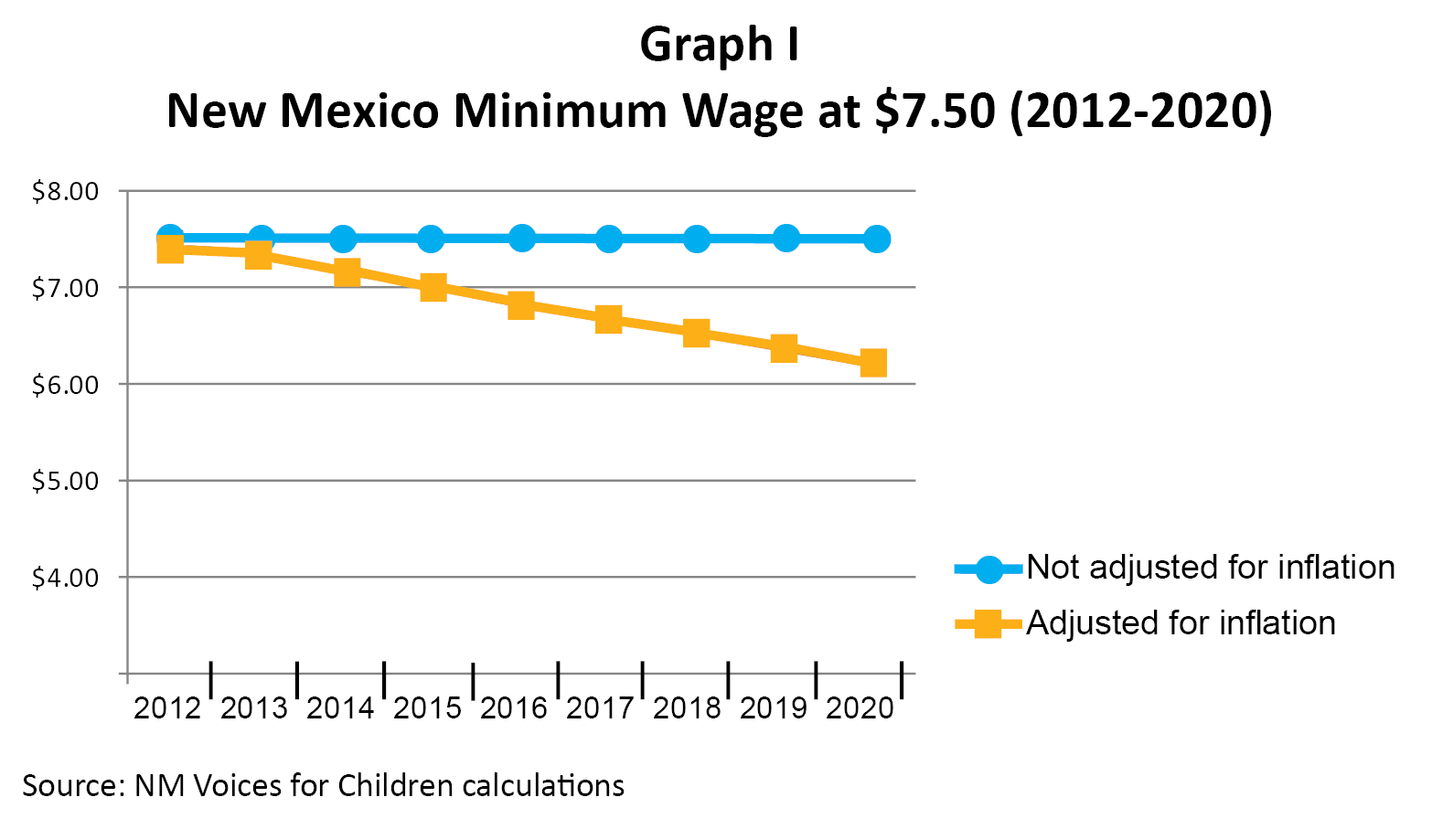
When budgeting for a trip to New Mexico, consider that the state’s minimum wage, being higher than the federal rate, might contribute to the overall cost of services compared to regions with lower wage standards. This doesn’t necessarily mean New Mexico is expensive, but rather that the pricing reflects a commitment to supporting its local workforce. By factoring in the potential for slightly higher costs in areas heavily reliant on service labor, travelers can create a more realistic and comfortable budget for their adventures, whether exploring the Carlsbad Caverns National Park or enjoying the arts scene in Santa Fe.
Supporting Local Businesses and Communities
Being aware of New Mexico’s minimum wage can also foster a greater appreciation for the local businesses and communities you encounter. When you patronize establishments that pay fair wages, you are indirectly contributing to the economic well-being of the people who make your travel experience possible. This understanding can enhance the richness of your journey, connecting you more deeply with the places you visit and the people you meet, whether it’s a small artisan shop in Jemez Springs or a family-run restaurant in Tucumcari. It’s a reminder that behind every service, there’s an individual earning a living wage, contributing to the vibrant culture of the Land of Enchantment.
LifeOutOfTheBox is a participant in the Amazon Services LLC Associates Program, an affiliate advertising program designed to provide a means for sites to earn advertising fees by advertising and linking to Amazon.com. Amazon, the Amazon logo, AmazonSupply, and the AmazonSupply logo are trademarks of Amazon.com, Inc. or its affiliates. As an Amazon Associate we earn affiliate commissions from qualifying purchases.