
The iconic imagery of New Orleans is often painted with strokes of vibrant jazz, historic architecture, and tantalizing cuisine. Yet, lurking just beyond the bustling streets and charming French Quarter courtyards, a wilder element exists, one that sparks curiosity and a touch of apprehension: the American alligator. The question, “Are there alligators in New Orleans?” is a common one for visitors and even some residents. The straightforward answer is yes, though understanding their presence requires a closer look at the unique ecological landscape that surrounds this captivating city.
The Bayou Beckons: Alligator Habitats Near New Orleans
While you’re unlikely to encounter a scaly resident sauntering down Bourbon Street, the natural habitats that cradle New Orleans are indeed teeming with these ancient reptiles. The city is famously situated in the heart of the Mississippi River Delta, a vast expanse of wetlands, swamps, and marshes characterized by a complex network of waterways. This environment provides the ideal conditions for alligators to thrive.
Coastal Wetlands and Swamps
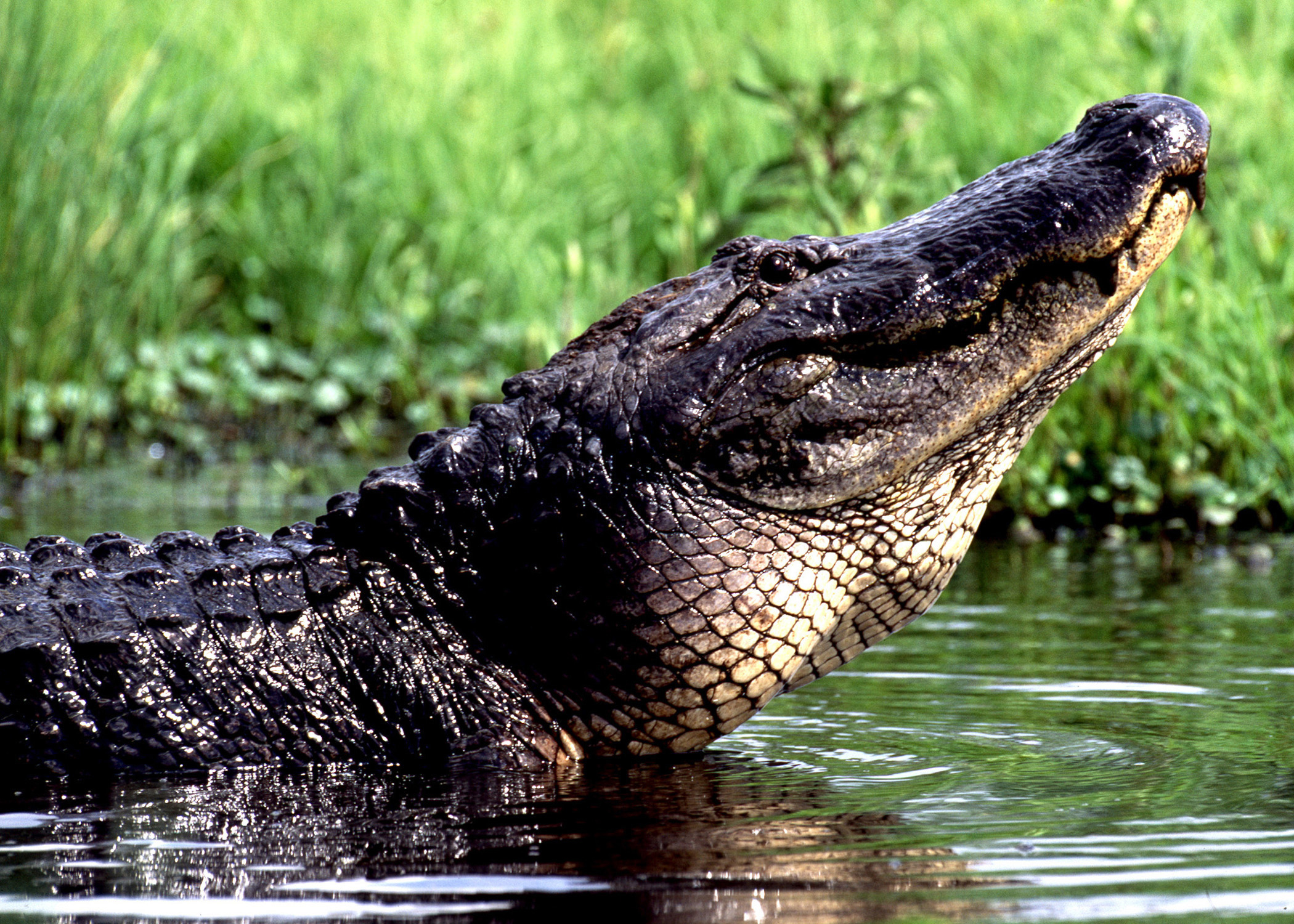
The Louisiana coast, a stone’s throw from the urban sprawl of New Orleans, is a critical habitat for American alligators. Areas like the Barataria Preserve, part of the Jean Lafitte National Historical Park and Preserve, are prime examples. These coastal wetlands are a mosaic of brackish and saltwater marshes, interspersed with cypress swamps and bayous. The shallow, slow-moving waters, abundant vegetation, and plentiful food sources—fish, turtles, small mammals, and birds—create a perfect nursery and hunting ground for alligators.
Bayou Ecosystems
The term “bayou” is intrinsically linked to the allure of southern Louisiana, and these languid waterways are a significant alligator stronghold. Bayous are typically slow-moving streams or small, sluggish rivers, often fed by larger rivers or connected to lakes and swamps. They are characterized by dense vegetation, submerged roots, and a rich aquatic ecosystem. Many of these bayous flow through or adjacent to areas frequented by tourists, making encounters, though rare in urban settings, a possibility in more natural or less developed zones. The network of bayous around New Orleans acts as vital corridors for wildlife, including alligators, allowing them to move between different wetland areas.
Urban Waterways and Drainage Systems
While the truly wild alligator populations reside in the surrounding wetlands, it’s not entirely impossible for an alligator to find its way into or around the city’s more developed water systems. New Orleans has an extensive network of canals, drainage ditches, and bayous that are integrated into the urban landscape. These waterways, particularly those leading to larger bodies of water or wetlands, can serve as pathways for animals seeking food or new territories. However, encounters within densely populated urban areas are exceptionally rare and usually involve juvenile alligators that have become disoriented or are seeking out easier prey in readily available food sources. The city’s infrastructure, including pumps and levees, also plays a role in managing water levels, which can indirectly affect alligator movements.
Experiencing Alligators Responsibly: Tours and Safety
For many visitors, the allure of seeing an alligator in its natural habitat is a significant draw. Fortunately, there are numerous ways to safely and responsibly experience these fascinating creatures. The key is to choose reputable tour operators who understand the local ecosystem and prioritize the well-being of both the animals and their guests.
Airboat Tours: A Thrilling Perspective
One of the most popular ways to explore the alligator-inhabited bayous is via airboat tours. These powerful, flat-bottomed boats are designed to skim across the shallow waters of swamps and marshes, providing access to areas that might be inaccessible by other means. As you glide through the wetlands, your experienced guide will often point out wildlife, including various bird species, turtles, and, of course, alligators.
Airboat tours typically depart from locations just outside the immediate city limits, such as those near Slidell or along the Chef Menteur Pass. These tours offer a thrilling and immersive experience, allowing you to feel the wind in your hair as you witness the untamed beauty of the bayou. Guides are knowledgeable about alligator behavior and habitats, and they will typically know the best spots to find these reptiles, often with spectacular sightings of both adults and juveniles.
Bayou Boat Tours: A Quieter Approach
For those who prefer a more tranquil and educational experience, traditional pontoon or flat-bottomed boat tours offer an excellent alternative. These tours move at a slower pace, allowing for more relaxed wildlife viewing and photography. Many of these tours are led by naturalists or local experts who can provide in-depth information about the flora and fauna of the Louisiana wetlands, including the fascinating lives of alligators.
These tours often venture into quieter, more secluded parts of the bayous and swamps, offering a chance to observe alligators in a less disturbed state. While they may not offer the adrenaline rush of an airboat, they provide a profound connection to the natural world and a deeper understanding of the delicate ecosystem. Many tours also emphasize conservation efforts and the importance of protecting these vital habitats.
Safety Guidelines for Alligator Encounters
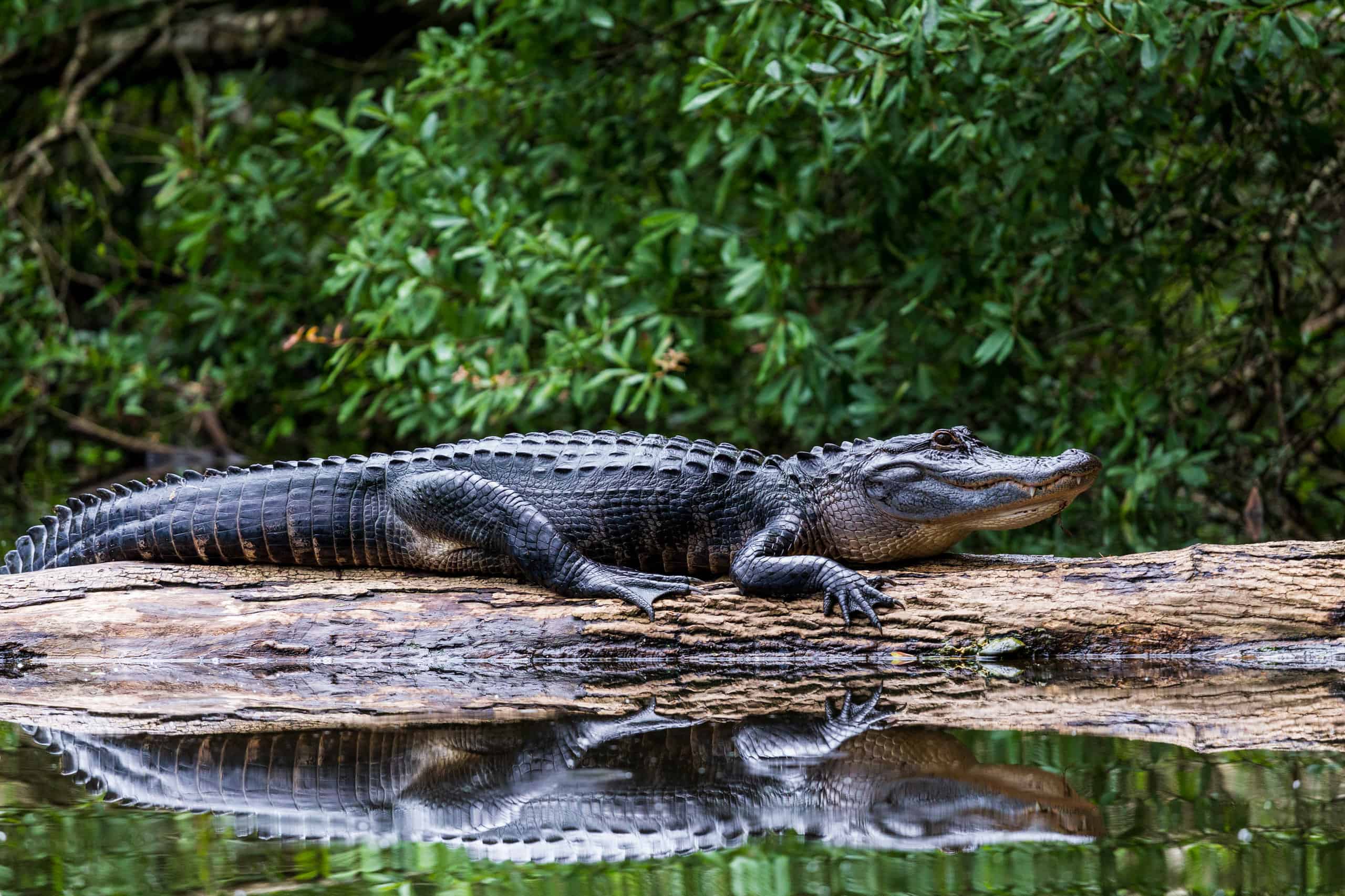
Whether you’re on a guided tour or simply exploring the fringes of the wetlands, it’s crucial to observe all safety guidelines when in alligator territory.
- Maintain a Safe Distance: Alligators are wild animals and should always be viewed from a respectful distance. Never attempt to approach, feed, or touch an alligator. Feeding alligators is not only dangerous but also illegal in many areas and harmful to the animals, as it can lead to unnatural behaviors and dependence on humans.
- Follow Your Guide’s Instructions: If you are on a guided tour, always listen to and follow the instructions of your guide. They are trained to handle these situations safely.
- Be Aware of Your Surroundings: When near water, especially in marshy or swampy areas, always be aware of where you are stepping. Alligators can camouflage themselves effectively, and you might not see them until you are very close.
- Keep Pets Secure: If you bring pets with you to areas where alligators might be present, keep them on a leash and under close supervision at all times. A small pet could be mistaken for prey by an alligator.
- Understand the Signs: Learn to recognize signs of alligator presence, such as tracks, disturbed vegetation, or egg nests (which are usually found on land near water).
The Ecological Significance of Alligators in the Delta
Alligators are not just a thrilling wildlife spectacle; they play a vital role in the health and balance of the Louisiana wetland ecosystems. Their presence is an indicator of a healthy environment, and their activities contribute to the biodiversity of these crucial habitats.
Apex Predators and Ecosystem Engineers
As apex predators, alligators help to regulate populations of their prey, including fish, turtles, rodents, and birds. By keeping these populations in check, they prevent overgrazing and maintain the ecological balance. Furthermore, alligators act as “ecosystem engineers.” Their powerful jaws and bodies create and maintain habitats. For instance, their digging activities can create ponds and burrows in the marsh, which provide refuge for other species during dry periods or extreme weather. Their waste also contributes nutrients to the water, supporting aquatic plant life.
Conservation Efforts and Alligator Populations
Historically, American alligators faced significant threats, including habitat loss and overhunting, leading to their classification as an endangered species. However, thanks to dedicated conservation efforts and protective legislation, their populations have rebounded dramatically. Today, alligators are a conservation success story in Louisiana. Their presence is a testament to the effectiveness of these initiatives. Sustainable management programs, including regulated hunting and farming, have allowed for the recovery of alligator populations while also providing economic benefits to the state.
The continued health of alligator populations is intrinsically linked to the health of the Mississippi River Delta wetlands. Protecting these habitats from coastal erosion, pollution, and development is crucial not only for the alligators but for the myriad of other species that call this unique environment home, as well as for the human communities that depend on the services these wetlands provide.
Beyond the Bayou: Alligators and New Orleans Culture
While direct, close encounters with alligators are typically confined to the natural areas surrounding New Orleans, the creature has undeniably woven itself into the city’s cultural fabric. From local folklore to tourist souvenirs, the alligator is a recognizable symbol of the wild heart of Louisiana.
Folklore and Symbolism
The alligator, or “gator,” is a powerful figure in the folklore and mythology of southern Louisiana. Often depicted as a formidable, ancient being, it embodies the untamed spirit of the bayou. Its presence in local legends speaks to the deep respect and awe that residents have for the natural world that surrounds them. This symbolism is reflected in various forms of local art, literature, and even the names of local sports teams.
Culinary Delights and Local Cuisine
For the adventurous palate, alligator meat is a unique delicacy found in many New Orleans restaurants. Prepared in various ways, such as fried, grilled, or in stews, alligator has a taste and texture often compared to chicken or pork. While this might seem a bit incongruous with the idea of respecting wildlife, it’s part of a long-standing tradition of utilizing all available resources in the region and a practice governed by strict regulations to ensure sustainability. Sampling alligator is an opportunity to engage with the local culinary heritage, which is deeply intertwined with the natural environment.

Artistic Representation and Souvenirs
The image of the alligator is ubiquitous in the souvenir shops and galleries of New Orleans. From handcrafted wooden carvings and paintings to t-shirts and plush toys, the gator is a popular motif, allowing visitors to take a piece of the bayou’s wild spirit home with them. This artistic representation reflects the enduring fascination with these reptiles and their iconic status within the region.
In conclusion, the answer to whether there are alligators in New Orleans is a resounding yes, though their presence is predominantly within the remarkable wetland ecosystems that surround the city. Understanding their habitat, appreciating their ecological importance, and engaging with them through responsible tourism are all integral to experiencing the full, wild allure of this unique American metropolis.
LifeOutOfTheBox is a participant in the Amazon Services LLC Associates Program, an affiliate advertising program designed to provide a means for sites to earn advertising fees by advertising and linking to Amazon.com. Amazon, the Amazon logo, AmazonSupply, and the AmazonSupply logo are trademarks of Amazon.com, Inc. or its affiliates. As an Amazon Associate we earn affiliate commissions from qualifying purchases.