
While the vibrant energy of New Orleans often conjures images of sun-drenched streets, lively jazz clubs, and the intoxicating aroma of Creole cuisine, a question occasionally surfaces from curious visitors and even some locals: does it ever snow in this unique American city? The answer, while not a simple yes or no, leans heavily towards a resounding “rarely.” New Orleans is situated in the humid subtropical climate zone, characterized by hot, muggy summers and mild, short winters. Snowfall, therefore, is an infrequent visitor, making any such event a noteworthy occasion.
Understanding New Orleans Climate
The climatic conditions of New Orleans are shaped by its geographical location in the southeastern United States, bordering the Gulf of Mexico. This proximity influences its weather patterns, bringing a significant amount of rainfall throughout the year, particularly during the summer months. Winters are generally mild, with average January temperatures hovering around 53°F (12°C). Freezing temperatures are uncommon, and prolonged cold spells are rare.

Historical Snowfall Events
While snow is not a typical feature of a New Orleans winter, there have been documented instances of snowfall, some more impactful than others. These events are often characterized by light dustings of snow or sleet that melt quickly upon contact with the ground. However, a few historical occurrences have left a more significant impression.
The Great Snow of 1962
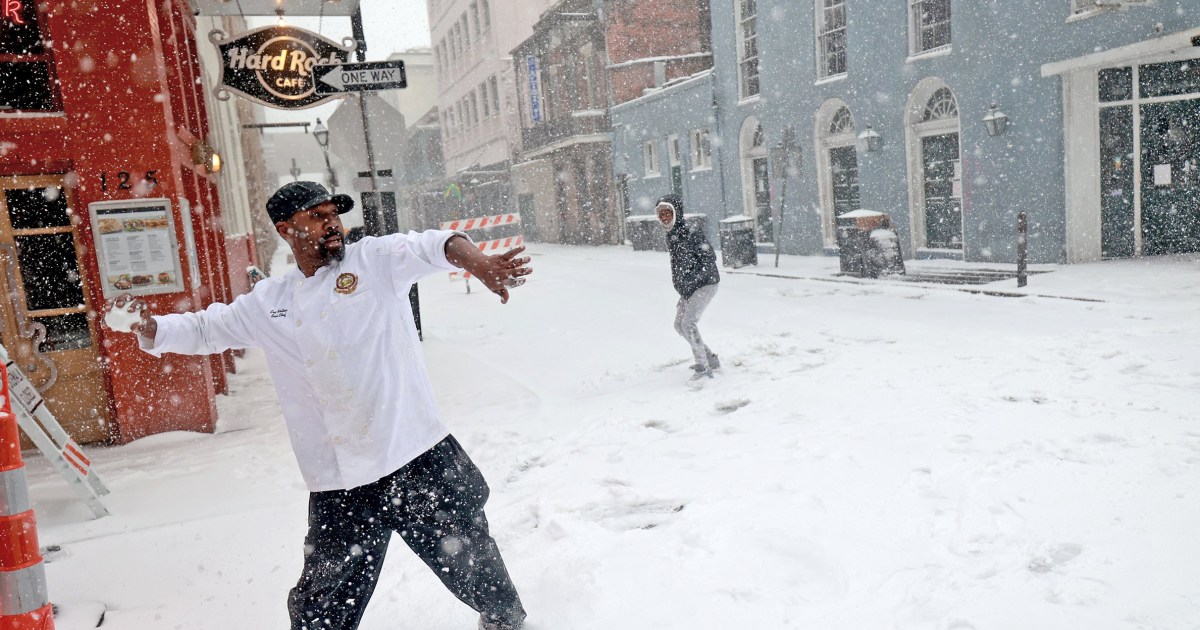
Perhaps the most memorable snowfall in New Orleans history occurred on February 10, 1962. This event brought approximately 1 inch of snow to the city, an amount considered substantial for the region. The unexpected winter wonderland caused considerable disruption. Schools were closed, traffic came to a standstill, and residents, unaccustomed to such conditions, marveled at the sight. Children, in particular, experienced the joy of building small snowmen and having snowball fights, creating lasting memories. The city, ill-equipped for snow removal, struggled to cope, but the novelty of the situation often overshadowed the inconvenience.
Occasional Flurries and Sleet
Beyond the significant snowfall of 1962, there have been numerous other instances of lighter snow or sleet. These often occur when a cold air mass from the north interacts with moisture from the Gulf. Such events might manifest as a brief flurry that disappears within minutes or a coating of sleet that makes roads slick and discourages outdoor activities for a short period. These are typically witnessed during the colder months, from late December through February.
Impact on Local Culture and Tourism
The rarity of snow in New Orleans has a unique impact on the city’s culture and tourism. Unlike cities in colder climates that have well-established winter festivals or activities related to snow, New Orleans does not rely on winter weather for its tourism appeal. Instead, the city’s charm and allure are constant, drawing visitors year-round with its rich history, diverse music scene, and culinary delights.
Winter in New Orleans
When winter does descend upon New Orleans, it brings a different kind of charm. The air is cooler, the humidity less oppressive, and the city offers a more relaxed pace. This is the perfect time to explore the historic French Quarter, stroll along the Mississippi River, or indulge in a beignet at Café Du Monde. The mild winter weather makes outdoor dining and exploring the city’s numerous courtyards a pleasant experience. While a dusting of snow would undoubtedly be a novelty, the absence of harsh winter conditions is, in many ways, part of the city’s enduring appeal.
The Unpredictability Factor
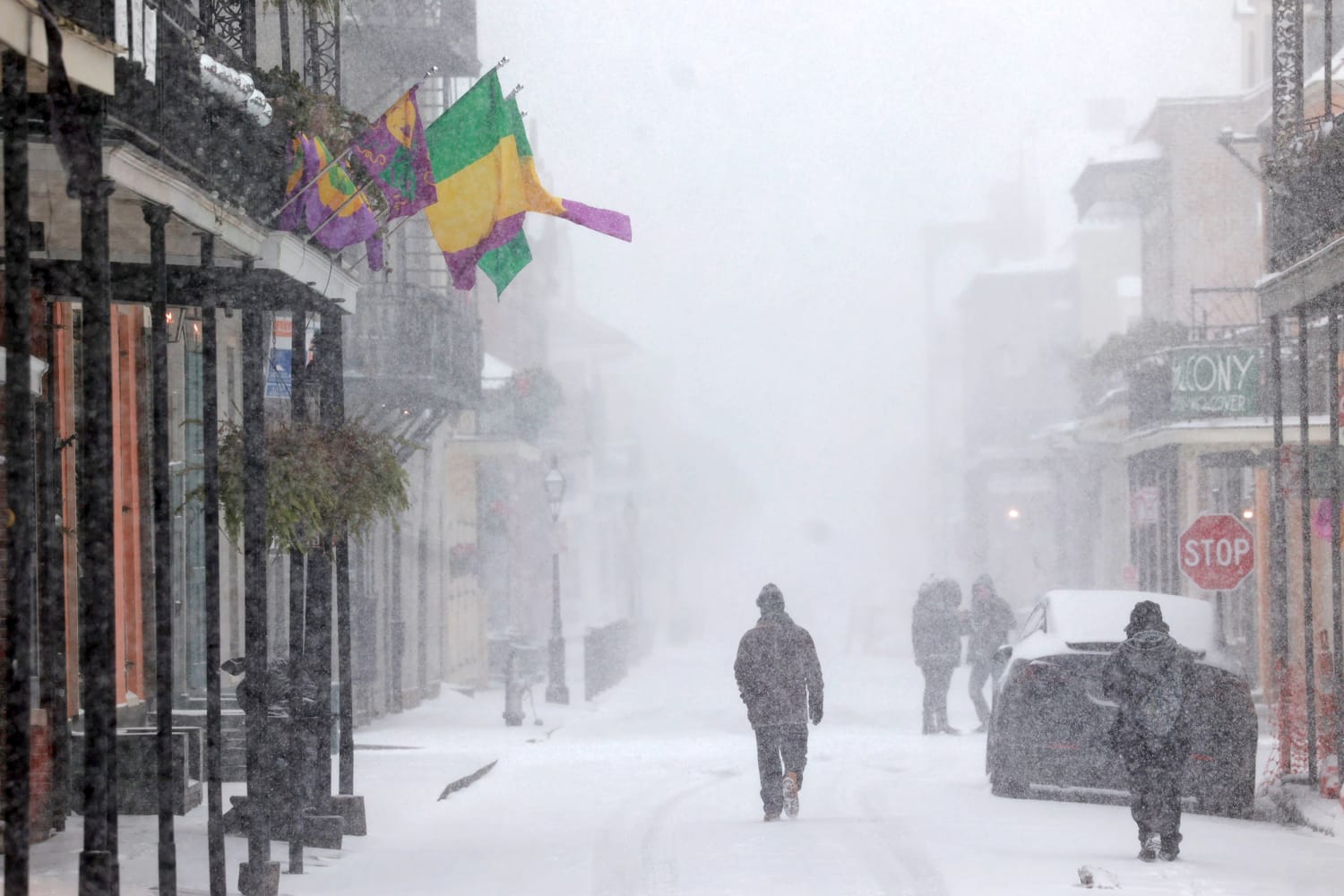
The infrequent nature of snow in New Orleans adds an element of delightful unpredictability. If snow does fall, it becomes an instant event, a topic of conversation, and a reason for spontaneous gatherings and photography. Locals and tourists alike seize the opportunity to capture the unusual sight of palm trees dusted with white or the iconic wrought-iron balconies adorned with a delicate frost. This rarity transforms a potential inconvenience into a cherished memory, a story to be told.
Preparing for Winter Weather
While significant snowfall is uncommon, visitors and residents should still be aware of the possibility of colder temperatures and occasional icy conditions during the winter months. The main concern in New Orleans during winter is not typically snow, but rather the potential for sudden temperature drops and occasional freezing rain or sleet.
Packing Essentials
When traveling to New Orleans during the winter, it’s advisable to pack layers. A light jacket, a sweater, and comfortable walking shoes are essential. Even on cooler days, the sun can be warm, making layers ideal for adjusting to changing temperatures. While heavy winter coats are generally unnecessary, a scarf and gloves might be useful for particularly chilly evenings.
Navigating Winter Conditions
Should the rare snowfall occur, it’s important to exercise caution. Roads can become slick, and drivers may not be accustomed to navigating snowy or icy conditions. Public transportation might experience delays, and it’s wise to check local advisories. However, these disruptions are usually short-lived, and the city typically returns to its normal rhythm once the weather clears. The real magic of a snowy day in New Orleans lies in embracing the novelty and enjoying the unexpected beauty.
The New Orleans Experience: Snow or No Snow
Ultimately, the question of whether New Orleans gets snow is less about the meteorological phenomenon and more about the unique character of the city. New Orleans thrives on its vibrant culture, its delicious food, and its infectious spirit, all of which are present regardless of the weather. While the sight of snow would undoubtedly add a surreal touch to the city’s already enchanting atmosphere, its absence ensures that the focus remains on what makes New Orleans so undeniably special: its people, its music, and its unyielding zest for life. Whether under a blanket of sunshine or a whisper of snow, the magic of New Orleans remains timeless.
LifeOutOfTheBox is a participant in the Amazon Services LLC Associates Program, an affiliate advertising program designed to provide a means for sites to earn advertising fees by advertising and linking to Amazon.com. Amazon, the Amazon logo, AmazonSupply, and the AmazonSupply logo are trademarks of Amazon.com, Inc. or its affiliates. As an Amazon Associate we earn affiliate commissions from qualifying purchases.