
The drive from Memphis to New Orleans is more than just a question of mileage; it’s an invitation to traverse a significant stretch of American history and culture, a journey that bridges two iconic Southern cities with distinct personalities but shared roots in blues, jazz, and a rich, complex past. Understanding this distance, whether you’re planning a road trip, seeking a quick getaway, or simply curious about the geography of the Deep South, unlocks a deeper appreciation for the landscapes and legacies that lie between these vibrant metropolises.
The Direct Route: Distance and Driving Time
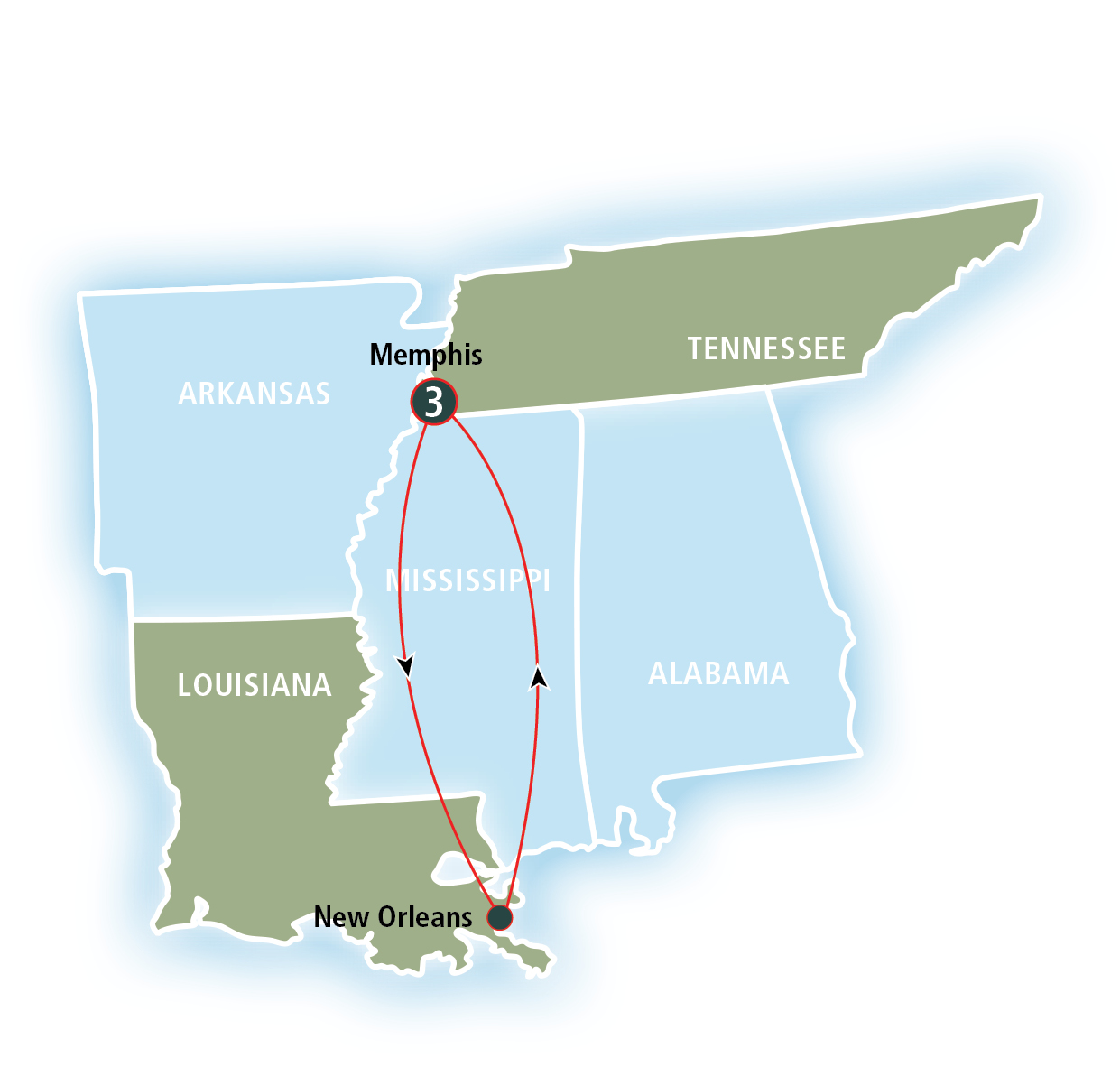
At its core, the question of “how far” is answered by raw data: the distance and estimated driving time. The most direct and commonly taken route between Memphis and New Orleans spans approximately 390 to 400 miles, depending on the specific starting and ending points within each city and the chosen highway. This translates to an average driving time of about 5.5 to 6.5 hours, without accounting for significant traffic delays, extended stops, or the allure of unexpected detours.

Navigating the Interstate System
The primary artery connecting these two cities is Interstate 55 (I-55) South. This interstate highway offers a straightforward and efficient path, passing through several notable towns and cities that offer glimpses into the evolving character of the Mississippi Delta region.
- The Initial Stretch: Leaving Memphis, travelers will head south on I-55, quickly crossing into the state of Mississippi. This part of the journey is characterized by rolling hills and agricultural landscapes, a prelude to the flatter terrain that defines much of the route ahead.
- Mid-Point Highlights: As you continue south, you’ll pass through or near cities like Jackson, the capital of Mississippi. While a direct drive might bypass these urban centers, they represent potential stopover points for a meal, a stretch, or a brief exploration of local attractions.
- Approaching the Delta: The scenery gradually shifts as you delve deeper into Mississippi, with the lush, fertile plains of the Delta region becoming more prominent. This area is historically significant for its role in the development of blues music and its agricultural heritage.
- The Final Leg: After crossing into Louisiana, I-55 continues its southerly trajectory, eventually merging with other routes as you approach the greater New Orleans metropolitan area. The landscape becomes increasingly characterized by bayous, wetlands, and the distinctive flat terrain leading to the Gulf Coast.
Factors Affecting Travel Time
While the 6-hour estimate is a good baseline, several variables can significantly influence the actual time it takes to complete the journey:
- Traffic Congestion: Both Memphis and New Orleans experience considerable traffic, especially during peak commuting hours, weekends, and holidays. Entering or exiting these cities can add substantial time.
- Road Construction: Interstate 55 is a major thoroughfare, and ongoing maintenance or construction projects can lead to significant delays and detours. It’s advisable to check real-time traffic reports before and during your trip.
- Weather Conditions: The Deep South is susceptible to various weather phenomena, including heavy rain, thunderstorms, and, during certain seasons, hurricanes. Adverse weather can slow down traffic considerably and, in extreme cases, necessitate route changes or delays.
- Number and Duration of Stops: The quoted driving time assumes a near-continuous journey. If you plan to stop for meals, gas, or to visit any of the attractions along the way, each stop will add to the total travel duration.
Alternative Routes and Scenic Considerations
While I-55 offers the most direct path, travelers seeking a more immersive experience or those looking to avoid potential traffic bottlenecks might consider alternative routes. These options, however, invariably increase the mileage and travel time.
The Blues Highway: US Route 11
For those with a particular interest in music history, a journey along sections of what is often referred to as the “Blues Highway” (primarily U.S. Route 61 in parts, though parallels with other historic routes exist) offers a more nostalgic and culturally rich experience. While not a single, unbroken interstate, this route allows for a more intimate exploration of the Delta.
- Historic Detours: Following portions of US-61, you can trace the footsteps of legendary blues musicians, stopping at historic juke joints, museums, and sites that shaped this seminal American music genre. This route is slower and often involves navigating through smaller towns.
- Enhanced Scenery: The US-61 corridor often offers more direct engagement with the agricultural heartland and historic towns of the Delta, providing a more tangible connection to the region’s past.
Coastal Routes (Indirect and Lengthier)
While not practical for a direct trip, it’s worth noting that routes deviating significantly eastward or westward towards the Gulf Coast would dramatically increase the distance. For example, heading towards the Florida Panhandle first and then west would add hundreds of miles. These are not considered standard routes for traveling between Memphis and New Orleans.
Planning Your Journey: Tips for a Smooth Drive
To maximize your travel experience, whether you choose the fastest route or a more scenic exploration, a little planning goes a long way.
Vehicle Preparation
Before embarking on a drive of this length, ensure your vehicle is in optimal condition. A pre-trip inspection covering tires, brakes, fluids, and essential maintenance can prevent unexpected breakdowns and ensure a safer journey.
Navigational Tools
Reliable GPS devices or smartphone navigation apps are essential. Download offline maps for areas where cellular service might be spotty, particularly as you drive through more rural parts of the Delta. Consider having a physical map as a backup.
Packing Essentials
Beyond personal belongings, consider packing:
- Snacks and Water: While there are numerous service stations and restaurants along I-55, having your own provisions can save time and money.
- First-Aid Kit: A basic kit is always a good idea for any road trip.
- Entertainment: Download playlists, podcasts, or audiobooks to make the drive more enjoyable.
- Comfort Items: Neck pillows, blankets, and comfortable clothing will enhance the experience of spending several hours in the car.
Stopover Strategies
Deciding whether to drive straight through or break up the journey is a key decision.
- Straight Through: For those with limited time, driving directly to New Orleans allows for more extended time at your destination. This is best suited for early morning departures to avoid the worst traffic.
- One-Night Stop: Cities like Jackson, Mississippi, or smaller towns with unique historical significance along the route can serve as excellent overnight stops. This breaks up the drive and allows for a taste of local flavor. For example, exploring the historic charm of Vicksburg, Mississippi, known for its Civil War history, could be a rewarding diversion.
- Multiple Stops for Sightseeing: If the journey itself is part of the experience, plan for multiple shorter stops. This could include visiting the Graceland in Memphis before departing, exploring the Mississippi Civil Rights Museum in Jackson, or stopping in towns famous for their blues heritage, such as Clarksdale, Mississippi.
The Cultural Tapestry Between Cities
The distance between Memphis and New Orleans is a corridor rich with cultural significance. This region, largely defined by the mighty Mississippi River, has been a crucible for American music, literature, and a unique Southern way of life.
Musical Heritage
Both Memphis and New Orleans are globally recognized as birthplaces of vital American music genres.
- Memphis’s Contributions: Memphis is synonymous with blues, rock and roll, and soul music. From Sun Studio to the iconic Beale Street, the city’s musical legacy is palpable.
- New Orleans’s Rhythms: New Orleans is the undisputed home of jazz, but its musical tapestry also includes R&B, funk, gospel, and zydeco. The city’s vibrant live music scene is a testament to its enduring musical spirit.
- The Delta’s Influence: The Mississippi Delta, lying between these two cities, is the cradle of the blues. Artists like Robert Johnson and Muddy Waters honed their craft in this fertile ground, and their influence permeates the music of both Memphis and New Orleans.
Historical Significance
This stretch of the South is deeply etched with American history, from the eras of slavery and the Civil War to the Civil Rights Movement.
- Civil War Sites: Vicksburg, Mississippi, offers significant Civil War battlefields and memorials.
- Civil Rights Landmarks: Jackson, Mississippi, is home to the essential Mississippi Civil Rights Museum and the Medgar Evers Home.
- Plantation History: While sensitive, understanding the legacy of antebellum plantations is part of the historical landscape of the region, with remnants and tours available in various locations.
Culinary Journeys
The drive also traverses diverse culinary landscapes, each with its unique specialties. While New Orleans is a world-renowned culinary destination, the towns and cities along the way offer their own distinct flavors. From Memphis barbecue to the emerging culinary scenes in Mississippi cities and the distinct Creole and Cajun influences that begin to emerge as you approach Louisiana, the journey is a gastronomic exploration.
In essence, the distance from Memphis to New Orleans is a measure of miles, but more importantly, it’s a measurement of cultural immersion. Whether you cover the approximately 400 miles in a single push or spread it across a leisurely exploration, the journey offers a profound connection to the heart and soul of the American South.
LifeOutOfTheBox is a participant in the Amazon Services LLC Associates Program, an affiliate advertising program designed to provide a means for sites to earn advertising fees by advertising and linking to Amazon.com. Amazon, the Amazon logo, AmazonSupply, and the AmazonSupply logo are trademarks of Amazon.com, Inc. or its affiliates. As an Amazon Associate we earn affiliate commissions from qualifying purchases.