
Embarking on a journey from the soulful rhythms of New Orleans to the honky-tonk heart of Nashville is a classic American road trip, a pilgrimage for music lovers and cultural explorers alike. These two iconic cities, while separated by distance, are intrinsically linked by a shared heritage of American music, vibrant culinary scenes, and a spirit of unbridled hospitality. Understanding the specifics of this route – the mileage, the time it takes, and the most appealing ways to make the journey – is crucial for planning an unforgettable experience. Whether you envision a swift drive or a leisurely exploration, this guide will equip you with the knowledge to traverse the approximately 540 miles that lie between these two cultural powerhouses.
The Direct Route: Distance and Driving Time
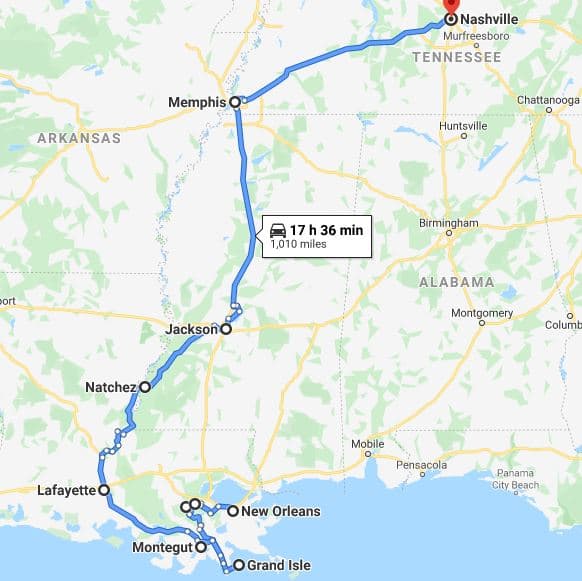
The most straightforward path connecting New Orleans and Nashville is predominantly via Interstate highways, offering a predictable and efficient means of travel. The total driving distance is approximately 540 miles, a figure that can vary slightly depending on the specific starting and ending points within each city.
Navigating the Interstates
The primary artery for this journey is I-65 North from Nashville heading towards Birmingham, Alabama, and then merging onto I-59 South which will eventually lead you to I-10 West towards New Orleans. Alternatively, one can begin in New Orleans and take I-10 East to connect with I-65 North.
- I-65 North: This interstate forms a significant portion of the route, especially when traveling from Nashville. It cuts through the heart of Alabama, offering a direct line through varied landscapes.
- I-59 South: This interstate is crucial for those heading from Alabama into Mississippi or connecting to routes that will eventually lead to Louisiana.
- I-10 West: This transcontinental highway is essential for reaching New Orleans from the east, and vice versa.
Estimated Driving Duration
Under ideal conditions, with minimal traffic and without significant stops, the driving time between New Orleans and Nashville is typically between 8 to 9.5 hours. This estimate is based on an average highway speed. However, it is crucial to factor in several variables that can influence the actual travel duration:
- Traffic Congestion: Major metropolitan areas along the route, such as Mobile, Alabama, and Birmingham, can experience significant traffic delays, particularly during peak hours.
- Construction: Road construction projects are a common occurrence on major interstates and can lead to unexpected detours and slowdowns.
- Weather Conditions: Inclement weather, including heavy rain, fog, or even snow in winter months (though less common on this southern route), can drastically impact driving speeds and safety.
- Rest Stops and Fueling: The average driver will need to make several stops for fuel, rest breaks, and meals, which will add to the overall travel time. Planning these stops strategically can help mitigate lost time.
For a comfortable and safe journey, it is advisable to allocate at least one full day for travel, or even better, consider breaking the journey into two days to allow for exploration of towns and attractions along the way.
Exploring Alternative Travel Methods
While driving is the most popular method to travel between New Orleans and Nashville, other transportation options offer different experiences and may suit various travel preferences.
Flying: The Fastest, But Least Experiential
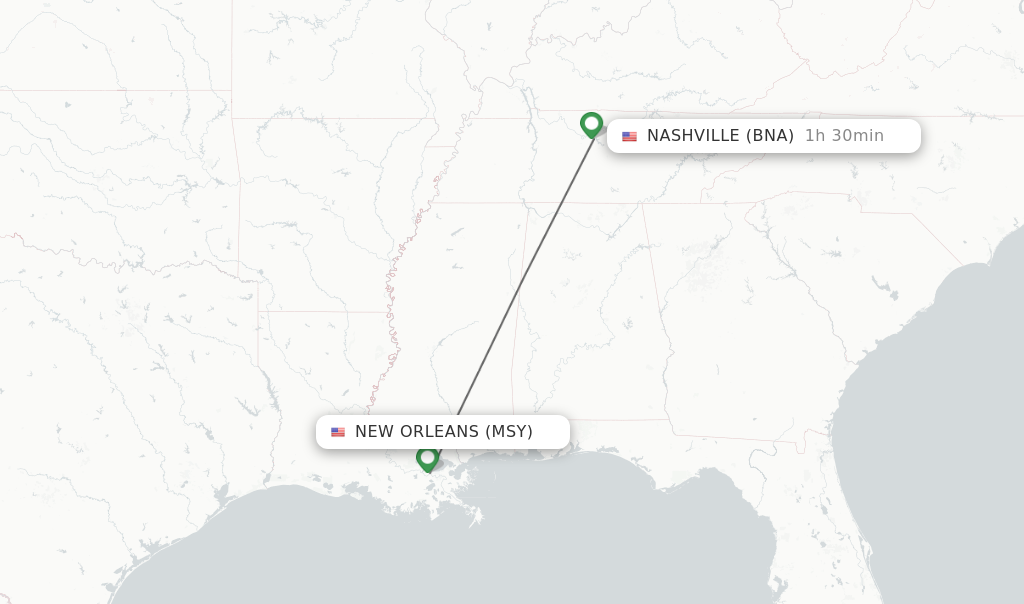
For those prioritizing speed and efficiency, flying is the quickest option. Direct flights between New Orleans Louis Armstrong International Airport (MSY) and Nashville International Airport (BNA) are available, typically taking around 1.5 hours of flight time. However, this option requires factoring in travel to and from airports, security checks, and potential flight delays. While it dramatically reduces travel time, it bypasses the opportunity to witness the evolving landscapes and experience the towns that lie between these two musical hubs.
Train Travel: A Scenic and Relaxed Journey
Amtrak offers a train service connecting New Orleans and Nashville. This mode of transport provides a more relaxed and scenic alternative to driving or flying. The journey typically takes around 11-13 hours, depending on the specific route and any connecting services. This extended travel time allows passengers to unwind, enjoy the passing scenery, and perhaps even engage in conversation with fellow travelers. The train offers a unique perspective on the American South, a slower pace that can be a welcome respite from the hurried nature of modern travel. Dining cars and comfortable seating further enhance the experience, making the journey itself part of the adventure.
Bus Travel: The Budget-Conscious Choice
For budget-conscious travelers, bus services, such as those offered by Greyhound or other regional carriers, provide an economical way to travel between New Orleans and Nashville. The duration of bus journeys can vary, often taking between 10 to 14 hours, with multiple stops along the way. While this option may involve longer travel times and fewer amenities compared to other methods, it remains a viable choice for those seeking to minimize costs while still reaching their destination.
Road Trip Itinerary: Essential Stops and Experiences
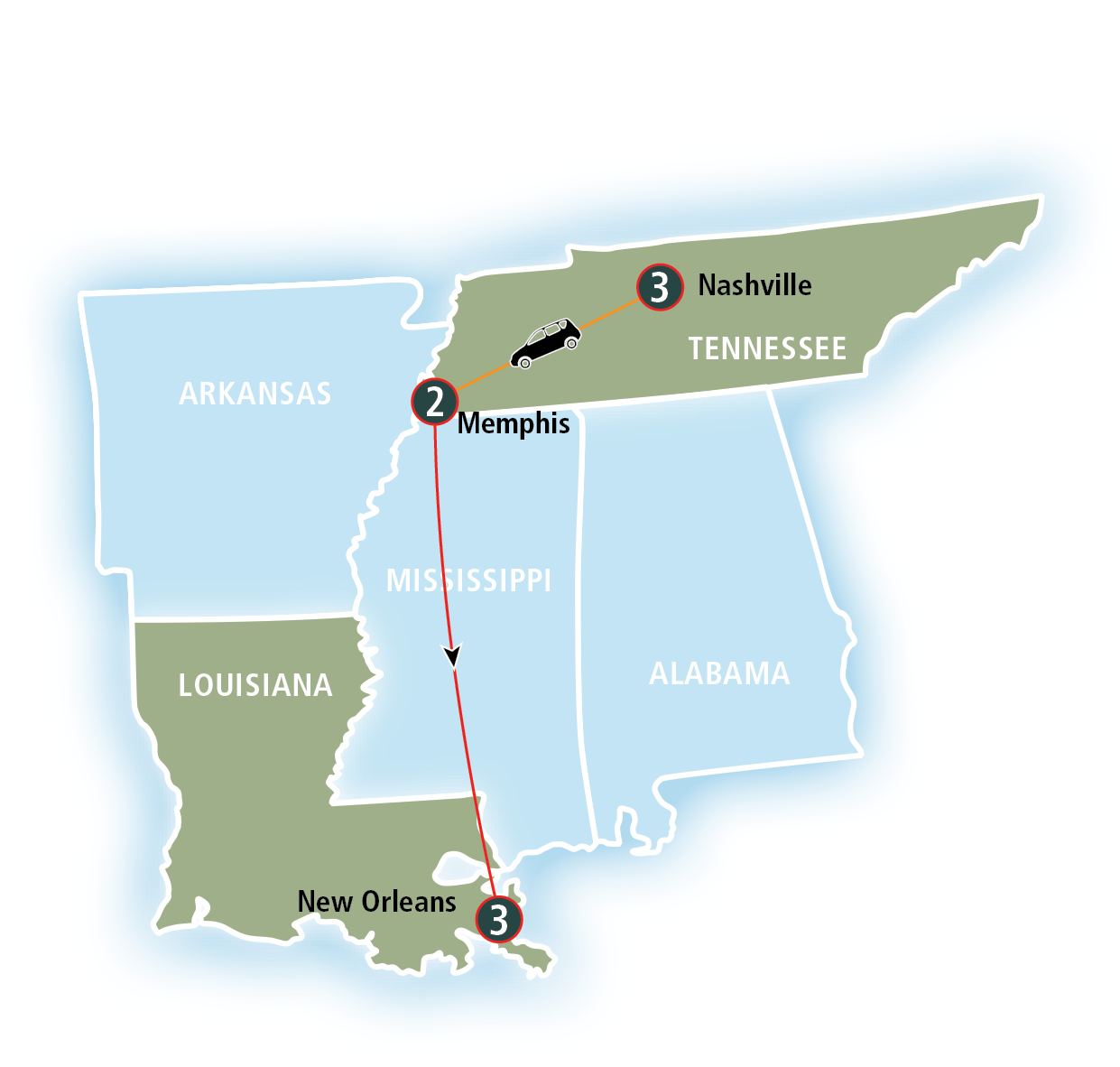
The approximately 540-mile drive from New Orleans to Nashville presents a fantastic opportunity to explore the diverse tapestry of the American South. While the most direct route can be completed in a single day, breaking the journey into two or even three days allows for richer immersion into the culture, history, and natural beauty of the region.
Day 1: From the Bayou to the Heart of Alabama
- Morning Departure from New Orleans: Begin your journey from the vibrant streets of the French Quarter or any other starting point in New Orleans. Ensure you have a full tank of gas and perhaps a final taste of beignets from Café Du Monde before hitting the road.
- En route through Mississippi: As you drive northeast on I-59, you’ll pass through the state of Mississippi. While the interstate offers a direct path, consider a brief detour to explore charming towns like Meridian or Hattiesburg, each offering a glimpse into Southern life.
- Midday Stop in Birmingham, Alabama: Birmingham, a city with a profound Civil Rights history, is an ideal place for a lunch break and a brief exploration. The Civil Rights Institute offers a powerful and moving experience, while the Vulcan Park and Museum provides panoramic views of the city from atop its iconic statue.
- Evening Arrival in Chattanooga, Tennessee: Continuing north on I-65 and then I-24, your first overnight stop could be in Chattanooga, Tennessee. This picturesque city nestled along the Tennessee River offers a range of accommodations and dining options. Explore the Tennessee Aquarium, take a scenic ride on the Incline Railway, or enjoy dinner with a view of the riverfront.
Day 2: Music City Beckons
- Morning in Chattanooga: After a relaxing morning in Chattanooga, embark on the final leg of your journey to Nashville. The drive north on I-24 is approximately two hours, offering beautiful views of the Appalachian foothills.
- Arrival in Nashville: Upon arrival in Nashville, the “Music City,” you’ll immediately feel the palpable energy of a city steeped in country music heritage. Check into your accommodation and prepare to immerse yourself in its renowned attractions.
- Nashville Exploration: Spend your afternoon exploring the iconic Grand Ole Opry (https://lifeoutofthebox.com/grand-ole-opry), the Country Music Hall of Fame and Museum (https://lifeoutofthebox.com/country-music-hall-of-fame-and-museum), and the legendary honky-tonks of Broadway (https://lifeoutofthebox.com/broadway-nashville). Enjoy live music, savor Southern cuisine, and soak in the unique atmosphere that makes Nashville a global music destination.
Optional Detours and Extended Stays
For travelers with more time, consider extending your trip with stops in other notable locations:
- Montgomery, Alabama: As the capital of Alabama, Montgomery is a crucial destination for understanding the American Civil Rights Movement. Visit the Dexter Avenue King Memorial Baptist Church (https://lifeoutofthebox.com/dexter-avenue-king-memorial-baptist-church) and the Rosa Parks Museum (https://lifeoutofthebox.com/rosa-parks-museum).
- Tuscaloosa, Alabama: Home to the University of Alabama (https://lifeoutofthebox.com/university-of-alabama), Tuscaloosa offers a vibrant college town atmosphere and historical sites.
- Memphis, Tennessee: While a significant detour west, a visit to Memphis en route (requiring a different interstate connection) would allow you to experience the birthplace of blues and rock ‘n’ roll, with attractions like Graceland (https://lifeoutofthebox.com/graceland) and the National Civil Rights Museum at the Lorraine Motel (https://lifeoutofthebox.com/national-civil-rights-museum-at-the-lorraine-motel).
Factors Influencing Your Journey
When planning your trip from New Orleans to Nashville, several key factors will influence your route, timeline, and overall experience. Understanding these elements will allow for a more tailored and enjoyable journey.
Time of Year and Seasonal Considerations
The time of year you choose to travel can significantly impact your experience.
- Spring (March-May): This is often an ideal time to travel. The weather is generally pleasant, with blooming landscapes and comfortable temperatures. New Orleans hosts the famous Mardi Gras (https://lifeoutofthebox.com/mardi-gras) in February, but spring offers lingering festival vibes and fewer crowds than the peak summer season. Nashville also experiences beautiful spring weather, perfect for outdoor music venues and exploration.
- Summer (June-August): Summers in the South can be hot and humid, with temperatures frequently reaching the 90s Fahrenheit. While this might deter some, it’s also a time for vibrant festivals and lively outdoor activities in both cities. Be prepared for the heat, stay hydrated, and utilize air-conditioned attractions.
- Autumn (September-November): Autumn offers a delightful contrast to summer. The heat subsides, the humidity decreases, and the foliage can be stunning, especially as you move further north into Tennessee. This season is excellent for road-tripping, with comfortable temperatures for exploring the cities and scenic routes.
- Winter (December-February): Winters are generally mild in New Orleans, with occasional cool spells. Nashville experiences colder temperatures, sometimes with frost or a light dusting of snow, though significant snowfall is rare. Holiday decorations and events add a festive charm to both cities during this period.
Budgetary Considerations
Your budget will play a crucial role in determining your mode of transportation and the types of accommodations and activities you choose.
- Driving: While the initial cost of fuel and potential vehicle wear and tear are factors, driving offers the most flexibility. You can control your spending on food and lodging by choosing budget-friendly eateries and motels along the route. Carpooling can further reduce costs.
- Flying: This is typically the most expensive option when factoring in airfare, baggage fees, and transportation to and from airports. However, it saves on accommodation costs for overnight stays during the journey.
- Train/Bus: These options generally offer the most economical fares. Bus travel is usually the cheapest, followed by train tickets, which can vary depending on booking time and seat class. These modes also eliminate the need for personal vehicle expenses during the trip.
Travel Companions and Purpose
The nature of your travel companions and the purpose of your trip will also shape your journey.
- Family Trips: For families, a road trip with planned stops for amusement parks or kid-friendly attractions might be ideal. Breaking the journey into shorter driving segments is essential.
- Solo or Couple Getaways: These travelers might opt for a faster route or enjoy a more leisurely pace, perhaps with a focus on culinary experiences or historical sites.
- Music Enthusiasts: The primary focus for many traveling between these two cities is music. Planning your itinerary around concerts, music museums, and live music venues in both New Orleans and Nashville is paramount.
- Business Travel: Business travelers will likely prioritize efficiency, opting for flights or a direct, uninterrupted drive, focusing on reaching their destination promptly to attend meetings or events.
By considering these factors, you can meticulously plan a trip from New Orleans to Nashville that perfectly aligns with your desires, budget, and time constraints, ensuring a memorable and rewarding travel experience.
LifeOutOfTheBox is a participant in the Amazon Services LLC Associates Program, an affiliate advertising program designed to provide a means for sites to earn advertising fees by advertising and linking to Amazon.com. Amazon, the Amazon logo, AmazonSupply, and the AmazonSupply logo are trademarks of Amazon.com, Inc. or its affiliates. As an Amazon Associate we earn affiliate commissions from qualifying purchases.