
Mardi Gras in New Orleans is an experience unlike any other, a vibrant explosion of color, music, and revelry that captivates visitors from around the globe. While the iconic Fat Tuesday is the crescendo, the celebration itself is a far more extended affair, weaving its way through the city’s cultural fabric for weeks. Understanding the duration of Mardi Gras is key to planning a truly immersive journey into this unique festival, allowing you to savor every moment of its infectious spirit. This guide delves into the intricacies of the Mardi Gras timeline, from its unofficial beginnings to its grand finale.
The Epiphany Kick-Off: When Mardi Gras Season Truly Begins
The official start of the Mardi Gras season in New Orleans is not Mardi Gras day itself, but rather the Twelfth Night, also known as Epiphany. This Christian observance, celebrated on January 6th, marks the end of the Christmas season and, in the context of New Orleans, heralds the commencement of the Carnival festivities.
Twelfth Night Revelry and the First Krewes
While the public may not immediately see parades or hear the familiar sounds of Mardi Gras bands on January 6th, this date is significant for the city’s many Krewes. These social organizations are the backbone of the Mardi Gras celebration, responsible for organizing parades, balls, and other events. Many Krewes hold their own “Twelfth Night” celebrations, often marking the beginning of their year and the election of their royalty.
The Spirit of Carnival Takes Hold
From Epiphany onward, a subtle yet palpable shift occurs in the city’s atmosphere. While major parades and events are still weeks away, the anticipation builds. You might start to see decorations appearing, and discussions about upcoming balls and krewe activities become more prevalent among locals. This period is characterized by the quiet hum of preparation, as Krewes finalize their themes, floats, and costumes for the season ahead. It’s a time when the true spirit of Carnival begins to take hold, extending beyond mere celebration to encompass community, tradition, and a shared sense of excitement.
The Parade Season: Building Towards the Climax
As January progresses and February arrives, the intensity of the Mardi Gras celebrations steadily increases. This is when the iconic parades, a cornerstone of the public Mardi Gras experience, begin to roll through the streets of New Orleans.
Weekends Fill with Festivities
The weekends leading up to Fat Tuesday are typically when the majority of the large-scale parades take place. Krewes meticulously plan their parade routes, which often traverse through different neighborhoods, offering a diverse experience for locals and visitors alike. From the elaborate floats of the super Krewes to the more intimate, community-focused parades, each offers a unique glimpse into the artistry and dedication that define Mardi Gras.
The Evolution of Parade Schedules
The specific dates and times of parades can vary slightly year to year, depending on the calendar and the specific schedules of the Krewes. However, a general pattern emerges: smaller parades might kick things off earlier in the season, with the larger, more prominent parades progressively taking over the weekends as Fat Tuesday approaches. It’s advisable for any visitor to consult the official Mardi Gras parade schedule closer to the season to confirm exact timings and locations.
Beyond the Parades: Balls and Private Events

While parades are the most visible aspect of Mardi Gras for many, the season also includes a rich tradition of private balls hosted by the Krewes. These formal events are often the culmination of a Krewe’s year, featuring elaborate costumes, traditional Mardi Gras music, and the crowning of their kings and queens. Though largely invite-only, the existence and anticipation of these balls contribute to the overall festive atmosphere that permeates the city during the Carnival season.
Fat Tuesday: The Grand Finale of Carnival
Fat Tuesday, or Mardi Gras Day itself, is the undisputed climax of the entire Carnival season. It is the last day before the liturgical season of Lent begins, a time of fasting and reflection in Christian tradition. In New Orleans, however, it is a day of unparalleled celebration, a final, glorious outpouring of joy and festivity.
The Zenith of Parades and Processions
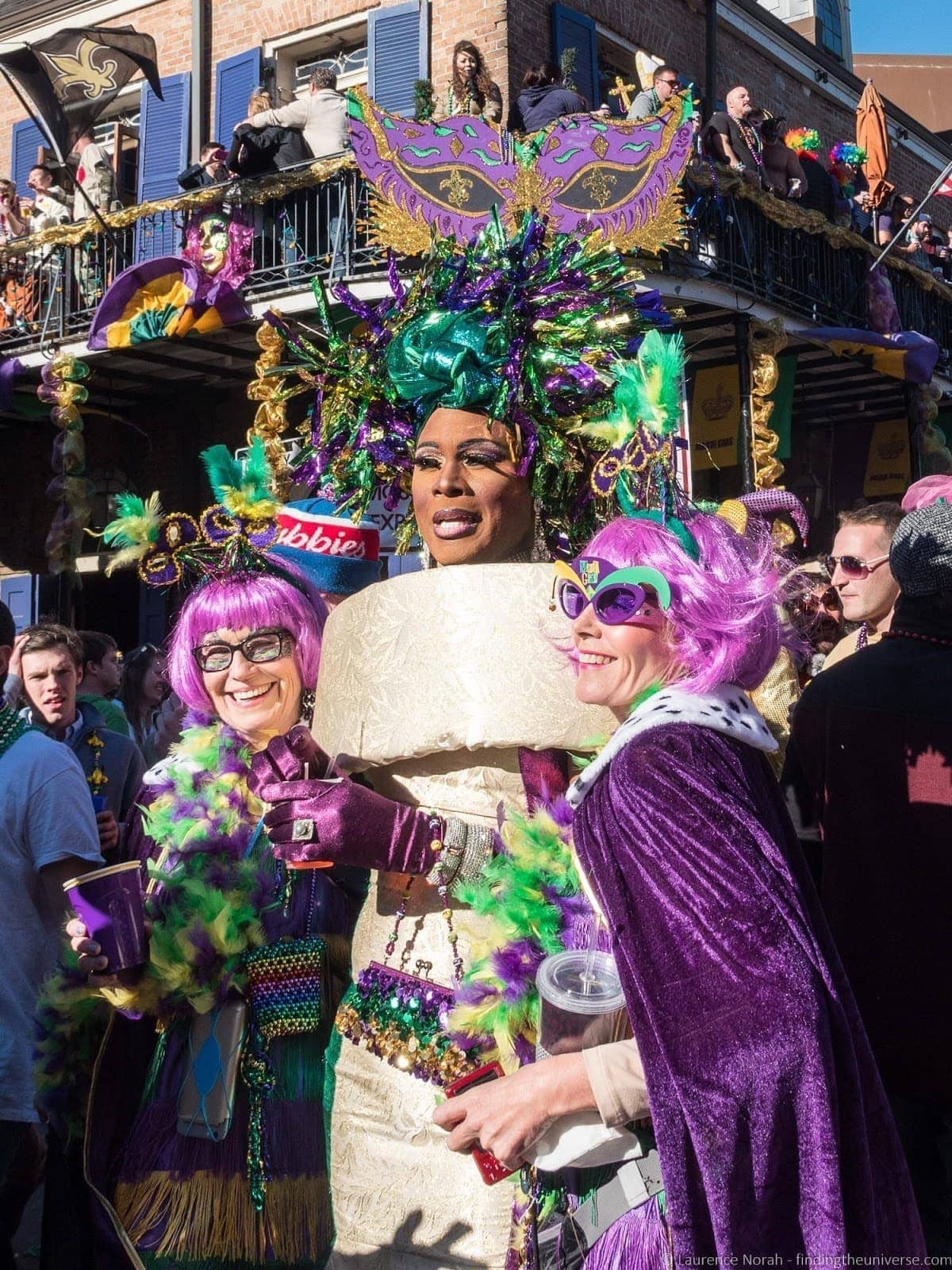
Mardi Gras Day is characterized by a continuous stream of parades and marching clubs throughout the city. The historic Zulu Social Aid & Pleasure Club and the Knights of Momus are among the many Krewes that traditionally parade on Fat Tuesday, drawing immense crowds. The air is electric with excitement, the streets are packed with revelers adorned in beads and masks, and the iconic sounds of brass bands fill every corner.
The French Quarter’s Lively Atmosphere
The French Quarter on Mardi Gras Day is a spectacle in itself. Bourbon Street and other thoroughfares teem with people enjoying the vibrant atmosphere, while impromptu street performances and second-line parades add to the spontaneous exuberance. While it’s the most crowded and intense day of the season, it’s an essential experience for anyone wanting to witness the heart of Mardi Gras.
The Significance of the Day
The significance of Fat Tuesday lies in its timing. It represents a final indulgence before the solemnity of Lent begins. This cultural and religious context imbues the day with a unique blend of feasting, revelry, and a sense of collective catharsis that is deeply ingrained in the city’s identity. The end of Mardi Gras Day signals the abrupt shift from uninhibited celebration to a period of introspection.
Ash Wednesday: The Quiet Aftermath
The moment Mardi Gras Day concludes, the celebratory mood of Carnival officially ends, and the somber observance of Ash Wednesday begins. This marks a significant and often stark contrast to the preceding weeks of festivity.
The Shift in Atmosphere
As midnight strikes on Fat Tuesday, the parades cease, the music often quiets, and a profound sense of calm descends upon New Orleans. Many businesses that were open and bustling during Carnival may close or operate on reduced hours. The streets, which were previously overflowing with revelers, begin to clear, and the city takes a collective breath.

The Observance of Lent
For many residents, Ash Wednesday is a day for religious observance. Churches are filled as people receive the traditional ashes on their foreheads, symbolizing mortality and repentance. This spiritual shift is deeply respected throughout the city, and the public expression of the Mardi Gras spirit recedes, making way for the more introspective practices of Lent. The vibrant costumes and masks are put away, and the focus turns inward, at least until the next Carnival season begins. The duration of Mardi Gras, therefore, is precisely defined by this transition – from the boundless energy of Fat Tuesday to the quiet contemplation of Ash Wednesday.
LifeOutOfTheBox is a participant in the Amazon Services LLC Associates Program, an affiliate advertising program designed to provide a means for sites to earn advertising fees by advertising and linking to Amazon.com. Amazon, the Amazon logo, AmazonSupply, and the AmazonSupply logo are trademarks of Amazon.com, Inc. or its affiliates. As an Amazon Associate we earn affiliate commissions from qualifying purchases.