
The question of whether New Orleans observes Eastern Time is a common one, often arising from the city’s unique cultural tapestry and its geographical position in the southern United States. While its location might suggest otherwise to some, New Orleans is firmly rooted in the Central Time Zone. This designation influences everything from daily schedules and travel planning to the rhythm of its vibrant nightlife and the timing of its iconic festivals. Understanding this temporal placement is crucial for any visitor aiming to fully immerse themselves in the New Orleans experience, from catching a sunrise jazz brunch to navigating the timing of a Mardi Gras parade.
Navigating Time Zones in the United States
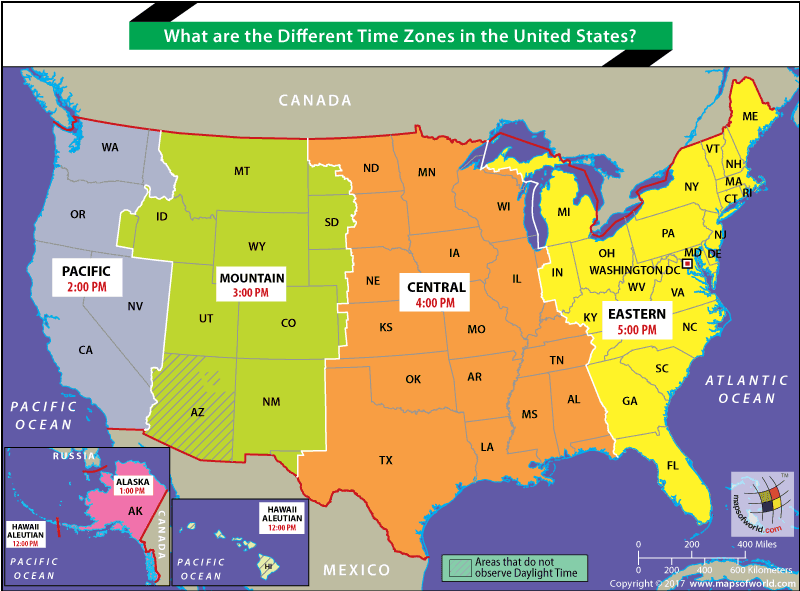
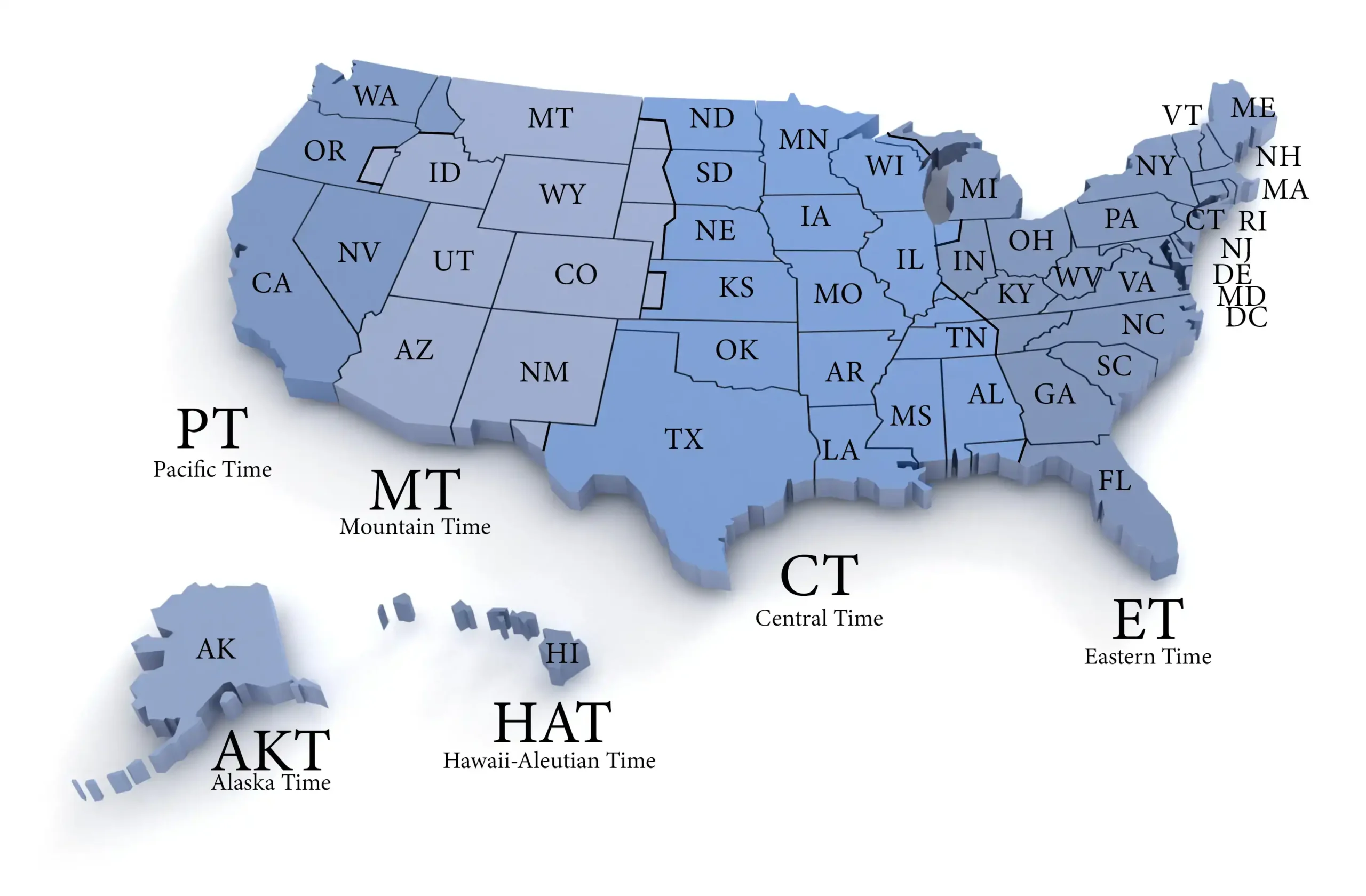
The United States is divided into several distinct time zones, each reflecting a standardized time for a geographical area. These zones are essential for coordinating activities across the vast continental expanse. The primary time zones, moving from east to west, are Eastern Standard Time (EST), Central Standard Time (CST), Mountain Standard Time (MST), and Pacific Standard Time (PST). During daylight saving periods, these are observed as Eastern Daylight Time (EDT), Central Daylight Time (CDT), Mountain Daylight Time (MDT), and Pacific Daylight Time (PDT), respectively.
The Central Time Zone’s Reach
The Central Time Zone spans a significant portion of the central and southern United States, encompassing states like Texas, Oklahoma, Arkansas, Missouri, Iowa, Minnesota, Wisconsin, Illinois, and parts of other states. This zone is characterized by a distinct difference of one hour behind Eastern Time. For travelers, this means that when it’s 10 AM in New York City, it’s 9 AM in New Orleans. This temporal distinction plays a subtle yet important role in daily life and the planning of activities for those visiting or residing in the Central Time Zone.
New Orleans: A City in Central Time
New Orleans, the jewel of Louisiana, operates exclusively within the Central Time Zone. This means the city observes CST during standard time and CDT during daylight saving months. The alignment with Central Time is a geographical and administrative reality, and it shapes the daily rhythm of the city.
Implications for Visitors
For tourists, understanding New Orleans is in Central Time is a fundamental piece of travel logistics. Flights arriving or departing from Louis Armstrong New Orleans International Airport will adhere to Central Time schedules. Reservations at world-class restaurants like Commander’s Palace or Galatoire’s Restaurant will be based on this time zone, and tour operators will schedule excursions accordingly. Missing this detail can lead to missed reservations, delayed tours, and a general feeling of being out of sync with the city’s pulse.
Planning Your Itinerary
When planning a trip to New Orleans, always double-check the local time. If you are traveling from an Eastern Time state, remember to set your watch back one hour upon arrival. This is particularly important for early morning activities, such as a swamp tour departing from the outskirts of the city or a ferry ride across the Mississippi River. Conversely, if you are coming from the Mountain Time Zone, you will need to set your clocks forward.
Understanding Local Events
Many of New Orleans’s most beloved events are deeply tied to the passage of time, especially the iconic Mardi Gras celebrations. The parades, balls, and street parties have specific start times, and these are always communicated in Central Time. Knowing this helps ensure you don’t miss a single moment of the joyous revelry, from the first float rolling down St. Charles Avenue to the final echoes of music in the French Quarter. Similarly, the start times for performances at venues like the Preservation Hall are strictly observed under Central Time.
The Cultural Significance of Time in New Orleans
Beyond mere logistical coordination, the temporal rhythm of New Orleans is intrinsically linked to its unique cultural identity. The city’s laid-back atmosphere, often described as “island time,” is not a rejection of its time zone but rather a reflection of a different pace of life that prioritizes enjoyment, community, and the present moment.
A Different Sense of Urgency
While New Orleans operates on Central Time, there’s an undeniable sense that the clock ticks a little slower here. This isn’t a flaw in the time zone but a characteristic of the city’s soul. Long lunches, spontaneous street performances, and extended conversations are hallmarks of the New Orleans experience. Embracing this relaxed tempo is part of understanding the city’s charm.
Sunrise to Sunset: Embracing the Day
The daily cycle in New Orleans unfolds with a distinct cadence. Mornings might begin with a steamy cafe au lait and beignets at Café Du Monde, followed by a leisurely stroll through the historic French Quarter. Afternoons can be dedicated to exploring the magnificent Garden District, admiring the antebellum architecture and lush flora. As the sun begins to set, the city truly comes alive, with the sounds of jazz spilling from every doorway and the aroma of Creole cuisine filling the air. Dinner reservations, often later than in other parts of the country, are a crucial part of the evening’s timeline.
Nightfall and the City’s Pulse
The nights in New Orleans are legendary, and their timing is governed by Central Time. Whether you’re enjoying live music on Frenchmen Street, catching a late-night show at a jazz club, or simply soaking in the atmosphere of Bourbon Street, the clock continues its steady march. Understanding this temporal framework allows visitors to fully engage with the city’s vibrant nocturnal offerings without feeling rushed or missing out on the magic that unfolds after dark. The iconic New Orleans experience is one that unfolds naturally, but always within the defined boundaries of Central Time.
Geographical Considerations and Time Zones
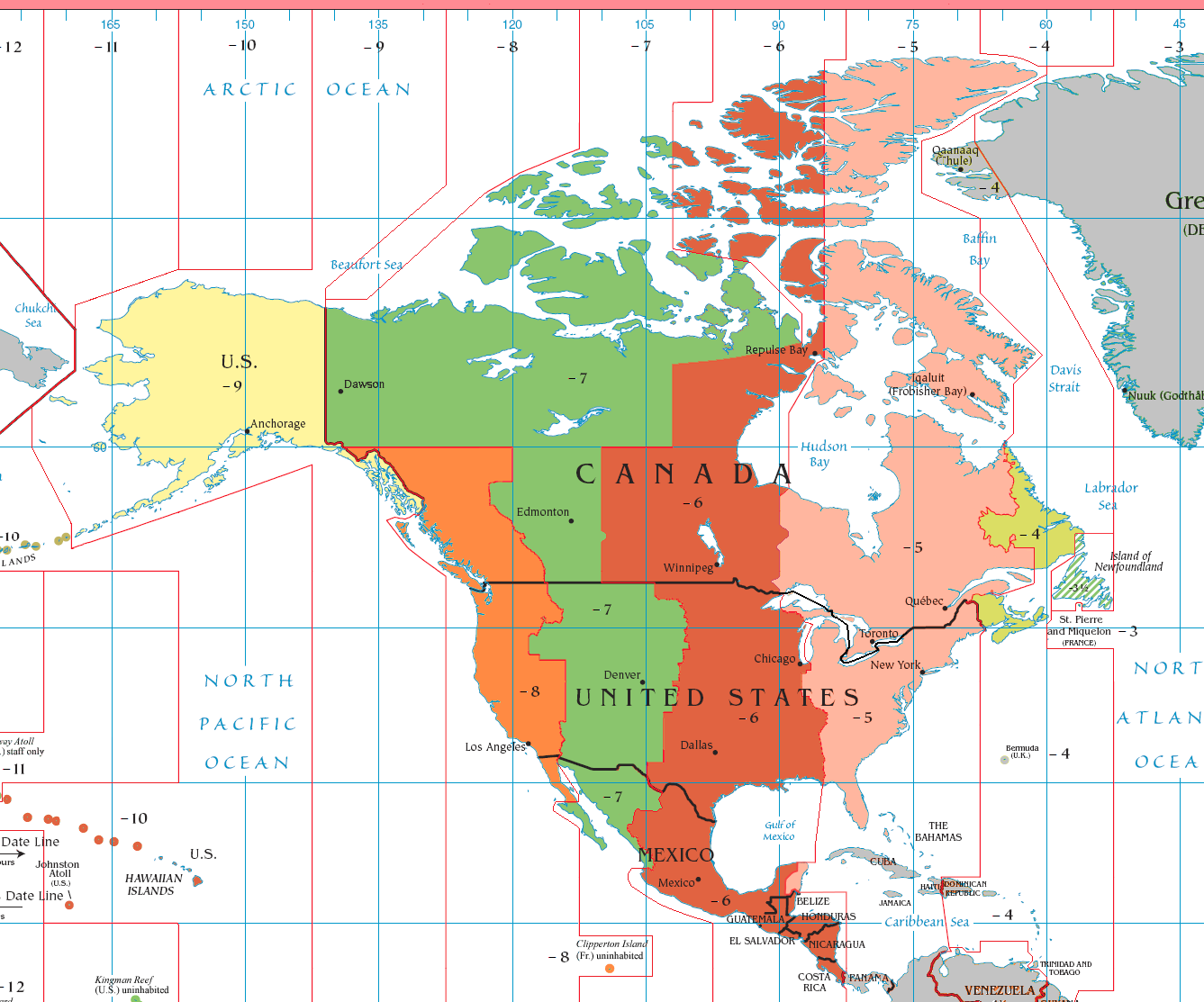
The placement of time zones is not arbitrary; it is generally based on lines of longitude that divide the Earth into segments. The Central Time Zone is theoretically situated between 82.5° and 97.5° west longitude. New Orleans falls geographically within this range, solidifying its position in Central Time.
Why Not Eastern Time?
The geographical location of New Orleans is the primary reason it does not observe Eastern Time. While the cultural influences and historical ties of the city are rich and varied, the administrative and logistical framework of time zones is primarily dictated by geography. States like Florida and Michigan are largely in the Eastern Time Zone due to their longitudinal positions. New Orleans, situated further west, naturally aligns with the Central Time Zone.
The State of Louisiana and Time Zones
Louisiana as a whole observes Central Time. This consistency across the state simplifies matters for residents and visitors alike, ensuring that whether one is exploring the bayous, visiting Baton Rouge, or enjoying the unique character of New Orleans, the local time remains the same. This uniformity is a testament to the practical application of time zone regulations across the United States.
In conclusion, the answer to “Is New Orleans Eastern Time?” is a definitive no. The city thrives under the banner of Central Time, a temporal designation that underpins its daily operations and the unique rhythm of its world-renowned culture. Understanding this fundamental aspect of New Orleans is an essential step for any traveler seeking to unlock the full spectrum of experiences this captivating city has to offer.
LifeOutOfTheBox is a participant in the Amazon Services LLC Associates Program, an affiliate advertising program designed to provide a means for sites to earn advertising fees by advertising and linking to Amazon.com. Amazon, the Amazon logo, AmazonSupply, and the AmazonSupply logo are trademarks of Amazon.com, Inc. or its affiliates. As an Amazon Associate we earn affiliate commissions from qualifying purchases.