
When picturing a beach vacation, images of crashing ocean waves, salty air, and endless stretches of sand usually come to mind. These idyllic scenes typically belong to coastal states. So, for those pondering a trip to the Southwestern United States, a natural question might arise: “Does Arizona have beaches?” The short, geographical answer is no. As a landlocked state, Arizona doesn’t boast oceanfront property. It’s renowned for its stark desert landscapes, iconic saguaro cacti, dramatic red rock formations, and the majestic Grand Canyon.
However, to dismiss Arizona’s aquatic potential based solely on its lack of coastline would be a significant oversight. This desert gem surprisingly offers a vibrant array of “beach-like” experiences, from vast freshwater lakes with sandy shores to luxurious resort pools that rival any seaside paradise. For travelers seeking refreshing aquatic activities, stunning natural beauty, and unique Southwestern charm, Arizona presents an extraordinary alternative to traditional beach destinations. This article delves into how Arizona delivers memorable water-based adventures, luxurious retreats, and unparalleled desert landscapes, proving that a lack of ocean doesn’t mean a lack of spectacular aquatic fun.

Arizona’s Aquatic Delights: Beyond the Ocean
While ocean beaches might be absent, Arizona compensates magnificently with an impressive network of man-made lakes and the life-giving Colorado River. These aquatic playgrounds offer diverse opportunities for swimming, boating, and relaxation, often set against a backdrop of breathtaking desert scenery.
The Allure of Arizona’s Lakes and Rivers
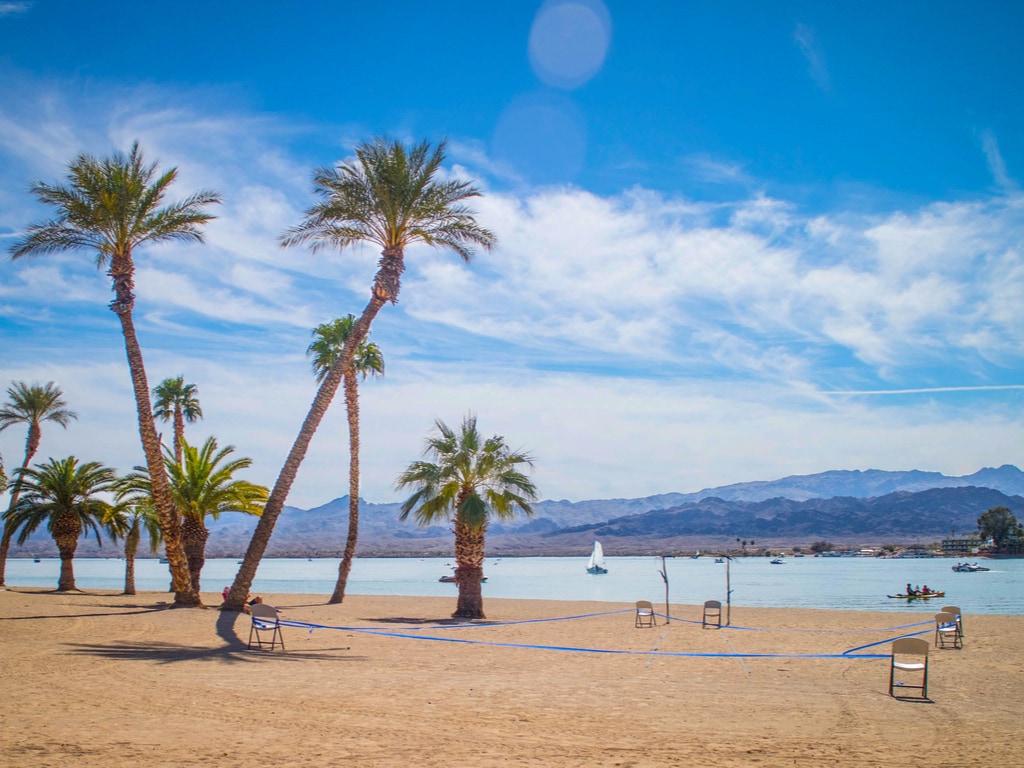
Arizona is home to several large reservoirs that have become popular havens for water sports enthusiasts and sun-seekers. These freshwater lakes, fed by the Colorado River and its tributaries, feature expansive shorelines, some with inviting sandy stretches that genuinely evoke the feeling of a beach.
One of the most famous lake destinations is Lake Havasu, often dubbed “Arizona’s Playground.” Located on the border with California, Lake Havasu is a mecca for spring breakers, families, and retirees alike. Lake Havasu City, situated on its eastern shore, is famous for the transplanted London Bridge, which spans a channel connecting the main part of the lake with Thompson Bay. The lake offers pristine waters for swimming, jet-skiing, waterskiing, wakeboarding, and even paddleboarding. Numerous coves and sandy beaches, such as Body Beach and Cattail Cove State Park, provide perfect spots for picnicking, sunbathing, and launching personal watercraft. The vibrant energy and multitude of activities here truly create a lively beach town atmosphere.
Further north, stretching across the Arizona-Nevada border, lies Lake Mead, the largest reservoir in the United States by volume (when full). Formed by the Hoover Dam on the Colorado River, Lake Mead offers an immense expanse of water ideal for houseboating, fishing, and kayaking. Its rugged shoreline, dotted with secluded coves and sandy beaches, provides a tranquil escape from the bustling city life of nearby Las Vegas. Similarly, Lake Mohave, located downstream from Lake Mead and formed by the Davis Dam, also boasts numerous sandy beaches and offers exceptional fishing, boating, and diving opportunities.

Central Arizona features a chain of lakes nestled within the scenic Tonto National Forest, providing cooler temperatures and stunning mountainous backdrops. Roosevelt Lake, the largest lake entirely within Arizona, is a popular spot for bass fishing and camping, with several recreation sites offering boat ramps and basic amenities. Closer to Phoenix, the “Valley of the Sun” residents flock to lakes like Saguaro Lake, Canyon Lake, and Apache Lake. Saguaro Lake, with its towering canyon walls and abundance of saguaro cacti, offers boat cruises, paddleboarding, and swimming in designated areas. Canyon Lake is renowned for its dramatic cliffs and pristine waters, while Apache Lake provides a more remote and rugged experience.
Northwest of Phoenix, Lake Pleasant Regional Park is another prime destination, particularly for sailboat enthusiasts and night fishing. Its two marinas, numerous coves, and designated swimming areas make it a favorite for weekend getaways. Bartlett Lake, located on the Verde River within the Tonto National Forest, is also a popular spot for waterskiing, jet-skiing, and camping. The diverse offerings of these lakes ensure that every visitor, from adrenaline junkies to those simply looking to unwind by the water, can find their ideal “beach” experience.
River Adventures and Canyons
Beyond the lakes, the mighty Colorado River carves its way through Arizona, offering unparalleled river adventures. White-water rafting through the Grand Canyon is a bucket-list experience, providing a unique perspective of one of the world’s most incredible natural landmarks. Multi-day trips allow adventurers to camp on secluded sandy beaches along the riverbanks, under a canopy of a million stars – a truly unmatched “beach camping” experience. For those seeking a less intense journey, calmer sections of the Colorado River near Page and the Lee’s Ferry area offer serene kayaking and paddleboarding opportunities, allowing visitors to float past towering sandstone cliffs and marvel at iconic formations like Horseshoe Bend. These river journeys, while not traditional beach days, offer equally refreshing and unforgettable interactions with water and nature.
Desert Oases and Resort Retreats: Man-Made Sanctuaries
For those who prefer their aquatic experiences with a side of luxury and convenience, Arizona’s world-class resorts and vibrant water parks offer sophisticated alternatives to natural beaches. These man-made oases are designed to immerse guests in a lavish environment, complete with sprawling pools, sandy edges, and an array of amenities.
Luxurious Escapes with a Splash
The metropolitan areas of Phoenix, Scottsdale, and Tucson are renowned for their upscale hotels and resorts that cater to every whim, many boasting elaborate aquatic features that mimic beach environments. Resorts such as the Hyatt Regency Scottsdale Resort & Spa at Gainey Ranch or the JW Marriott Desert Ridge Resort & Spa offer multi-acre water parks within their premises, complete with sandy beaches, exhilarating waterslides, and relaxing lazy rivers. Imagine lounging on a soft sand beach, cocktail in hand, while surrounded by lush desert landscaping and palm trees – an urban beach paradise without the ocean.
The Phoenician, a Luxury Collection Resort, Scottsdale, boasts an impressive multi-tiered pool complex with an inviting “Mother of Pearl” bottom, offering a sparkling, pristine swimming experience. In Tucson, resorts like the Loews Ventana Canyon Resort blend seamlessly into the desert environment, providing stunning mountain views from their expansive pools. These properties are not just places to stay; they are destinations in themselves, offering a complete lifestyle experience where guests can enjoy gourmet dining, spa treatments, championship golf, and, of course, unparalleled aquatic leisure. For those who seek the ultimate in luxury travel, Arizona’s resorts provide an indulgent alternative to a traditional beach vacation, perfect for a romantic getaway or a family trip.
Family Fun and Water Parks
For families, Arizona’s dedicated water parks provide endless hours of fun and an excellent way to beat the summer heat. Six Flags Hurricane Harbor Phoenix (formerly Wet ‘n’ Wild Phoenix) features dozens of slides, a massive wave pool that simulates ocean swells, and a lazy river, creating a comprehensive aquatic playground for all ages. Similarly, Big Surf Waterpark in Tempe, famously home to America’s original wave pool, offers a unique “ocean” experience in the desert, complete with surfable waves. These parks are engineered to deliver the thrill and relaxation of a beach day, making them popular local attractions and tourist destinations, particularly during Arizona’s warmer months.
Beyond the Water: The Unique Charm of the Grand Canyon State
While this article focuses on Arizona’s unexpected aquatic offerings, it would be remiss not to highlight the state’s other unique attractions that make it a compelling travel destination, even for those not seeking a traditional beach. The essence of Arizona lies in its diverse and dramatic natural beauty, rich history, and vibrant culture.
Unparalleled Natural Beauty
The Grand Canyon, a monumental gorge carved by the Colorado River, is undoubtedly Arizona’s most iconic natural wonder and a globally recognized landmark. Its awe-inspiring scale and vibrant geological layers offer breathtaking vistas and endless opportunities for hiking, sightseeing, and photography. Beyond the Grand Canyon, the vibrant red rock country of Sedona captivates visitors with its stunning formations, spiritual vortexes, and extensive network of hiking and mountain biking trails. Destinations like Antelope Canyon and Horseshoe Bend near Page showcase the mesmerizing power of water and wind erosion, creating surreal, otherworldly landscapes that are a photographer’s dream. Even the bustling urban centers are often just a short drive from pristine desert preserves, offering immediate access to hiking, wildlife viewing, and the distinct beauty of the Sonoran Desert with its iconic saguaro cacti.
Cultural Experiences and Culinary Delights
Arizona is rich in history and culture, particularly that of its diverse Native American tribes, whose traditions and artistry are deeply woven into the fabric of the state. Visitors can explore ancient cliff dwellings, attend cultural festivals, and discover unique handmade crafts. Historic towns like Old Town Scottsdale offer a blend of art galleries, boutiques, and lively nightlife, retaining a charming Old West feel.
The culinary scene in Arizona is a vibrant fusion of Southwestern, Mexican, and contemporary American flavors. From upscale dining in Phoenix and Scottsdale to authentic Sonoran hot dogs in Tucson, the state offers a delectable journey for foodies. Experiencing the local food and vibrant tourism scene is an essential part of any Arizona adventure.
Planning Your Arizona Aquatic Adventure
To make the most of your Arizona visit, especially if water activities are a priority, a little planning goes a long way. Understanding the best times to visit and where to stay can significantly enhance your experience.
Best Time to Visit and What to Pack
The shoulder seasons—spring (March to May) and fall (September to November)—are generally considered the best times to visit Arizona. During these months, temperatures are pleasant across the state, ideal for hiking, exploring, and enjoying water activities without the intense heat of summer. Summer (June to August) brings soaring temperatures, particularly in Phoenix and Tucson, making lake and resort swimming pools a necessity rather than a luxury. The monsoon season in late summer can bring dramatic thunderstorms, which are a spectacle in themselves but might temporarily interrupt outdoor plans.
Regardless of when you visit, essential packing includes plenty of sunscreen, a wide-brimmed hat, sunglasses, and reusable water bottles to stay hydrated. For water activities, bring appropriate swimwear, quick-drying clothing, and water shoes. If you plan to hike, sturdy hiking boots are a must. Evenings can be cool in the desert, especially in higher elevations like Flagstaff or during the cooler months, so layers are always advisable.
Accommodation Choices for Every Traveler
Arizona’s accommodation landscape is as diverse as its scenery, catering to every budget and lifestyle. Whether you’re planning a luxury travel escape, a budget travel adventure, or a memorable family trip, you’ll find suitable options.
For those seeking the ultimate in comfort and amenities, the state’s numerous resorts in Scottsdale, Phoenix, and Tucson offer everything from opulent suites and world-class spas to championship golf courses and elaborate pool complexes. These resorts often provide a complete vacation experience, minimizing the need to venture far for entertainment or relaxation. For a more independent stay, private villas and apartments can be booked, offering more space and flexibility, especially for long-term stays or groups.
Mid-range hotels and charming boutique accommodations are available in most cities, providing comfortable stays with excellent access to local attractions. For budget travel or outdoor enthusiasts, campgrounds at state parks and national forests offer a unique opportunity to connect with nature, often right by the water’s edge. When choosing accommodation, consider reading reviews and using online comparison tools to find the best fit for your needs and budget. Many hotels and resorts offer special packages, particularly during the off-peak season, which can provide excellent value.
In conclusion, while Arizona may not have traditional ocean beaches, it absolutely offers a vibrant and diverse array of aquatic experiences that cater to every type of traveler. From the bustling lake shores of Lake Havasu to the serene river stretches of the Colorado River, and from the luxurious poolside retreats of Scottsdale to the thrilling slides of its water parks, Arizona promises refreshing escapades. Coupled with its unparalleled natural landmarks and rich cultural tapestry, the Grand Canyon State presents a compelling alternative to conventional beach destinations, proving that you don’t need an ocean to have an unforgettable water-based adventure. So, pack your swimsuit, embrace the desert sun, and prepare to discover Arizona’s surprising aquatic side.
LifeOutOfTheBox is a participant in the Amazon Services LLC Associates Program, an affiliate advertising program designed to provide a means for sites to earn advertising fees by advertising and linking to Amazon.com. Amazon, the Amazon logo, AmazonSupply, and the AmazonSupply logo are trademarks of Amazon.com, Inc. or its affiliates. As an Amazon Associate we earn affiliate commissions from qualifying purchases.