
The question of legality surrounding prostitution in any given locale is often complex, shrouded in a patchwork of laws and local ordinances. When it comes to the vibrant and historically rich city of New Orleans, understanding this legal landscape is crucial for visitors seeking to navigate its unique social fabric responsibly. This exploration delves into the current legal status of prostitution in New Orleans, examining the nuances of state and local legislation, and providing context for travelers.
Understanding the Legal Framework
The fundamental principle governing prostitution in the United States is that it is largely illegal at the federal level, and in most individual states. Louisiana, the state in which New Orleans is situated, adheres to this general prohibition. The state’s penal code explicitly criminalizes prostitution, defining it as the exchange of sexual services for compensation.

State Laws and Penalties
In Louisiana, engaging in prostitution, whether as a seller or a buyer, is a criminal offense. The penalties can vary depending on the specifics of the offense and any prior convictions. First offenses typically result in misdemeanor charges, which can carry fines and jail time. Subsequent offenses, or those involving aggravating factors such as the involvement of minors or coercion, can lead to more severe felony charges and longer prison sentences.
The interpretation and enforcement of these state laws are further influenced by local jurisdictions within Louisiana. While the state provides the overarching legal framework, individual parishes and municipalities may have their own specific ordinances that supplement or, in some cases, appear to create variations in enforcement practices. However, it is critical to understand that these local variations do not render prostitution legal.
Local Ordinances and Enforcement in New Orleans
New Orleans itself has a long and storied history, marked by periods where certain activities were tolerated or even openly practiced, particularly in specific districts. The famed Storyville district, which operated from 1897 to 1917, was a designated red-light district where legal brothels were permitted. However, the closure of Storyville marked a significant shift, and since then, prostitution has been subject to the state’s criminal statutes.
While the current legal landscape prohibits prostitution, the perception of its presence in New Orleans can be complex. Factors such as tourist influx, the city’s unique cultural atmosphere, and historical context can sometimes lead to confusion regarding its actual legal standing. Law enforcement agencies in New Orleans are tasked with enforcing state laws, and this includes addressing prostitution. The focus of enforcement can shift over time, influenced by community concerns, resource allocation, and public safety initiatives.
It is important for visitors to be aware that activities associated with prostitution, such as soliciting or patronizing sex workers, can lead to arrest and prosecution under Louisiana law. This applies regardless of whether these activities occur in public spaces or within private establishments.
Historical Context and Shifting Perceptions
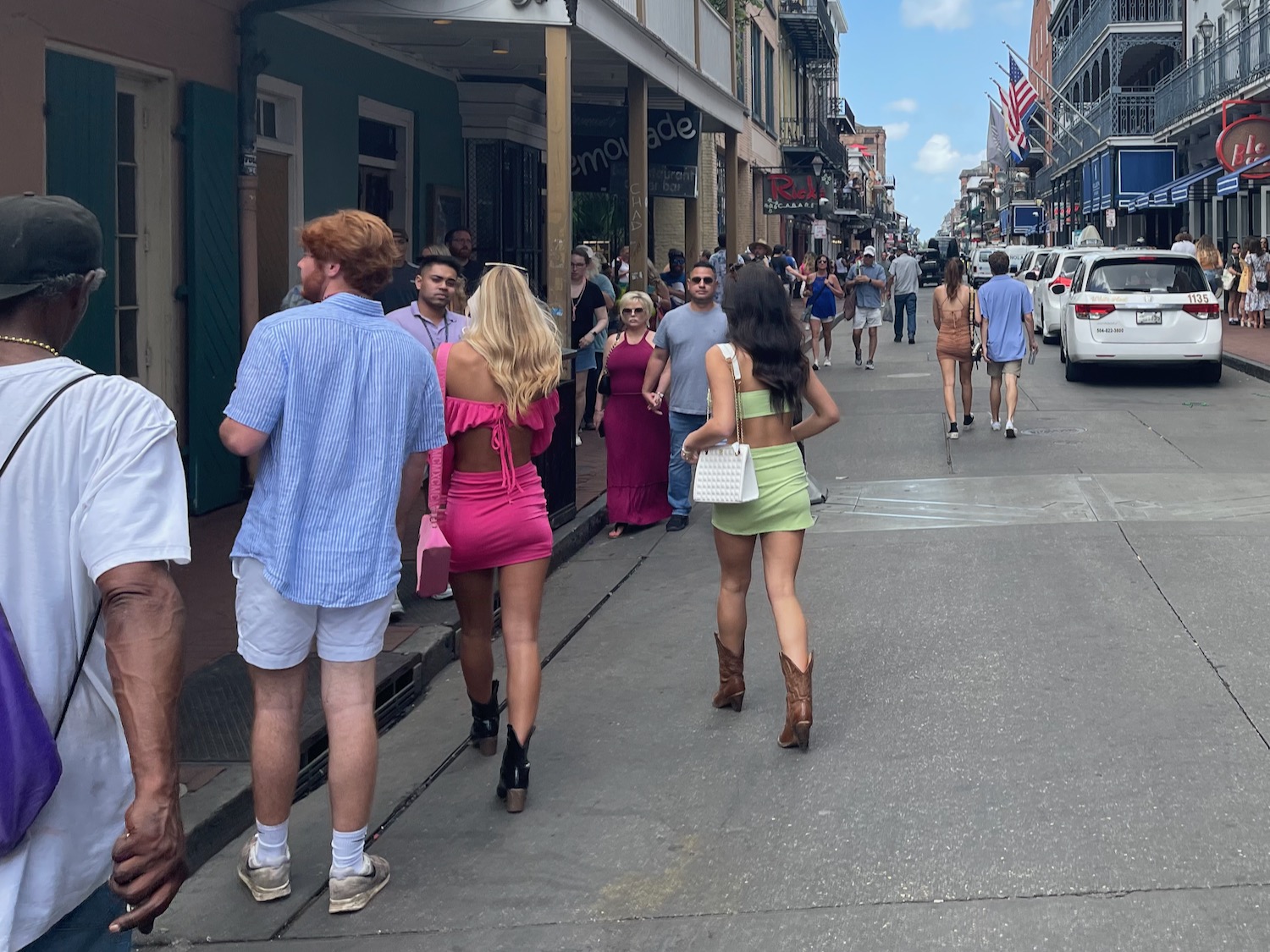
The legal status of prostitution in New Orleans cannot be fully understood without acknowledging its historical context. The city’s unique cultural heritage, influenced by its French, Spanish, and African roots, has historically fostered a more liberal approach to certain social activities compared to other American cities.
The Era of Storyville
The existence of Storyville for a period of twenty years is a significant part of New Orleans history. Established by the city’s police board, it was an attempt to regulate and contain prostitution within a defined area, rather than eradicate it entirely. This era allowed for the development of elaborate brothels, some of which were renowned for their opulent décor and musical offerings, becoming significant centers of entertainment and culture, even contributing to the early development of jazz music. However, the federal government’s intervention, driven by concerns related to the First World War and the moral health of soldiers, ultimately led to the closure of Storyville in 1917.
Post-Storyville Legislation
Following the closure of Storyville, prostitution became unequivocally illegal across New Orleans and the rest of Louisiana. The subsequent decades saw a continuous criminalization of the sex trade. While enforcement tactics and priorities may have evolved, the legal prohibition has remained a constant. It is this post-Storyville legal framework that governs the city today.
Navigating New Orleans Responsibly
For travelers visiting New Orleans, understanding the legal status of prostitution is a matter of responsible tourism. While the city offers a plethora of attractions, from the historic charm of the French Quarter to the vibrant music scene on Frenchmen Street, visitors are expected to abide by local and state laws.
Avoiding Legal Pitfalls
Engaging in or soliciting prostitution carries legal consequences. Travelers should be wary of any offers or situations that appear to facilitate such activities. This includes being cautious of individuals who approach them on the street with propositions, or establishments that might implicitly or explicitly offer sexual services. The best approach is to adhere strictly to legal activities and avoid any behavior that could be construed as participating in the sex trade.
Focusing on Legitimate Attractions
New Orleans offers an abundance of legitimate and enriching experiences. The city is renowned for its unparalleled culinary scene, featuring iconic dishes like gumbo and jambalaya, its rich history and architecture, its vibrant live music venues, and its unique Mardi Gras celebrations. Exploring these aspects of New Orleans will provide a more fulfilling and legally sound travel experience. Recommendations for exploring the city can be found through official tourism boards and reputable travel guides, ensuring that your visit is both memorable and lawful.
Conclusion: A Clear Legal Standing
In conclusion, the answer to the question “Is prostitution legal in New Orleans?” is a clear and unequivocal no. While the city’s history, particularly the era of Storyville, might suggest a more complex past, the present legal reality is that prostitution, solicitation, and related activities are prohibited under Louisiana state law and are subject to enforcement in New Orleans. Travelers are advised to respect these laws and focus their attention on the many legitimate and celebrated aspects of this extraordinary city. Adhering to legal guidelines ensures a safe, enjoyable, and respectful experience for all visitors.
LifeOutOfTheBox is a participant in the Amazon Services LLC Associates Program, an affiliate advertising program designed to provide a means for sites to earn advertising fees by advertising and linking to Amazon.com. Amazon, the Amazon logo, AmazonSupply, and the AmazonSupply logo are trademarks of Amazon.com, Inc. or its affiliates. As an Amazon Associate we earn affiliate commissions from qualifying purchases.