
King Cake is more than just a festive dessert; it’s a deeply ingrained symbol of Mardi Gras and a culinary cornerstone of New Orleans during the carnival season. This oval-shaped, often brioche-like pastry, adorned with vibrant icing and sprinkles in the traditional Mardi Gras colors of purple, green, and gold, heralds the start of the joyous period leading up to Ash Wednesday. Its presence on tables and in bakeries across the city signifies a time of indulgence, revelry, and community connection.
The tradition of King Cake dates back centuries, with roots in European Epiphany celebrations, particularly in France where it’s known as galette des rois. When French colonists brought their traditions to Louisiana, the custom of sharing a special cake to commemorate the Epiphany, and subsequently Mardi Gras, took hold. The oval shape itself is said to represent the unity of mankind and the crown of the Magi.

The Essence of the King Cake
At its heart, a New Orleans King Cake is a sweet, yeasted dough, often enriched with eggs and butter, giving it a tender, slightly chewy texture. While the classic brioche style remains popular, variations abound, reflecting the diverse culinary landscape of the city.
Traditional Flavors and Fillings
The simplest and perhaps most classic King Cakes are flavored with a hint of cinnamon and nutmeg baked into the dough. However, the true magic often lies in the fillings. Many bakeries offer a range of decadent options:
- Cream Cheese: A rich, smooth, and slightly tangy cream cheese filling is a perennial favorite, providing a creamy counterpoint to the sweet dough.
- Fruit Fillings: Popular choices include vibrant fruit preserves like strawberry, blueberry, and raspberry. These add a burst of fruity sweetness and a pleasing texture.
- Praline: A nod to another New Orleans staple, the praline filling offers a nutty, caramel-infused sweetness that is incredibly satisfying.
- Pecan: Chopped pecans, often toasted, add a delightful crunch and a rich, nutty flavor that pairs beautifully with the sweet dough.
- Chocolate: For the chocolate lovers, rich chocolate fillings, sometimes combined with cream cheese or nuts, are a decadent indulgence.
The dough itself is typically glazed with a simple icing, often a thin layer of powdered sugar and milk or lemon juice, and then generously decorated with colorful sprinkles. The colors are not arbitrary; purple represents justice, green symbolizes faith, and gold stands for power. These are the official colors of Mardi Gras, chosen by the Grand Duke Alexis Alexandrovich of Russia in 1872.
Modern Innovations and Variations
Beyond the traditional, New Orleans bakers are constantly innovating. You’ll find King Cakes with:
- Gourmet Fillings: Think créme brûlée, bananas foster, or even savory options like crawfish étouffée for the adventurous.
- Dough Variations: Some bakeries experiment with flavored doughs, such as red velvet, chocolate, or even matcha.
- Decorations: While the traditional sprinkles remain, some elaborate King Cakes feature intricate icing designs, edible glitter, and even fondant figures.
The sheer variety ensures that there is a King Cake to suit every palate and occasion during the carnival season.
The Hidden Baby and Its Significance
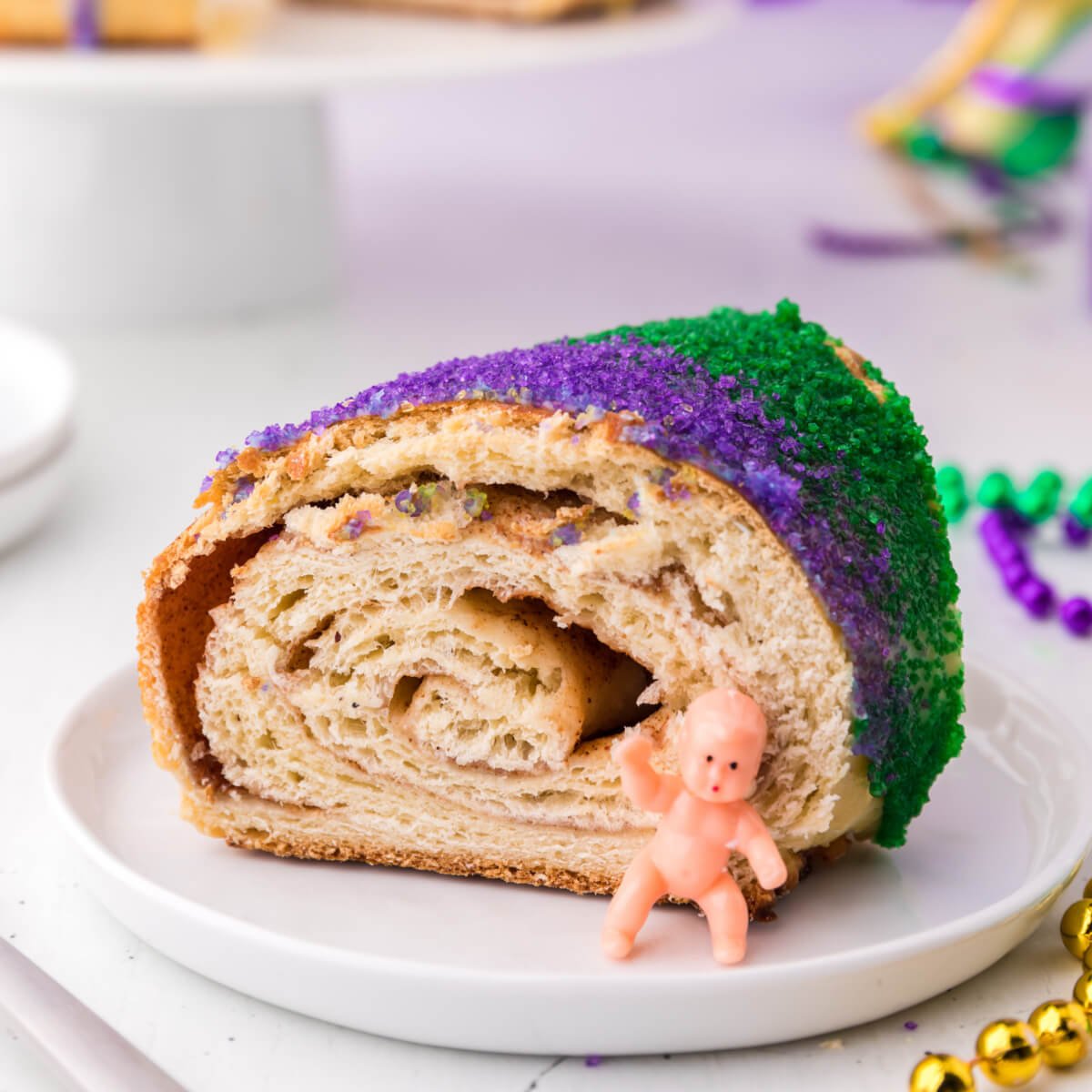
Perhaps the most iconic and distinctive element of a New Orleans King Cake is the hidden plastic baby, or sometimes a small ceramic figurine. This tiny treasure, traditionally concealed within the cake, carries significant meaning and tradition.
The Tradition of the Baby
The practice of hiding a small object in the cake originated from the European Epiphany traditions. The finder of the object was traditionally crowned king or queen for the day, symbolizing their good fortune. In New Orleans, this tradition evolved with the plastic baby becoming the most common token.
The Role of the Finder
The person who discovers the baby in their slice of King Cake is said to be blessed with good luck for the year. More importantly, they also inherit the responsibility of hosting the next Mardi Gras party and providing the King Cake for that gathering. This ensures the continuation of the tradition and keeps the festive spirit alive. The act of finding the baby often elicits cheers and excitement, adding to the communal enjoyment of the cake.
Where to Find the Baby
The baby is usually baked into the cake at the bakery, though some home bakers may choose to hide it themselves. It’s typically placed strategically to ensure it’s present in a slice but not so obvious that it’s immediately discovered. The thrill of the hunt is part of the King Cake experience.
Experiencing King Cake in New Orleans
The King Cake season is a joyous time in New Orleans, and experiencing it firsthand is an essential part of any visit during this period. From the iconic bakeries to the local gatherings, the King Cake is omnipresent.
Iconic Bakeries and Their Creations
New Orleans boasts numerous renowned bakeries that are celebrated for their King Cakes. These establishments have perfected their recipes over generations, drawing locals and tourists alike.
- Gambino’s Bakery: A beloved institution, Gambino’s is famous for its traditional brioche King Cakes, offering a wide array of classic fillings. Their commitment to quality and tradition makes them a must-visit.
- Manny Randazzo King Cakes: Known for its exceptionally rich dough and generous fillings, Manny Randazzo is a top contender for many locals. They focus on a luxurious taste and texture.
- Haydel’s Bakery: Haydel’s offers a vast selection of flavors and decorations, catering to both traditionalists and those seeking something more unique. They are also known for their elaborate custom cakes.
- Sucré: This contemporary patisserie offers beautifully crafted and artistically decorated King Cakes, often with unique flavor combinations and a focus on visual appeal as much as taste.
These are just a few of the many exceptional bakeries that contribute to the King Cake culture of New Orleans. Each has its loyal following and distinctive style.
King Cake Parties and Gatherings
King Cake is not just eaten; it’s celebrated. As Mardi Gras approaches, offices, schools, and social clubs host “King Cake Parties.” These gatherings are informal affairs where a King Cake is shared, and the finder of the baby is celebrated. The act of cutting and distributing the cake becomes a focal point for conversation and camaraderie. It’s a ritual that reinforces community bonds and spreads festive cheer.
Timing is Everything
The King Cake season officially begins on Epiphany (January 6th) and continues until Mardi Gras itself, which falls on the Tuesday before Ash Wednesday. However, many bakeries begin selling their King Cakes shortly after the Christmas holidays, and the craving often starts even earlier for dedicated enthusiasts.
Beyond the Bite: The Cultural Significance
The King Cake in New Orleans transcends its role as a mere dessert. It is a cultural artifact, a marker of time, and a catalyst for social interaction.
A Symbol of Mardi Gras and Carnival
More than any other food item, the King Cake is synonymous with Mardi Gras in New Orleans. Its appearance signals the start of the carnival season, a period of joyous celebration before the austerity of Lent. The cake embodies the spirit of indulgence, festivity, and the unique cultural blend that defines New Orleans.
A Taste of New Orleans Tradition
For many, the King Cake is a nostalgic reminder of childhood, family traditions, and the unique atmosphere of New Orleans during carnival. It’s a shared experience that connects generations and reinforces a sense of local identity. Even those who have moved away often seek out a taste of authentic New Orleans King Cake to feel connected to their roots.

A Culinary Keepsake
The King Cake is a testament to the city’s rich culinary heritage, blending European influences with local Creole and Cajun flavors. Its evolution reflects the dynamic nature of New Orleans cuisine, where tradition meets innovation. Whether you’re a lifelong resident or a first-time visitor, savoring a slice of King Cake is an essential part of the New Orleans experience during carnival season. It’s a delicious, symbolic, and utterly unforgettable taste of the Big Easy.
LifeOutOfTheBox is a participant in the Amazon Services LLC Associates Program, an affiliate advertising program designed to provide a means for sites to earn advertising fees by advertising and linking to Amazon.com. Amazon, the Amazon logo, AmazonSupply, and the AmazonSupply logo are trademarks of Amazon.com, Inc. or its affiliates. As an Amazon Associate we earn affiliate commissions from qualifying purchases.