
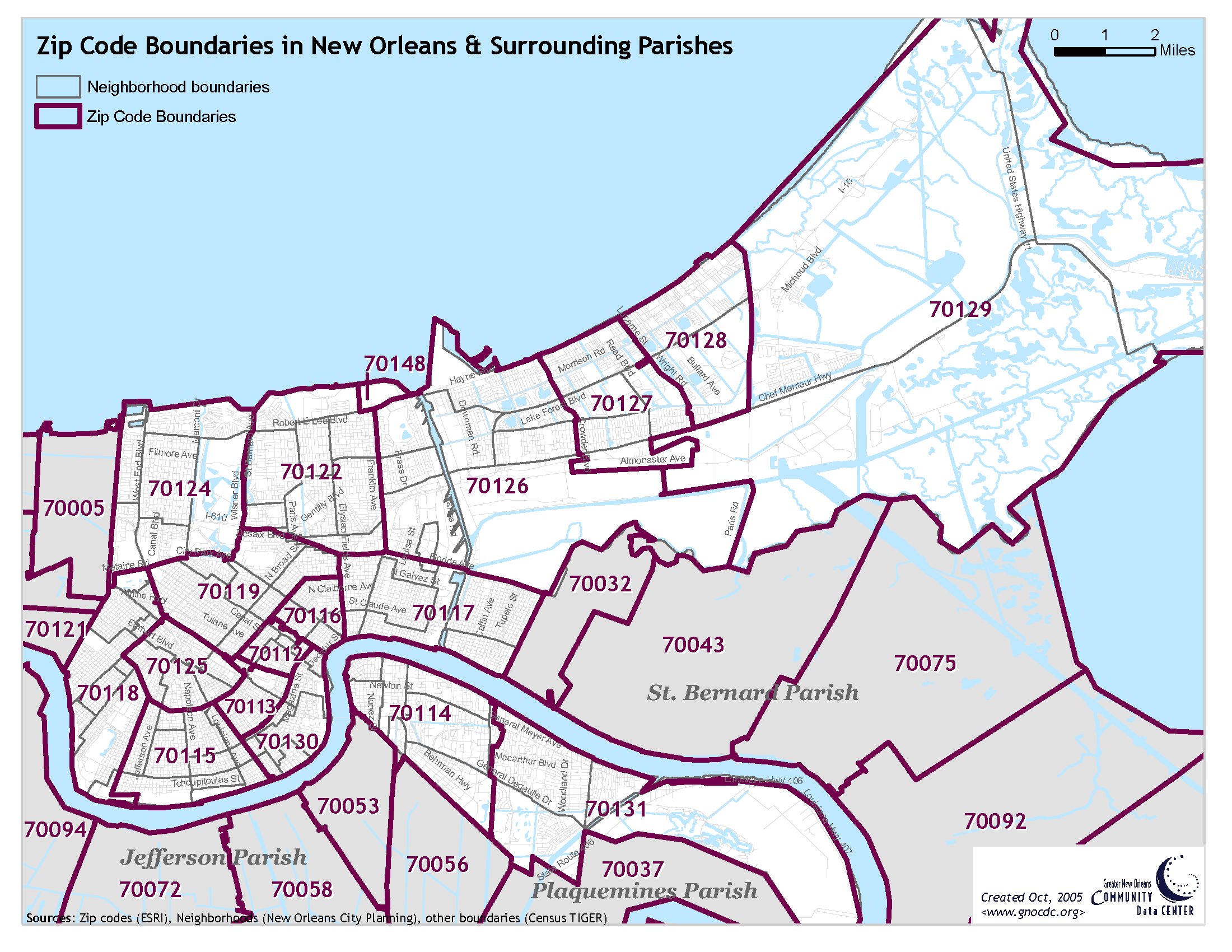
New Orleans, a city steeped in history, vibrant culture, and an undeniable spirit, is more than just a collection of neighborhoods; it’s a mosaic of experiences, each defined by its unique character and, for practical purposes, its specific postal codes. Understanding the zip codes of New Orleans is not just about mail delivery; it’s a subtle yet effective way to navigate the city’s diverse districts, from the historic charm of the French Quarter to the genteel avenues of the Garden District. This exploration delves into the postal geography of this captivating Louisiana metropolis, shedding light on how zip codes can serve as a gateway to understanding its distinct communities and the attractions they hold.
Navigating the Postal Landscape of New Orleans
The United States Postal Service (USPS) assigns unique five-digit zip codes to facilitate mail sorting and delivery. In New Orleans, these codes are instrumental in segmenting the city, each representing a specific geographic area with its own set of characteristics. While the city is a unified entity, its postal divisions offer a simplified framework for identifying and understanding its various parts.
The core of the city, encompassing areas synonymous with its global fame, is often associated with a few key zip codes. These are the areas most frequented by visitors and where much of the city’s iconic imagery is rooted. As one moves outwards from the central business district and tourist hubs, the zip codes begin to reflect the transition into residential areas, historic neighborhoods, and the more suburban expanses of the metropolitan area.
For any visitor, having a general understanding of these codes can be surprisingly useful. It helps in pinpointing locations on a map, understanding the general character of a neighborhood before arrival, and even in planning logistics for travel and accommodation. While GPS devices and online mapping services provide precise directions, an awareness of zip code boundaries offers a broader contextual understanding of New Orleans.
The Iconic Heart: French Quarter and Beyond
The French Quarter, the very soul of New Orleans and a national historic landmark, is primarily served by the zip code 70116. This area is a treasure trove of history, architecture, and lively nightlife. Here, one finds iconic streets like Bourbon Street, Royal Street, and Jackson Square. The architectural marvels, from wrought-iron balconies to Creole townhouses, are a testament to centuries of history. The culinary scene is unparalleled, with legendary restaurants and cafés offering a taste of authentic Creole and Cajun cuisine.
Adjacent to the French Quarter is the 70130 zip code, which encompasses the Central Business District (CBD) and the Warehouse District. This area is a fascinating blend of historic industrial buildings, now repurposed into trendy lofts, galleries, and restaurants, and modern skyscrapers. It’s a hub for business and a destination for culture, with the National WWII Museum and the Ogden Museum of Southern Art calling this area home. The proximity to the Mississippi Riverfront also adds to its appeal, offering scenic views and access to riverboat excursions.
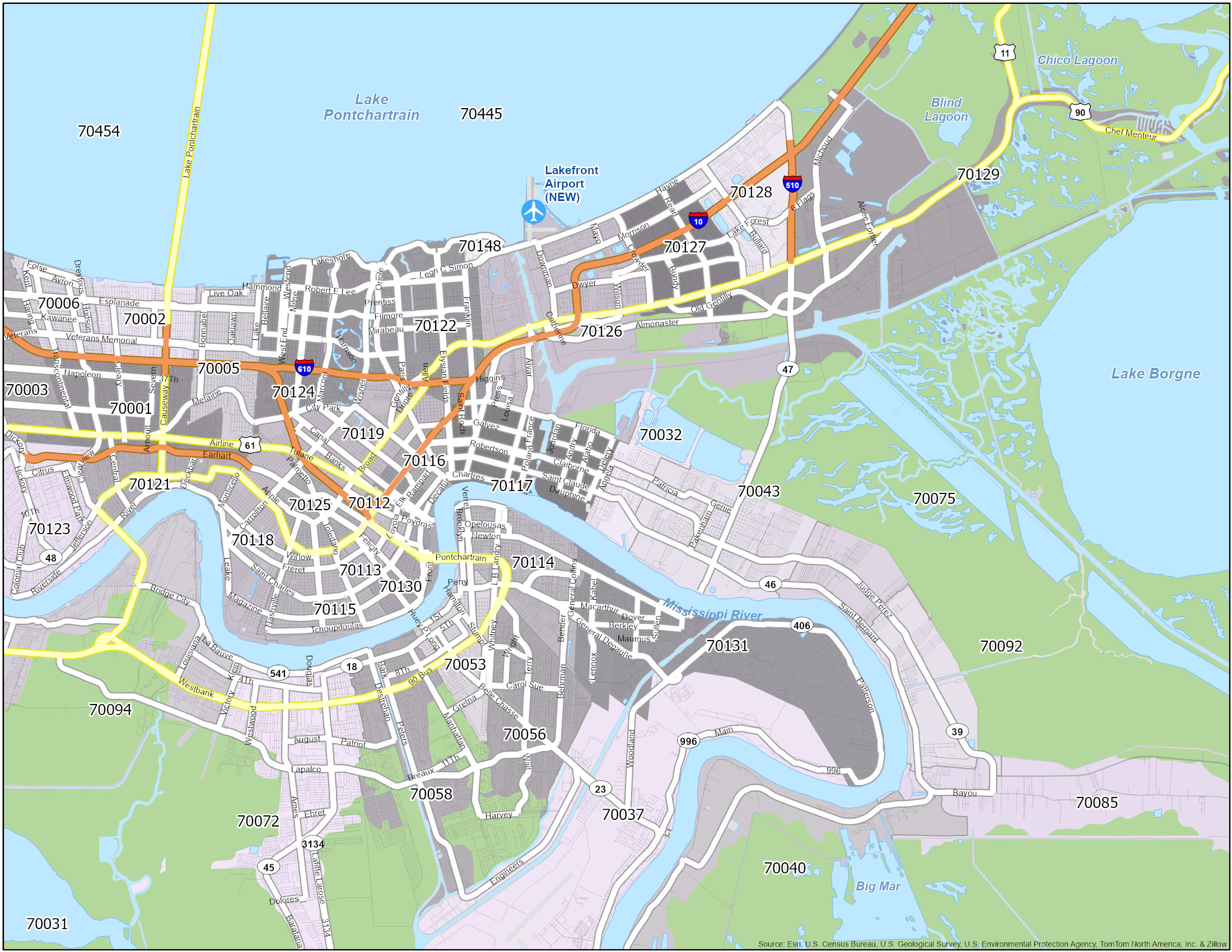
The 70112 zip code covers areas just north of the French Quarter, including parts of the Marigny and Tremé. The Marigny is renowned for its live music venues, particularly along Frenchmen Street, offering an authentic New Orleans music experience that often rivals, or even surpasses, the intensity of Bourbon Street. Tremé, one of the oldest African-American neighborhoods in the United States, is celebrated for its rich musical heritage, including its pivotal role in the birth of jazz. Exploring these areas through their zip codes offers a deeper appreciation for the city’s cultural roots.
Elegant Avenues and Historic Neighborhoods
Moving slightly away from the most densely populated tourist areas, other zip codes reveal different facets of New Orleans. The 70115 zip code is largely associated with the renowned Garden District. This is a neighborhood of grand mansions, lush gardens, and tree-lined streets, offering a stark contrast to the bustling energy of the French Quarter. Visitors can take guided walking tours to admire the stunning architecture and learn about the history of the prominent families who once resided here. Lafayette Cemetery No. 1, a beautiful and historic above-ground cemetery, is also located within this zip code.
The 70118 zip code covers a significant portion of the Broadmoor and parts of the Mid-City neighborhoods. Mid-City is a vibrant and diverse area known for its culinary offerings, including many local favorites that draw residents from across the city. It’s also home to City Park, one of the largest urban parks in the United States, which boasts attractions like the New Orleans Museum of Art, the Sydney and Walda Besthoff Sculpture Garden, and the New Orleans Botanical Garden. The historic streetcar lines that run through Mid-City are a quintessential way to experience this part of the city.
Another important zip code to note is 70119, which encompasses areas like Central City and parts of Gert Town. These neighborhoods have a rich history and are undergoing significant revitalization, showcasing the resilience and spirit of the city. They are home to community initiatives, local businesses, and a strong sense of neighborhood pride. Understanding these zip codes can lead visitors to discover experiences beyond the typical tourist trails.
Beyond the Core: Expanding Your New Orleans Experience
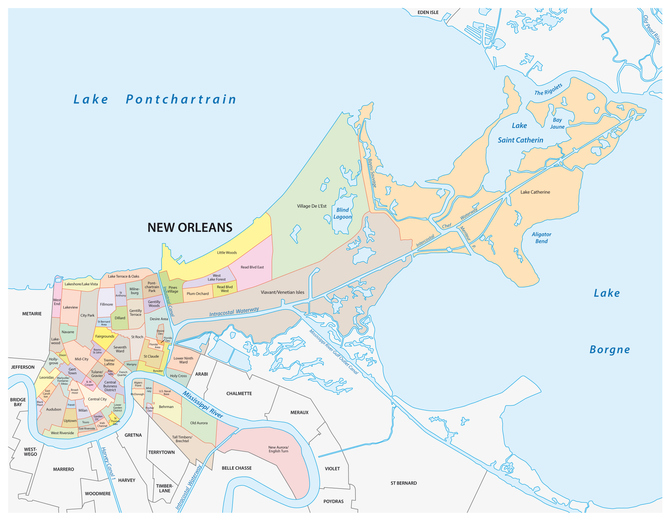
As the city extends outwards, its zip codes continue to define its expanding character. The 70122 zip code covers areas like Gentilly and parts of Lakeview. Gentilly is a diverse residential area with a mix of architectural styles and a strong community fabric. Lakeview, situated along the shores of Lake Pontchartrain, offers recreational opportunities and a more suburban feel within the city limits.
Further out, zip codes such as 70124 (Metairie, a large suburban area technically in Jefferson Parish but often considered part of the greater New Orleans region) and 70126 (New Orleans East) represent the broader metropolitan expanse. While these areas are more residential and commercial, they contribute to the overall economic and social landscape of the region. New Orleans East, in particular, is known for its large parklands and a growing community spirit.
For those planning a visit, understanding the zip codes can be a practical tool for accommodation choices. If a visitor desires to be in the heart of the historic district, targeting accommodations within 70116 or 70130 would be ideal. For a quieter, more residential experience with grand architecture, 70115 would be the focus. And for those seeking a local, less tourist-centric culinary and cultural immersion, exploring neighborhoods within 70118 or 70119 would be a rewarding endeavor.
In essence, the zip codes of New Orleans act as a subtle cartography of its soul. While the city’s vibrant spirit transcends any single postal boundary, these numerical identifiers offer a framework for exploration, discovery, and a deeper appreciation of the diverse tapestry that makes New Orleans one of America’s most unique and captivating cities. Whether you are seeking the pulse of live jazz, the quiet grandeur of historic homes, or the authentic flavors of Creole cuisine, understanding these postal divisions can enhance your journey through the Crescent City.
LifeOutOfTheBox is a participant in the Amazon Services LLC Associates Program, an affiliate advertising program designed to provide a means for sites to earn advertising fees by advertising and linking to Amazon.com. Amazon, the Amazon logo, AmazonSupply, and the AmazonSupply logo are trademarks of Amazon.com, Inc. or its affiliates. As an Amazon Associate we earn affiliate commissions from qualifying purchases.