
New Orleans, a city steeped in history, vibrant culture, and a unique culinary scene, is renowned for its distinctive climate. The weather in New Orleans plays a significant role in shaping its atmosphere, influencing everything from street life and outdoor festivals to the very architecture of its historic neighborhoods. Understanding the nuances of its meteorological patterns is crucial for any visitor planning a trip to the Crescent City, ensuring they can best enjoy its many offerings.
The city’s location on the Mississippi River, near the Gulf of Mexico, dictates a humid subtropical climate, characterized by hot, sticky summers and mild, often wet, winters. This geographical positioning also makes New Orleans susceptible to tropical weather systems.
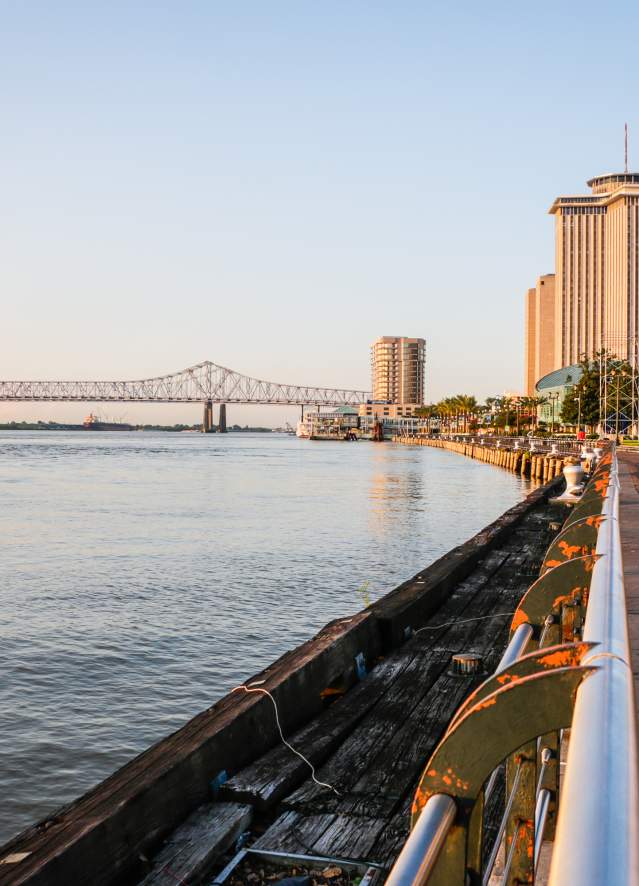
Understanding New Orleans’ Climate Profile
The climate of New Orleans can be broadly categorized into distinct seasons, each with its own set of characteristics and implications for visitors.
Summer (June – August)
Summers in New Orleans are notoriously hot and humid. Temperatures frequently soar into the 90s Fahrenheit (around 32-37°C), with high humidity levels making it feel even hotter. The air is thick and often heavy, with afternoon thunderstorms being a common occurrence. These storms can bring intense downpours, sometimes leading to localized flooding, but they often provide a temporary respite from the heat.
The high heat and humidity mean that outdoor activities during the midday can be challenging. Visitors are advised to stay hydrated, seek shade, and plan strenuous activities for the cooler early morning or late evening hours. Air-conditioned indoor attractions, such as museums like the New Orleans Museum of Art or the historic Cabildo, become particularly appealing during this season. Despite the heat, New Orleans continues to buzz with life, with many of its famed festivals and events taking place.
Autumn (September – November)
As summer heat begins to wane, autumn emerges as one of the most pleasant seasons to visit New Orleans. September can still retain some of the summer’s heat and humidity, but by October and November, the weather typically becomes much more temperate and comfortable. Average temperatures range from the comfortable 70s Fahrenheit (around 21-26°C) in early autumn to the cooler 60s Fahrenheit (around 15-20°C) by late fall.
Humidity levels also decrease significantly, making it ideal for exploring the city’s charming streets, enjoying outdoor dining in the French Quarter, and attending events. This period is a prime time for experiencing the rich tapestry of New Orleans culture without the oppressive heat. Many significant cultural events, including Halloween celebrations and the start of the lead-up to Mardi Gras season, occur during the fall.
Winter (December – February)
Winters in New Orleans are generally mild, though they can be unpredictable. Temperatures typically hover in the 50s and 60s Fahrenheit (around 10-20°C), with occasional dips into the 40s Fahrenheit (around 4-9°C), especially at night. Freezing temperatures are rare but not unheard of.
While often sunny and pleasant, winter is also the wettest season in New Orleans. Frequent rain showers are common, and the city can experience overcast skies. However, these showers are often intermittent, allowing for periods of sunshine. The mild temperatures make it an excellent time for sightseeing, particularly for those who prefer to avoid extreme heat. This is also the season for the iconic Mardi Gras celebrations, which typically culminate in February, drawing massive crowds to the city.
Spring (March – May)
Spring in New Orleans is characterized by a gradual warming trend and a return of humidity, though generally less intense than in the summer. Temperatures in March and April are typically in the 70s Fahrenheit (around 21-26°C), making for very pleasant outdoor conditions. May sees a significant increase in heat and humidity as summer approaches, with temperatures often reaching the 80s Fahrenheit (around 27-32°C).
The spring months are a fantastic time to visit, with blooming flowers adding to the city’s beauty and numerous outdoor festivals and events taking place. The Jazz & Heritage Festival, a major highlight, usually occurs in late April and early May. Rainfall can still be present, but it tends to be less persistent than in winter. The blend of pleasant temperatures and a vibrant cultural calendar makes spring a highly sought-after time for travel to New Orleans.
Impact of Weather on Daily Life and Activities
The prevailing weather conditions in New Orleans have a profound and visible impact on how residents and visitors experience the city.
Outdoor Living and Festivals
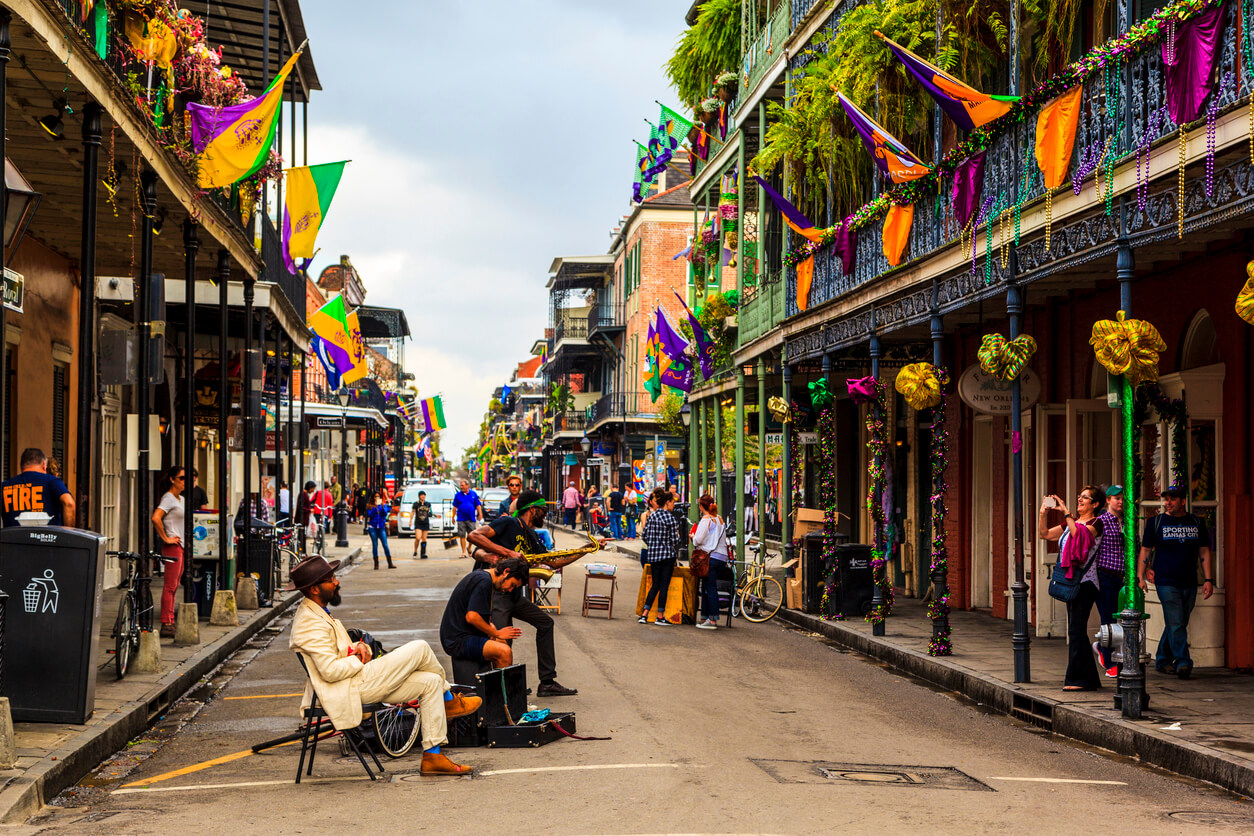
New Orleans is a city that thrives outdoors. Its warm climate encourages a lifestyle centered around street life, outdoor dining, and public gatherings. When the weather is pleasant, particularly in spring and autumn, streets like those in the French Quarter or along Frenchmen Street are alive with music, street performers, and bustling crowds.
Major festivals and events, such as Mardi Gras, the New Orleans Jazz & Heritage Festival, and numerous smaller neighborhood celebrations, are scheduled to take advantage of the most favorable weather windows. The city’s famed patios and balconies are in constant use when the heat and humidity are manageable. Conversely, during the peak of summer, the pace often shifts indoors during the hottest parts of the day, with evening strolls and rooftop bar visits becoming more popular.
Architecture and Infrastructure
The climate has also shaped the unique architectural style of New Orleans. Homes in the historic districts, such as the Garden District, often feature high ceilings, large windows, and wide verandas or balconies designed to catch any available breeze and provide shade from the intense sun. Shutters are a common feature, serving to protect interiors from both the sun and driving rain.
The city’s infrastructure is also adapted to its weather patterns. Drainage systems are engineered to cope with heavy rainfall, though intense storms can still overwhelm them. The prevalence of wood in older buildings means that humidity and occasional extreme weather require ongoing maintenance.
Tropical Weather Considerations
A critical aspect of New Orleans weather is its vulnerability to tropical cyclones, commonly known as hurricanes. The city’s coastal location makes it a target for these powerful storms that form in the Atlantic Ocean and Gulf of Mexico during hurricane season, which officially runs from June 1st to November 30th.
Hurricane Season Preparedness
The peak of hurricane season is typically from August through October, when ocean waters are warmest, fueling storm development. While a direct hit from a major hurricane is infrequent, the threat is a persistent reality for New Orleans. The city has experienced devastating impacts from hurricanes such as Katrina in 2005 and Ida in 2021.
Residents and visitors are strongly advised to stay informed about weather forecasts during hurricane season. Emergency preparedness plans, including evacuation routes and procedures, are vital. Many hotels and accommodations in New Orleans have specific policies and procedures in place for guests during hurricane threats. Travelers should always check weather advisories and heed official instructions if a storm is approaching.
Preparing for Rain
Beyond hurricanes, the frequent and sometimes heavy rainfall is a daily consideration. Visitors should always pack an umbrella or a light raincoat, regardless of the season, and wear waterproof footwear. The city’s unique charm, with its gas lamps and historic architecture, can be equally enchanting under a soft rain shower, but being prepared ensures comfort.
Packing and Travel Tips Based on Weather
To fully enjoy a trip to New Orleans, understanding its weather patterns is key to packing appropriately and planning activities.
Seasonal Packing Essentials
- Summer: Lightweight, breathable clothing (cotton, linen), shorts, t-shirts, sundresses, a wide-brimmed hat, sunglasses, high SPF sunscreen, comfortable walking sandals or shoes, a reusable water bottle, and a small, portable fan.
- Autumn: Layers are recommended. Long-sleeved shirts, light sweaters or jackets, jeans or comfortable pants, and a light raincoat or umbrella. Temperatures can fluctuate, so bringing a mix of warm and cool options is wise.
- Winter: Mild weather attire. Sweaters, long pants, a light to medium-weight jacket, and a scarf. Waterproof shoes are advisable due to potential rain.
- Spring: Similar to autumn, with an emphasis on lighter layers. T-shirts, blouses, skirts or dresses, light jackets or cardigans, and a reliable umbrella. As May approaches, summer-like conditions begin to emerge, so packing for warmer weather is also a good idea.

Activity Planning
- Midday Heat: If traveling in summer, schedule indoor activities or rest breaks during the hottest part of the day. Utilize air-conditioned museums, galleries, and cafes.
- Evening Exploration: Evenings often offer a pleasant reprieve from the heat, making them ideal for enjoying the city’s nightlife, live music venues on Frenchmen Street, and dining experiences.
- Rainy Days: Embrace the opportunity to explore indoor attractions like the Audubon Aquarium of the Americas, the Historic New Orleans Collection, or enjoy a leisurely afternoon at a historic hotel like the Hotel Monteleone with its famous Carousel Bar.
- Hurricane Season: Stay vigilant with weather updates and have flexibility in your travel plans. Consider travel insurance that covers weather-related disruptions.
By understanding and respecting the climate of New Orleans, visitors can better prepare for their journey, ensuring a more comfortable and enjoyable experience in this captivating city. The weather is not merely a backdrop; it is an integral part of the New Orleans narrative, shaping its past, present, and future.
LifeOutOfTheBox is a participant in the Amazon Services LLC Associates Program, an affiliate advertising program designed to provide a means for sites to earn advertising fees by advertising and linking to Amazon.com. Amazon, the Amazon logo, AmazonSupply, and the AmazonSupply logo are trademarks of Amazon.com, Inc. or its affiliates. As an Amazon Associate we earn affiliate commissions from qualifying purchases.