
While the mere suggestion of snow in the Crescent City might conjure images of a whimsical, almost fantastical event, it is a phenomenon that has, in fact, occurred. The question of “When Did It Snow In New Orleans?” delves into a fascinating meteorological quirk and a unique chapter in the city’s otherwise balmy history. Understanding these infrequent snowy episodes offers a different perspective on the resilient spirit of this vibrant locale, highlighting its ability to adapt to the unexpected. These rare occurrences are not just historical footnotes; they are a reminder of the planet’s dynamic climate and the surprising variations that can shape even the most predictable environments.

The Unlikely White Christmas: A Look Back at Historic Snowfall
The idea of a white Christmas in New Orleans is, by and large, a fanciful notion. Situated in the subtropical climate of the Gulf Coast, the city is more accustomed to the sweltering heat of summer and the mild, often humid, winters. Yet, history records instances where this expectation has been delightfully, and sometimes inconveniently, defied.
The Great Snow of 1895: A Defining Event
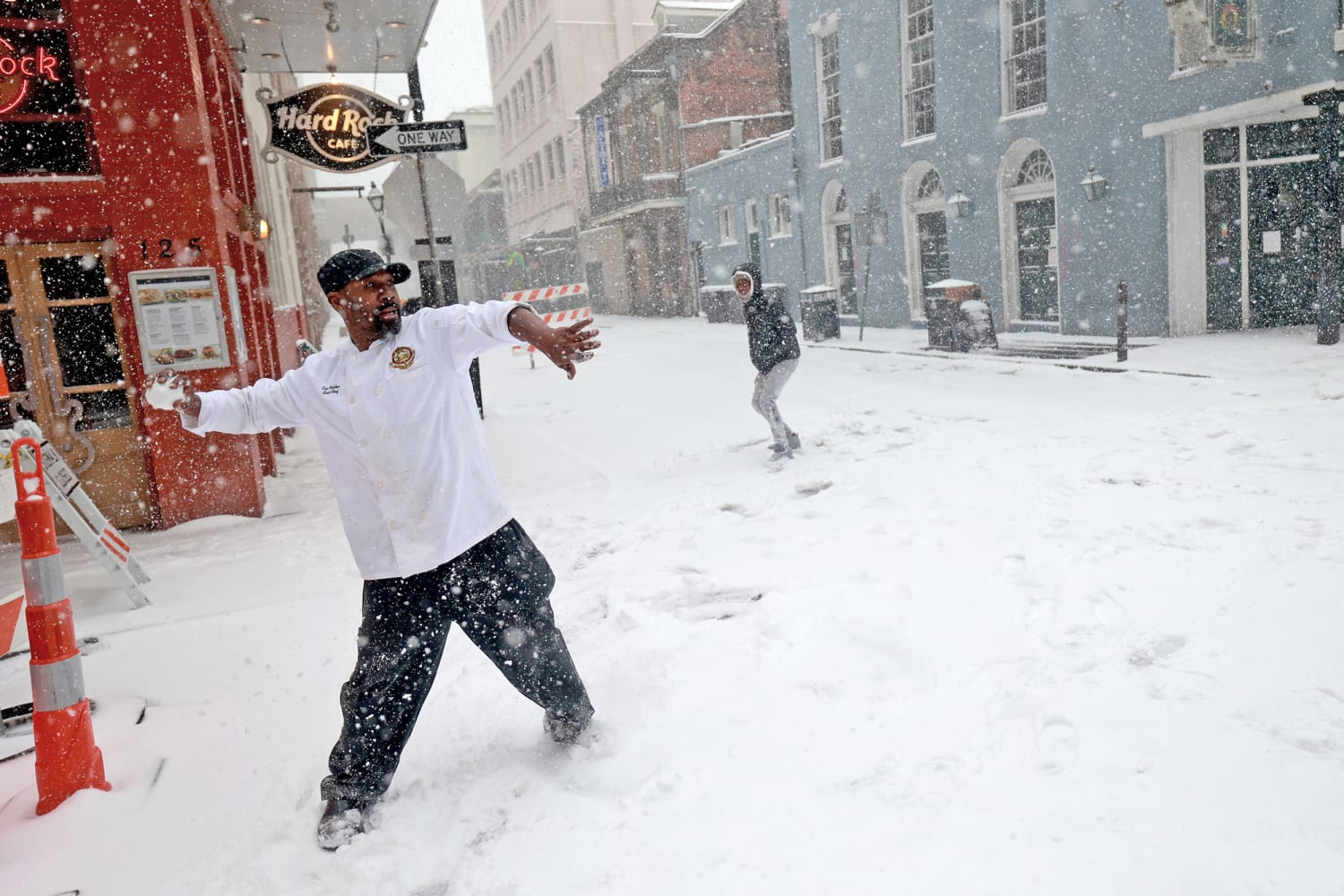
The most significant and widely remembered snowfall in New Orleans history occurred on February 15, 1895. This was not a gentle dusting but a substantial accumulation that brought the city to a standstill. Reports vary, but several inches of snow blanketed the streets, transforming the familiar landscape into something ethereal and alien. For many of the city’s inhabitants, this was their first and possibly only encounter with significant snowfall. The sheer novelty of it sparked widespread astonishment and delight, with many venturing out to experience the rare meteorological event. Children, unburdened by the logistical challenges, reveled in building snow forts and engaging in snowball fights, activities completely foreign to their daily lives. Adults, too, found amusement and wonder in the transformation of their city, capturing photographs and sharing stories that would become legendary.
The impact on daily life was immediate and profound. Transportation, largely reliant on streetcars and horse-drawn carriages at the time, was severely disrupted. Businesses faced closures as employees struggled to navigate the unfamiliar conditions. Yet, alongside the inconvenience, there was a palpable sense of communal joy and shared experience. The unusual weather fostered a unique bond among residents, united in their awe of nature’s unexpected display. This event remains a benchmark for snowfall in the region, a reference point against which all subsequent snowy whispers are measured. It is a date etched in the local meteorological memory, a testament to the fact that even the most predictable climates can hold surprising secrets.
Other Notable Snowy Days
While the 1895 event stands out, it wasn’t the only time New Orleans experienced snow. Other, less substantial, events have punctuated the city’s history:
- January 1962: This period saw a light dusting of snow and sleet across parts of the city. While not as impactful as the 1895 snowfall, it was still enough to cause minor disruptions and generate excitement among residents. It served as a reminder that colder air masses could, on occasion, reach far south enough to bring frozen precipitation.
- December 24, 2004: This “Christmas Eve Snow” was a peculiar event, marked by a very light, almost fleeting, snowfall. It was more of a flurry than a significant accumulation, but it was enough to create a festive, albeit brief, winter wonderland atmosphere. The timing, on Christmas Eve, amplified the magical quality of the event, offering a rare and memorable holiday experience for many families.
- February 17, 2011: Another instance of light snow occurred, primarily affecting areas north and west of the city center. This event caused some traffic delays and school dismissals, showcasing the continued vulnerability of the region to even minor winter weather events.
These occurrences, though less dramatic than the 1895 blizzard, are important in understanding the meteorological patterns that can affect New Orleans. They illustrate that while snow is an anomaly, it is not an impossibility, and each event adds another layer to the city’s diverse climatic narrative.
The Science Behind the Snow: Meteorological Conditions Favoring New Orleans Snowfall
For New Orleans to experience snow, a very specific and rare alignment of meteorological conditions must occur. It’s not merely a matter of cold temperatures; the entire atmospheric profile needs to be conducive to frozen precipitation reaching the ground.
The Perfect Storm of Cold and Moisture
The fundamental requirement for snow is a sufficiently cold atmosphere from the cloud tops all the way to the ground. In New Orleans, this typically involves the interaction of two key elements:
- Arctic Air Mass: A strong surge of cold, dry air must descend from the north, pushing the warm, moist air of the Gulf Coast out of the way. These arctic outbreaks are more common in the winter months and can bring temperatures unseasonably low.
- Moisture Source: Simultaneously, there needs to be a source of moisture in the atmosphere that can interact with the cold air. This moisture often comes from a low-pressure system, a departing weather front, or even moisture evaporating from the Gulf of Mexico itself.
When these two elements converge, and the temperature profile of the atmosphere is below freezing from at least 10,000 feet up to the surface, snow can form. Even if the surface temperature is slightly above freezing (e.g., 33-35°F or 1-2°C), snowflakes can still reach the ground intact, especially if they are large and fall from a significant height. However, if the surface temperature is much above freezing, the snowflakes will melt before they reach the ground, resulting in rain or sleet.
The Role of the Gulf of Mexico
The proximity to the Gulf of Mexico plays a dual role. On one hand, the warm waters of the Gulf are a significant source of moisture, contributing to the frequent rainfall that New Orleans experiences. This moisture is essential for the formation of precipitation, including snow. On the other hand, the Gulf’s warmth acts as a natural buffer, typically keeping winter temperatures mild and making sustained freezing conditions less likely for extended periods. For snow to fall, the cold air mass must be sufficiently intense and persistent to overcome the moderating influence of the Gulf. This is why snow events in New Orleans are typically short-lived, often occurring during the passage of a potent cold front.
Adapting to the Unexpected: New Orleans’ Response to Snow
The rarity of snowfall in New Orleans means that the city and its residents are often unprepared for its arrival. Unlike regions accustomed to regular winter weather, infrastructure and public preparedness are not typically geared towards snow removal or managing icy conditions.
Infrastructure Challenges
When snow does fall, the impact on New Orleans infrastructure can be significant.
- Roads and Transportation: Streets designed for rain and humidity can become treacherous with even a thin layer of snow or ice. Drainage systems, while efficient for water, are not equipped for frozen precipitation. Traffic quickly grinds to a halt as drivers, unaccustomed to navigating slippery conditions, struggle. Public transportation, including the iconic New Orleans streetcars, can face severe disruptions or complete shutdowns.
- Utilities: While less common, extreme cold spells associated with snow events can sometimes stress the electrical grid as heating demands rise. Older infrastructure might be more susceptible to minor damage from freezing temperatures.
The city’s emergency services and public works departments, while experienced in hurricane preparedness, have a different set of challenges when it comes to winter weather. Snow removal equipment is minimal compared to northern cities, and salting operations are infrequent. The focus is usually on treating major arteries and ensuring critical services can operate.

The Cultural Embrace of Rarity
Despite the logistical challenges, the arrival of snow in New Orleans is often met with a unique cultural embrace. The novelty of the event tends to overshadow the inconvenience for many.
- Community Spirit: Snowy days often foster a sense of shared experience and community. Neighbors might help each other, and impromptu gatherings can occur as people venture out to witness the spectacle. The city’s resilient spirit shines through as residents find joy and wonder in the unexpected.
- Photography and Social Media: Snowy days in New Orleans are prime opportunities for photographers and social media enthusiasts. Images of palm trees dusted with white or iconic landmarks like the French Quarter under a blanket of snow become cherished memories and widely shared content.
- Culinary Traditions: While not a direct response to snow, the desire for warmth and comfort food can see a surge in popularity for hearty Louisiana dishes. The cozy atmosphere of a restaurant or home becomes even more appealing when the weather outside is unseasonably cold and white.
Ultimately, when it snows in New Orleans, it’s more than just a meteorological event; it’s a cultural happening. It’s a chance for residents to pause, marvel, and create lasting memories from a rare encounter with winter’s delicate touch in a city that thrives under the sun. The question “When Did It Snow In New Orleans?” is answered not just with dates, but with stories of surprise, adaptation, and the enduring charm of a city that can surprise even nature itself.
LifeOutOfTheBox is a participant in the Amazon Services LLC Associates Program, an affiliate advertising program designed to provide a means for sites to earn advertising fees by advertising and linking to Amazon.com. Amazon, the Amazon logo, AmazonSupply, and the AmazonSupply logo are trademarks of Amazon.com, Inc. or its affiliates. As an Amazon Associate we earn affiliate commissions from qualifying purchases.