
Mardi Gras in New Orleans is an experience that transcends mere celebration; it is a profound immersion into the heart and soul of a city unlike any other. While the entire metropolitan area pulses with an infectious energy leading up to Fat Tuesday, the primary epicenter of this world-renowned carnival is undeniably the historic and vibrant French Quarter. However, understanding the true scope of Mardi Gras requires looking beyond a single location, as its celebrations are woven into the very fabric of Louisiana and manifest in myriad ways across the city and its surrounding parishes.

The French Quarter: A Historic Heartbeat
The French Quarter, with its distinctive architecture, wrought-iron balconies, and gas-lit streets, serves as the traditional and most iconic stage for many of Mardi Gras’ most cherished traditions. It is here that visitors and locals alike flock to witness parades, catch beads, and soak in the exuberant atmosphere.
Bourbon Street and the French Quarter Experience
Bourbon Street is, for many, synonymous with the raw, unadulterated energy of Mardi Gras. While it may be overwhelming for some, it is an essential part of the carnival experience for those seeking high-octane revelry. Here, the streets teem with costumed revelers, marching bands, and impromptu parades. The air is thick with the scent of king cakes, beignets, and the vibrant sounds of jazz music spilling from every doorway. The sheer density of the crowds and the constant flow of activity make it a sensory spectacle. Beyond the famous street, smaller thoroughfares within the French Quarter offer their own unique charms, with local bars and restaurants hosting parties and providing prime viewing spots for the parades.
Jackson Square and St. Charles Avenue Parades
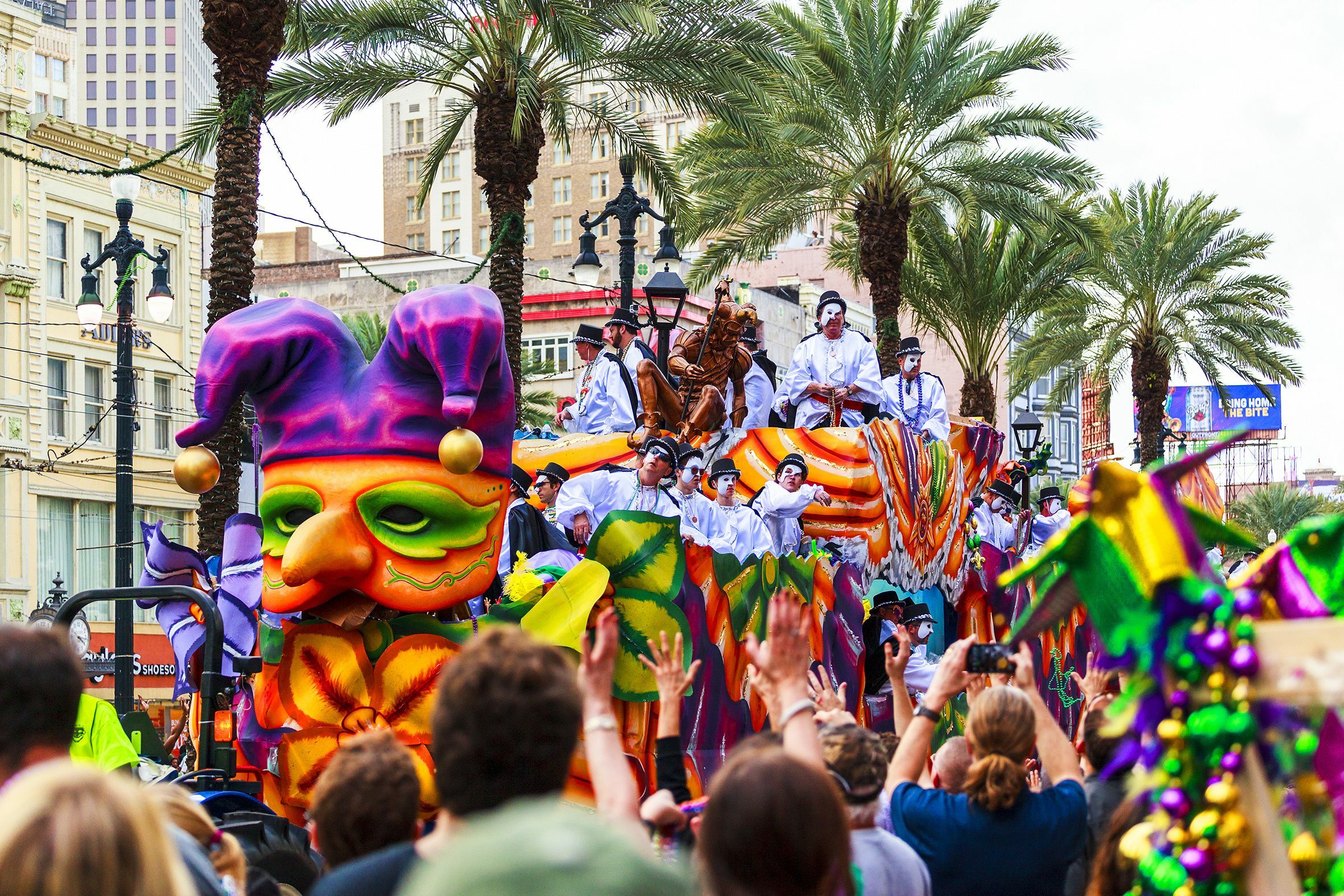
While Bourbon Street offers a more boisterous experience, the parades that traverse the city are the true visual spectacles of Mardi Gras. Many of these grand processions, organized by various krewes, begin their journeys in uptown areas before making their way into the heart of the city. A significant portion of these routes, particularly the iconic St. Charles Avenue streetcar line, becomes a vibrant gallery of floats. This historic avenue, lined with majestic oak trees and antebellum mansions, provides a picturesque backdrop for the elaborate, themed floats, marching bands, and riders tossing the coveted trinkets. The area around Jackson Square, the historic heart of the French Quarter, also sees significant activity, often serving as a focal point for celebrations and a place where smaller, independent parades might emerge.
Beyond the French Quarter: Expanding Mardi Gras Horizons
The magic of Mardi Gras extends far beyond the confines of the French Quarter. Numerous neighborhoods and surrounding areas contribute to the collective carnival spirit, offering diverse experiences for every type of reveler.
Uptown and Mid-City: Parade Routes and Local Flavors
Uptown New Orleans, particularly along St. Charles Avenue, is a prime location for experiencing the grand parades. Residents line the sidewalks with chairs and blankets days in advance, creating a festive community atmosphere. The energy here is palpable, a mix of enthusiastic anticipation and joyful celebration. The Mid-City neighborhood also plays a crucial role, often serving as a staging area for some of the larger parades before they commence their routes. This area offers a more laid-back, yet equally enthusiastic, experience, with local bars and restaurants opening their doors to welcome parade-goers. Exploring these areas provides a deeper understanding of how Mardi Gras is integrated into the daily lives of New Orleanians.
The Marigny and Frenchmen Street: Musical Heartbeat
For those seeking the authentic musical soul of Mardi Gras, the Marigny neighborhood, adjacent to the French Quarter, is the place to be. Frenchmen Street, in particular, is a legendary strip renowned for its live music venues. During Mardi Gras, the street transforms into an open-air stage, with bands playing everything from traditional jazz to funk and brass. The energy is electric, fueled by spontaneous second-line parades and the sheer joy of music. This is where you can truly feel the improvisational spirit that defines New Orleans music and Mardi Gras itself.
The West Bank and Other Parishes: A Different Rhythm
Mardi Gras celebrations are not confined to Orleans Parish. The West Bank, encompassing areas like Gretna and Algiers, hosts its own unique parades and celebrations, often with a distinct local flavor. Similarly, parishes like Jefferson and St. Tammany offer their own parades and festivities, drawing crowds from across the region. These celebrations often provide a more family-friendly and community-oriented experience, showcasing the widespread embrace of Mardi Gras traditions throughout the greater New Orleans area. Exploring these areas offers a broader perspective on the scale and diversity of Mardi Gras.
Planning Your Mardi Gras Experience
Navigating the vibrant chaos of Mardi Gras requires a degree of planning to ensure you make the most of your visit. Understanding where the action is and how to best access it is key.
Parade Schedules and Routes
The most critical aspect of experiencing Mardi Gras parades is consulting the official schedules and routes. Krewes meticulously plan their parades, and these routes can vary slightly from year to year. Websites dedicated to Mardi Gras information, such as MardiGrasNewOrleans.com, provide comprehensive details on parade dates, times, and the exact paths they will take. Familiarizing yourself with these routes will allow you to choose the perfect vantage point, whether you prefer the bustling energy of St. Charles Avenue or a more intimate spot in a neighborhood like the Garden District.
Transportation and Logistics
Getting around New Orleans during Mardi Gras can be challenging due to road closures and immense crowds. The New Orleans Regional Transit Authority (RTA) enhances its services during the carnival season, with streetcars and buses operating on expanded schedules and sometimes rerouted to accommodate parade traffic. Utilizing the streetcar system, especially the St. Charles Avenue line, is a popular and effective way to access many parade routes. For areas not easily reached by public transit, ride-sharing services are available, though surge pricing and demand can be high. Many visitors opt to park their cars in designated areas outside the immediate parade zones and walk or take public transport the rest of the way.
Accommodation Considerations
Securing accommodation well in advance is paramount, as hotels and rental properties across New Orleans fill up months, sometimes even a year, before Mardi Gras. Prices also tend to be at their peak during this period. Consider where you plan to spend most of your time. Staying in or near the French Quarter offers unparalleled access to the heart of the action but can be noisy and crowded. Staying uptown or in surrounding neighborhoods might offer a more relaxed atmosphere while still providing convenient access to parade routes via streetcar or a short taxi ride. Popular areas for visitors include the Central Business District, the Warehouse District, and even neighborhoods like the Irish Channel for a more local immersion.

The Essence of Mardi Gras: More Than Just a Location
Ultimately, the question “Where is Mardi Gras in New Orleans?” doesn’t have a single, definitive answer. While the French Quarter and its immediate surroundings are the undeniable focal points, Mardi Gras is a city-wide, even parish-wide, phenomenon. It is found in the jubilant cheers along St. Charles Avenue, the soulful rhythms of Frenchmen Street, the friendly gatherings in neighborhood parks, and the spontaneous street parties that erupt without warning. Mardi Gras is not confined to a geographical point; it is an immersive, collective spirit that animates every corner of New Orleans during the carnival season, inviting all who seek its unique brand of joyous celebration to partake. From the grand parades of the major krewes to the intimate gatherings in local dive bars, the true location of Mardi Gras is wherever the spirit of revelry and community takes hold.
LifeOutOfTheBox is a participant in the Amazon Services LLC Associates Program, an affiliate advertising program designed to provide a means for sites to earn advertising fees by advertising and linking to Amazon.com. Amazon, the Amazon logo, AmazonSupply, and the AmazonSupply logo are trademarks of Amazon.com, Inc. or its affiliates. As an Amazon Associate we earn affiliate commissions from qualifying purchases.