
The Mercedes-Benz Superdome, an iconic structure synonymous with the spirit of New Orleans, stands as a colossal testament to architectural ambition and a vital hub for the city’s cultural and sporting life. Often referred to simply as the Superdome, this multifaceted arena has been more than just a venue; it’s a landmark, a symbol of resilience, and a significant contributor to the local economy. Understanding its ownership provides insight into its operational management, its role in public life, and its enduring legacy within the Louisiana landscape. While its name might evoke images of exclusive private enterprise, the reality of the Superdome’s ownership is a complex interplay of public trust and private partnership, rooted in its creation as a public asset.

A Public Endeavor: Genesis and Governance
The story of the Superdome’s ownership begins with its conception and construction in the late 1960s and early 1970s. It was envisioned as a grand, multi-purpose facility that would attract major sporting events, conventions, and cultural gatherings, thereby bolstering New Orleans’s economy and its standing as a premier destination. To achieve this ambitious goal, the state of Louisiana established the Louisiana Stadium and Exposition District (LASED) through legislative act. LASED was, and remains, a public entity, tasked with the financing, construction, and operation of the stadium. This public ownership structure underscores the intention from the outset that the Superdome would serve the public interest, acting as a catalyst for growth and a source of civic pride.
The Role of the Louisiana Stadium and Exposition District (LASED)
As the primary owner, LASED holds the ultimate responsibility for the Superdome. This includes ensuring its structural integrity, managing its extensive facilities, and overseeing its financial performance. LASED is governed by a board of commissioners, appointed by the Governor of Louisiana, who represent various stakeholders and the public at large. Their mandate is to act in the best interest of the state and its citizens, balancing the commercial viability of the Superdome with its role as a public venue. This governance model ensures that decisions regarding naming rights, major renovations, tenant agreements, and public access are subject to public scrutiny and oversight, a stark contrast to privately owned arenas. The district’s responsibilities extend beyond the Superdome itself, encompassing the surrounding area and other convention facilities, aiming to create a cohesive entertainment and economic zone.
Public Funding and Investment
The initial construction of the Superdome was financed through a combination of state bonds and local taxes. This public investment in a landmark facility reflects a commitment by the state to provide world-class infrastructure for its citizens and to attract significant economic activity. Over the decades, further public funds have been allocated for major renovations and upgrades, ensuring that the Superdome remains a modern and competitive venue. These investments are not merely about maintaining a building; they represent a continued belief in the Superdome’s value to New Orleans and Louisiana as a whole, generating revenue, creating jobs, and enhancing the city’s global appeal.
Partnerships and Operational Management
While LASED is the ultimate owner, the day-to-day operations and management of the Superdome involve strategic partnerships with private entities. This hybrid model allows the public entity to leverage private sector expertise in areas such as marketing, event booking, concessions, and premium seating, while retaining ultimate control and ensuring that profits are reinvested or benefit the public. These partnerships are crucial for optimizing the Superdome’s performance and maximizing its revenue potential.
The Lease Agreement with the New Orleans Saints
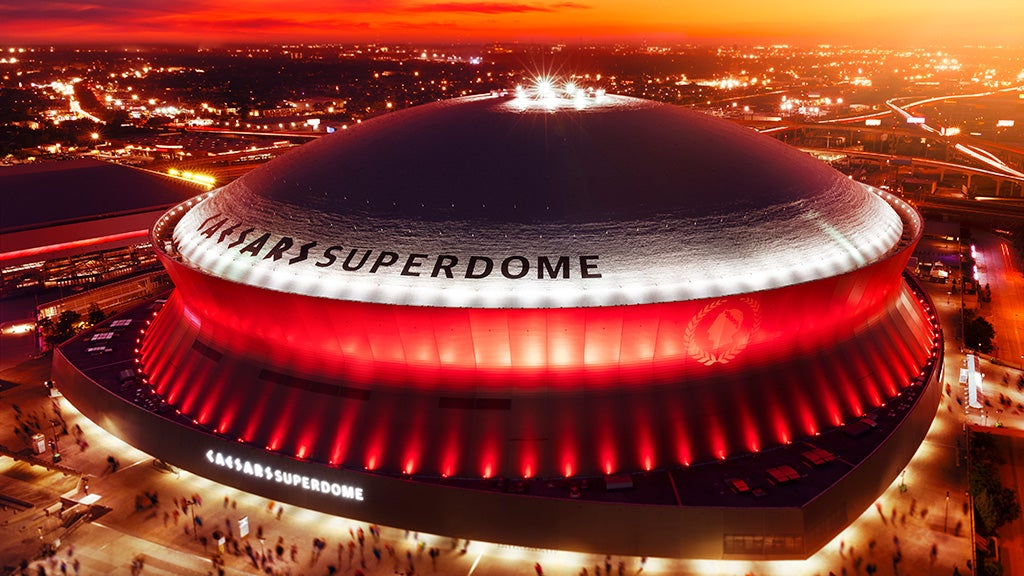
One of the most significant operational relationships is the long-standing lease agreement with the New Orleans Saints, the National Football League (NFL) team that calls the Superdome home. The Saints have played a pivotal role in the Superdome’s identity and success since the stadium’s opening. The terms of the lease define the financial arrangements, operational responsibilities, and the extent to which the team can utilize the venue. These agreements are carefully negotiated to benefit both parties, ensuring the Saints have a state-of-the-art home while LASED secures a consistent anchor tenant that drives significant event traffic and revenue. The Superdome has been more than just a stadium for the Saints; it has been the backdrop for some of their most iconic moments, including their Super Bowl XLIV victory.
Naming Rights and Commercial Ventures
In recent years, the Superdome, like many major sports and entertainment venues, has entered into naming rights agreements with corporations. The current naming rights holder is Mercedes-Benz. This partnership provides a substantial stream of revenue for LASED, contributing to the stadium’s operational budget and funding for improvements. These agreements are carefully structured to align with the public entity’s mission, ensuring that the corporate partner’s brand is associated with a respected public landmark and that the revenue generated serves the broader community. Such commercial ventures are essential for maintaining the financial health of large public venues in a competitive entertainment market.
Event Management and Third-Party Bookings
Beyond the Saints, the Superdome hosts a diverse array of events, including college football games, major concerts by world-renowned artists, NCAA Final Four tournaments, and numerous other entertainment and community gatherings. The management of these varied events often involves collaborations with professional event promotion companies and booking agencies. LASED works with these partners to attract a broad spectrum of programming, ensuring the Superdome remains a vibrant and active venue throughout the year. The success of these bookings directly contributes to the Superdome’s revenue streams and its role as a cultural anchor for New Orleans.
Legacy and Future of Ownership
The ownership structure of the Superdome, rooted in public trust and augmented by private partnerships, has been instrumental in its enduring success. This model has allowed the stadium to be a resilient symbol for New Orleans, particularly in the aftermath of Hurricane Katrina, when it served as a critical shelter and a symbol of the city’s will to rebuild. As the venue continues to evolve, the question of its ownership remains central to its narrative and its service to the community.
Resilience and Reinvestment
Following Hurricane Katrina in 2005, the Superdome sustained significant damage, but its public ownership facilitated a swift and determined effort to rebuild and reopen. The substantial federal and state investment in its renovation underscored its importance as a public asset and a critical component of the city’s recovery. The ongoing reinvestment in the Superdome, through both public funding and revenues generated by its operations and commercial partnerships, ensures its continued relevance and its ability to host cutting-edge events and attract top-tier tenants. This cycle of public commitment and strategic private engagement defines its ongoing legacy.

Evolving Public-Private Dynamics
The trend in large public venues is often towards a sophisticated blend of public oversight and private sector efficiency. The Superdome exemplifies this dynamic. While LASED remains the owner, the operational efficiency and commercial success are significantly enhanced by partnerships with organizations like Mercedes-Benz and the New Orleans Saints. This model is likely to continue, with LASED maintaining its fiduciary responsibility to the public while strategically engaging private entities to maximize the Superdome’s economic and cultural impact on New Orleans and Louisiana for generations to come. The future of the Superdome is intrinsically tied to this balanced approach to ownership and management, ensuring it remains a jewel in the crown of this vibrant city.
LifeOutOfTheBox is a participant in the Amazon Services LLC Associates Program, an affiliate advertising program designed to provide a means for sites to earn advertising fees by advertising and linking to Amazon.com. Amazon, the Amazon logo, AmazonSupply, and the AmazonSupply logo are trademarks of Amazon.com, Inc. or its affiliates. As an Amazon Associate we earn affiliate commissions from qualifying purchases.