
New Orleans, a city steeped in a unique blend of cultures, history, and an undeniable spirit of resilience, presents many fascinating paradoxes to the curious traveler. Among its most striking and visually arresting features are its above-ground cemeteries, a stark departure from the subterranean burials common in most of the United States. This distinctive architectural and funerary practice is not a mere aesthetic choice but a profound consequence of the city’s challenging geography and its deeply rooted historical and cultural influences. Understanding this phenomenon offers a compelling glimpse into the ingenuity and adaptability of the people who have shaped this vibrant metropolis.

The Subterranean Challenge: New Orleans’ Waterlogged Reality
The primary driver behind the city’s unique burial customs is its unique and often problematic geographical setting. Situated on the Mississippi River delta, New Orleans is characterized by its low elevation, often below sea level, and its waterlogged soil. This consistently saturated ground presents significant challenges for traditional in-ground burial.
The Perils of Below-Ground Interments
In an area where the water table is exceptionally high, digging a grave would quickly result in a flooded hole. This situation is not only impractical but also deeply disrespectful in many cultures. The rising water could easily disturb remains, leading to decomposition issues and the potential for bodies to resurface, particularly during periods of heavy rainfall or flooding – a frequent occurrence in a subtropical climate like that of Louisiana. These conditions make traditional interment unfeasible and unsustainable, prompting the need for alternative solutions. The necessity of finding a burial method that respects the deceased and the environment led to innovative architectural solutions that have become synonymous with the city’s identity.
The Mississippi River Delta’s Unyielding Embrace
The Mississippi River delta is a complex and dynamic environment. The soil is composed of fine sediments deposited by the river over millennia, creating a dense, clay-rich, and highly saturated substrate. This makes excavation difficult and prone to collapse, further exacerbating the problems associated with water infiltration. The proximity to bodies of water, including the Mississippi River itself, Lake Pontchartrain, and numerous bayous, means that groundwater levels are consistently high throughout the year. Any burial below the surface would contend with this persistent saturation, making long-term preservation nearly impossible. The very land upon which New Orleans was founded is a constant reminder of the forces of nature that have shaped its development and its unique cultural expressions.
Historical Roots and Cultural Influences
While geography dictated the necessity, history and cultural traditions provided the framework for the elegant solutions seen today. The burial practices of New Orleans are a fascinating amalgam of European traditions and local adaptations, reflecting the diverse populations that have called this city home.
Spanish and French Colonial Legacies
Early European colonists in New Orleans brought with them burial customs from their homelands, which often included above-ground tombs and mausoleums, particularly in areas with similar soil conditions or where land was scarce. The Spanish, who ruled Louisiana for a period, had a strong tradition of elaborate above-ground tombs in their Catholic cemeteries. Similarly, French settlers also employed above-ground interment, especially in instances where land was at a premium or to honor distinguished individuals. These early practices established a precedent for vault burials, which were adapted and refined as the city grew. The architectural styles of these early tombs often mirrored the grand European mausoleums, incorporating classical elements and ornate detailing.
The Influence of Catholicism and Mourning Customs
Catholicism, a dominant religious influence in New Orleans since its founding, places a strong emphasis on the veneration of saints and the eternal resting place of the soul. Above-ground tombs, often designed to be beautiful and enduring, can be seen as a reflection of this reverence, providing a permanent and visible memorial to the deceased. These structures also allow families to regularly visit and commune with their departed loved ones, a practice that is integral to many mourning traditions. The construction of family vaults, designed to hold multiple generations, also speaks to a communal and enduring sense of family lineage and remembrance. This tradition of visible memorials and ancestral connection continues to be a vital part of the city’s cultural fabric.
The African Diaspora and Unique Rituals
The rich tapestry of New Orleans culture is also deeply influenced by the African diaspora, whose descendants brought with them unique spiritual beliefs and burial rituals. While explicit documentation on direct African influence on the form of above-ground tombs can be complex, the cultural emphasis on honoring ancestors and maintaining a connection with the spiritual realm likely resonated with and contributed to the acceptance and development of these visible resting places. The vibrant funeral processions and second-line traditions, which are an integral part of the city’s cultural heritage, highlight the importance of acknowledging and celebrating the lives of the departed, a sentiment that finds a tangible expression in the city’s distinct cemeteries.
The Architecture of Eternity: New Orleans’ Cities of the Dead
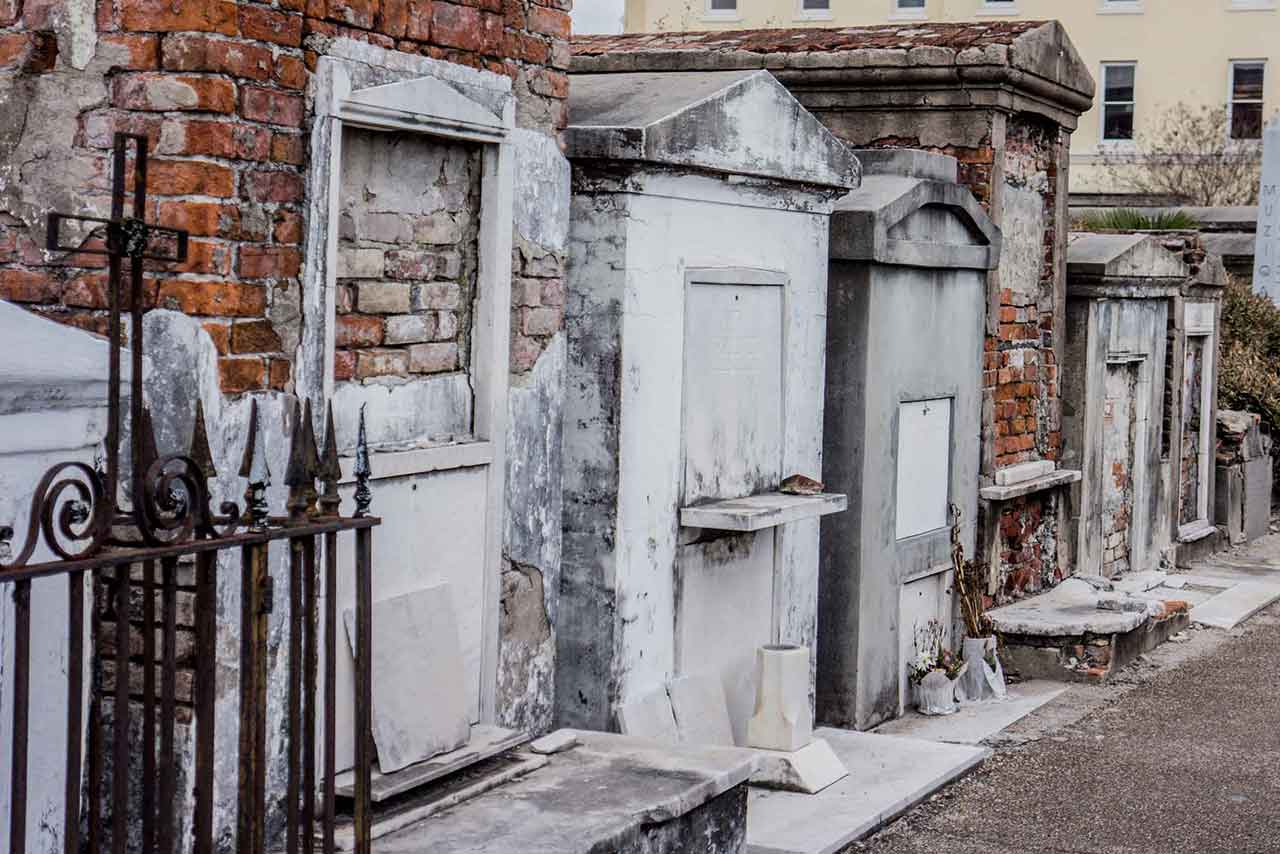
The cemeteries of New Orleans are often referred to as “Cities of the Dead,” and for good reason. They are not merely burial grounds but intricate architectural landscapes, each with its own unique character and history. The design and construction of these above-ground tombs reflect a variety of styles and periods, offering a visual timeline of the city’s evolution.
Types of Above-Ground Burials
The most common form of above-ground burial in New Orleans is the tomb, also known as a vault. These structures are typically made of brick, stucco, or marble and are designed to house one or more coffins.
- Family Vaults: These are often the largest and most elaborate tombs, built to accommodate multiple members of a single family. They can range from modest structures to grand mausoleums, reflecting the family’s wealth and status. Many contain multiple shelves or chambers for individual caskets.
- Catafalques: These are raised platforms, often with a sarcophagus-like structure on top, where coffins are placed. They are typically open-air or partially covered.
- Wall Niches (Columbaria): In some cemeteries, particularly older ones, you can find rows of arched niches built into walls, designed to hold cremated remains or small coffins.
Notable Cemeteries and Their Distinctive Styles
Each of New Orleans’s historic cemeteries possesses its own distinct architectural personality, contributing to the city’s rich visual heritage.
- St. Louis Cemetery No. 1: The oldest and arguably most famous cemetery in New Orleans, St. Louis Cemetery No. 1 is a labyrinth of tombs dating back to the late 18th century. It is home to the tomb of the voodoo queen Marie Laveau, a significant historical figure. The architecture here is a blend of early Spanish and French influences, with many tombs featuring brickwork and simple, elegant designs.
- St. Louis Cemetery No. 2: Established in 1841, this cemetery features a more structured layout than its predecessor and showcases a wider range of architectural styles, including Gothic Revival and Greek Revival elements. It is the final resting place for many prominent figures in Creole history.
- Lafayette Cemetery No. 1: Located in the Garden District, this cemetery is renowned for its stately tombs, many adorned with intricate ironwork and marble. Its proximity to grand antebellum mansions has led to it being a popular filming location and a photographer’s delight.
The design of these tombs often reflects the social standing and aspirations of the families interred within them, transforming the cemeteries into open-air museums of historical architecture and social history.
Preservation and Modernity: Protecting a Unique Heritage
The preservation of these unique cemeteries is a critical endeavor, facing challenges from the very elements that necessitated their construction in the first place. Natural decay, environmental factors, and the passage of time all pose threats to these historic structures.
Challenges to Preservation
The humid and subtropical climate of New Orleans contributes to the weathering and deterioration of building materials. Heavy rains can infiltrate tombs, and the constant moisture can encourage mold and mildew growth. Root systems from nearby trees can also exert pressure on the brickwork, leading to cracks and structural instability. Furthermore, the sheer age of many of these structures means that ongoing maintenance and restoration are essential to prevent their collapse. Vandalism and unauthorized entry can also cause damage to tombs and the remains within them.

Ongoing Efforts and Visitor Etiquette
Numerous organizations, including the Friends of St. Louis Cemetery No. 1 and the Save Our Cemeteries initiative, are dedicated to the preservation and restoration of these historic burial grounds. These groups work tirelessly to fund repairs, educate the public, and advocate for protective measures. For visitors, respecting these sacred spaces is paramount. This involves staying on designated paths, refraining from touching tombs or disturbing any markings, and never removing anything from the cemetery. Many cemeteries now require guided tours for access, which not only helps with preservation but also provides invaluable historical context and ensures visitor safety. Engaging with the history and the unique beauty of these “Cities of the Dead” with reverence and respect allows for a deeper appreciation of the remarkable legacy of New Orleans.
LifeOutOfTheBox is a participant in the Amazon Services LLC Associates Program, an affiliate advertising program designed to provide a means for sites to earn advertising fees by advertising and linking to Amazon.com. Amazon, the Amazon logo, AmazonSupply, and the AmazonSupply logo are trademarks of Amazon.com, Inc. or its affiliates. As an Amazon Associate we earn affiliate commissions from qualifying purchases.