
The crescent city, a jewel of the American South, has long captivated travelers with its unique blend of French, Spanish, and African influences, its vibrant music scene, and its unparalleled culinary heritage. However, beneath the surface of its festive allure lies a precarious relationship with the very waters that define it. New Orleans, a city built on reclaimed land and cradled by the Mississippi River and Lake Pontchartrain, faces an existential threat from rising sea levels and increasingly severe weather events. For the discerning traveler, understanding this challenge is not just an academic exercise; it’s crucial for appreciating the city’s resilience, its ongoing adaptation, and the future of its irreplaceable cultural landscape.
The Geography of Vulnerability
New Orleans owes its existence to its unique geographical setting, a double-edged sword that has shaped its history and continues to dictate its future. The city is situated in a low-lying delta region, much of which is below sea level. This delicate balance is maintained by a complex system of natural and man-made defenses, including barrier islands, coastal marshes, and an extensive levee system.
The Delta’s Embrace
The Mississippi River Delta is a dynamic environment, constantly being reshaped by sediment deposition and erosion. For centuries, this process has allowed for the creation and maintenance of land. However, human intervention, such as the construction of levees to control the river and prevent natural flooding, has disrupted this sediment flow, leading to land subsidence and coastal erosion. Without the regular replenishment of sediment, the delta is effectively shrinking, making the coastal areas more vulnerable to the encroaching sea.
Rising Tides and Storm Surges
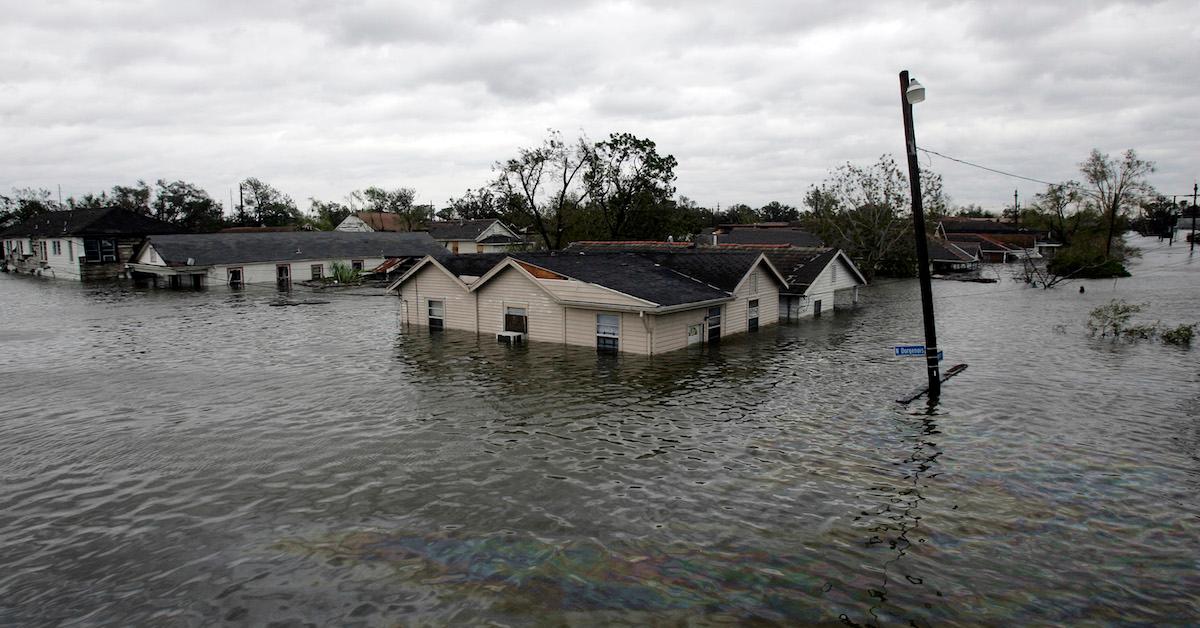
The specter of climate change looms large over New Orleans. Global sea levels are rising, and the Gulf Coast is particularly susceptible due to land subsidence. This means that even a modest rise in sea level can have significant impacts on low-lying areas. Furthermore, the frequency and intensity of hurricanes in the Gulf of Mexico are projected to increase. These storms bring devastating storm surges, which can overwhelm protective barriers and inundate vast stretches of the city. The experience of Hurricane Katrina in 2005 serves as a stark reminder of the catastrophic consequences when these defenses fail.
Adapting to the Inevitable
The threat of inundation has spurred significant efforts to protect New Orleans and adapt its infrastructure. These initiatives range from massive engineering projects to innovative community-based solutions, all aimed at ensuring the city’s survival and its continued appeal as a tourist destination.
The Greater New Orleans Hurricane & Storm Damage Risk Reduction System
Following the devastation of Hurricane Katrina, an unprecedented effort was undertaken to bolster the city’s defenses. The Greater New Orleans Hurricane & Storm Damage Risk Reduction System (HSDRRS) involved the construction and nâng cấp of thousands of miles of levees, floodwalls, and storm surge barriers. This multi-billion dollar project has significantly improved the city’s resilience to storm surges, providing a crucial layer of protection for its residents and its vital tourism industry. While these systems are designed to withstand major storms, the ongoing threat of rising sea levels and increasingly powerful hurricanes means that continuous monitoring, maintenance, and adaptation are essential.
Coastal Restoration and Living Shorelines
Beyond hard infrastructure, there is a growing recognition of the importance of natural solutions. Coastal restoration projects, including the rebuilding of barrier islands and the planting of marsh grasses, are crucial for absorbing storm energy and providing natural buffers against the sea. These “living shorelines” are not only environmentally beneficial but also contribute to the aesthetic appeal of the region, offering new opportunities for eco-tourism and a deeper connection with the natural environment that surrounds New Orleans. Travelers interested in conservation can explore initiatives focused on coastal wetland restoration and learn about the ecological significance of the region.
Urban Planning and Flood Mitigation
Within the city itself, urban planning is increasingly focused on mitigating flood risks. This includes improving drainage systems, promoting green infrastructure like permeable pavements and rain gardens, and establishing stricter building codes for new construction in flood-prone areas. Some neighborhoods are also exploring managed retreat, a difficult but sometimes necessary strategy for relocating communities from the most vulnerable zones. For visitors, these adaptations might translate into more resilient infrastructure and a greater emphasis on sustainable tourism practices.
Experiencing New Orleans: Resilience and Renewal
The question of whether New Orleans will be underwater is complex, touching upon environmental, engineering, and societal challenges. However, for the traveler, the answer is less about a definitive future and more about the city’s remarkable ability to adapt, persevere, and continue to offer its unique magic. The ongoing efforts to protect New Orleans are a testament to its spirit and its commitment to preserving its rich cultural heritage.
Embracing the Culture, Supporting the Future
Visiting New Orleans today means engaging with a city that is actively confronting its vulnerabilities. The vibrant energy of the French Quarter, the soulful sounds of jazz drifting from Frenchmen Street, and the exquisite flavors of Creole cuisine are all part of a living, breathing culture that is fiercely protected by its inhabitants. By choosing to travel to New Orleans, visitors directly contribute to the city’s economy, supporting the businesses and communities that are at the forefront of its resilience efforts.
Sustainable Tourism and Conscious Exploration
Responsible tourism practices are becoming increasingly important in vulnerable destinations like New Orleans. Travelers can make conscious choices to minimize their environmental impact. This might include opting for eco-friendly accommodations, supporting local businesses that prioritize sustainability, participating in responsible wildlife tours that focus on conservation, and learning about the ongoing efforts to protect the region’s fragile ecosystem. Understanding the challenges the city faces can lead to a more profound and appreciative travel experience, connecting visitors not just with its iconic attractions but also with its enduring spirit.

A City That Endures
While the long-term future of any coastal city is subject to the uncertainties of climate change, New Orleans is not passively awaiting its fate. It is a city of innovation, resilience, and unwavering spirit. The intrepid traveler will find that the threat of rising waters has not diminished the allure of the Big Easy; rather, it has added a layer of profound significance to its existence, a reminder of the preciousness of its culture and the determination of its people to preserve it for generations to come. The question of whether New Orleans will be underwater is a sober one, but the spirit of the city, much like the mighty Mississippi, continues to flow with indomitable strength.
LifeOutOfTheBox is a participant in the Amazon Services LLC Associates Program, an affiliate advertising program designed to provide a means for sites to earn advertising fees by advertising and linking to Amazon.com. Amazon, the Amazon logo, AmazonSupply, and the AmazonSupply logo are trademarks of Amazon.com, Inc. or its affiliates. As an Amazon Associate we earn affiliate commissions from qualifying purchases.