
The very question, “Are there houses in [New York City]?” might initially evoke a chuckle or a dismissive nod. After all, when one conjures images of [New York City], the mind often floods with towering skyscrapers, bustling [Manhattan] avenues, and the iconic urban tapestry of apartment buildings. It’s a city defined by its density, its verticality, and its seemingly endless collection of residential towers. However, to assume that “houses” in the traditional, single-family dwelling sense are absent from this concrete jungle would be a profound oversimplification. The reality is far more nuanced and, frankly, far more fascinating.
The Rich Tapestry of Housing Beyond Skyscrapers
While the iconic skyline of [New York City] is dominated by apartment buildings and co-ops, the existence of houses is a testament to the city’s layered history and its varied geography. These homes are not merely an afterthought; they represent distinct neighborhoods with unique identities, offering a different pace of life and a more intimate connection to the city’s fabric.
Brownstones and Townhouses: An Emblem of Historic Charm
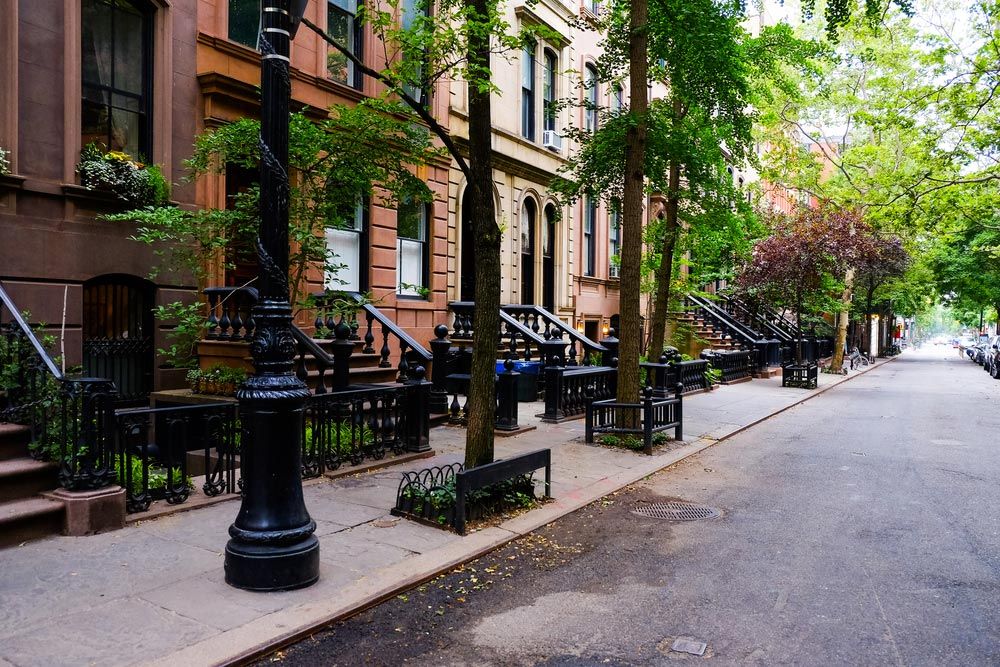
Perhaps the most recognizable form of “house” in [New York City] outside of the purely apartment-based living is the brownstone or townhouse. These architectural gems are scattered throughout many of [New York City]’s most desirable neighborhoods, particularly in [Brooklyn] and parts of [Manhattan] like the [Upper West Side] and [Upper East Side]. Built primarily in the 19th and early 20th centuries, these multi-story residences, often constructed with characteristic reddish-brown sandstone, offer a quintessential [New York City] living experience.
- Architectural Significance: The design of these homes often features ornate facades, bay windows, stoops (the iconic front steps), and high ceilings. They exude a sense of grandeur and history, transporting residents to a bygone era of urban elegance. Neighborhoods like [Park Slope] in [Brooklyn] are virtually defined by their rows of impeccably preserved brownstones.
- Varied Configurations: While many townhouses are designed as single-family residences, it’s also common to find them converted into multi-family dwellings, with separate apartments on each floor. This configuration allows for a blend of privacy and community, often appealing to families or individuals seeking a more personalized living space.
- Lifestyle Appeal: Living in a townhouse offers a unique blend of urban convenience and the feeling of owning a distinct piece of property. It often provides more space than a typical apartment, including private outdoor areas like small gardens or rooftop terraces. This appeals to those seeking a more expansive lifestyle without sacrificing access to the city’s vibrant cultural and economic centers.
Single-Family Homes: A Suburban Enclave within the City
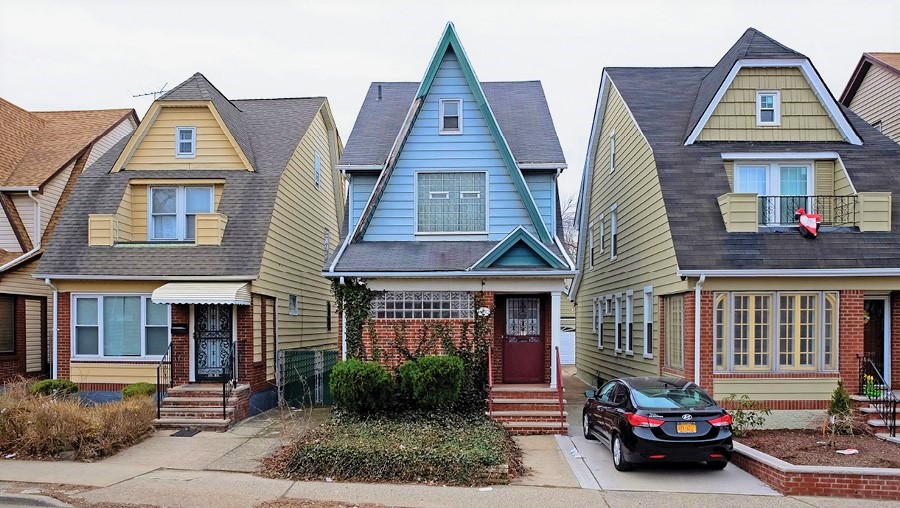
Beyond the stoop-lined streets of the brownstone districts, [New York City] also boasts genuine single-family homes, particularly in its outer boroughs. These homes offer a more traditional suburban feel, complete with yards, garages, and a greater sense of individual property ownership.
- [Queens]: A Hub of Single-Family Dwellings: [Queens] is arguably the borough with the largest concentration of single-family homes. Neighborhoods like [Forest Hills], [Bayside], [Douglaston], and parts of [Jamaica] feature tree-lined streets with a variety of architectural styles, from charming bungalows to more substantial colonial and contemporary homes. These areas often appeal to families seeking more space and a quieter environment while still benefiting from the city’s amenities.
- [Staten Island]: The “Borough of Homes”: [Staten Island] is often colloquially referred to as the “Borough of Homes” due to its predominantly single-family housing stock. Large swaths of [Staten Island] are characterized by suburban developments, offering a more relaxed pace of life. The accessibility to parks and green spaces, combined with a strong sense of community, makes it an attractive option for those looking for a more traditional homeownership experience within [New York City].
- [The Bronx] and [Brooklyn]’s Hidden Gems: While [Manhattan] has very few true single-family homes, pockets of them exist in [The Bronx], particularly in areas like [Riverdale], and in certain neighborhoods of [Brooklyn], such as [Dyker Heights], known for its elaborate holiday light displays. These areas often represent a more established residential character, often with a longer history of development.
Beyond the Traditional: Unique Housing Possibilities
The concept of a “house” in [New York City] can also extend to more unconventional, yet equally desirable, living arrangements that diverge from the standard apartment building model.
- Lofts and Converted Industrial Spaces: Once the domain of artists and bohemians, loft apartments, often found in converted industrial buildings in neighborhoods like [SoHo] and parts of [Brooklyn], offer expansive, open-plan living spaces that can feel akin to a private dwelling. While technically apartments within larger buildings, their unique layout and often large square footage provide a distinct sense of personal space that can rival that of a traditional house.
- Cooperative and Condominium Ownership: While many co-ops and condos are located within large apartment buildings, the ownership structure itself can offer a different level of control and personalization that might appeal to those accustomed to house ownership. Some smaller co-op or condo buildings might even resemble converted single-family homes, offering a hybrid experience.
- New Construction and Modern Designs: While much of [New York City]’s housing stock is historic, there is also ongoing development of modern, architecturally significant homes, particularly in waterfront areas or in neighborhoods undergoing revitalization. These contemporary designs often push the boundaries of urban living, offering sleek lines, sustainable features, and innovative use of space that can feel both luxurious and intensely personal.
The Lure of House Living in [New York City]
Why would someone choose to seek out a house in a city renowned for its vertical living? The reasons are as varied as the city itself, often stemming from a desire for more space, a connection to a specific neighborhood character, or a particular lifestyle preference.
Space and Privacy: A Premium Commodity

In a city where personal space is often a luxury, a house offers a tangible advantage. This can manifest in several ways:
- More Square Footage: Houses, especially single-family homes and larger townhouses, generally offer more interior space than a typical [New York City] apartment. This extra room is invaluable for families, individuals with extensive collections, or those who simply crave more breathing room.
- Private Outdoor Space: A backyard, a garden, a private patio, or even a substantial rooftop deck is a rare and highly coveted amenity in [New York City]. Houses are the primary vehicles for providing these essential outdoor sanctuaries, offering residents a place to relax, entertain, or cultivate greenery away from the urban hustle.
- Reduced Noise and Increased Privacy: While no [New York City] dwelling is entirely insulated from ambient noise, houses, particularly those on quieter residential streets in the outer boroughs, often offer a more peaceful living environment with greater separation from neighbors compared to apartment living.
Neighborhood Character and Community Roots
The search for a house in [New York City] is often intertwined with a desire to immerse oneself in the unique character of specific neighborhoods. These areas often possess a distinct identity shaped by their history, architecture, and the people who call them home.
- Established Residential Areas: Neighborhoods like [Forest Hills] in [Queens] or [Park Slope] in [Brooklyn] are known for their tree-lined streets, local shops, and a strong sense of community. Living in a house here means becoming part of a long-established residential fabric.
- Family-Friendly Environments: Many areas with a prevalence of houses are particularly attractive to families. They often boast excellent schools, accessible parks and playgrounds, and a more laid-back atmosphere that can feel more conducive to raising children.
- Sense of Ownership and Investment: For many, owning a house represents a significant investment and a deeper sense of permanence and connection to the city. It allows for greater freedom in terms of customization and landscaping, fostering a sense of pride and ownership that goes beyond renting an apartment.
A Lifestyle Choice Beyond the Condo
The decision to live in a house within [New York City] is often a conscious lifestyle choice. It represents a desire for a different kind of urban experience, one that balances the excitement and convenience of city living with the comforts and familiarity of a more traditional home.
- Car Ownership and Access: While [New York City] is famously walkable and has an excellent public transportation system, owning a house, particularly in the outer boroughs, often makes car ownership more practical, providing access to garages or driveways. This can facilitate day trips, weekend getaways, or simply make running errands more convenient.
- Gardening and Outdoor Hobbies: For those with a passion for gardening or outdoor pursuits, a house with a yard offers the perfect opportunity to indulge these interests.
- Entertaining and Hosting: The additional space and private outdoor areas often found in houses make them ideal for hosting gatherings, barbecues, or simply enjoying quiet evenings outdoors.
Navigating the [New York City] House Market
Finding a house in [New York City] is not without its challenges. The market is competitive, prices can be high, and the definition of “house” can vary. However, with a clear understanding of the options and a strategic approach, securing a house in this dynamic city is entirely achievable.
Understanding the Boroughs
As previously mentioned, each borough offers a different landscape for house hunters:
- [Manhattan]: Extremely rare and highly expensive, single-family homes are primarily found in very specific, often historic, enclaves or as part of luxury developments. Townhouses are more common but still command premium prices.
- [Brooklyn]: A strong market for brownstones, townhouses, and some single-family homes, particularly in neighborhoods like [Park Slope], [Cobble Hill], [Brooklyn Heights], and further out in areas like [Bay Ridge] and [Bensonhurst].
- [Queens]: Offers the most extensive selection of single-family homes in diverse architectural styles and price points, especially in neighborhoods like [Forest Hills], [Bayside], [Howard Beach], and [Ozone Park].
- [The Bronx]: Features residential neighborhoods with single-family homes and some historic townhouses, particularly in areas like [Riverdale] and [Woodlawn].
- [Staten Island]: The most suburban of the boroughs, offering a wide range of single-family homes, from modest ranches to larger estates, with a more affordable price point compared to other boroughs.
The Real Estate Landscape
The process of finding a house in [New York City] mirrors that of other urban markets but with its own unique nuances:
- Working with Agents: Experienced [New York City] real estate agents who specialize in specific boroughs or neighborhoods are invaluable. They possess the local knowledge to identify available properties and navigate the intricacies of the market.
- Understanding Pricing: Property values in [New York City] are heavily influenced by location, size, condition, and proximity to amenities and public transportation. Houses in desirable neighborhoods will command higher prices, reflecting the premium placed on space and lifestyle within the city.
- Financing and Closings: Securing financing for a [New York City] house purchase can be a complex process. Understanding mortgage options, property taxes, and closing costs is crucial.
In conclusion, the question “Are there houses in [New York City]?” is not a trick question. The answer is a resounding yes. While the city is undeniably synonymous with towering apartments, a rich and diverse array of houses exists, offering a compelling alternative for those seeking space, privacy, and a unique connection to the vibrant tapestry of [New York City]’s many neighborhoods. From the historic charm of a [Brooklyn] brownstone to the suburban tranquility of a [Queens] single-family home, these residences are an integral part of what makes [New York City] such a multifaceted and enduring metropolis.
LifeOutOfTheBox is a participant in the Amazon Services LLC Associates Program, an affiliate advertising program designed to provide a means for sites to earn advertising fees by advertising and linking to Amazon.com. Amazon, the Amazon logo, AmazonSupply, and the AmazonSupply logo are trademarks of Amazon.com, Inc. or its affiliates. As an Amazon Associate we earn affiliate commissions from qualifying purchases.