
Understanding the Urban Rodent Phenomenon in the Big Apple
The image of a scurrying rat in a bustling metropolis like New York City is a common, albeit often unsettling, one. For visitors and residents alike, these creatures are an undeniable part of the urban landscape. While their presence might be a given, the question of their actual size often sparks curiosity and, at times, apprehension. Understanding the dimensions of these urban dwellers is not just a matter of size, but also a window into their adaptations, their role in the ecosystem, and the broader implications for public health and city management. The common perception of New York City rats often leans towards the larger, more formidable specimens, leading to a certain mystique surrounding their true dimensions.
The Common City Dweller: Rattus norvegicus
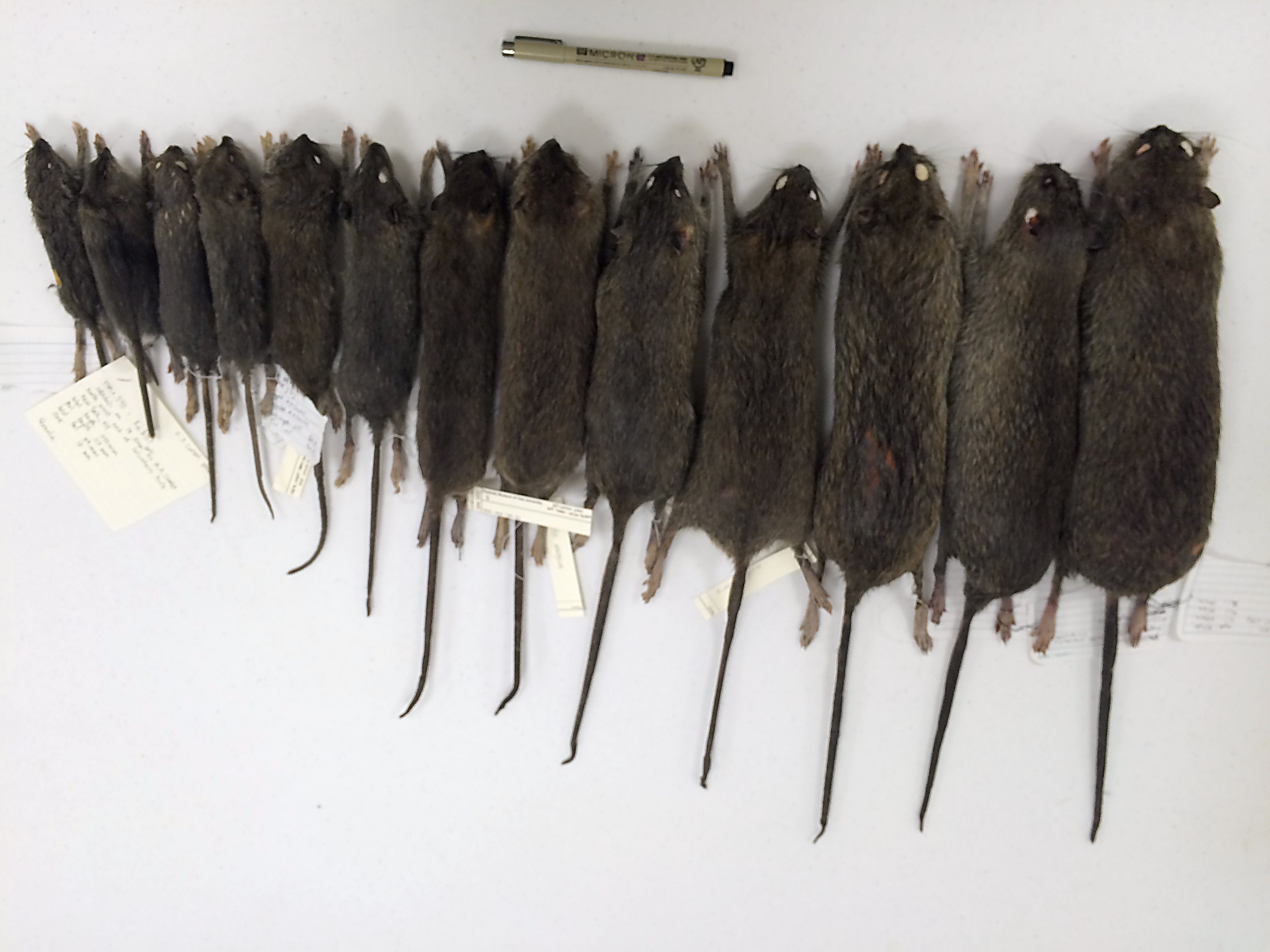
The vast majority of rats encountered in New York City are the Norway rat, scientifically known as Rattus norvegicus. Also referred to as brown rats or sewer rats, these are the species that have successfully adapted to thrive in human-dominated environments. Their adaptability is a key factor in their prevalence, allowing them to exploit the abundant food sources and shelter provided by the urban infrastructure. When considering “how big” they are, it’s important to distinguish between typical adult size and anecdotal accounts of exceptionally large individuals.
Physical Characteristics of the Norway Rat:
- Body Length: Adult Norway rats typically measure between 7 to 10 inches (18 to 25 cm) from nose to the base of their tail.
- Tail Length: Their tails are usually shorter than their bodies, measuring around 6 to 8 inches (15 to 20 cm) and are scaly and often hairless.
- Weight: A healthy adult Norway rat generally weighs between 0.5 to 1 pound (225 to 450 grams). However, well-fed individuals, particularly those with consistent access to readily available food sources, can exceed this, sometimes reaching up to 1.5 pounds (680 grams) or even slightly more.
- Build: They have a robust build, characterized by a blunt nose, small eyes, and ears that are relatively small and lie close to the head. Their fur color can vary, but typically ranges from brown to reddish-brown, with lighter undersides.
These dimensions paint a picture of a substantial rodent, larger than the black rat (Rattus rattus) which is less common in New York City but more prevalent in warmer climates. The Norway rat’s stockier build and heftier weight contribute to its resilient nature and ability to navigate the complex subterranean and structural environments of the city.
Factors Influencing Rat Size in New York City
The size of an individual rat is not static; it is influenced by a confluence of environmental and biological factors. Understanding these determinants provides a more nuanced perspective on the “big” question.
Nutritional Availability and Diet
The single most significant factor influencing rat size is the availability and quality of food. New York City, despite its sanitation challenges, is a veritable smorgasbord for rats. Restaurants, overflowing garbage bins, discarded food, and even the complex waste management systems offer a constant supply of calories.
- High-Calorie Diets: Rats are opportunistic omnivores. In an urban setting, their diet often consists of high-fat, high-carbohydrate items. This abundance of energy-rich food allows them to reach their maximum growth potential.
- Seasonal Variations: While New York City offers a consistent food supply year-round, there might be subtle seasonal influences. Warmer months with more outdoor dining and events can lead to increased food waste, potentially supporting larger rat populations and individuals.
- Competition: In areas with high rat densities, competition for food can influence individual growth. However, the sheer abundance in many parts of the city often mitigates severe nutritional deficiencies that might stunt growth in less resource-rich environments.
Genetic Predisposition
While environmental factors play a crucial role, genetics also contribute to the potential size of a rat. Norway rats, as a species, possess a genetic blueprint for a certain range of sizes. Within this range, environmental conditions determine whether an individual rat reaches its full genetic potential for growth. Selective breeding, although not intentionally practiced for size in wild populations, can occur implicitly. For instance, areas with consistently abundant food might indirectly favor the breeding of rats that are better at capitalizing on these resources, potentially leading to a subtle selection for larger individuals over time.

Health and Disease
A healthy rat is more likely to grow to its full size than one suffering from disease or parasites. While robust, wild rats are susceptible to various ailments. Rats with parasitic infections or chronic illnesses may exhibit stunted growth or a weakened physique, appearing smaller than their healthy counterparts. Conversely, healthy, well-nourished rats can attain impressive dimensions within the species’ typical range.
Age
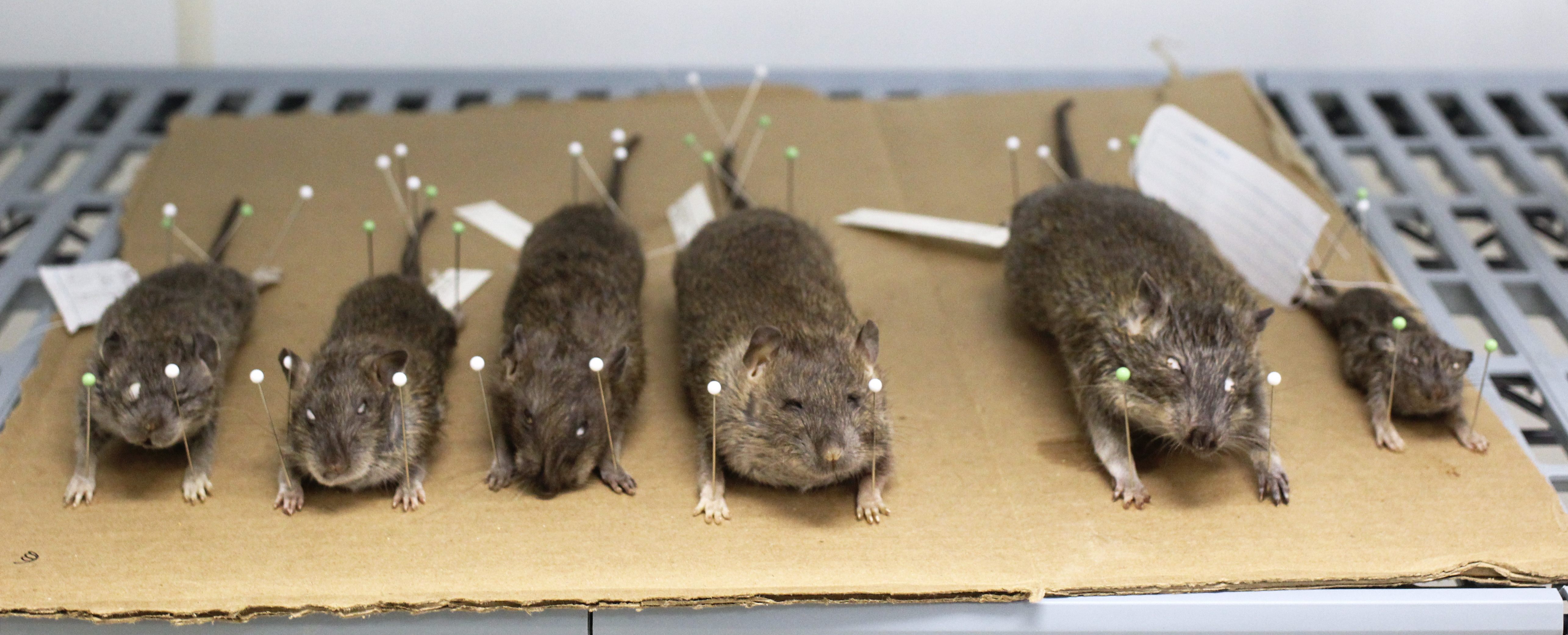
Like all animals, rats grow as they mature. Juvenile rats are significantly smaller than adults. The “big” rats people often observe or imagine are typically adult males, which are generally larger and more robust than adult females. The lifespan of a wild rat is often short, typically a year or less in urban environments, meaning that the largest individuals are likely mature adults.
Anecdotal Evidence vs. Scientific Measurement
The popular perception of New York City rats being exceptionally large is often fueled by anecdotal evidence and vivid anecdotes. Stories of rats “the size of cats” or “as big as puppies” circulate, often amplified by sensationalized media reports or personal encounters that may exaggerate the actual dimensions.
- Perception Bias: When encountered unexpectedly, especially in the dim light of an alley or subway station, any rat can appear larger than it truly is. Fear and surprise can contribute to an overestimation of size.
- “Scary” Narratives: Urban folklore often exaggerates the size and menace of pests. This narrative serves to highlight the challenges of urban living and pest control.
- Actual Large Individuals: While the average size is within the previously mentioned range, it is not impossible for a well-fed, healthy adult Norway rat to reach the upper end of that spectrum, or even slightly exceed it. These exceptional individuals might be the source of many of the “giant rat” stories. A rat weighing 1.5 pounds and measuring close to 10 inches in body length can certainly be imposing.
Size and Implications for the City
The size of rats in New York City has implications that extend beyond mere curiosity. It directly relates to their impact on the urban environment and the challenges faced by pest control agencies.
Impact on Infrastructure and Sanitation
Larger rats, with their stronger jaws and more robust bodies, can potentially cause more significant damage to infrastructure. They can gnaw through electrical wiring, damage building foundations, and disrupt sewer systems. Their larger size also means they consume more food and produce more waste, contributing to sanitation challenges. The New York City Department of Health and Mental Hygiene actively monitors rat populations and their impact on public health.
Public Health Concerns
While size itself doesn’t inherently make a rat more dangerous, a larger, healthier, and more numerous population can increase the risk of disease transmission. Rats can carry pathogens that can be transmitted to humans through bites, scratches, or contact with their urine and feces. These include diseases like leptospirosis, hantavirus, and salmonellosis. The general health and robust nature of New York City rats, enabled by their ample food supply, underscores the importance of stringent sanitation measures and public awareness.
Pest Control Strategies
Understanding rat size and behavior is crucial for effective pest control. Strategies often focus on reducing food sources, securing garbage, and, where necessary, utilizing targeted rodenticides. The effectiveness of these methods can be influenced by the size and health of the rat population. For instance, larger rats might require higher doses of rodenticides or be more adept at avoiding traps.
In conclusion, while the image of a monstrously oversized rat may be more fiction than fact, the actual size of New York City rats – typically 7 to 10 inches with a weight up to a pound – is impressive enough to warrant attention. Their robust dimensions are a testament to their successful adaptation to one of the world’s most demanding urban environments, driven by an abundance of resources that allows them to thrive.
LifeOutOfTheBox is a participant in the Amazon Services LLC Associates Program, an affiliate advertising program designed to provide a means for sites to earn advertising fees by advertising and linking to Amazon.com. Amazon, the Amazon logo, AmazonSupply, and the AmazonSupply logo are trademarks of Amazon.com, Inc. or its affiliates. As an Amazon Associate we earn affiliate commissions from qualifying purchases.